Tag: khasilanguageconservation

  • Laitlyngkot dialect

    Some words in the Laitlyngkot dialect contributed by @mebatei I khongsti given in the order of Lailyngkot – Standard Khasi – English.

    Ma ï – Mangi – Us

    Bileh – Balei – Why

    Ynñioh – Ynnai – No need

    Jyrwoi/Khynning – Kynjing – Disgusting

    Mieh – Wad – Search

    Lyntun – Tyllun – Roll

    Diei – Dei – Correct/ Right

    Bliei – Blei – God

    Kynthiei – Kynthei – Girl/ Woman

    Syir – Syiar – Hen

    Sning – Sniang – Pig

    Pding – Pdiang – Accept

    Sohlah – Phan – Potato

    Bitlun/ Pitlun – Patlun – Pants

    Bam jia – Bamja – To eat rice

    Dih shia – Dih sha – To drink tea

    Here are some words according to the Laitlyngkot dialect contributed by @mebatei_l_khongsti Khublei Shibun! 😀🙏

  • New Khasi words

    Lyntied – Kum haba shoh phria ne u slap praw/ the way in which hail or

    a sudden shower falls.

    Skor – Plung, man bha, san kloi/ fresh and youthful, thriving, growing fast.

    Dusa – Khlem myntoi/ without benefit.

    Ka Thynram – Ka dieng ba slor noh ki sla; ka dieng lyngkhot dieng ïap/ a tree with withered and fallen leaves; a piece of dry dead wood.

    Ka Mangkarong – Ka jingpyni rong; kaba pynpaw rong ïa kano kano ka mar habar/ a display or a show.

    Some new Khasi words for the coming year! 🗯️💭🗣️

    Let's try something… please make sentences with these words in the comments section! 😀

    🟡 English translation by @speakyourroots

  • Ka Sotti Juk

    Ka Sotti Juk ka dei ka juk kaba dang khuid dang sngur naduh ka saiñpyrkhat, ka rukom im la ka long naduh na la ïing la sem, ha shnong ha thaw, ki kam shnong ne saiñhima sima, haduh ka die ka thied, ka khaïi ka pateng. Ha kaba ka ktien ka ïeng rasong bad ka hooid ka neh ka hooid, ka em ka neh ka em. Wat ha uno ma uno u pud ka jingïakajia ne bym sngewthuh jingmut ka dang beit ban ïa kren tang da ka ktien ka thylliej khlem da kiew ïinglieh ïingsaw. Ka juk ha kaba U Kpa, U Kñi ki don la ka bor ka iktiar bad ki khun ki tieng burom la ki kmie ki kpa. Ka Juk kaba ka kmie ka long ka dohnud ka ïing bad U Kpa ka tyrpeng ka ïing, la kum ka tnum kaba kdup bad u rishot uba kyrshan.

    "Ka Sotti Juk" is an age where honesty, truth and integrity prevails whether in ways of thinking, ways of life at home, in village or town, administrative or political activities and in trade and commerce. The power of the spoken word stands strong, where yes remains yes and no remains no. In a quarrel or misunderstanding, the spoken word is enough to resolve any contention or problem, without going to the extent of having to seek legal remedy. An age when the wisdom of the father and the maternal uncle have their strength and foresight and children love and respect their parents. An age where the mother symbolises the heart of the home and the father is the shoulder who holds responsibilities, like a roof who embraces all and a pillar who supports all.

    Ka Sotti juk ka dei ka juk mynshwa hyndai ha ka por ba ki briew ki dang long shida bha; shu kren da ka ktien lah skhem lut ki kam ki jam bad wat ka kam thied jaka ruh ki shu ong da ka ktien lah biang ym donkam sakhi haduh katta ka jingiashaniah bad jinglong shisur.

    Ka Sotti Juk ka dei ka juk jong ki khathynriew trep khathynriew skum. Ka juk ha kaba u Blei u dang ia iaid bad kren markhmat bad u briew.

    Ka Sotti Juk ka mut ka juk jong ka jingsngur, jingshida mynsiem. Ka juk kaba hun ïa kaei kaba u Blei u la buh la thaw. Ka juk ka bym don jinglushia eiei ia ki jingdon jingem jong ka mariang.

    Ka Sotti Juk ka dei ka por ba dang hok ka pyrthei…ka por ba u briew bad ka mariang ki dang kren kajuh ka ktien…ym tip ka bishni ne ka pihuiñ…ka lorni ka lorhap..ki im sngi thop ha la i kam lajong bad janmiet sawdong ka lyngwiar dpei ha ryngkat ka saw ksai ban sneng ban kraw.

    Ka Sotti Juk ka dei ka juk ba dang hok dang shida ha baroh ki liang la ha ka ktien ka thylliej, ka akor ka burom, ka riam ka beit, ka ïaid ka ïeng, ka trei ka ktah. Baroh da ki jinglehhok suda khlem ka jingthok jinglamler, ka bamsap bamklop.

    Nga shu iohsngew ha bun ki jingïathuhkhana ïa kane ka kyntien bad bunsien nga ïohsngew kumne , "ka sotti juk haba u briew bad u mrad ki dang kren kawei ka kyntien" nuksa ka Ïew Luri-Lura. Ha ka jingsngewthuh jong nga ka mut ka juk ha kaba ngi dang don ka jingsngewthuh iwei ïa iwei khlem da donkam ban pynsngewthuh lane kum ban ong noh ngi dang don kata ka jingïatiplem iwei ïa iwei bad ym pat don kata ka jingbishni ne jingpihuiñ kum ba ngi ïohi byllai ha kane ka juk kaba ngi im mynta . Namar ka jingbishni ka dei kawei ka daw ba tynrai kaba wanrah ïa ka jingïashun iwei ïa iwei. Kum ban pynkut kamut ka dei ka juk kaba lait naka jingbishni pihuiñ iwei ïa iwei.

    Ka Sotti Juk ka mut ka por mynshwa ha kaba ki briew ki dang im shi sur shi dur bad ba ym ju don kano kano ka jingïakajia. Ki brew ki im suk im saiñ. Wat la ki duk ne riew spah kim kwah rhah ïa kano kano ka bym dei jong ki. Ki shong ki sah bad ki trei ki ktah tang hala u pud u sam. Kim don kata kw mynsiem bishni pihuiñ iwei ïa iwei.

    "Ka Sotti Juk" is a Khasi phrase we have heard from our parents and grandparents. Here are some explanations of the phrase from our followers! 😃😃

    Khublei Shibun @redfm_rjzack@amy_grace_7@kevin_nelson_17@ms_sngewbhalang@the_lost_soul_dreamer@zephyra_lavenza@evarylda022@gen_amane@_bala_kshr_06 for sending in your understanding of the phrase 🙏🙏 💜💜 They have made this post all the more richer!

    🟡 English translation by @speakyourroots
  • Ka ktien kaba tam

    "Ka ktien kaba tam" ka dei ka jingong kaba ngi ju ïohsngew na ka por sha ka por. Ngi lah ban batai ba kane ka thew ïa ka jingshai, ka jingkordor, ka jingbha, ka jingdonburom bad ka jingshongkhia jong ka rukom kren jong no jong no. Kine ki kyntien namar ki long kiba la mih na ka jingbha ki kham kordor ban ïa kano kano ka jingai ne ka kam.

    Namar ba ki Khasi ki kheiñ kynsai ïa ka ktien, ka ktien kaba kren ka long kaba donkam bha. Ym lah ban don ka jjngbymsuidñiew ne jingkhlemakor haba kren ïa kaei kaei. Kawei pa kawei ka kyntien ka dei ban long kaba shongsbai bad shongnia da ka jingmut bad ka jingshisha.

    Ha kawei pat ka liang, ka ktien ruh ka donkam ïa ka jingsngewthuh. Lada u nongsngap um sngewthuh ïa u nongkren kata ka long ka jinglehnohei. Ka bor jong ka ktien kan neh tang lada u nongsngap u pyrkhat bad sngewthuh ïa ka. Ha kane ka rukom u nongsngap u ban sa long u nongkren ïa ki pateng ki ban nang wan, u bat ïa ka bynta kaba kyrpang.

    "Ka ktien kaba tam" is a phrase that refers to the clarity, value, goodness, honour and dignity in the way a person speaks. Because of the quality of these words they are held to be more valuable than any gift or deed.

    As Khasis hold the spoken word in high esteem, anything that is spoken is deemed as important. There should be no carelessness or indifference when speaking to others. Each word is worth its weight in gold, possessing a depth of meaning and truth.

    On the other hand, the spoken word requires understanding. If the listener does not understand the speaker then it is useless. The power of the spoken word will endure if the listener thinks about and understands what is being said. In this way, the listener who will be a speaker to future generations, also plays an important role.

    Here is an attempt to explain the Khasi phrase "Ka ktien kaba tam" 🗣️🗣️Sometimes words are stronger than any action or gesture and this is why Khasis emphasise on the intrinsic value of the spoken word. 🌈💫

    Please feel free to add more in the comments!

    🟡 Khasi and English explication by @speakyourroots

  • Khasi words with their English equivalents

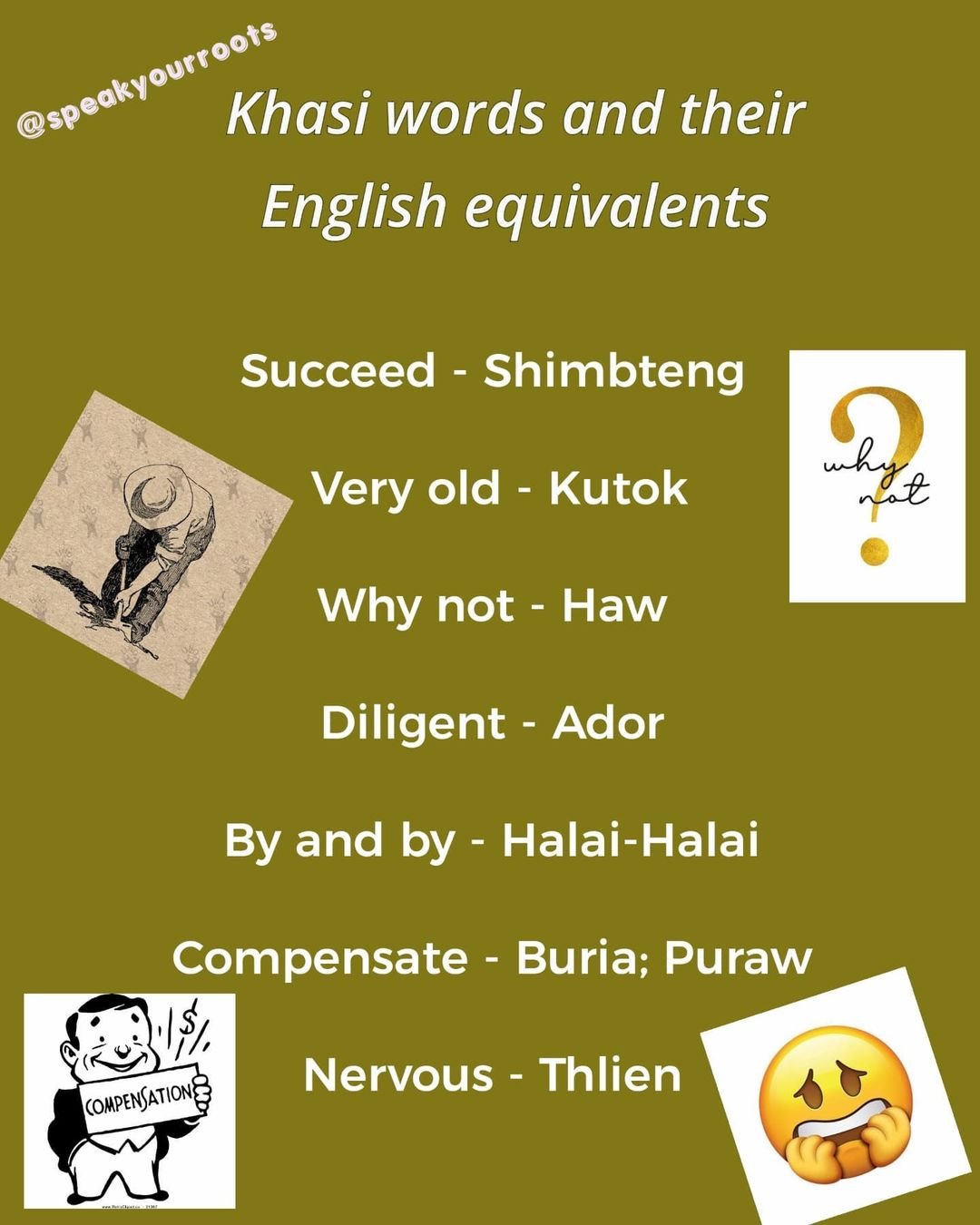
    Succeed – Shimbteng

    Very old -Kutok

    Why not – Haw

    Diligent – Ador

    By and by – Halai-Halai

    Compensate – Buria; Puraw

    Nervous – Thlien

    Here is another list of Khasi words with their English equivalents 🤓🤓

    #habaimkaktienimkajaitbynriew

    A people are alive when their language is alive!

  • Ki Rukom Kren Ba Pher/Different Ways of Speaking, Part II

    "Kren padan" ka dei kaba kren pakhang ktien ba kiwei kin ym ïoh kren/ to speak in a way that obstructs others from getting a chance to speak.

    "Kren 'nam ksiar 'tien ksiar" ka dei haba kren ïa ka jingbha ban da ïa ka hok ka burom ha ka pyrthei/ to speak for the good of others or about goodness, for the protection of rights, dignity and honour in the world (or in human life).

    "Kren Ikhit" ka dei kaba kren kumba ïathuh bniah ïa ki skid ne sker ki bym larkam/ to speak or relay in detail about all sorts and kinds of things but in a useless way.

    "Kren saidlah" ka dei kaba kren said ban pynïeng la ka nia ne dáw wat la lah shah pyndem ha ka jingïatainia/ to speak in order to support one's argument or reason even though the argument or reason has been weakened or criticised in a debate.

    Sa shi hud ki rukom kren ha ka Khasi 😀🗣️

    This is Part Il of the different ways of speaking in Khasi. May the words we speak empower us and those who listen to us! 💫💫

    🟡 English translation by @speakyourroots
  • Khalish

    Kane ka thew ïa ngi baroh 🤭🤭😂😂😅😅

    Bun na ngi, ngi khleh lang ïa ka ktien Khasi bad ka ktien phareng haba ïa kren ne ngi shu ïa kren beit tang da ka phareng suda ruh.

    Kaei kaba ngi dei ban sngew ka long ba ngi dei ban pyrshang ban kren tang da ka ktien lajong lada ngi don para ma ngi. Ngin lap ba kin don bun ki ktien kiba ngim tip ha ka Khasi. Ngin lap ruh ïa ka jingshongkhia, ka bor bad ka jingïar kaba don ha ka ktien la jong haba ngi kren ïa ka.

    Kito kiba sah sha jngai na la ri, ki lap ba katno kata jingkwah ban kren da ka ktien la jong. Bad ba da lah ïoh ban kren, ki da sngew hun shisha! Ka ktien ka pynjan ïa ngi sha ki lyer, ki lum ki wah, ki dieng ki siej bad ka pynskhem ruh ïa ki thied tynrai bad ki nongrim longbriew manbriew jong ngi! 💚🙏

  • Leh Piat

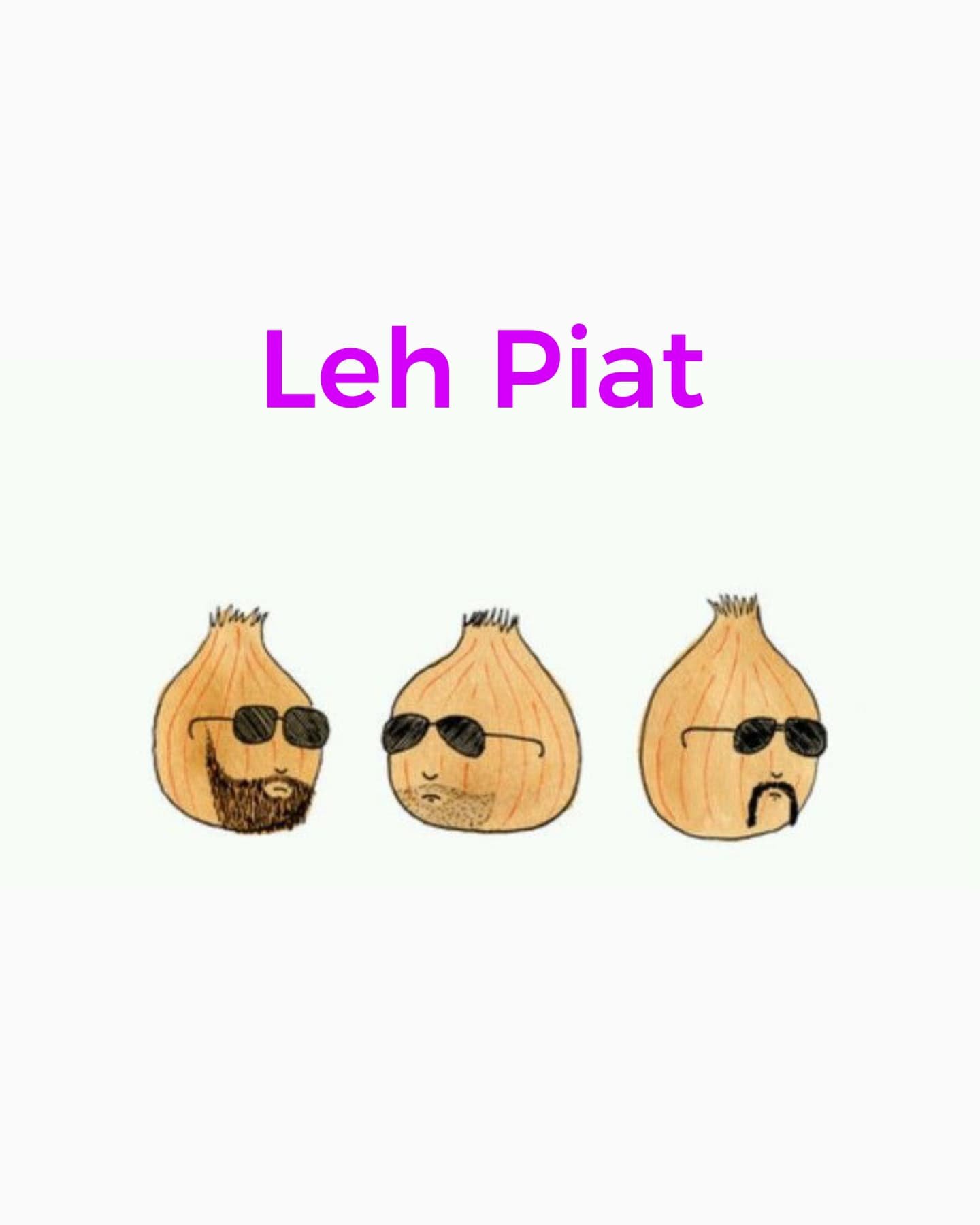
    The Khasi colloquialism/ phrase "leh piat" or sometimes "ba piat bha" is used to describe a person who may be seen as a jack of all trades. He or she seems to be seen everywhere, meeting and conversing with people. Thus, the phrase is a way of describing the popularity of a person.

    An onion is one of the most important ingredients in Khasi recipes. Therefore the metaphor of an onion implies that a "piat" person is usually popular and is invited to (or attends) functions and events.

    The persons who are described as being "piat" or "leh piat" may also be extroverts, they are talkative, outspoken or opinionated, having a large circle of acquaintances.

    According to Ka Dienshonhi: The Khasi Encyclopaedic Dictionary the word "piat" can also be used as an adverb which means: Da kaba mut skhem ne ka jingkut jingmut shaphang kaei kaei, kum "nga shong piat ban pule, ban bam, ban trei bad kiwei-kiwei".

    This means that the word "piat" can be used to descibe the firm determination (or decision) of a person to do anything.

    The phrases "Leh Piat" or "Ba Piat Bha" are amusing, sarcastic and definitely interesting 😄😂 Whoever coined this phrase is a master of wit! 🌰🌰

    Khublei Shibun @_.natalie_kharkongor._ ba phi phah ïa kane! 🙏🙏😀

    🟡 Expanded by @speakyourroots

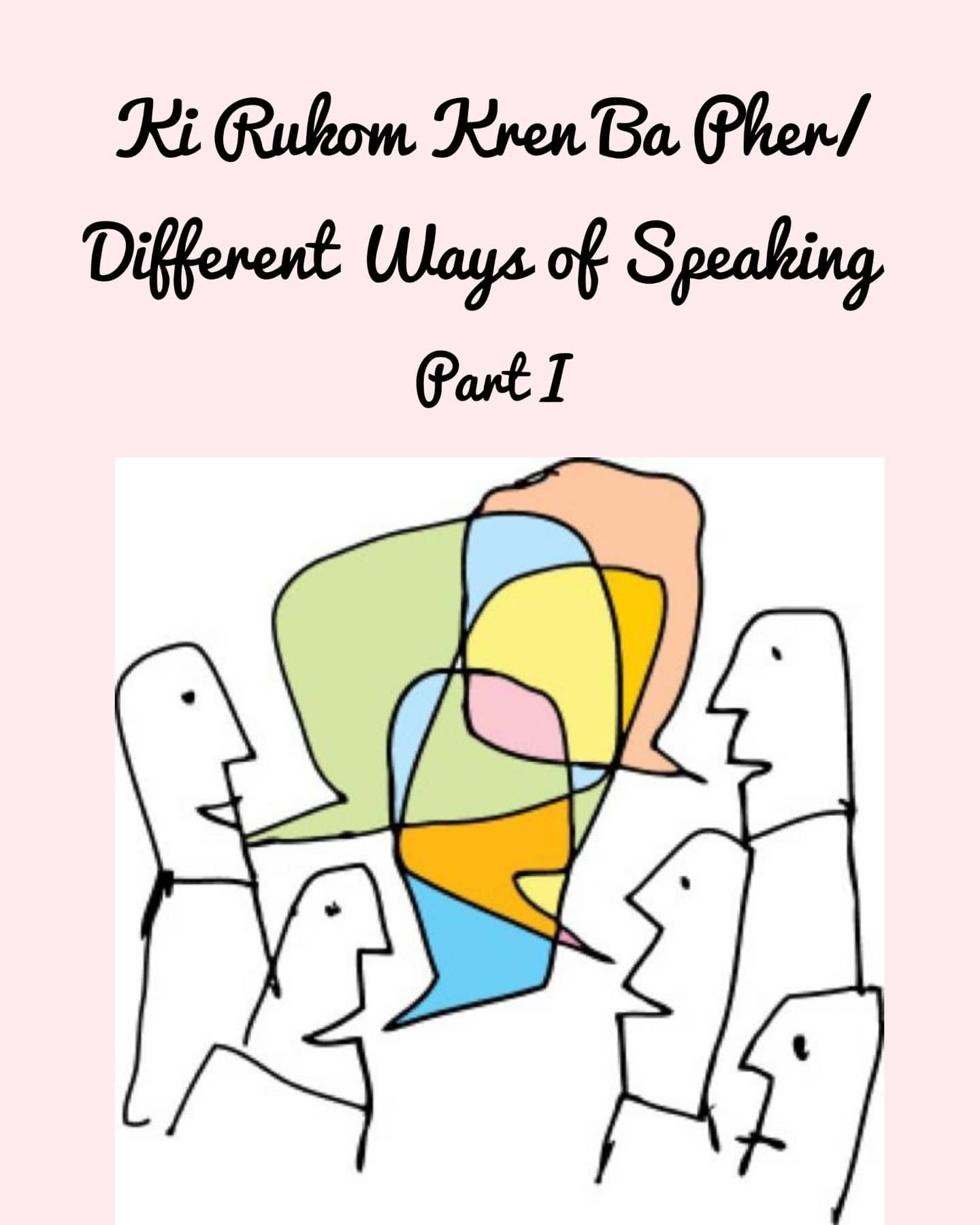
  • Ki Rukom Kren Ba Pher/ Different Ways of Speaking, Part 1

    "Kren bhoh" ka dei kaba kren ha ka rukom kumba kren khroh ïano ïano bym kwah kren/ to speak so as to coax someone who does not want to talk.

    "Kren jyrwit jyrwat" ka dei kaba kren kyllaiñ khlem pynshai/ to speak in circles or to beat around the bush without any effort at being clear.

    "Kren lyngkut" ka dei ka jingkren ka bym bunktien hynrei kaba eh bad kaba ngam shaduh shyieng/ to speak using less words but they are harsh words whose effect sinks deep into the bones.

    "Kren phrak" ka dei kaba kren khlem buhrieh ne tyngkai; kaba kren laitluid bad shai/ to speak without hiding anything or without reserve; to speak freely and clearly.

    "Kren saidda" ka dei kaba kren ban ïada ïalade lane ïa kiwei pat/ to speak in order to protect oneself or to protect others.

    The power of the spoken word 🗣️🗣️🗣️ There are an array of words to describe different ways of speaking in the Khasi language. Here are a few of them 😄

    🟡 English translation by @speakyourroots
  • Kyllarnga

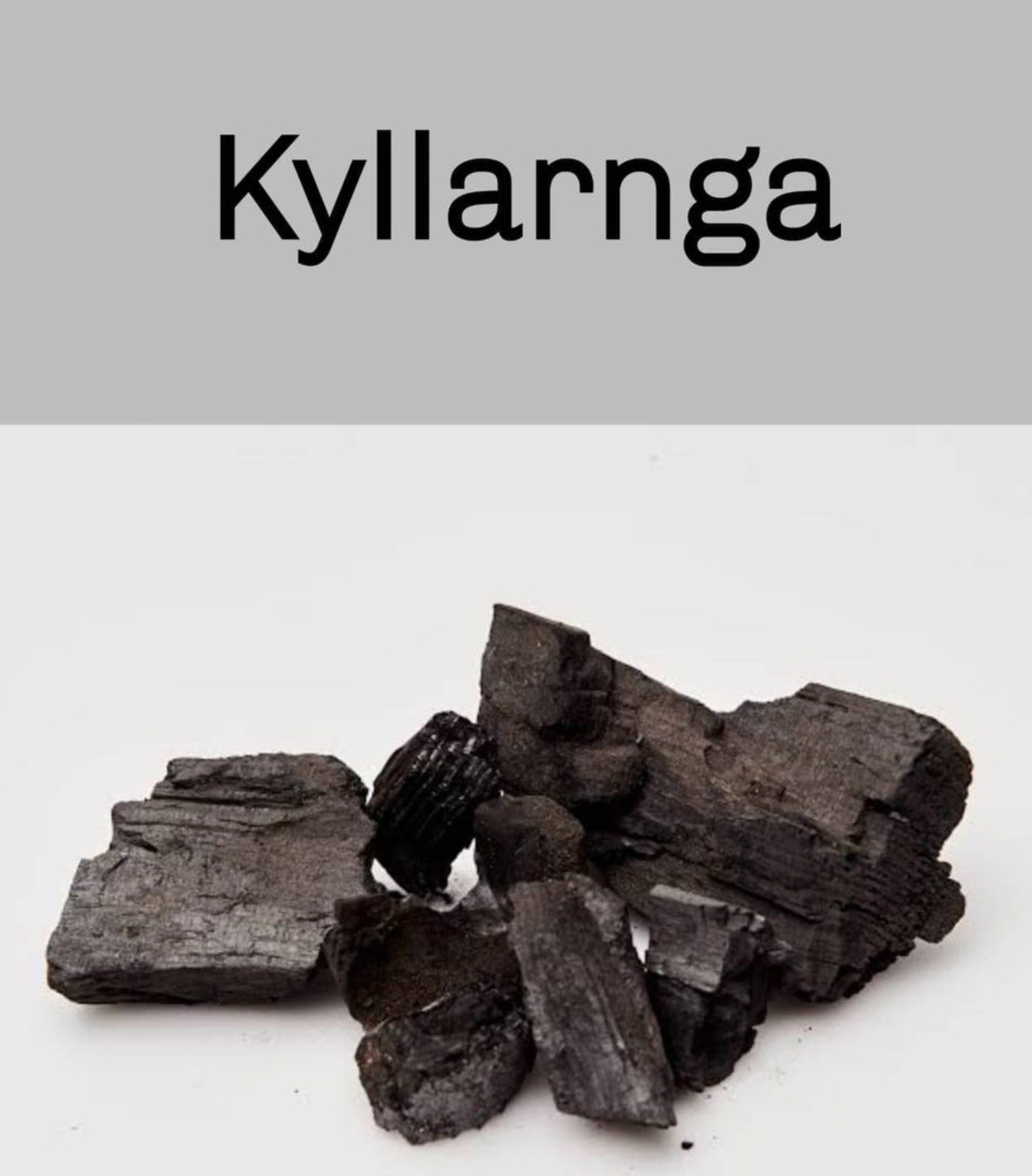
    Ka ktien "kyllarnga" ka mut kaei kaei kaba la duh noh ïa ka jinglong tynrai.

    Kane ka lah ban dei ka jingduh noh ïa ka jinglong kaba pynlong ïa kiei kiei kumba ki long, ka jingduh ïa ka jinglong ne ka bynta kaba donkam eh, ne ka jingduh ïa ka jingshisha ha kiei kiei baroh.

    The word "kyllarnga" refers to something that has lost its origin or source or essence. This loss may be the loss of the quality that defines the nature of things as they are, the loss of the quality or the part which is of critical importance, or the loss of truth in all things.

    "Rnga" is the Khasi word for charcoal and here it is coupled with the word "kylla" which means change. Thus "kyllarnga" denotes a difficult change which leads to an irrevocable loss. 😢🚫❌

    🟡 English translation by @speakyourroots