Tag: khasilanguageconservation

  • Legal Terms in Khasi

    Lawyer – Muktiar

    Lawsuit – Ka Mokotduma

    Deed – Ka Dulir Khyndew

    Gift deed – Ka Jingaisngewbha/ Ka Dulir Jingaisngewbha

    Lease deed – Ka Dulir Ai Wai

    Fine – Ka Jarimana/ Ka Daiñkuna

    Judge – Nongbishar

    Magistrate – Majistor

    Court house- Ka Ïingkashari/ Ka Ïingbishar

    Witness – Nongsakhi

    Boundary description – Pud Sawdong

    Court appearance – Hajir

    Signature – Jingsoi

    Judgement/ Order – Ka Jingbishar/ Ka Rai

    Bailor – Bahjamin

    Divorce – Pyllait San Shyieng

    Maintenance – Bai Bam

    Defamation – Ka Jingpynbudnam

    Plaintiff / Petitioner – Nongmudui

    Defendant/ Respondent- Nongshahmudui

    Offence/ Illegal act – Ka Kam Be-aiñ

    Tax/ Royalty – Musur

    Cross-examine – Swar

    Petition – Dorkhad

    Mortgage – Ka Bynda

    Many of us might not know the correct legal terms in Khasi. 📃🖋️ So here they are!

    Khublei Shibun @nisha_daphi for sharing your legal know-how! 😀🙏

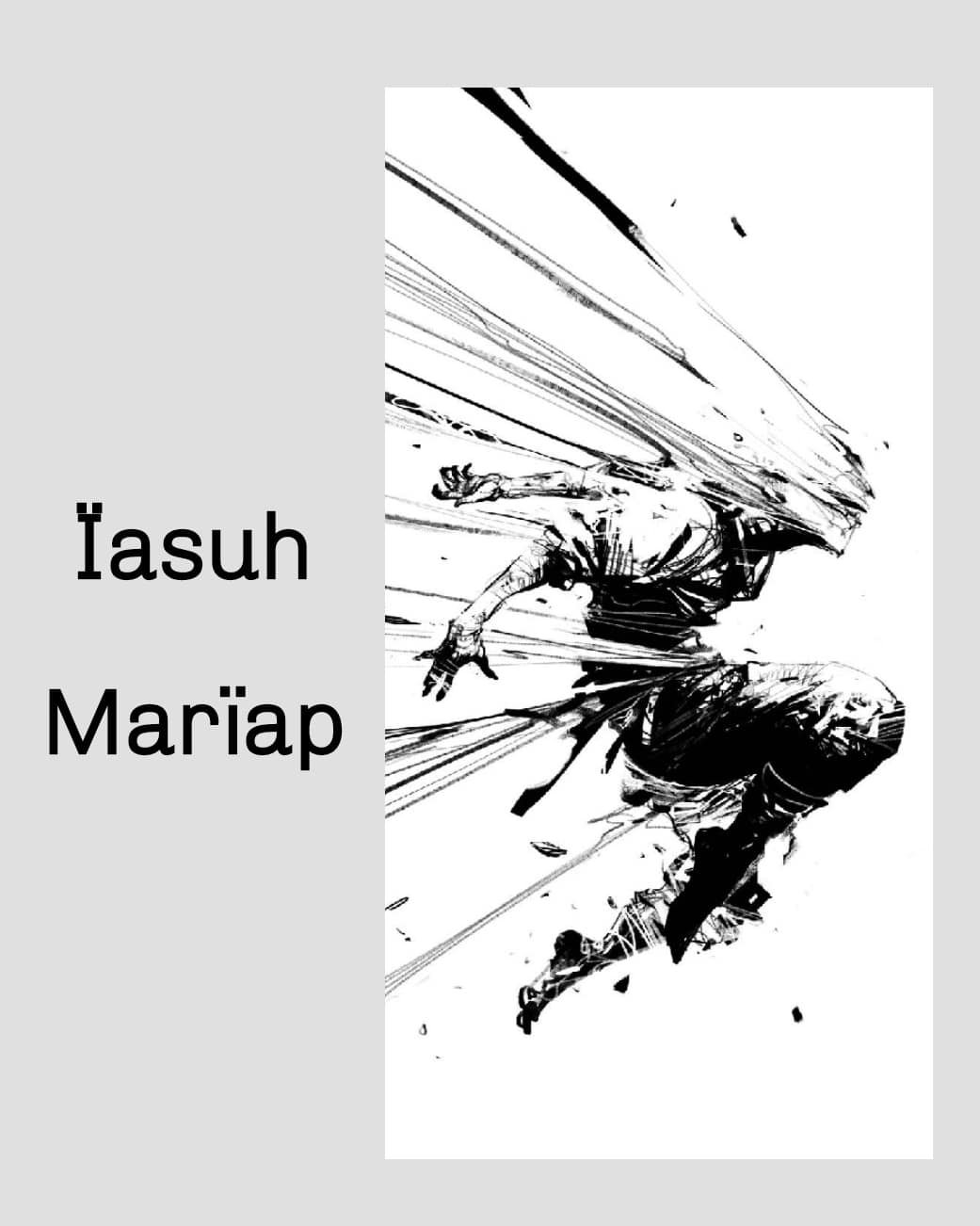
  • Ïasuh Marïap

    Ka jingong "Ïasuh marïap" ka mut kaba rai kut ïa la ka jingim da kaba pynmih lut ïa la ka bor ha kano kano ka thong ne jingpyrshang khatduh artat.

    Shuh shuh, lah ban batai ba ka dei ka jingïaleh kheiñduh ïalade bad kata ka jingïaleh ka dei kaba khatduh ïawai artat.

    The phrase "Ïasuh marïap" refers to an irreversible decision that is taken with regards to oneself, where there is an absolute and complete expending of power or energy in any competition, challenge or endeavour.

    This competition, challenge or endeavour may be the last or final one in the life of this particular individual. The phrase "do or die" may partially describe this situation.

    The Khasi phrase "Ïasuh Marïap" reflects the grit and determination that we need in our lives. ⚡⚡⚡

    🟡 English translation by @speakyourroots

  • Different kinds of quantity or measurement in Khasi

    "Shi-bdi" ka dei arphew tylli (20) ka diengïap ne diengthang/ twenty pieces of firewood.

    "Shi-bhar" ka dei laiphew ar tylli (32) u soh ha bhar rit lane hynriew phew saw tylli (64) u soh ha bhar heh. Kane ka dei ka rukom ñiew soh/ this is a method of counting fruits which contains thirty-two or sixty-four fruits according to a small or big "bhar".

    "Shi-biah" lane "shi khongpong" ka dei shi song u sla tympew kaba kynthup haduh hynriewphew tylli (60) ki sla khamtam ki sla kiba heh ban die ha ïew/ sixty leaves of the betel leaf especially the bigger leaves to be sold in the market.

    "Shi-khongshi" ka dei shi song kaba kynthup arphew tylli (20) u sla tympew/ a pack of twenty leaves of betel leaf.

    "Shi-kaa" ka dei shi nat u kwai/ a bunch of betel nut.

    "Shi-kti" ka dei shiphew tylli (10) u kwai/ ten pieces of betel nut.

    "Shi-kani" ka dei shi byrni kaba kynthup sawspah tylli (400) u kwai/ one sack which contains four hundred betel nuts.

    "Shi-káw" ka dei ka tylli kaba kynthup 1280. La ju pyndonkam ïa kane ka ktien bad ki jingteh, ki sbái, ki sohmynken bad kiwei kiwei/ a number which contains 1280. This number is used in terms of referring to things that are tied in a bundle.

    "Shi-klah" ka dei shi rynïeng ka kti/ a full arm's length.

    "Shi-kot" ka dei arpruh ne u dieng thew uba kot arpruh/ 36 inches or a measuring stick of 36 inches. (Shi pruh is 18 inches)

    "Shi-dista" ka dei arphew sla (20) ka kot sada/ twenty sheets of paper.

    "Shi-dorjon" ka dei khatar tylli (12)/ containing a dozen.

    "Shi-hali" ka dei saw tylli (4)/ containing four.

    "Shi-jhap" ka kynthup ïa kaba khathynriew ngut (16) ba dei tang ïa ki khun ba la kha lane shi ryngkap ki khnam/ sixteen children or sixteen arrows in a quiver.

    Khasis have many units of quantity and measurement that have been used for the purpose of trade, commerce and business 🧮⚖️

    🟡 English translation by @speakyourroots

  • Thoh shun ki blei

    "Thoh shun ki blei" ka dei ka shun ba la thoh da ki blei. Kane ka jingong kaba sngewtynnad ka thew ïa kito ki briew kiba don ïa ka bok ka nusib ban long 'riewkhraw, 'riewspah ne riewpawnam.

    Ïa ka jingthoh shun ngi lah ban shim kum ka jingpruid lynti lypa ïa ka jingim jong u ne ka briew bad ka jingshem bha shem miat jong ki kaba la mang da ki blei.

    The phrase "Thoh shun ki blei" literally means lime paste that has been marked or traced by the gods. This phrase symbolically refers to an individual who possesses the good fortune, of becoming great, wealthy, famous or well-known.

    The marked lime paste is a metaphor for being marked for good fortune in life, which can be interpreted as a predestination of the gods.

    In Khasi culture, lime paste figures prominently as an aid for protection from forces of evil.

    "Thoh shun ki blei" is to be blessed with that extra something that no man can take away!

  • Some food for thought

    Knowing our own mother tongue is not merely being able to read and write in our mother tongue, but also understanding the knowledge, wisdom and truth that it contains.

    Ngi pule Khasi tang ha skul bad ïa bun na ngi ka kut noh tang hangta. Ha ka jingshisha, ngi dei ban pule ïa ki kot Khasi khamtam eh da ngi lah heh, namar ngin kham sngewthuh shai bad jylliew ïa kiei kiei haba ngi la san ka jingmut jingpyrkhat. Ngi dei ban kheiñkor nyngkong eh ïa ka ktien la jong shuwa. Ka shong ha ki kmie ki kpa ruh ban pynshlur ïa ki khun ban shim khia bad ban don ka jingsngew kitkhlieh na ka bynta ka ktien la jong.

    So how many Khasi books do you own?

    Some food for thought…💭🗯️💬

  • Ani!

    A simple three letter Khasi word that is used to express pain, surprise, joy and sometimes even anger and disgust depending on how it is said. The variation in the tone adds a plethora of meaning to the expression, I use it frequently especially when I am unsure of how I am supposed to react to something and when I am usually speechless. My Khasi equivalent to the English version of “hmmm” for when I do not know what to say. I think in Mizo it also means paternal aunt. My friend’s daughter calls me Ani Bibiana (because I am friends with her father). Unsure of the spelling in Mizo, but the pronunciation is the same. One word, so many meanings.

    Ani!" sent by @bibianaryntathiang 😳😨😰😱😫😓😖 Ani! Thank you for sending this! 😂😂

    Bibiana Ryntathiang is an Assistant Professor in the Department of English, St Mary's College, Shillong, Meghalaya.