Tag: khasiphrases

  • Mynsiem Jhur

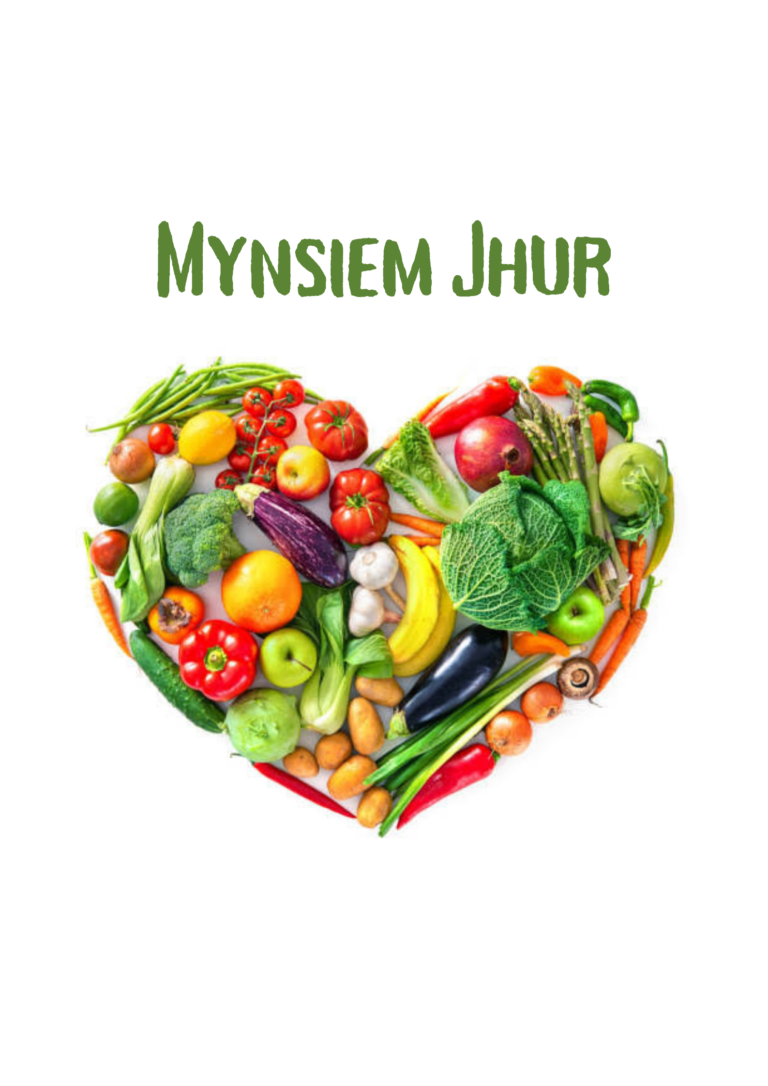
    Phi lah ju ïohsngew ïa ka jingong "Mynsiem Jhur"? 😄❤️🫒 Ka dei ka mynsiem kaba kloi ban ai sha kiwei, lada ka long da ka tiar ne ban ai jingïarap ne ban sngewlem 😇

    Khublei Shibun Ma'am @meiithei na ka bynta ka jingïarap jong phi ban batai ïa kane 🙏🙏

    Khublei Shibun ruh ïa i @iohbor_kharmyndai @_hep10_ward____ @vi.vianney_nongrum_b bad ïa i @the_lostsoul_dreamer kiba la phah ïa ki jubab jong phi 😄🙏

    .

    .

    .

    A vegetable heart is a fitting metaphor for a giving heart, full of compassion and empathy for others. 🙏😇

    #mynsiemjhur #mynsiemsbun #vegetableheart #generousheart

    #khasiphrases #khasimetaphor #khasiwordsusage #khasilanguage #khasilanguageconservation

    #speakyourroots #speakyourrootschallenge

    #talklocal

  • Miaw bam khun

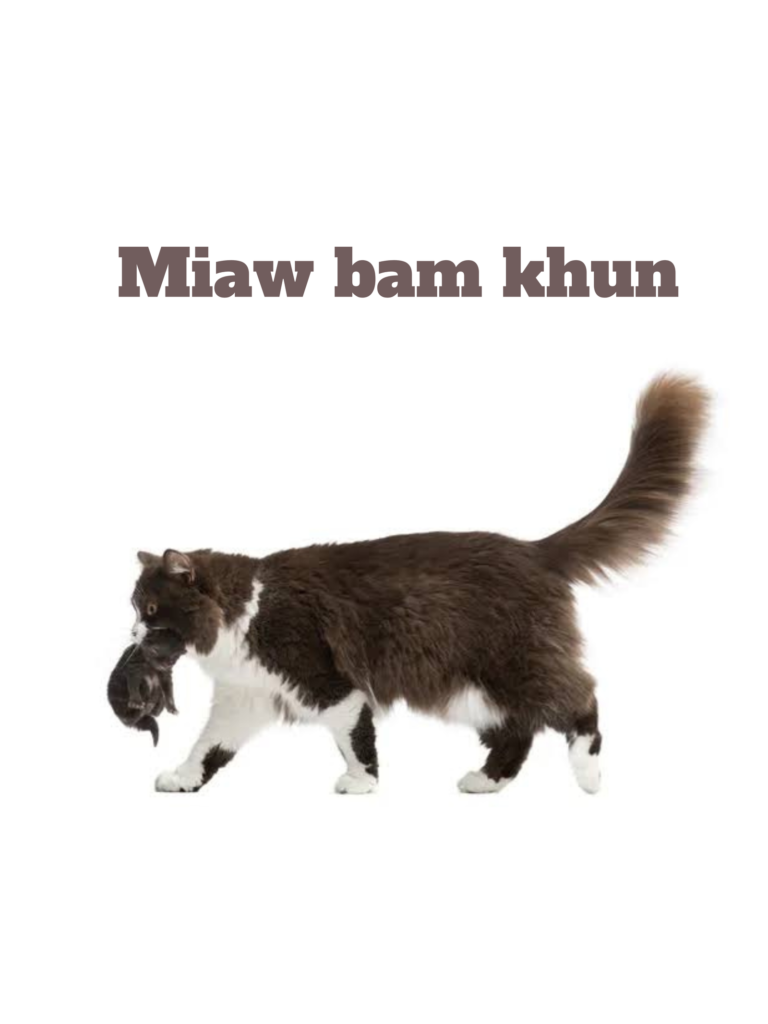
    Ka jingong "Miaw bam khun" ka don bun ki jingbatai bad ki rukom sngewthuh.

    Kane ka jingong ka lah ban thew ïa ka kmie kaba pynwan ïa ka jingpynduh lad-lynti ïa ki khun. Ha bun ki khep kane kam dei ba ka kmie ka leh khnang. Tangba ka ktien ne ka jingtim jingtla jong ka kmie ka pynjem rngiew ïa ki khun.

    Kane ka jingong ka thew ruh ïa ka kmie kaba ieh noh ïa ki khun, kum ban ong ba ka kmie ka pynkut pyndam noh ïa kata ka jingieit bad jingïalam kaba kordor jong ka.

    Ka jinghikai kaba ngi ïoh na kane ka jingong ka long ba kum ki kmie ngi don ka bor kaba khlaiñ ban pynmih ïa ka jingbha na ki khun jong ngi ne ban pyntroiñ pynpulom ïa ka jingbha jong ki ruh.

    .

    .

    .

    The Khasi phrase "Miaw bam khun" (literally a cat who eats its own kittens) may have a few interpretations.

    This phrase refers to a mother who is instrumental in bringing obstacles in the life of her children. In many instances this is not purposely done by the mother. But the words and the harsh reprimand of the mother weaken the child's essence or sense of self or capability to achieve his/her full potential.

    This phrase may also refer to a mother who abandons her child, in the sense that she ruins any valuable love or guidance that may come only from her.

    The lesson that is drawn from this phrase is that as mothers we are powerful in our ability to bring out a child's potential or destroy it.

    The Khasi phrase "Miaw bam khun" is a phrase we have heard of but have not been able to explain properly.

    Khublei Shibun @meiithei @bada_boombam bad @carey_lynz na ka bynta ka jingïarap jong phi ha kaba pynkhreh ïa kane ka post 🙏🙏

    Sngewbha ai shuh ki jingbatai jong phi ïa kane ka jingong ha ki comments.

    🟡 English and Khasi collated by @speakyourroots

    #miawbamkhun #khasiphrases #khasiidioms #khasisayings #khasilanguage #khasilanguageconservation #indigenouslanguages #indigenouslanguageconservation #speakyourroots #speakyourrootschallenge #talklocal

  • “Ka Akor Babha” – Sweetymon Rynjah

    Excerpt from Na Sla Ka Sohmyndur by Sweetymon Rynjah

    Ka jingbatai ïa ka kyntien ‘Akor’ ka long kaba eh, ym don kyntien kiba lah ban batai pynshai ha ka ktien Khasi kum ka dur ne ka rong. Lah ban shu ai jingbatai ba ka dei ka kynja jingstad barieh ba don ha ka long briew man briew, kum ka sap tynrai. Dei hi U Blei Nongthaw uba la buh ïa kane ka jingstad ha u briew da kaba ïohi ïa ka buit ka bor kumno u pynïadei bad ki para briew. Ka Akor namar kata ka long ka bynta jong ka sap tip briew, kaba pynïaid ïa ka jingïadei briew kumno ngi kren, ngi leh, ngi kam, para briew. Ha ngi ki Khasi, naduh hyndai hynthai, ngi Ia tip ba ka aiñtynrai jong ka longbriew ka dei ka Akor babha.

    La ju ïohsngew ruh ïa ki kyntien riewtymmen ba "ka akor ka long ka baiseng ïa u briew". Shisien pyrkhat kumno keiñ kata ka lah ban long. U briew uba lum spah hato un donkam baiseng aïu pat ha ka jingpynïaid jingim jong u? Hynrei kine ki kyntien ki kit ïa ka jingmut kaba jylliew. U briew uba bha ha ka ktien ka thylliej, u bymkren ibeiñ, ñiew beiñ ne kren pynmong ïa kiwei pat, kum uta u briew u don ka baiseng ha ka jinglong bad jingleh jong u. Kumta u ïoh ban thied ïa ka jingïadei ïajan, ïaieit-ïathoiñ bad jingïashaniah mar kylliang, jong kiba bun ba Iang. Kumta ka akor kaba bha ka long kawei pat ka baiseng kaba u briew u pyndonkam ha la ka jinglong jingman nalor ka spah ka hajar kum ka baiseng da ka pisa.

    .

    .

    .

    To explain and define the Khasi word "Akor" is difficult, as there is no word that can explain it like a definite image or colour. One may describe it as the wisdom that is hidden, that exists in human nature, like an innate talent. It is God the Creator who has placed this wisdom in an individual, when he sees how wisdom and intelligence is used in relation to others. "Akor" therefore, is part of human nature, which directs human relationships in what we say, in what we do with other fellow men. For us the Khasi community, since time immemorial, it is known and understood that the root law or foundational law of being human is good "Akor".

    We know the saying of the elders which states "Akor is capital for an individual". The first thought that comes to mind is how can this be. An individual who gathers wealth needs what more capital to steer his life? However, these words carry within them a deep meaning. An individual who speaks only good things, who does not speak despisingly or in a hurtful manner, this kind of individual possesses capital in his personality and deeds. In this way, this individual wins the closeness, love and trust of many. Thus, good akor is another kind of capital that an individual uses by virtue of his nature and personality, besides the money that is used as investment.

    "Ka Akor Ka Long Ka Baiseng Ïa U Briew" ka dei ka jingong kaba ngi lah ju ïohsngew. Pule haneng ba phin ïoh ka ki jingbatai kiba sngewtynnat bad shongkhia na i Kong Sweetymon Rynjah. 🙌 🙌

    The Khasi love for "Akor" is something that is ingrained in us from our parents and grandparents. We may say it is an integral part of the Khasi oral tradition and worldview. Thus, the significance of Akor should not be undermined. Read more to understand from the learned Kong Sweetymon Rynjah 🙏🙌

    🟡 English translation by @speakyourroots

    #kaakor #kaakorkabatam #kaakorkaburom #ktientymmen #sayingsofelders #khasicustom #khasiculture #khasiphrases #khasilanguage #khasilanguageconservation #speakyourroots #speakyourrootschallenge #talklocal

  • Ingkhong Shyllangmat

    Ingkhong-shyllang-mat (noun) U dei briew uba la shah khi lainuid bad shah kynthah dieng tyllaw ding na shyllangmat namar ka pap ka sang kaba u la leh ha shnong ha thaw bad kim ju shah ïa u ban shong ha shnong.

    Ka Dienshonhi: The Khasi Encyclopaedic Dictionary

    Ingkhongshyllangmat (noun; adjective) A a person who has no allegiance to one's own people; a traitor.

    – Ki nongialam ingkhongshyllangmat; traitorous leaders.

    As a verb ingkhong shyllangmat is to betray.

    – Ani, baroh ki la ingkhongshyllangmat ïa la ka ri!

    – Goodness! Everyone betrayed their country!

    Learner's Khasi Dictionary with English-Khasi Index

    Ha kato la kylli ïa ka jingmut jong ka ktien "ingkhong shyllangmat". Khublei Shibun ïa baroh ki jubab kiba phi lah phah 🙏🙏 Ki jubab ki la ïarap ban nang sngewthuh ïa kane ka rukom ong.

    Hangtei haneng la ai ïa artylli ki jingbatai ïa kane ka ktien. Kyrmen ba ngin kham sngewthuh shai lyngba kine 👍 Ka ktien "ingkhong shyllangmat" ka kit ha ka ka jingmut kaba khia kumba phi i haneng bad ka dei ruh ka jingkynnoh kaba eh bad khor bha ïano ïano.

    The Khasi word "ingkhong shyllangmat" has both a literal and symbolic meaning behind it as is seen from the two references cited above. It is a harsh punishment and a strong accusation against someone.

  • Ñiangkongwieng khlem snier

    Ka jingong Khasi "Ñiangkongwieng khlem snier" ka ring jingmut na ka jingpah kaba mih na ka kpoh jong ka ñiangkongwieng kaba dap da ka lyer, hynrei kaba lah ban pah baroh shi sngi. Kane ka jingong ka thew ïa u briew uba heh tang ka tyngam bad ka khlem kam; u briew uba put ronsing ïalade tangba ubym larkam eiei ruh.

    The Khasi phrase "Ñiangkongwieng khlem snier" focusses on the loud sound emanating from the porous abdomen of the cicada, to describe a person who is a big talker but never accomplishes anything. He likes to blow his own trumpet but in reality, he is useless and has no substance.

  • Shun ym pat pei, la paw penryngkew

    "Shun ym pat pei, la paw penryngkew" ka dei ka jingong kaba mut haba ïa ka jingshisha jong u briew ne kaei kaei la pynpaw noh shuwa ïa ka por.

    The Khasi phrase "Shun ym pat pei, la paw penryngkew" means to have the real nature of a person or the truth about something exposed prematurely.

    Ki jingong Khasi jong ngi te kiba shoh jingmut bad kiba bun bha bad ka "Shun ym pat pei, la paw penryngkew" ka dei kawei na kita. Tharai ïa bun na ngi kan dei ka sien nyngkong kaba ngi ïohsngew ïa kane ka rukom ong. 🗣️🗣️

    Lada don na phi kiba lah ban kham batai shuh shuh ïa kane, sngewbha sa ai ha ki comments, khnang ba ngin ïa sngewthuh shai. Ka don jingmut ne em haba pyndonkam ïa ka ktien "shun"? Ka "penryngkew" ka thew ïa kaei?

    Khasi phrases are many and this one is an example of a phrase that many of us hardly use anymore. If you know more please mention it in the comments!

  • Apot Sepsngi

    Ka ktien "apot" ka mut ka jingjynjar, ka lanot, ka suhsat bad ka shitom.

    The Khasi word "apot" refers to the experience of hardship, misfortune, adversity and difficulty.

    Ka jingong "apot sepsngi" ka thew ïa ka lanot bad ka suhsat kaba hap ïaid lyngba kaba la palat liam. Ngi lah ban batai ba ka ktien "sepsngi" ka thew ïa ka jingduh jingkyrmen bad ka jingsngewsih kaba la sngew kutlad shisha.

    The Khasi phrase "apot sepsngi" describes the misfortune or adversity that befalls which is hard for one to bear. We may explain the word "sepsngi" (literally meaning setting sun) symbolically refers to hopelessness and sorrow with no respite in sight.

    The phrase "Apot Sepsngi" describes a tragedy or a catastrophe that befalls a person. 😓😟 Its meaning is made more significant by the metaphor of the setting sun, echoing a dark time and hopelessness.

    🟡 Khasi explication and English translation by @speakyourroots

  • Saw Ka Tyngab

    "Saw ka tyngab" ka dei ka jingong Khasi kaba kren shaphang ka por kaba dangstep phyrngab. Ha ka jingbatai, ka ktien "phyrngab" ka dei ka por shuwa ban kynjat shai. Ngi lah ban ong ba "saw ka tyngab" ka dei haba ka bneng ka dang shu sdang ban kyan shai, ha kaba ka jngum jong ka miet ka shah pashat da ka saw jong ki kjat sngi.

    Sa kawei ka jingbatai kaba la ïoh ka long ba ka jingong "saw ka tyngab" ka thew ba ngin leh ïa kano kano katba dang kloi ne katba dang biang ka por khlem don ka jingbuhteng.

    "Saw ka tyngab" is a Khasi phrase which refers to the earliest time of the morning. The word "phyrngab" means the time before the arrival of dawn or the sun's rays. We may say that "saw ka tyngab" is when the night sky is just beginning to see a sliver of light, when the blue of night is coloured by the red of the sun's rays.

    Another explanation of "saw ka tyngab" is that the phrase refers to doing something early or while there is time and not procrastinating.

    The Khasi phrase "Saw ka tyngab" is one which we hear often but have not really read an explanation of. "Saw" means the colour red (or four) and "tyngab" means crow. Perhaps these also have a meaning but we have yet to know what they might signify. 🌄🌄

    Khublei Shibun ïa baroh ki nongbud jong ka page kiba la phah ïa ki jubab bad ki jingmut jong ki shaphang kane ka jingong! 🙏🙏

    🟡 Khasi and English explication by @speakyourroots

  • Thied Syad Yei Saja

    I oŋ "Thied syad yei saja" toh i kûntien pharchi wajōh sñau bha i na ki waheh, khamtam na ka Bei u Pa, hawa sneiñ wa krō ki ya ki khon. I mut yoŋ katai ka pharchi man i kamni ne, "Hawa leh iwon-iwon i wûm yahap wei rukom im, i wûm yōsuk ka yuŋ ka sem, i wûm bha, i wa bōh yei manbru ha i eh i khor, i wa datip chua, ne i wa yæ u wanrah yei ma hadien habōd".

    Kani ka kûntien, "Thied syad yei saja" hei sñauthōh yoŋ ŋa lailaŋ ko kam ka kûntein pharchi wa oŋ "Pan yei k'yoh, yoh dei hiaw" i wa mut hawa pan kwah, tæ daw wiar wei wa kwah. I jōh hi wa ka kûntien, "Thied syad yei saja" natlor wa da tip yei syad dor yoŋ i eh ne i saja wa yaŋ, katte leh chlur biej beit, khlem da pûrkhat chua u thied.

    Ban sngewthuh shuh shuh, Nga kwah ban batai da khasi, Haba Ong "Thied syad yei saja" ka mut ba "thied rem ïa ki jingjynjar". Balei ki rem ne syad, namar lah bun palat kita ki jingkynjar.

    Ka jingong "Thied syad yei saja" ka dei ka jingong Pnar kaba la pynkylla sha ka Khasi kum "Thied rem ïa ka saja" (ne ka jingjynjar). Kane ka jingong ka dei ka pharshi kaba mut kumne: Haba leh ïa kano kano ka bym sngew ïahap bad ka rukom im, ka bym sngewtynnat ha ïing ha sem, kaba pynpoi sha ka jingeh bad jingshitom, kaba la tip shuwa ba ka lah ban wanrah ïa ka jingma hadien habud.

    Ka "Thied rem ïa ka saja" ka long kum ka pharshi "Pan ïa ka jyrhoh, ïoh da ka sahiaw". Ka dei kumjuh ka jingmut ha kaba ka jingpankwah ka pynsohsat shisha ïa ngi. Ngi thied rem ïa ka jingjynjar nalor ba la tip ba kan eh ïa ngi ban shah ïa ka, tangba ka la ap lypa. Ngi long shlur beij khlem da pyrkhat ne thew ïa ka erïong erngit kaba la ap ïa ngi.

    The Pnar phrase "Thied syad yei saja" literally means "to buy expensive trouble". This phrase describes a situation where we do something that fits wrongly with our way of life, knowing that our family values go against it, knowing that it will lead to hardship and suffering in the future, but we readily do it.

    This is related to the word "pankwah" which is a combination of two words "pan" meaning ask and "kwah" meaning want. So we deliberately ask and want something that will bring pain and trouble. "Thied syad yei saja" implies a foolish courage that backfires. What the phrase may also be suggesting is a kind of self-sabotage that some of us may have experienced.

    The Pnar phrase "Thied syad yei saja" is loaded with deep meaning. It speaks of the complexity of human nature, riddled with strength and weakness. 💙❤️

    Khublei Chibōn @xdtnoahjupejackllthmanar for helping with this 😄🙏

    🟡 Khasi translation and English explication by @speakyourroots

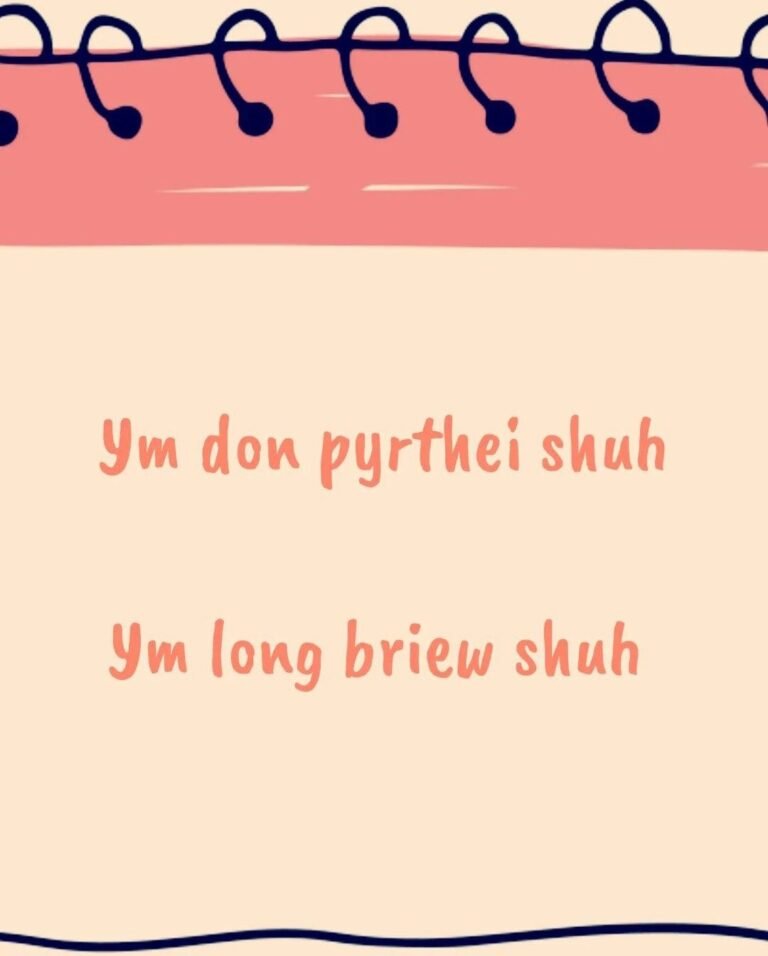
  • Ym don pyrthei shuh, Ym long briew shuh

    Ka jingong "Ym don pyrthei shuh" ka pynpaw ïa ka jingsngew kaba lah poi shaba palat u pud. Kane ka jingong ka thew ban pynsngew ïa kaba lah long "katta katta" ne "shibun". Kum haba ngi ong "Nga lah thait palat, ym sngew don pyrthei shuh."

    Kane ka rukom ong ka ïa syriem bad "ym long briew shuh" kaba mut ba kano kano ka kam kaba ngi leh ka la pynlong ba ngim lah shah shuh da ka bor briew, namar ka lah shon palat ym tang ïa ka bor met hynrei ïa ka bor pyrkhat ruh.

    The Khasi phrase "ym don pyrthei shuh" is literally translated as "there is no more world". But a literal translation such as this does not really explain what the phrase means.

    The phrase expresses a feeling or an emotion that has reached beyond a bearable limit. It aims at articulating a feeling that something has become too much to bear. As if "there is no more world" or to use the sense of the phrase in a sentence: "I have no more strength (or consciousness) to bear this".

    This phrase is similar in meaning to "ym long briew shuh" which also expresses the unbearable nature of something, to the extent that one does not have the physical strength nor the mental strength anymore to endure it.

    Haba ngi ong "Ani ngam sngew don pyrthei shuh!", kam long kaba suk ban pynkylla sha kiwei pat ki ktien. Ki jingong "ym don pyrthei shuh" bad "ym long briew shuh" ki long kum kita. Kine ki pyni ïa ka jingïar bad jingsngewtynnat jong ka ktien Khasi. 🅰️🆎🅱️

    Khublei Shibun @janicepariat ba phi la kren shaphang kane bad ba phi la pynsngew ruh ïa ka jingïar jong ka ktien Khasi 😄❤️🙏

    There are some words or phrases which escape being translated at all because they express a feeling that perhaps contains a particular worldview of a community. That's the beauty of language, it can never really be fully translated.

    🟡 Khasi and English explication by @speakyourroots