Tag: khasiphrases

  • Tlieng-Khatar-Pruh

    Ka jingong "Tlieng-khatar-pruh" ka dei ka ktien sin ïa u briew uba jynsur mynsiem bad uba kloi ban ïarap ïa kiba duk basuk.

    The Khasi phrase "Tlieng-khatar-pruh" is used as a nickname and describes a person who is kind, generous and compassionate. This person is always ready to help who help those who are downtrodden and in need.

    "Ka Tlieng' " ka dei ka kynja shylliah kaba ïar ka thár, ka lynter, ka pynkiang, ka jingrben bad ka jingheh. La thaiñ ïa ka da u thri ne ri-nger. La ju pyndonkam ïa ka tlieng ha kaba shoh kba, krái bad kiwei kiwei.

    "Ka Tlieng" is a type of cane mat which is long in length and wide in breadth. It is also thick and consequently large in size. "Ka Tlieng" is woven with bamboo string or a small kind of rattan cane. "Ka Tlieng" is used during the threshing of paddy, millet and others.

    "Tlieng-khatar-pruh" ka dei ka rukom sin kaba ngim ju kham ïohsngew. 🌿🌿

    Ki bun jait ki shylliah kiba ngi ki Khasi ngi thaiñ bad pyndonkam bad ka tlieng ka dei kawei kaba la thaiñ sani bha. 🌾🌾

    🟡 English translation by @speakyourroots

  • Bam Kynjing

    Ka jingong "bam kynjing" ka thew ïa ka jingpyrshang ban kiar ïa kata ka bym sngewtynnat ban bam, tangba la shu bam la ka bam namar bym banse. Ka don ka jingsngewkhohñioh haba la bam ïa ka jingbam. Hadien ba la bam kynjing kumne, don ki briew kiba ju thut kpoh da kaba ïoh jingdap lyer ne jingpynhiar.

    The Khasi word "kynjing" literally means to dislike something or to be disgusted by something. The word denotes something unpleasant. When it is used with the word "bam" which means to eat, what is conveyed is a dislike or a sense of disgust while eating something. The phrase also implies a reluctance or hesitance while eating this food. Sometimes when someone has eaten food with this sense of reluctance, the person suffers from an upset stomach like gastritis or diarrhoea.

    The Khasi phrase "Bam Kynjing" feels contradictory but it does capture this phenomenon which many of us have experienced 😅😄

    Sometimes out of courtesy and good Khasi manners 😅 we keep on munching something that we don't like at all.

    🟡 Khasi and English explication by @speakyourroots

  • Ïuh Tdong Bseiñ

    Ïuh tdong bseiñ

    Ka jingong "ïuh tdong bseiñ" ka thew ïa kano kano ka jingjia kaba sngew kyndit shaba palat. Kata ka jingjur jong ka jingkyndit ka long kumba ïuh shisha ïa u tdong jong u bseiñ.

    Kum ban ai nuksa: "Haba nga la ïohsngew ïa ka jingkhlad jong i Bah nga la long kumba "ïuh tdong bseiñ!"

    "Ïuh tdong bseiñ" is a Khasi metaphorical idiom which literally means "to step on a snake's tail". The action of stepping on a snake's tail is supposed to symbolically convey the utter shock that is felt from a completely unexpected event.

    "Ïuh tdong bseiñ" is another Khasi metaphorical idiom that is difficult to translate into English

    Khasi explication and English translation by @speakyourroots

  • U diengshaiñ-doh da i Ribait Phawa

    Ha u ban ot-dkhot ne ot-lyngkhai,

    la mon-sngewbha ne haba donkam.

    Jingshlur nabar la shah ring-stai,

    Jingmut bakhraw na lyndet ki ksam.

    Ki jingkylli watla u jubab,

    U ïai pyrshang da jing-artatien,

    Watla long kumba leh jyndad

    U tieng bym ïohsngew haba phai-ktien.

    U rymmuiñ bad kohnguh khlieh,

    Da um sngew-thuh sngew-thaw;

    U Dieng shaiñ-doh ïoh kum shah thlieh

    U ai-nguh ï'u Nongthaw.

    NB** Dieng Shaiñ-doh: U briew uba shah ban beiñ eh.

    Khublei Chiboon @b.a.i.t_phawa_ wa thoh phi ya kani ka poitri kawa man ka rukom watai wa pher chaphang u dieñcheiñ doh 🙏🙏

    U nongthoh u thew ïa ka jingsngew bym-kot bor, jingsngew bym-lah kaba ksam ïa ki jingpyrkhat jong u briew bad kaba pyntlot ïa u. U "Diengshaiñ Doh" u don ha u ka jingmut kaba ha lyndet kaba jylliew. Ïa une u tiar ba ngi pyndonkam la pynsyriem ïa u briew uba shah kren beiñ ne shah lehbeiñ jyndei, hynrei u bym don ka mynsiem leh kylliang.

    U Diengshaiñ Doh or the meat chopping block is a telling presence of how much Khasis love their meat 😄😄 For Khasis "U Diengshaiñ Doh" bears a deep meaning behind its function. The chopping block is likened to an individual who experiences cruel words said towards him or her, which in other words amount to revile and who is also a victim of ill-treatment. Thus, "U Diengshaiñ Doh" is a person who is a victim to abuse in many forms.

  • Jied-Shiah

    Ka jingong "Jied-Shiah" ka thew ïa ka rukom leh kaba long janai bad bniah ïa kano kano ka kam. Shuh shuh, ka kdew ïa ka jingjied ïa kaei kaei da ka jingleh kyrpang bad jingpyrkhat sani bha.

    The Khasi phrase "Jied-Shiah" literally means to pick out bones and the action implied is the picking out of fish bones. Thus, the meaning behind the phrase is a meticulous and fastidious way in which something is done, symbolically reflecting the action of picking out fish bones. Further, the phrase throws light on making a selection of any kind with the utmost caution and carefulness, after having given proper thought to something.

    Sometimes we complain about a person who exhibits this quality of "Jied-Shiah" that they're too particular, picky or choosy. But perhaps we have to appreciate the effort taken by a person to live according to which he or she deems fit. 😌🙏 Or maybe "Jied-Shiah" is just a healthy amount of OCD 😉😉😅

    🟡 Khasi and English explication by @speakyourroots

  • Tep eit miaw

    Ka jingong "Tep eit miaw" ka don ar jingmut.

    Ka jingmut kaba nyngkong ka long ban leh klet ïa kaei kaei.

    Ka jingmut kaba ar ka long kaba pyrshang ban tap noh ïa ka jingshisha jong kaei kaei da kaba pyni daw da kumne kumtai.

    The Khasi phrase "tep eit miaw" has two meanings.

    The first meaning is to pretend to be forgetful of something.

    The second meaning is the attempt to cover up the truth about something with frivolous reasons or excuses.

    "Tep eit miaw" is a Khasi phrase that literally means to bury cat poop 😸💩 Love the graphic imagery of Khasi phrases! 😂

    We've all definitely been in such a situation 😂😅 And there's nothing like indigenous sayings to drive home a point.

    🟡 English translation by @speakyourroots

  • Ka Sotti Juk

    Ka Sotti Juk ka dei ka juk kaba dang khuid dang sngur naduh ka saiñpyrkhat, ka rukom im la ka long naduh na la ïing la sem, ha shnong ha thaw, ki kam shnong ne saiñhima sima, haduh ka die ka thied, ka khaïi ka pateng. Ha kaba ka ktien ka ïeng rasong bad ka hooid ka neh ka hooid, ka em ka neh ka em. Wat ha uno ma uno u pud ka jingïakajia ne bym sngewthuh jingmut ka dang beit ban ïa kren tang da ka ktien ka thylliej khlem da kiew ïinglieh ïingsaw. Ka juk ha kaba U Kpa, U Kñi ki don la ka bor ka iktiar bad ki khun ki tieng burom la ki kmie ki kpa. Ka Juk kaba ka kmie ka long ka dohnud ka ïing bad U Kpa ka tyrpeng ka ïing, la kum ka tnum kaba kdup bad u rishot uba kyrshan.

    "Ka Sotti Juk" is an age where honesty, truth and integrity prevails whether in ways of thinking, ways of life at home, in village or town, administrative or political activities and in trade and commerce. The power of the spoken word stands strong, where yes remains yes and no remains no. In a quarrel or misunderstanding, the spoken word is enough to resolve any contention or problem, without going to the extent of having to seek legal remedy. An age when the wisdom of the father and the maternal uncle have their strength and foresight and children love and respect their parents. An age where the mother symbolises the heart of the home and the father is the shoulder who holds responsibilities, like a roof who embraces all and a pillar who supports all.

    Ka Sotti juk ka dei ka juk mynshwa hyndai ha ka por ba ki briew ki dang long shida bha; shu kren da ka ktien lah skhem lut ki kam ki jam bad wat ka kam thied jaka ruh ki shu ong da ka ktien lah biang ym donkam sakhi haduh katta ka jingiashaniah bad jinglong shisur.

    Ka Sotti Juk ka dei ka juk jong ki khathynriew trep khathynriew skum. Ka juk ha kaba u Blei u dang ia iaid bad kren markhmat bad u briew.

    Ka Sotti Juk ka mut ka juk jong ka jingsngur, jingshida mynsiem. Ka juk kaba hun ïa kaei kaba u Blei u la buh la thaw. Ka juk ka bym don jinglushia eiei ia ki jingdon jingem jong ka mariang.

    Ka Sotti Juk ka dei ka por ba dang hok ka pyrthei…ka por ba u briew bad ka mariang ki dang kren kajuh ka ktien…ym tip ka bishni ne ka pihuiñ…ka lorni ka lorhap..ki im sngi thop ha la i kam lajong bad janmiet sawdong ka lyngwiar dpei ha ryngkat ka saw ksai ban sneng ban kraw.

    Ka Sotti Juk ka dei ka juk ba dang hok dang shida ha baroh ki liang la ha ka ktien ka thylliej, ka akor ka burom, ka riam ka beit, ka ïaid ka ïeng, ka trei ka ktah. Baroh da ki jinglehhok suda khlem ka jingthok jinglamler, ka bamsap bamklop.

    Nga shu iohsngew ha bun ki jingïathuhkhana ïa kane ka kyntien bad bunsien nga ïohsngew kumne , "ka sotti juk haba u briew bad u mrad ki dang kren kawei ka kyntien" nuksa ka Ïew Luri-Lura. Ha ka jingsngewthuh jong nga ka mut ka juk ha kaba ngi dang don ka jingsngewthuh iwei ïa iwei khlem da donkam ban pynsngewthuh lane kum ban ong noh ngi dang don kata ka jingïatiplem iwei ïa iwei bad ym pat don kata ka jingbishni ne jingpihuiñ kum ba ngi ïohi byllai ha kane ka juk kaba ngi im mynta . Namar ka jingbishni ka dei kawei ka daw ba tynrai kaba wanrah ïa ka jingïashun iwei ïa iwei. Kum ban pynkut kamut ka dei ka juk kaba lait naka jingbishni pihuiñ iwei ïa iwei.

    Ka Sotti Juk ka mut ka por mynshwa ha kaba ki briew ki dang im shi sur shi dur bad ba ym ju don kano kano ka jingïakajia. Ki brew ki im suk im saiñ. Wat la ki duk ne riew spah kim kwah rhah ïa kano kano ka bym dei jong ki. Ki shong ki sah bad ki trei ki ktah tang hala u pud u sam. Kim don kata kw mynsiem bishni pihuiñ iwei ïa iwei.

    "Ka Sotti Juk" is a Khasi phrase we have heard from our parents and grandparents. Here are some explanations of the phrase from our followers! 😃😃

    Khublei Shibun @redfm_rjzack@amy_grace_7@kevin_nelson_17@ms_sngewbhalang@the_lost_soul_dreamer@zephyra_lavenza@evarylda022@gen_amane@_bala_kshr_06 for sending in your understanding of the phrase 🙏🙏 💜💜 They have made this post all the more richer!

    🟡 English translation by @speakyourroots

  • Um Pachu

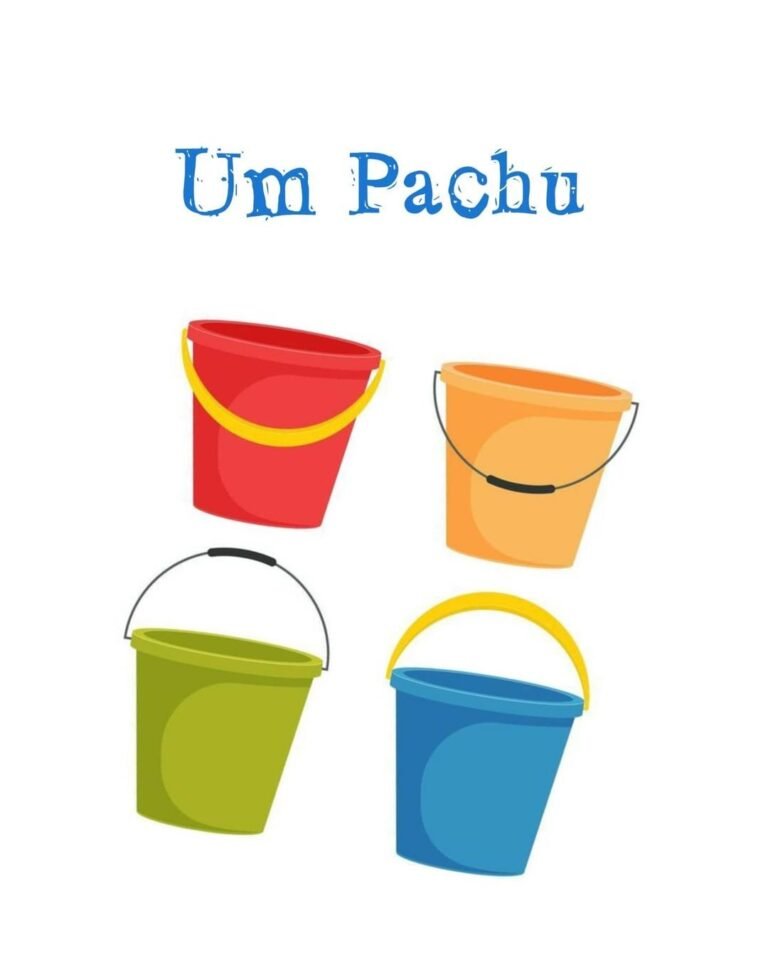
    Ka "Um Pachu" ka dei ka ktien Pnar kaba mut ka um khriat kaba la mang lypa tang kat ban pynsyaid ïa ka um khluit haba sum.

    "Um pachu" is a Phar phrase which describes the cold water which is used for mixing with hot water for a bath. This phrase is unique because it describes the use and functionality of a particular kind of water.

    Ka "um pachu" is just one example of many Pnar as well as Khasi phrases which describe the utility of water. 🌀🌀 Please give us a Pnar sentence with the words "um pachu" or "pachu" in it! 😀

    🟡 English translation by @speakyourroots

  • Ka ktien kaba tam

    "Ka ktien kaba tam" ka dei ka jingong kaba ngi ju ïohsngew na ka por sha ka por. Ngi lah ban batai ba kane ka thew ïa ka jingshai, ka jingkordor, ka jingbha, ka jingdonburom bad ka jingshongkhia jong ka rukom kren jong no jong no. Kine ki kyntien namar ki long kiba la mih na ka jingbha ki kham kordor ban ïa kano kano ka jingai ne ka kam.

    Namar ba ki Khasi ki kheiñ kynsai ïa ka ktien, ka ktien kaba kren ka long kaba donkam bha. Ym lah ban don ka jjngbymsuidñiew ne jingkhlemakor haba kren ïa kaei kaei. Kawei pa kawei ka kyntien ka dei ban long kaba shongsbai bad shongnia da ka jingmut bad ka jingshisha.

    Ha kawei pat ka liang, ka ktien ruh ka donkam ïa ka jingsngewthuh. Lada u nongsngap um sngewthuh ïa u nongkren kata ka long ka jinglehnohei. Ka bor jong ka ktien kan neh tang lada u nongsngap u pyrkhat bad sngewthuh ïa ka. Ha kane ka rukom u nongsngap u ban sa long u nongkren ïa ki pateng ki ban nang wan, u bat ïa ka bynta kaba kyrpang.

    "Ka ktien kaba tam" is a phrase that refers to the clarity, value, goodness, honour and dignity in the way a person speaks. Because of the quality of these words they are held to be more valuable than any gift or deed.

    As Khasis hold the spoken word in high esteem, anything that is spoken is deemed as important. There should be no carelessness or indifference when speaking to others. Each word is worth its weight in gold, possessing a depth of meaning and truth.

    On the other hand, the spoken word requires understanding. If the listener does not understand the speaker then it is useless. The power of the spoken word will endure if the listener thinks about and understands what is being said. In this way, the listener who will be a speaker to future generations, also plays an important role.

    Here is an attempt to explain the Khasi phrase "Ka ktien kaba tam" 🗣️🗣️Sometimes words are stronger than any action or gesture and this is why Khasis emphasise on the intrinsic value of the spoken word. 🌈💫

    Please feel free to add more in the comments!

    🟡 Khasi and English explication by @speakyourroots

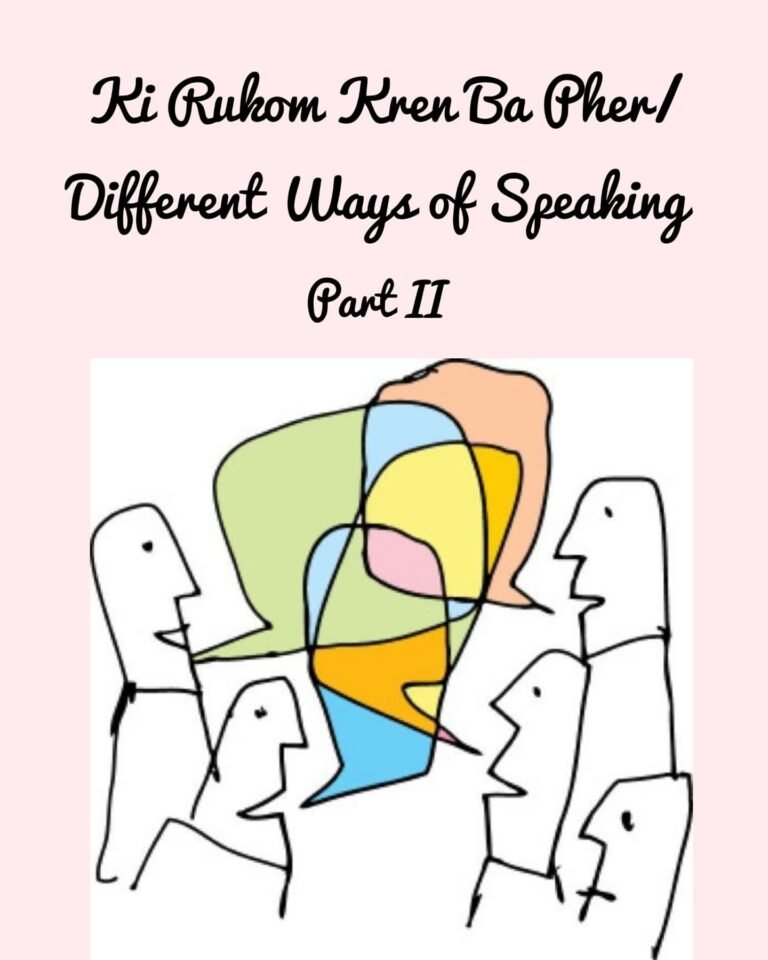
  • Ki Rukom Kren Ba Pher/Different Ways of Speaking, Part II

    "Kren padan" ka dei kaba kren pakhang ktien ba kiwei kin ym ïoh kren/ to speak in a way that obstructs others from getting a chance to speak.

    "Kren 'nam ksiar 'tien ksiar" ka dei haba kren ïa ka jingbha ban da ïa ka hok ka burom ha ka pyrthei/ to speak for the good of others or about goodness, for the protection of rights, dignity and honour in the world (or in human life).

    "Kren Ikhit" ka dei kaba kren kumba ïathuh bniah ïa ki skid ne sker ki bym larkam/ to speak or relay in detail about all sorts and kinds of things but in a useless way.

    "Kren saidlah" ka dei kaba kren said ban pynïeng la ka nia ne dáw wat la lah shah pyndem ha ka jingïatainia/ to speak in order to support one's argument or reason even though the argument or reason has been weakened or criticised in a debate.

    Sa shi hud ki rukom kren ha ka Khasi 😀🗣️

    This is Part Il of the different ways of speaking in Khasi. May the words we speak empower us and those who listen to us! 💫💫

    🟡 English translation by @speakyourroots