Tag: khasiphrases

  • Leh Piat

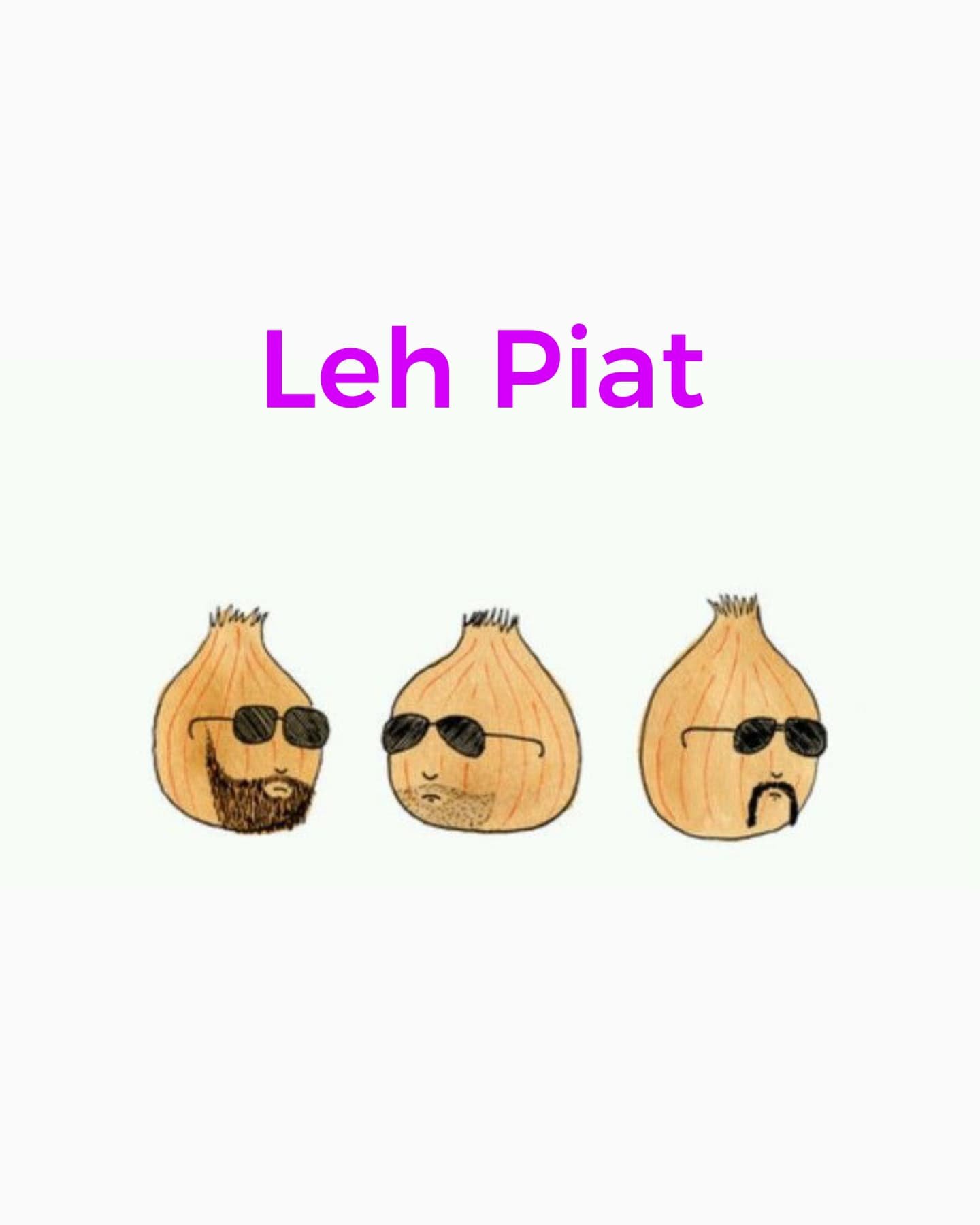
    The Khasi colloquialism/ phrase "leh piat" or sometimes "ba piat bha" is used to describe a person who may be seen as a jack of all trades. He or she seems to be seen everywhere, meeting and conversing with people. Thus, the phrase is a way of describing the popularity of a person.

    An onion is one of the most important ingredients in Khasi recipes. Therefore the metaphor of an onion implies that a "piat" person is usually popular and is invited to (or attends) functions and events.

    The persons who are described as being "piat" or "leh piat" may also be extroverts, they are talkative, outspoken or opinionated, having a large circle of acquaintances.

    According to Ka Dienshonhi: The Khasi Encyclopaedic Dictionary the word "piat" can also be used as an adverb which means: Da kaba mut skhem ne ka jingkut jingmut shaphang kaei kaei, kum "nga shong piat ban pule, ban bam, ban trei bad kiwei-kiwei".

    This means that the word "piat" can be used to descibe the firm determination (or decision) of a person to do anything.

    The phrases "Leh Piat" or "Ba Piat Bha" are amusing, sarcastic and definitely interesting 😄😂 Whoever coined this phrase is a master of wit! 🌰🌰

    Khublei Shibun @_.natalie_kharkongor._ ba phi phah ïa kane! 🙏🙏😀

    🟡 Expanded by @speakyourroots
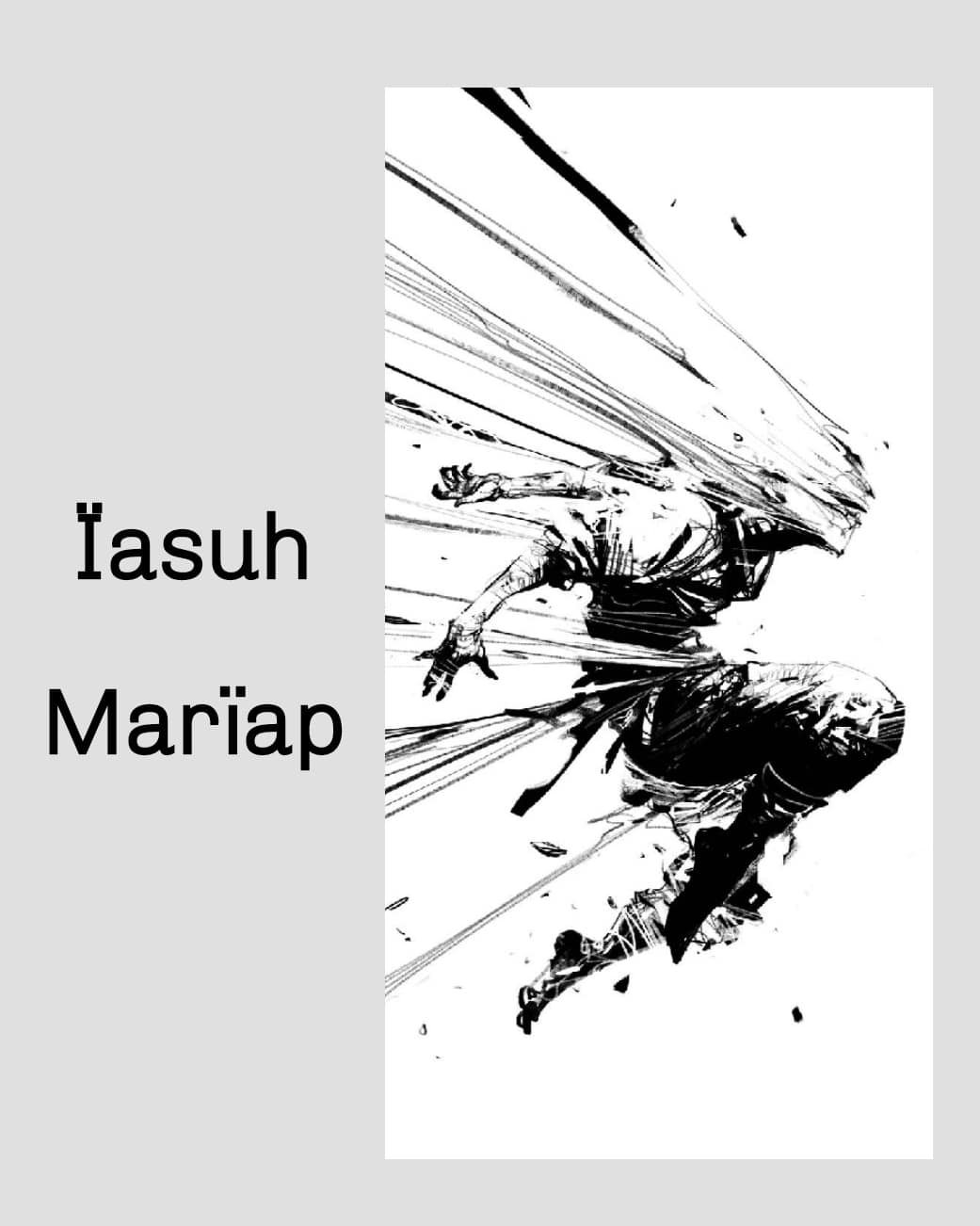
  • Ïasuh Marïap

    Ka jingong "Ïasuh marïap" ka mut kaba rai kut ïa la ka jingim da kaba pynmih lut ïa la ka bor ha kano kano ka thong ne jingpyrshang khatduh artat.

    Shuh shuh, lah ban batai ba ka dei ka jingïaleh kheiñduh ïalade bad kata ka jingïaleh ka dei kaba khatduh ïawai artat.

    The phrase "Ïasuh marïap" refers to an irreversible decision that is taken with regards to oneself, where there is an absolute and complete expending of power or energy in any competition, challenge or endeavour.

    This competition, challenge or endeavour may be the last or final one in the life of this particular individual. The phrase "do or die" may partially describe this situation.

    The Khasi phrase "Ïasuh Marïap" reflects the grit and determination that we need in our lives. ⚡⚡⚡

    🟡 English translation by @speakyourroots

  • Ka Spah Pyrthei da i Labianglang Diengdoh

    "Ka Spah Pyrthei kam long ei ei
    Haba Spah Mynsiem naphi kam shlei."

    "Worldly wealth amounts to nothing at all

    when the wealth of the heart does not flow."

    – Labianglang Diengdoh

    Khublei Shibun @the_lost_soul_dreamer for more words of wisdom 😄🌈

    English translation by @speakyourroots

  • Thoh shun ki blei

    "Thoh shun ki blei" ka dei ka shun ba la thoh da ki blei. Kane ka jingong kaba sngewtynnad ka thew ïa kito ki briew kiba don ïa ka bok ka nusib ban long 'riewkhraw, 'riewspah ne riewpawnam.

    Ïa ka jingthoh shun ngi lah ban shim kum ka jingpruid lynti lypa ïa ka jingim jong u ne ka briew bad ka jingshem bha shem miat jong ki kaba la mang da ki blei.

    The phrase "Thoh shun ki blei" literally means lime paste that has been marked or traced by the gods. This phrase symbolically refers to an individual who possesses the good fortune, of becoming great, wealthy, famous or well-known.

    The marked lime paste is a metaphor for being marked for good fortune in life, which can be interpreted as a predestination of the gods.

    In Khasi culture, lime paste figures prominently as an aid for protection from forces of evil.

    "Thoh shun ki blei" is to be blessed with that extra something that no man can take away!

  • Kren da thew ha la ka khulpi

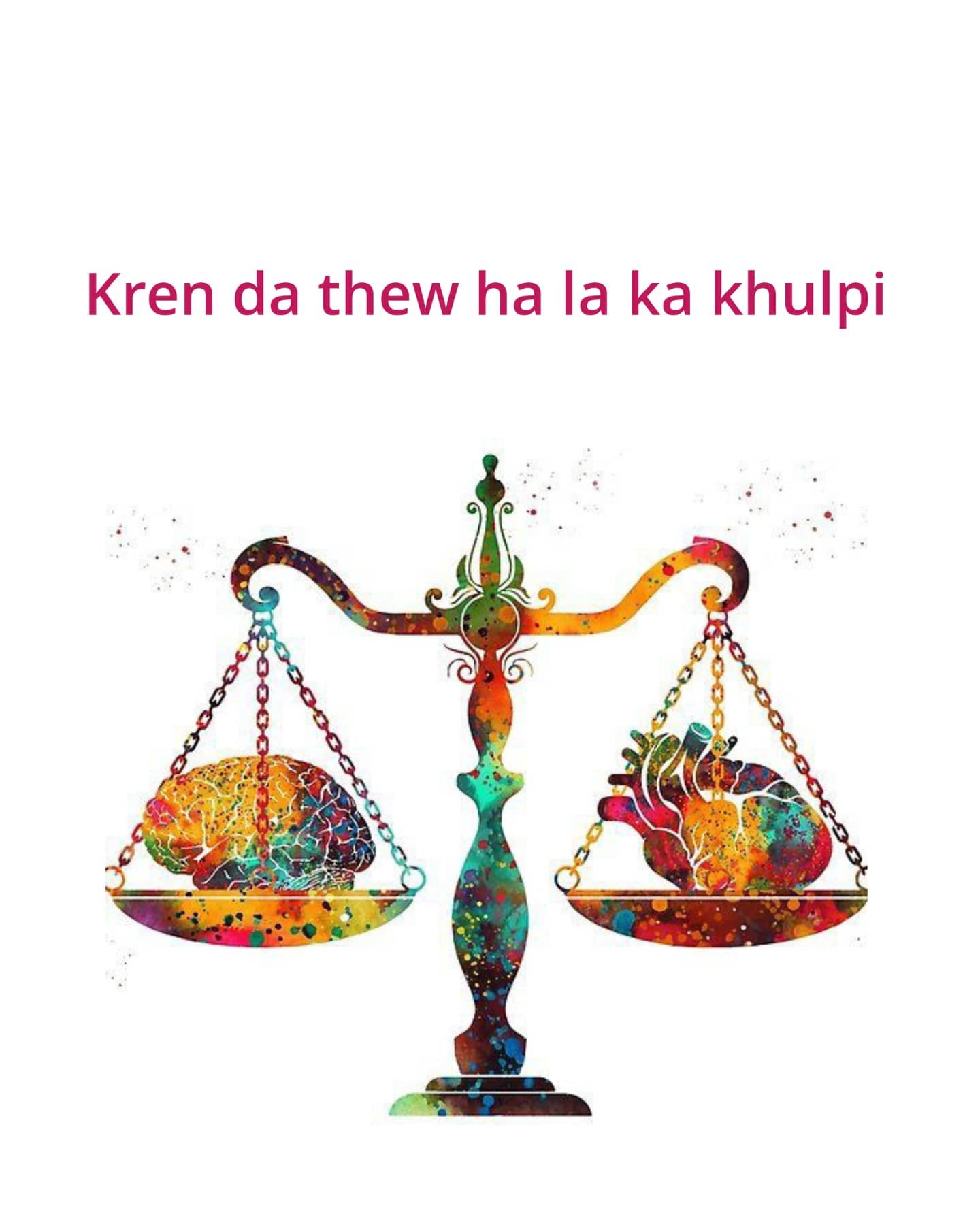
    "Kren da thew ha la ka khulpi" ka mut ban kren da kaba sumar ha khmat ki briew, ne haba duwai ha u Blei, ban antad bad ban thew ïa la ka ktien ha ka tarajur ka mynsiem bad ka dohnud, shuwa ban pynmih ïa ka shabar.

    La nang pynshongkhia shuh shuh ïa kane ka jingong da ka ktien "khulpi" kaba mut ka jingshisha ba la buhrieh bad kaei kaei ka bym lah ban ïohi.

    Namar kata, lada ngi ong "Kren da thew ha la ka khulpi" ka thew ïa ka ktien kaba mih da ka jingsngewthuh bad jingshemphang, kaba la pynphrang ne pynwandur da ka jingshisha kaba don ha ka mynsiem bad ka dohnud.

    The phrase "Kren da thew ha la ka khulpi" means to speak with care and caution in front of people, or when in prayer to God, to assess and measure words in the scales of the soul and heart, before speaking the words.

    Beauty and depth is added to the phrase because of the word "khulpi" which means the truth that is hidden and something that cannot be seen.

    Thus, when we say' "Kren da thew ha la ka khulpi" it refers to the wisdom and insight that is expressed in words, which have been moulded and tempered by the truth that exists in the heart and soul.

    "Kren da thew ha la ka khulpi" is a beautiful phrase which expresses the power of the spoken word. 🧠♥️🗣️

    English translation by @speakyourroots

  • Wang Bam Im and Wang Kushu

    Wang bam im

    Kine ki kyntien ki thew ïa ki briew kiba jemnud than eh haduh ba kiwei pat ki shim kabu ïa ki namar ba kim kheiñ briew shuh ïa ki. Kine ki jait briew ki ïa syriem ïa ka jait wang kaba lada shet ruh long bad lada bam im ruh kam buid satia. Kiwei pat ki wang hap ban da shet shuwa ban bam bad lada bakla shet ruh ki pynbuid ïa ka shyntur baroh kawei.

    This phrase symbolically refers to people who are too gentle and gullible to the point that people take advantage of them and completely disregard them. People with these qualities are likened to a type of "wang" plant called "Wang bam im" which can easily be cooked or eaten raw too, without causing any itching in the throat. In general, "wang" has to be cooked properly so that it does not cause any itching. On the other hand, there are other kinds of "wang" which even after being cooked properly still cause an itchy throat.

    Wang kushu

    Kine ki kyntien ki thew ïa ki briew ki bym ju hun, kiba thut biej wat ïa i daw barit eh ruh. Kine ki jait briew ki ïa syriem ïa ka jait wang khlaw kaba buid hi lada shet makna katno katno ruh.

    This phrase symbolically refers to people who are never content or satisfied; who become irritated or annoyed with the slightest reason. People with these qualities are likened to a wild variety of the "wang" plant called "wang kushu" which causes an itch in the throat even if it is cooked well. Thus, just like the plant, no matter how much anyone does, what they do is not going to be enough.

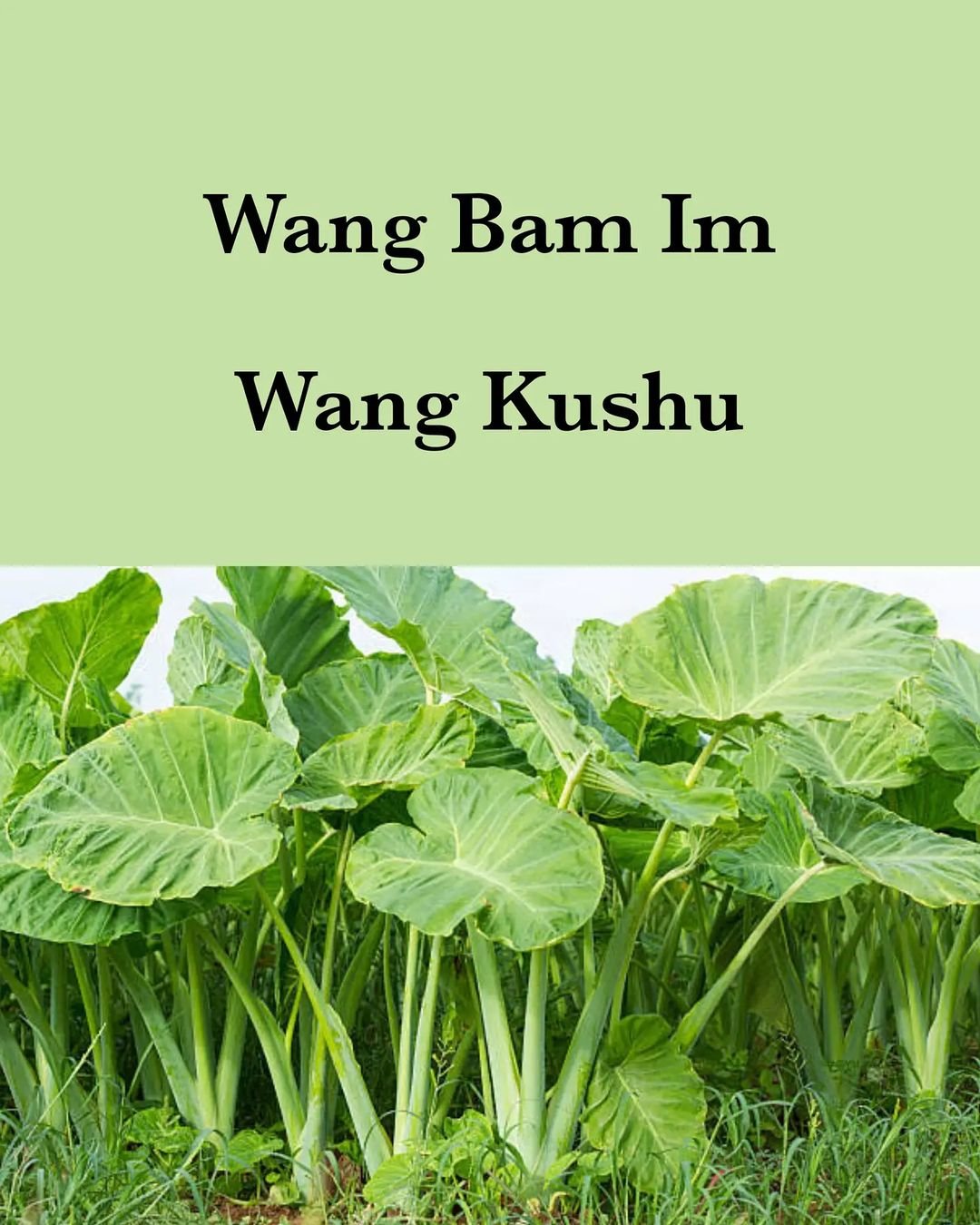
    From what we have read, "Ka Wang" may be categorised as Taro stems which are the young leaf stalks of the Taro plant. The Taro stems in the pictures are similar to what we call in Khasi as "ka wangpanai". The plant known for its starchy tuber has much to offer in its edible shoots, stems and leaves. The stems are typically from the young, new-growth leaves. Among the Southeast Asian cultures, the young, as-yet unrolled leaves and stems are cooked in vegetable dishes or soups.

    Taro stems are fibrous, so they are peeled prior to cooking. The tough outer layer is removed to reveal a more tender stalk within. Just like the leaves and corms, the stems contain an irritant called calcium oxalate, which can cause itchiness and swelling in the mouth and throat. Cooking the stems can remove the effect.

    If there any ethno-botanists please tell us more! 🌿🌿

  • Ym lap lieng and Kylla lieng

    Kylla lieng

    Ka jingong "kylla lieng" ka thew ïa ka jingwan shoh tyndep ka pyrthei nemsniew ban pynduk pynshitom ïa u ba don ba em. Ka dei ruh ka jingkylla khongpong ka jingim na ka im suk im saiñ sha ka kordit tam. Shuh shuh, kine ki kyntien ki batai ïa ka jingshah lynshop ha ka jingsniew bok, ba wan ban ka jingpang jingshitom haduh ba u briew um lah bteng shuh ïa ka kam ba u la pyrshang.

    The Khasi phrase "kylla lieng" is the harrowing arrival of famine or an epidemic causing suffering and poverty for even those who are well-to-do. The phrase also refers to the reversal or the turning upside down of an easy life to calamity and ruin. Further, the words also mean to be wracked by bad luck, that is caused by illness to the point that a person cannot continue with his work.

    Ym lap lieng

    Ka jingong "ym lap lieng" ka batai ïa ka jingkyrkieh kum bym don por ne lap briew shuh. Ka kren ruh ïa ka jingsheptieng ba ïoh shah iehnoh bym lap kem shuh ïa ka lieng.

    The Khasi phrase "ym lap lieng" is to be in so much haste that we are out of time or we cannot find the people we need to meet. The phrase also talks about the fear that one experiences in case they don't arrive on time to reach the boat.

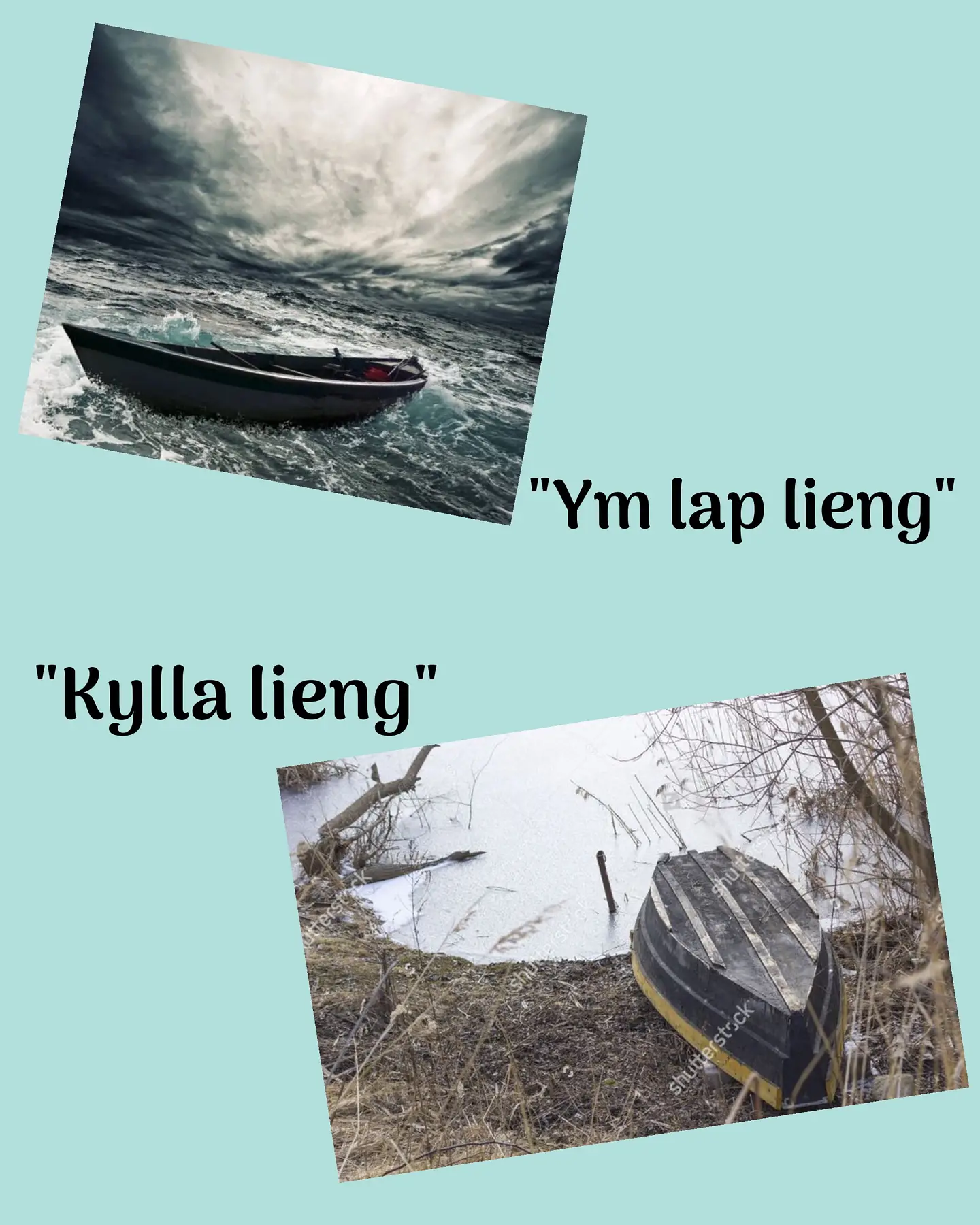
    "Ym lap lieng" and "Kylla lieng" are two Khasi idioms using a boat as the metaphor ⛵🚤🛥️

    🟡 Sources: Rev. Dr. Ïarington Kharkongor and by Primrose G. Gatphoh.

    English translation by @speakyourroots

  • Biah Phongrai

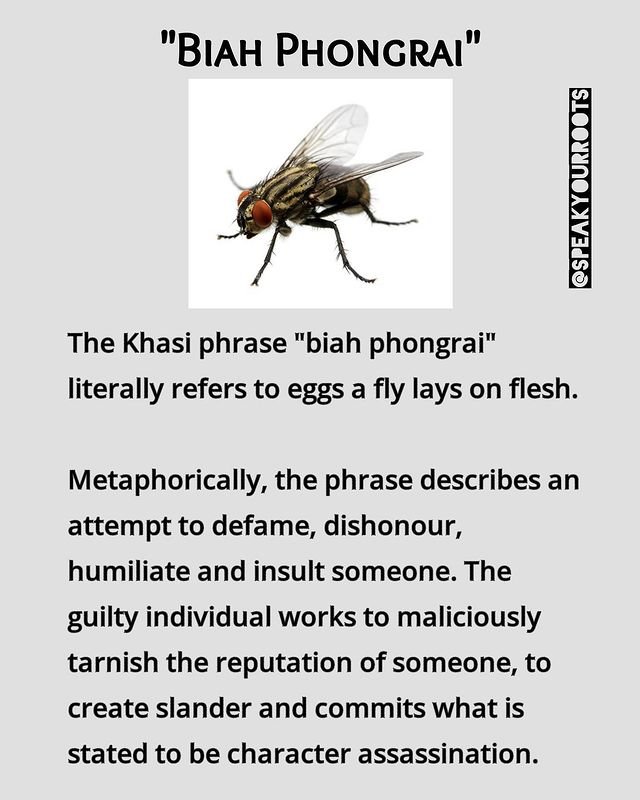
    Ka "Biah Phongrai" ka dei ka pylleng ba kha u skaiñ ha ka kynja doh.

    The Khasi phrase "Biah Phongrai" literally refers to eggs a fly lays on flesh.

    Ka jingong "Biah Phongrai" ka dei ka jingpynbud nam sniew, jingpynjah burom bad ka jingleh ñiewbeiñ ïa uno uno u briew da u riewpoh, da kaba pyndonkam da ki ktien khlem akor bad ki ktien lamler.

    Metaphorically, the phrase describes an attempt to defame, dishonour, humiliate and insult someone. The guilty individual works to maliciously tarnish the reputation of someone, to create slander and commits what is stated to be character assassination.

    "Biah Phongrai" is a Khasi phrase which means to taint someone's reputation with malicious slander. Thank you @pyndap_r for bringing this up. 😊😊

  • Ñiangkongwieng khlem snier

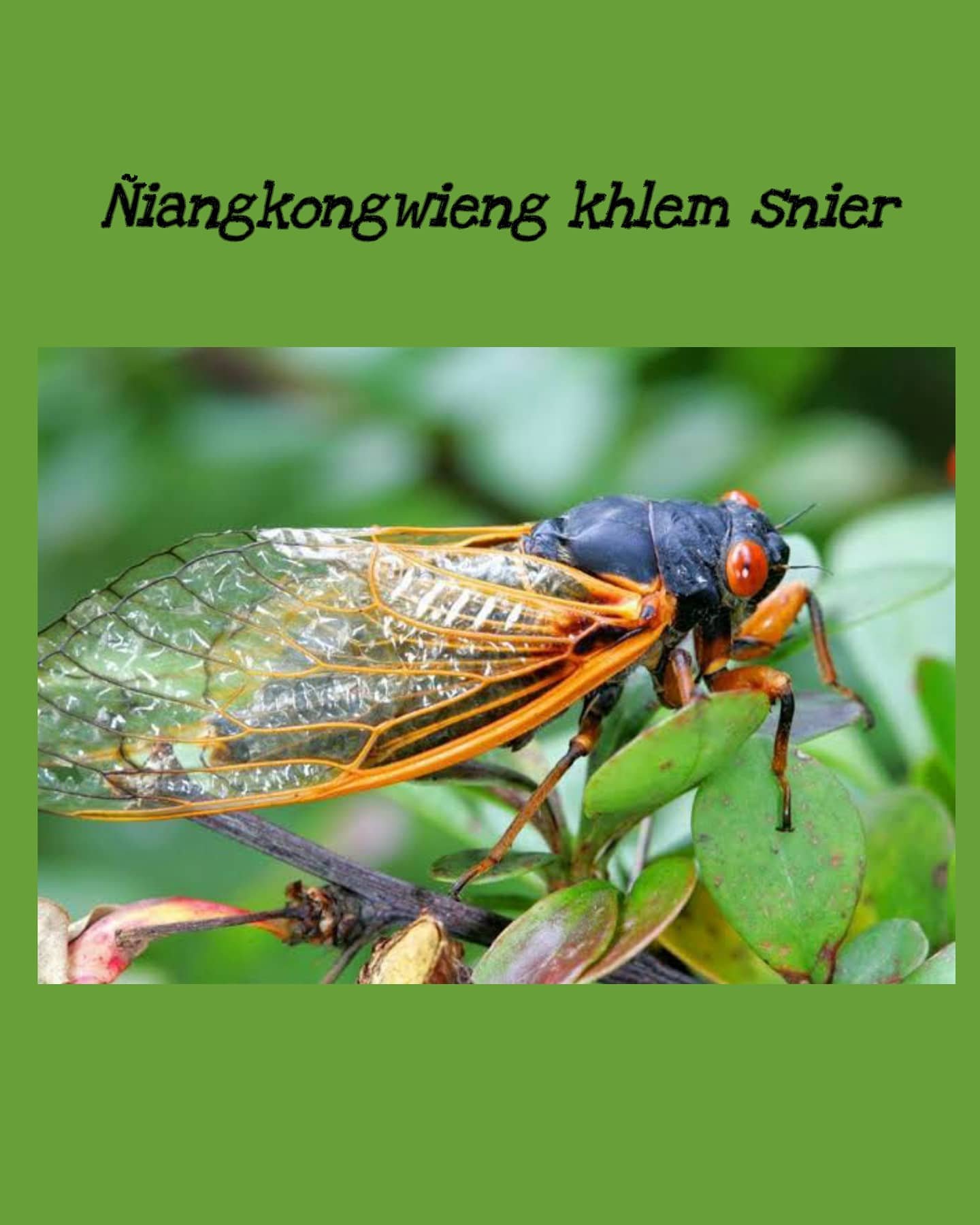
    Ka jingong Khasi "ñiangkongwieng khlem snier" ka ring jingmut na ka jingpah kaba mih na ka kpoh jong ka ñiangkongwieng kaba dap da ka lyer, hynrei kaba lah ban pah baroh shi sngi. Kane ka jingong ka thew ïa u briew uba heh tang ka tyngam bad ka khlem kam; u briew uba put ronsing ïalade tangba ubym larkam eiei ruh.

    In Khasi "Ñiangkongwieng" is the cicada and "Snier" are the intestines. The phrase above describes the cicada's body, in particular the abdomen because they breathe through "Spiracles" which are small holes in the abdomen. These spiracles are responsible for the sound of the cicada.

    This Khasi phrase focuses on the loud sound emanating from the porous abdomen of the cicada, to describe a person who is a big talker but never accomplishes anything. He likes to blow his own trumpet but in reality, he is useless and has no substance.

    "Ñiangkongwieng khlem snier" is a Khasi phrase which describes a big talker, whose arrogance is as loud as his voice when he talks of himself. 🗣️🗣️

  • Bam Hati, Kit Kulai

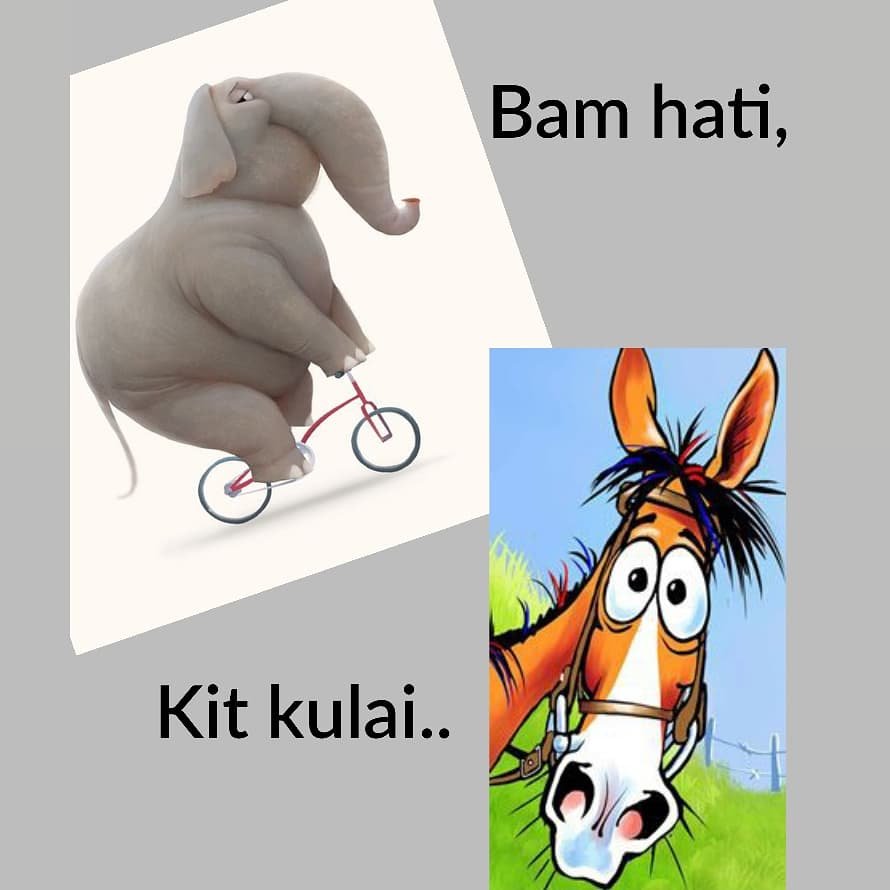
    Ka jingong "Bam hati, kit kulai" ka kren shaphang u briew uba pynlut ïa ka pisa palat ïa ka jingkamai kajih jong u. Ka rukom im ka long kaba im pahuh, khlem pyrwa ïa ka jingduna ka pisa tang ban ïoh pynhun ïa ka jingkwah bad jingtynneng ka bym donkam ha ka jingshisha.

    The Khasi phrase "Bam hati, kit kulai" describes a person who lives off more than he earns or someone who spends more than he can afford. The phrase is "Bam hati, kit kulai" and is translated as "Eat like an elephant, slog like a horse". So one literally eats more than he can buy, with the burden of not having the means to continue living in the same lavish lifestyle.

    When you don't bother about the budget and go overboard spending it all 😅😅 "Bam hati, kit kulai" 🐘🐎🐘🐎 sent by @reuben_lamiaki_kynta Thank you for this entry!

    Khasi and English explication by @speakyourroots