Tag: speakyourrootschallenge

  • U Bnai Lber by Careen J. Langstieh

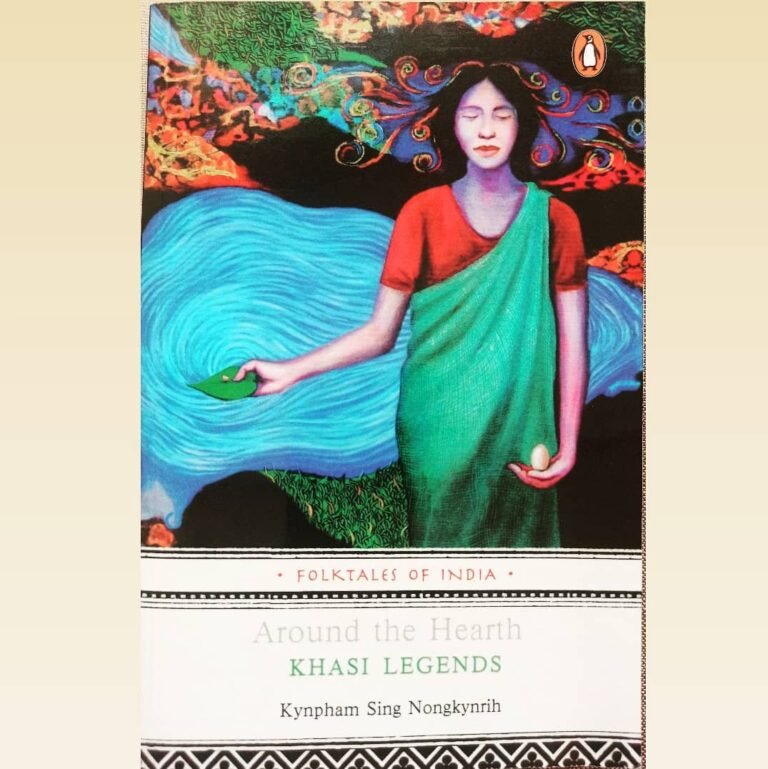
    "U Bnai Lber'" (The month of March) by artist Careen Joplin Langstieh presents the visages of three Khasi women, who are at different points in their lives as daughters, wives and mothers. Poised above "mawbynna" as if forming a bedrock of support for them as bearers of precious heritage, their thoughts, emotions and experiences join and entwine as veins of smoke, leaves and blood which return back to "mawbynna and meiramew".

    @careenjoplinlangstieh says:

    " 'U Bnai Lber' was executed in early March 2022 at Dimapur. Three women portraits in a dreamy state, reminiscing of home, huddled together, sharing one's own position and endless conversations about how life affects their work. Identity, responsibility and the resolve to establish their own mark no matter where life's journey takes them."

    Khublei Shibun @careenjoplinlangstieh for generously allowing the page to post another one of your paintings! 🙏🙏😄😄

  • Ngai-ly-ngai

    "Ngai-ly-ngai" ka dei ka adverb kaba mut kum haba hap arsut najrong, kum haba ong "ka wah ka tuid ngai-ly-ngai na u lum".

    Bunsien haba ngi pyndonkam ïa ki ktien "ngai-ly-ngai" ka dei ban thew ïa kane ka jingsngew ne ka jingïohi kumba noh arsut najrong.

    Shuh shuh, ngi pyndonkam ïa ki ktien "ngai-ly-ngai" ban pynpaw ïa ka jingbun jong kiei kiei, kum haba ong "ki syntiew ki phuh ngai-ly-ngai ha ranab lum".

    The adverb "ngai-ly-ngai" is used to mean to fall from a height. To use it in an English sentence: "a river flows ngai-ly-ngai from a hill"

    Often when we use "ngai-ly-ngai" to describe the feeling, sensation or the sight of falling or descending downwards from a height.

    Further, "ngai-ly-ngai" is also used to denote the multitudinous number of something, as in a mass of flowers blooming on the side of a hill.

    Ki don ki ktien kiba ngi ju pyndonkam man la ka por bad ngi sngew kumba ngi tip ïa ka jingmut jong ki. Tangba da lah dei ban batai ïa ka jingmut jong ki ngi lap ba ka pher na kaba ngi ju pyrkhat. "Ngai-ly-ngai" ka dei kawei na kine ki ktien 😄

    Khublei Shibun @bah_komiks ba phi la pynkynmaw ïa kine ki ktien 🙏🙏

    There are words which we use all the time and we think we know their meaning but when it comes to giving a proper definition of them, we find that their meaning is very different from what we had thought. "Ngai-ly-ngai" is one such example 😄

    🟡 English translation by @speakyourroots

  • Ka Parinam

    "Ka Parinám" ka dei ka jingïathuhkhana ba donnam shaphang ki kam shlur.

    "Ka Parinám" is a story about the fame and glory garnered from deeds of bravery and courage.

    We have many stories of brave men and women in our communities that make up our history. It is important that we document them in different ways which will engage the young and old alike! 🌻⛰️🏞️🌲

  • Haba leit khawai

    Da lah sah shabar ri lei lei, wow ka jingphohsniew ïa ki syrwa dohsñiang bad tyrso, tungrymbai, doh masi kylla… 😋😋🤤🤤 Da dei lei da ki jingtah Pnar ne Bhoi ruh jingbang 😄😄

    Mynta ban khawai bad ban shet da ka bam Khasi donkam da ki nongshet kiba lah shemphang bha ban shet ki jingbam la jong 😃

  • Ki mawsiang bymman

    Kane ka dei ka jingjia kaba shisha kaba jia la kham mynshuwa ïa i Mei jong ngi haba i dang leit skul. Ka dang dei ruh ka por haba ki nonghikai ki hikai beit da ka ktien Khasi ha skul. Ka pher ka rukom kren bad ka rukom shah mai de ha kito ki sngi.

    La don ki khynnah kiba shong shadien ha ka klas bad ki bunktien bunnia bha haduh ba ita i nonghikai i lah sngew wit. Ha ka jingdom i la ong kumne: "Kitei kiba shong shadien! Ki mawsiang bymman, phi leh aïu!?"

    Tharai ngi sngew khor haba ïohsngew nyngkong tangba ka dei kaba sngew biria ruh ka rukom mai. Ka ktien "mawsiang" ruh ka ïa hap bha namar ka thew ïa ka jinglong tlew tlew bym suidñiew jong kita ki khynnah.

    Ka rukom mai ka dei kawei hi ka sap ha kaba da ngi nang ban pynshong bha ki kyntien, kata ka jingsneng jingkraw jong ngi kan ktah bad neh ha ka jingmut jingpyrkhat jong ki khynnah, bad wanrah ïa ka jingbha.

    This is a real event which happened to my mother when she was in school. It was a time when teachers still taught in the Khasi language. They way Khasi was spoken and expressed was different back then, which is apparent in the way they scolded their students.

    There were a group of talkative students who sat at the back of the class. One day when the teacher became angry with them, she said: "Those sitting at the back! Those sullen wicked boulders, what are you doing?!"

    It might sound harsh when we hear it for the first time but it is also a funny and sarcastic way of scolding someone. The word "mawsiang" or boulder suits the situation well and is a humorous metaphor because of the indifference and uncaring attitude of the students.

    These are stories we hear from our parents or grandparents that we will never get to experience in our schools 😅😂😂

    🟡 English translation by @speakyourroots

  • Kurwan!

    Ka ktien "kur" toh hawa khut næ pah ïa yi ïa yi, khamtaam hawa khut syiar, kam wa jooh ong i "kur kur". Ka ktien "wan" mut wada lai tæ wan biang. Ka ktien "kurwan" man kam wa khut biang ïa iwon iwon i iwa da laai yo'u man biang i jooh i rakom man kamwa dang dæp. Da'i wa ong kurwan man kam wa pynstiñ ya i man i long wa khia ha i tu por wa dang dap jia won iwon hawa khyrngiat næ phylla.

    Ka ktien "kur" ka dei kaba khot ne wer, kum haba khot syiar ngi ong "kur kur". Hangne ka ktien "wan" ka thew ïa kaei kaei kaba leit tangba kaba la wan biang. Ka ktien "Kurwan" ka long kum ban khot biang ïa ka jinglong jingman kaba la dep, ban oh ïa ka jinglong jai jai. Da kaba ong kurwan ka pynsting ïa ka jingkhia jong kano kano ka jingjia kaba dang jia shen shen haba kyndit ne phylla.

    The word "kur" is used when we call out to something, like when we call out to chicken we say "kur kur". In the context of "kurwan" the word "wan" refers to something that has gone but has come back again. The Pnar word "Kurwan" is used in order to recall or retrieve a moment which has gone, so that one feels calm and tranquil again. When the word "kurwan" is used, it is meant to lighten the effect of something that has happened, which caused shock or wonder.

    Ka ktien "kurwan" ka dei ka ktien kaba don ha ka ïa ka jingmut kaba pher bad la pyndonkam ïa ka ban thew ïa ka jingsngew kaba kyrpang. Ka pher na ka jingmut jong "kyndit" (Khasi) bad "khyrngiat" (Pnar). 😯😨😲😮

    The word "kurwan" has a specific meaning and usage. Its meaning is different from the Khasi word "kyndit" and the Pnar word "khyrngiat". 😦😧😱😯

    Khublei Shibun Anvil R. Laloo for sending this!

  • Early to bed, early to rise, makes a man healthy, wealthy and wise

    "Early to bed, early to rise, makes a man healthy, wealthy and wise."

    Let's try to translate this into Khasi!

    To ngin pyrshang ban pynkylla ïa kane sha ka ktien Khasi!

    TRANSLATION 1

    Thiah dang kloi

    bad khie dangstep,

    ba phin khiah krat.

    ban kamai hok.

    bad ban stad.

    TRANSLATION 2

    Thiah dang kloi

    bad khie dangstep,

    ba phin khiah krat,

    ban roi ka kamai,

    bad ban stad.

    Kane ka dei ka jingpyrshang ban pynkylla sha ka Khasi ïa ki nursery rhymes ba dei da ka phareng. Kan bha shikatdei lada ngi lah ban pynwan ïa ki sha ka rukom pyrkhat, rukom im jong ngi ki Khasi. 😄😄

  • Ki nongjop jong ka International Mother Language Day Quiz

    Ngi ai khublei bad kitbok kitrwiang ïa ki nongjop jong ka International Mother Language Day Quiz! 😄🙏🥳🥳

    Ki la bun bha kiba phah ïa ki jubab bad ngi sngew kmen ïa ka jingshitrhem jong phi ban pynneh bad pynkiew ïa ka ktien la jong!

    Khublei Shikhohtyndaw ïa ka jingshimbynta jong phi! 🙏🌄

    Ïa ka ban shim ïa ka prais yn sa pyntip ïa ki nongjop da ka DM.

  • Traditional Khasi attire

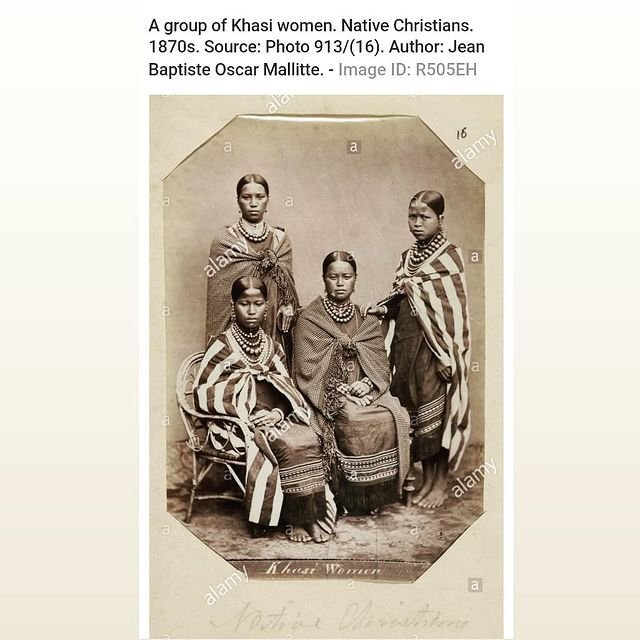
    Kat ki jaiñsem, dhara bad muka Khasi ym don shuh ha pyrthei! ❤️❤️ Ngi nym lap ba ka rukom sem jong ngi ka syriem ïa kiwei kiwei ki jaitbynriew 😃😍 Ka riam Khasi ka long kynsai bad kaba i shongkhia shisha!

    We will not find anything like the Khasi jaiñsem, dhara and muka in the world! 😍😍 The way it is worn and draped around a woman's body is completely unique ❤️❤️ The traditional Khasi attire is something beautiful and grand!

  • Interview with Father Barnes Mawrie, International Mother Language Day

    Kane ka dei ka interview kaba pura jong i Phadar Barnes Mawrie ha ka jingrakhe International Mother Language Day kaba dei ha ka 21 tarik u Rymphang 2022. 🗣️

    This is the complete interview of Father Barnes Mawrie on International Mother Language Day which was on the 21st of February 2022. 🗣️