Tag: speakyourrootschallenge

  • “Tyrkhang Iwbih” da Victor G. Bareh

    Sha 'tiewmatïong la nga peit

    Ha khet ki diengbah ba'm kot kheit;

    Jingpynhiar mynsiem thiang ba'n iw

    H'u tyrkhang nga dem khohsiew.

    Ha thaiñ ba ki lyer pyngngad

    Ki dang suh sieng khlem blad,

    Lem bad tyrkhang jong ki lum bad ki wah,

    Junom ban im ngam ngiah.

    Ko tyrkhang ba pynkrih

    Ïa ki lyer jingiwbih

    Ha ri ba puri blei ki ieit,

    Ba me suh ki thied hapdeng shrah 'dew-kulong,

    Pansngiat ïa me ngan pynphong.

    Rongphong pyrthei kim larkam

    Ïa me ba ngan pynspong ka nam;

    Jynhaw jinglong jingim ba thiang

    Ba me pynsieng, ka la biang.

    Sha dohnud sakma pynpar

    Ïa ki sur jingphawar,

    Ba khun ka ri b'la rah soitan sha rngai,

    Sha rympei kin wan phai.

    'Tiew-tynrai jong ka ri,

    Ba dang wan beh ha ngi

    Ïa ki lyer sotti juk hyndai,

    Ï'u klong snam jingieit la ri ïai kynshait,

    Ha lhop pyrthei b'un ym stait.

    Sha ri u bnai bad ka sngi,

    Kum me, ngam don thapniang ba'n jngi;

    Ïa me, ieh wat khang ba ngan bud

    Tang da ki sur ka dohnud.

    Da bor ba'm i ka khmat briew,

    Ïa jingmut to kyntiew,

    Na lyndet lyoh ïa ki sap ba ngan kem,

    Hangne ba eh ba ngan shem.

    'Tiew tyrkhang ba pynher

    Khlem kut shuh ïa ki lyer

    Ba'n pynsieng iwbih ïa ka bneng,

    Ïa longrynieng ban tor jong nga iai pyndap

    Da jingpyrkhat ba'm ïap.

    "Tyrkhang Iwbih" by established Khasi poet Victor G. Bareh is moving because of the affinity and connection that the poet experiences from a sweet smelling fern.

    Mynta ka taïew ngi kynmaw ïa ka lyngkhuh sngi ïap jong u myllung ba radbah ka ri Khasi u Soso Tham ha ka 18 tarik u Nohprah 1940, da kaba ngin post ïa ki poitri ba lah noh synñiang da ki paralok followers jong ngi. ✏️✒️📃

    Ai ba ka jingshem mynsiem, ka jingshemphang bad ka jingieit ri jong u myllung Soso Tham, kan long ruh ka jingïohkynti jong ngi ka ban pynkhlaiñ ïa ngi kum ka jaitbynriew. 🌄🏞️

    This week we commemorate the death anniversary of Khasi Poet Laureate U Soso Tham, on the 18th of December 1940, by posting poetry that has been generously contributed by our dearest followers. 📃✒️✏️

    May the inspiration, conviction, wisdom and love for the Khasi land and people of the poet U Soso Tham be our inheritance that strengthens us as a community. 🏞️🌄

  • “Ka Thong” da Magdalene Laloo

    Na ri ki rngai ka wan pasiaw,

    Ïa mynsiem ka khring ban jop thiaw.

    Jingiwbih ki sang ban sam lyngba,

    Jingsawa ki kshaid ba sngewphylla.

    Ka ud ka kyang ka wan paw shynna

    Da ki khana ha ka por nylla.

    Ka khring ïa ka mynsiem

    Ba ïa ka ban buddien,

    Ïa takma ksiar haba kut ban shem,

    Ban ïeng hi triang da jingkyrmen.

    Da ryntieh jingieid ki khnam jingshlur,

    Ha madan thma shakhmat ban tur.

    La snam ka jaw, jingmong ka sat,

    Jingeh ki tynrah, mynsiem nangjwat,

    Ha kliar u lum Lama ban kaweh,

    Pat ïoh jingjop, khlem pat sangeh.

    Khlem jingrem haba kut ban iohi jingshai,

    Kan wan tyngshaiñ na ri ki rngai.

    Today we have an original Khasi poem entitled"Ka Thong" by @magdalene11_06_01 Khublei Shibun for sending your inspiring poem! 😄🙏 @magdalene11_06_01 is pursuing her Bachelor's degree in Mathematics 🤓👍

    Mynta ka taïew ngin kynmaw ïa ka lyngkhuh sngi ïap jong u myllung ba radbah ka ri Khasi u Soso Tham ha ka 18 tarik u Nohprah 1940, da kaba ngin post ïa ki poitri ba lah noh synniang da ki paralok followers jong ngi. ✏️📃✒️

    Ai ba ka jingshem mynsiem, ka jingshemphang bad ka jingieit ri jong u myllung Soso Tham, kan long ruh ka jingïohkynti jong ngi ka ban pynkhlaiñ ïa ngi kum ka jaitbynriew. 🏞️🌄

    This week we commemorate the death anniversary of Khasi Poet Laureate U Soso Tham, on the 18th of December 1940, by posting poetry that has been generously contributed by our dearest followers. 📃✒️✏️

    May the inspiration, conviction, wisdom and love for the Khasi land and people of the poet U Soso Tham be our inheritance that strengthens us as a community. 🏞️🌄
  • “Naiwieng” by Badondor Diengdoh

    Naiwieng

    Ka jngum thylli U Naiwieng

    nalor suiñbneng

    ka pyrshang ban kjit noh ïa ka

    kyrteng jong phi napoh

    shadem jong nga.

    Ka lah mo ban ban leh kumta-

    lehse ka bishni ne?

    Haba hangne nga lah ngam

    naduh ryndang

    shaduh shiteng sla khyndew,

    ban poi sha kliar slakjat

    ka mynsiem jong phi.

    Teng teng haba nga per

    harud ka um,

    bad par hapoh ki syrngiew maw

    kum ka tyngab ba shah dung

    da u ñiuhkseh, ban leit phai noh

    sha la skum bad ka jingkletnoh;

    bad 'la u ksaiñ ha shyntur-

    nga khie biang pat ryngkat

    bad ki jingkynmaw.

    Sngew tieng haba wat ka um

    ka kjit ïa ki jingmut thwei.

    Sngew par ñiangkhriat

    haba teng teng wat u rnga u

    sah ïong, u sah bthi-

    tangba ka kamra ka syaid

    bad ka rhem tang da ka um.

    Sngew thylli

    ban dei u briew,

    ban dei u mrad,

    ban dei u jingthaw

    uba long kum u maw

    hapoh krem;

    ban shah pruid dak

    hapdeng bad hapoh ka dum-

    wat la tang hapoh san

    ne shiphew kam,

    ka syaid bad ba shai

    ka pynsmiej ia nga.

    Ban klet noh te ka suk,

    lada don ki jingpynbyrngia:

    ka ding ka phalang ïa ka

    lawei kaba khlem urlong;

    ka mat bam duh shi syndon-

    teng teng ka ding ka

    hap ban bam,

    khnang ba kan ïai

    im harud ka um.

    Ban klet noh ruh ka jynjar,

    lada ka jingkynjah jong ka miet

    ka lynñiar lyngba ki khlur

    kiba phi ju kdew bad pyni ïa nga

    ha ki por ba dang dei u briew

    uba dap tang da ka jingkmen suda.

    – Badondor Diengdoh

    Mynta ka taïew ngi kynmaw ïa ka lyngkhuh sngi ïap jong u myllung ba radbah ka ri Khasi u Soso Tham ha ka 18 tarik u Nohprah 1940, da kaba ngin post ïa ki poitri ba lah noh synniang da ki paralok followers jong ngi. ✒️📃✏️

    Ai ba ka jingshem mynsiem, ka jingshemphang bad ka jingieit ri jong u myllung Soso Tham, kan long ruh ka jingïohkynti jong ngi ka ban pynkhlaiñ ïa ngi kum ka jaitbynriew. 🌄🏞️

    This week we commemorate the death anniversary of Khasi Poet Laureate U Soso Tham, on the 18th of December 1940, by posting poetry that has been generously contributed by our dearest followers. ✏️📃✒️

    May the inspiration, conviction, wisdom and love for the Khasi land and people of the poet U Soso Tham be our inheritance that strengthens us as a community. 🌄🏞️

    Today we have an original Khasi poem entitled " 'Naiwieng" by Badondor Diengdoh @a_pocketful_of_plums
    Khublei Shibun for sending your beautiful poem! 😄😄

    @a_pocketful_of_plums says: "A great poem will reel you into its world and capture your imagination…Poetry needs to be read and absorbed. Most poems need to be read many times. A finished poem is always half finished. It only becomes complete with the interpretation of the reader…Ultimately, I hope to write poetry for the individual, for identity and for the community…"

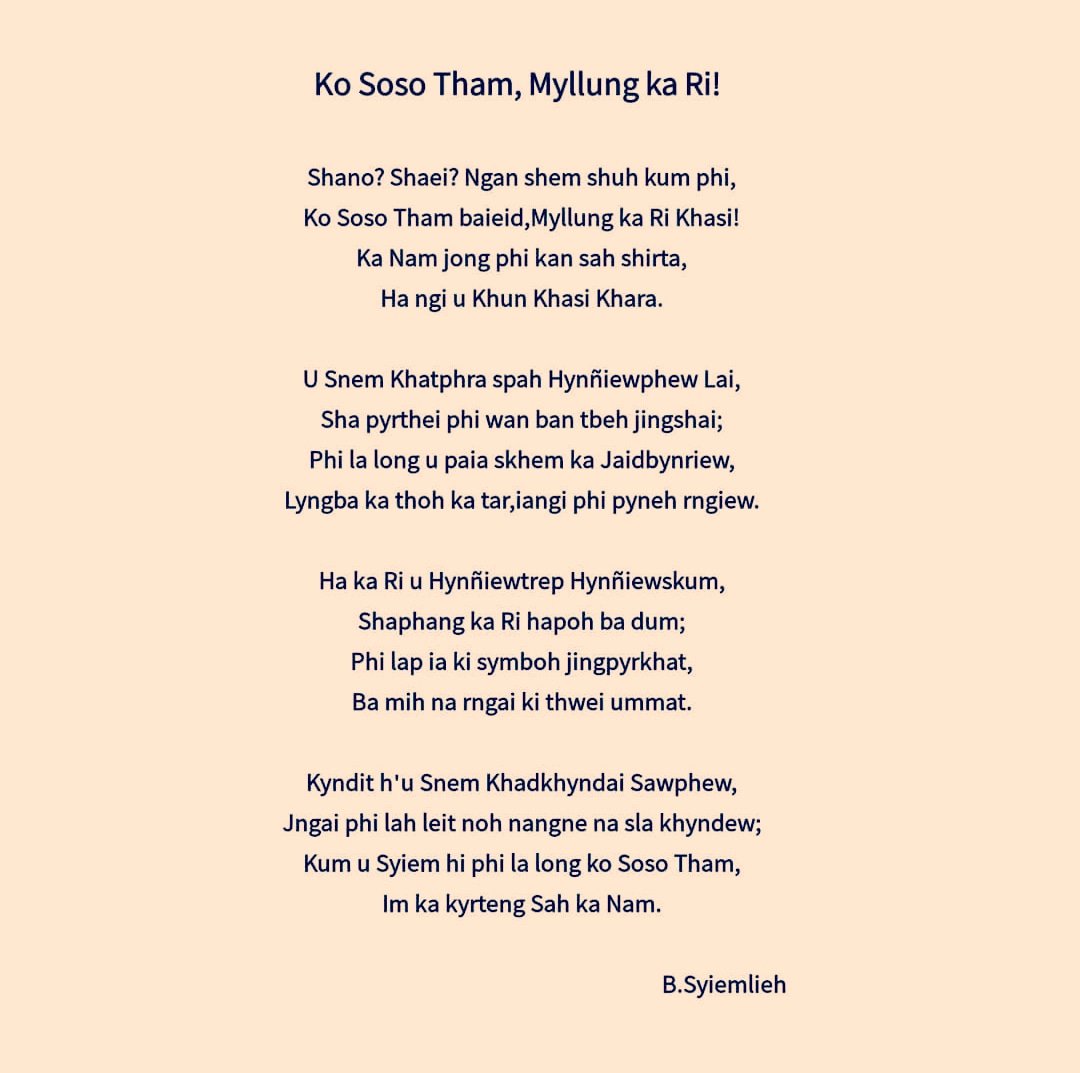
  • Ko Soso Tham, Myllung Ka Ri! da i Bawanshwa Syiemlieh

    Ko Soso Tham, Myllung ka Ri!

    Shano? Shaei? Ngan shem shuh kum phi,

    Ko Soso Tham baieid, Myllung ka Ri Khasi!

    Ka Nam jong phi kan sah shirta,

    ha ngi u Khun Khasi Khara.

    U Snem Khatphra spah Hynñiewphew Lai,

    Sha pyrthei phi wan ban tbeh jingshai;

    Phi la long u païa shlem ka Jaidbynriew

    Lyngba ka thoh ka tar, iangi phi pyneh rngiew.

    Ha ka ri u Hynñiewtrep Hynñiewskum

    Shaphang ka Ri hapoh ba dum;

    Phi lap ïa ki symboh jingpyrkhat,

    Ba mih na rngai ki thwei ummat.

    Kyndit h'u Snem Khadkhyndai Sawphew,

    Jngai phi lah leit noh nangne na sla khyndew;

    kum u Syiem hi phi la long ko Soso Tham,

    Im ka kyrteng sah ka nam.

    – Bawanshwa Syiemlieh

    Mynta ka taïew ngin kynmaw ïa ka lyngkhuh sngi ïap jong u myllung ba radbah ka ri Khasi u Soso Tham ha ka 18 tarik u Nohprah 1940, da kaba ngin post ïa ki poitri ba lah noh synñiang da ki paralok followers jong ngi. ✏️✒️🙏

    Ai ba ka jingshem mynsiem, ka jingshemphang bad ka jingieit ri jong u myllung Soso Tham, kan long ruh ka jingïohkynti jong ngi ka ban pynkhlaiñ ïa ngi kum ka jaitbynriew. 🏞️🌄

    This week we commemorate the death anniversary of Khasi Poet Laureate U Soso Tham, on the 18th of December 1940, by posting poetry that has been generously contributed by our dearest followers. ✒️✏️🙏

    May the inspiration, conviction, wisdom and love for the Khasi land and people of the poet U Soso Tham be our inheritance that strengthens us as a community. 🏞️🌄
    We kick off this week's poetry with an original Khasi poem entitled "Ko Soso Tham, Myllung Ka Ri!" written by @bawanshwa_syiemlieh
    Khublei Shibun for sending this heartfelt poem! 😄😄🙏🙏

    @bawanshwa_syiemlieh says: "Ka jingthrang ka jong nga ka long ban kyrsiew ïa la ki para Khasi ki jong ngi ba kin ieid ïa kaei kaba dei ka jong lajong shuwa."

  • Talking to your Meiieid

    We can all agree that especially in Shillong, because of the urban and cosmopolitan set up, our Khasi is mixed with English to the point that we have a "fruit blend Khasi" that our elders cannot relate to.

    That is why it's good to sit and chat with our grandparents or any relative from the older generation so that we converse in our pure indigenous languages. This way our thought process and worldview also moulds itself to the shape and folds of an indigenous perspective.

  • Ka dur te kum sahep…

    "Ka dur te kum sahep, tangba ngin ïa bam da u sohmynken bep." 🤡🤡

    Today, tomorrow and always we lay claim to and are proud of our indigenous lineage language history culture.
    ✊✊

  • Um Pachu

    Ka "Um Pachu" ka dei ka ktien Pnar kaba mut ka um khriat kaba la mang lypa tang kat ban pynsyaid ïa ka um khluit haba sum.

    "Um pachu" is a Phar phrase which describes the cold water which is used for mixing with hot water for a bath. This phrase is unique because it describes the use and functionality of a particular kind of water.

    Ka "um pachu" is just one example of many Pnar as well as Khasi phrases which describe the utility of water. 🌀🌀 Please give us a Pnar sentence with the words "um pachu" or "pachu" in it! 😀

    🟡 English translation by @speakyourroots

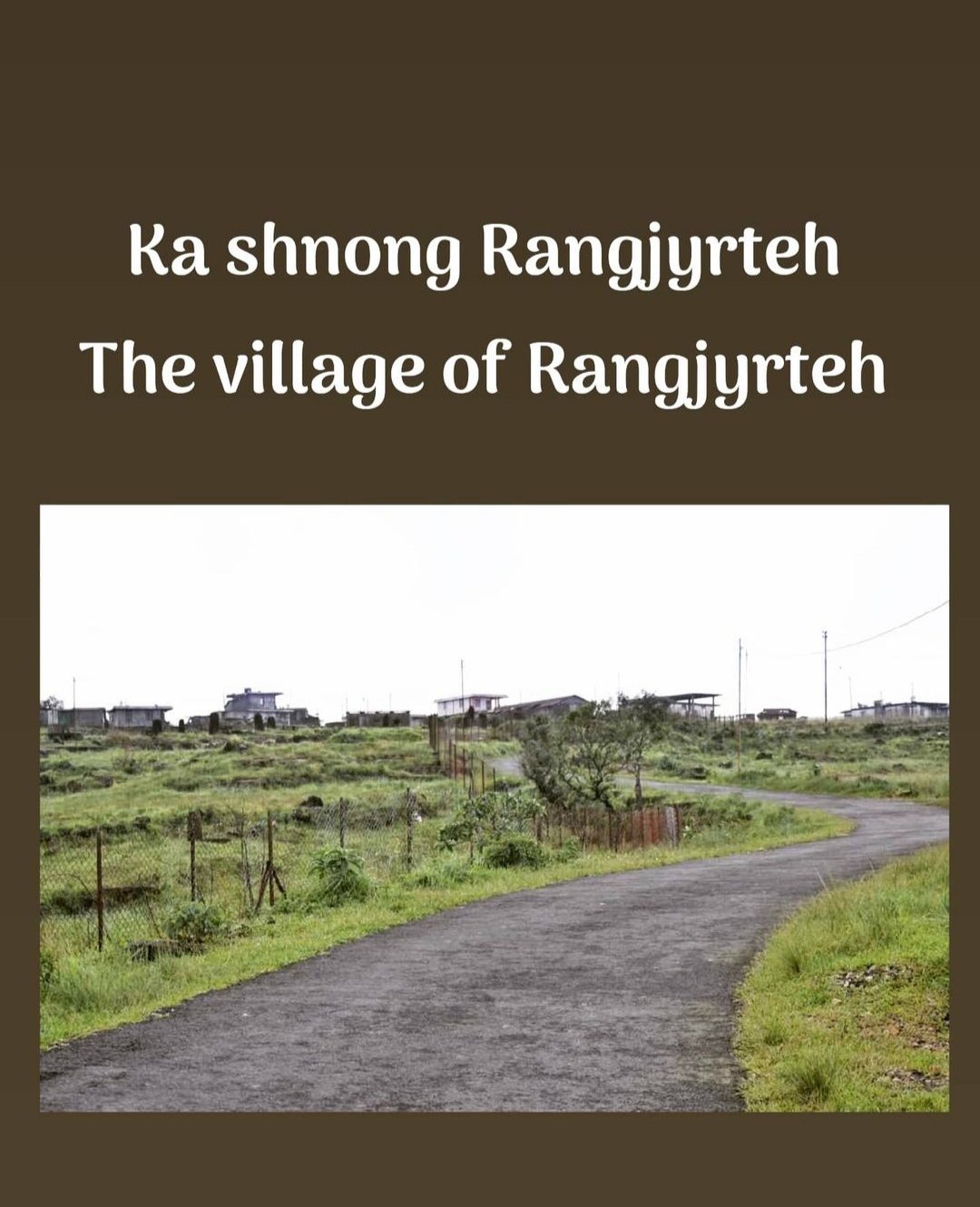
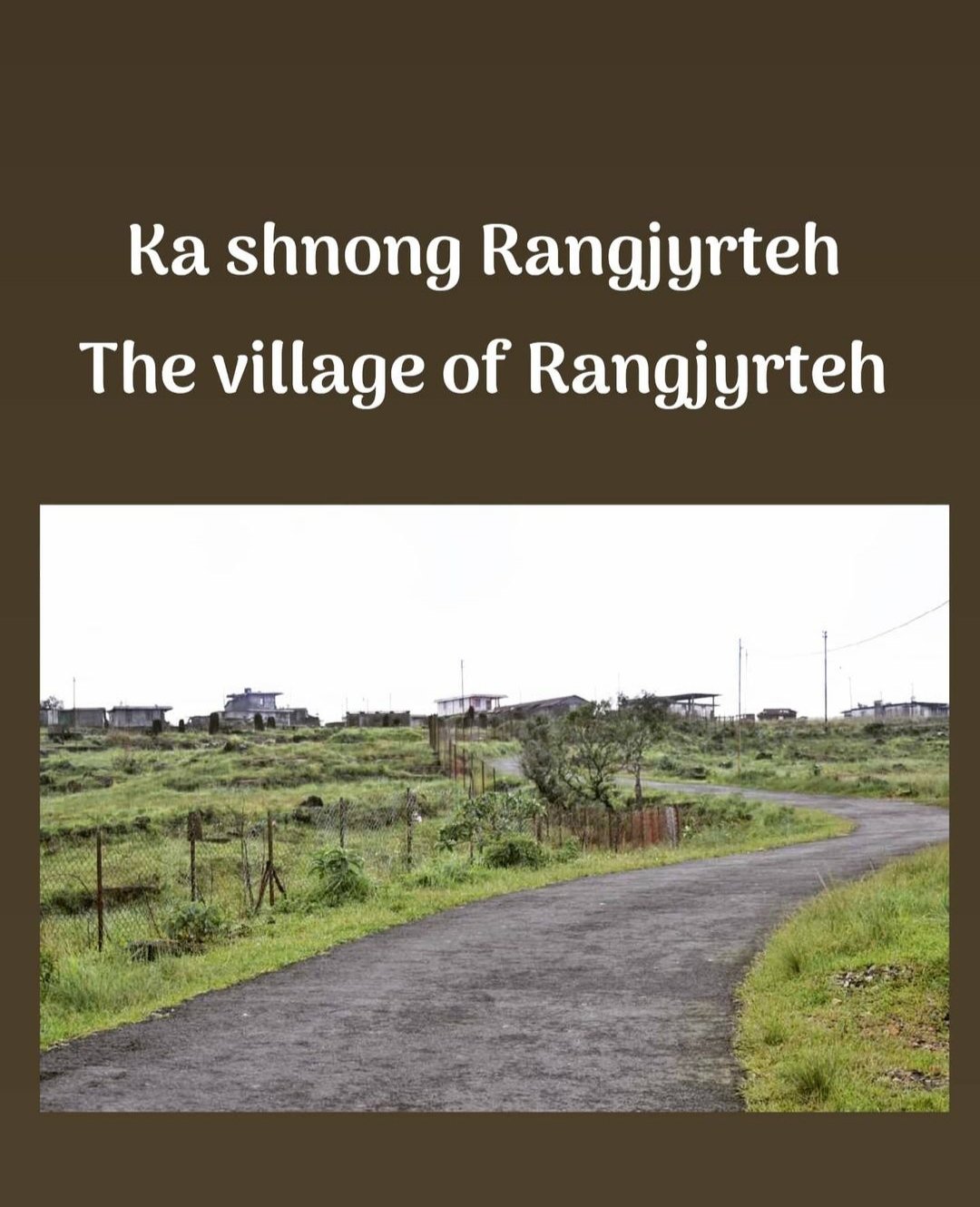
  • Ka shnong Rangjyrteh

    Ka shnong Rangjyrteh

    The village of Rangjyrteh

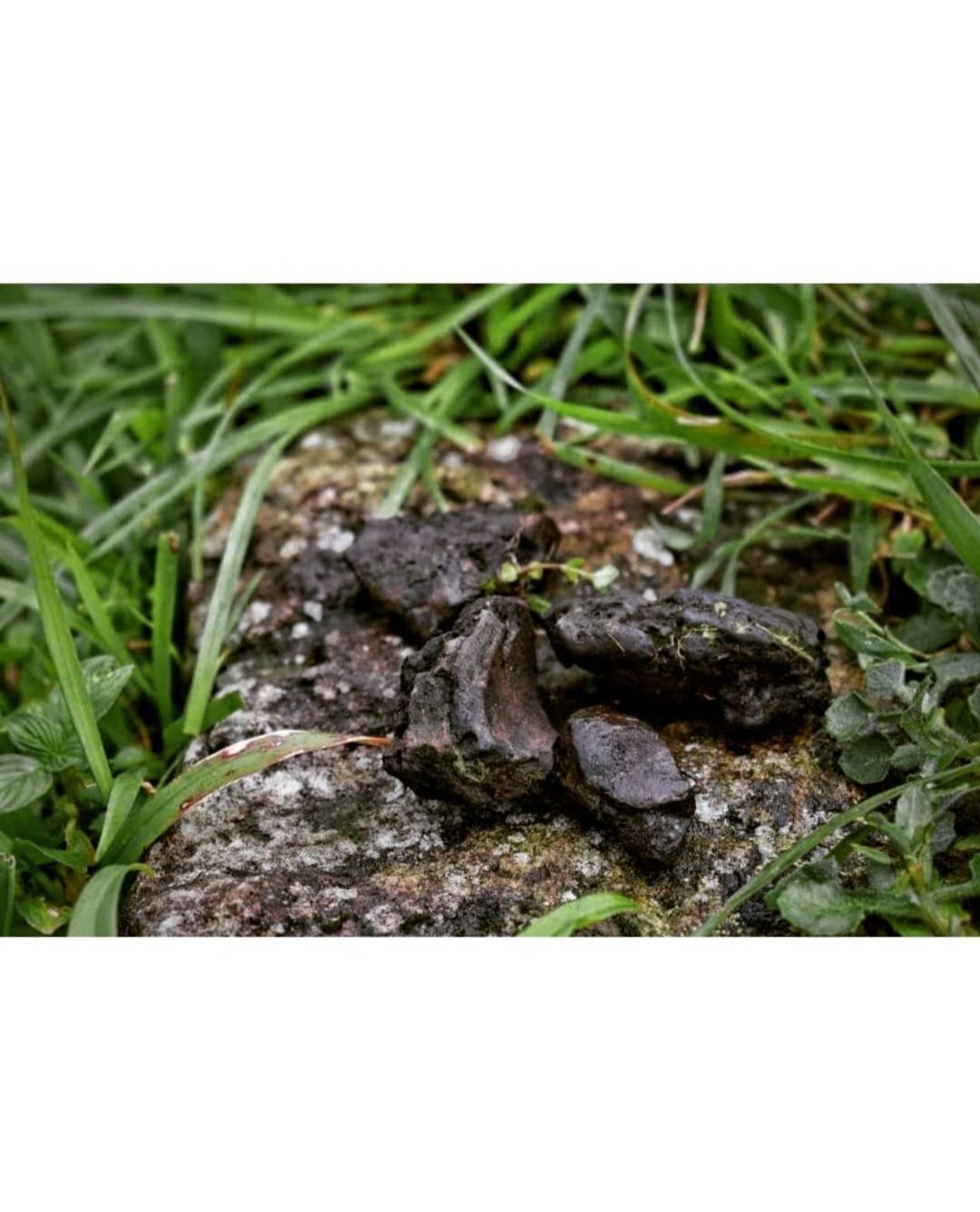
    In the bygone days, Rangiyrteh was a thriving village known for its mastery of iron smelting across the region, but now it is left abandoned in ruins and mostly only ever referred to in old Khasi folklores. Rangiyrteh is said to be the village where the woman named 'Ka Likai' hailed from. According to folklore, after a gruesome and devastating tragedy befell her, Ka Likai ran to the edge of a cliff and threw herself towards a waterfall to her death. The waterfall was then named 'The Fall of Ka Likai' or more popularly, the 'Nohkalikai Falls' According to oral tradition, Rangjyrteh was a prosperous place during that time and people lived mainly by the trade of iron smelting. The transaction of the iron products was between the local villagers and the people of Sylhet (now in Bangladesh). It is regarded as one of the oldest villages in the Khasi and Jaintia Hills and no one really knows when this village came into being but it has achieved its prominent place in Khasi imagination.

    (Taken from: https://www.google.com/amp/s/www.tripoto.com /trip/trip-to-rangiyrteh-lost-civilization -mawsawa-falls-dainthlen-falls-cherrapunjee -sohra-meghalaya-5f575ca82f851.amp)

    …just seven kilometers away from proper Sohra on the western side, lies an extinct ancient settlement, a place rarely appearing in Khasi literature but which has many historical and mythological events associated with significance and direct references to various aspects of Khasi culture and society. Believed to be the ancient industrial centre for iron smelting, people also adopted orange cultivation as a major activity. Located exactly opposite to Dainthlen Falls, this ancient settlement is known as 'Rangiyrteh' an indigenous name which currently falls within the jurisdiction of Laitduh village under Sohra Syiemship. But before the formation of Hima Sohra, Rangjyrteh was very much part and parcel of the then Hima Khathynriew Shnong (a conglomerate of several villages on the slope where the Umiam Mawphlang river flows). But as far as the historical aspects of 'Rangiyrteh' are concerned, it can be construed as the centre for forging iron which lasted till the 17th century. From the remains it shows that there was a generation of industrialized communities a long time ago in these hills. But the reason for the collapse of this indigenous ancient industry as was narrated by older people was primarily the incapability to compete with the products coming from then East Bengal under the British. Iron smelting was the main trade and activity of this place. Besides, the famous Nohkalikai Falls too has derived its name from the person of this hamlet (Rangiyrteh). Considering the plurality of history associated with 'Rangjyrteh', I wonder if it could ever be included in the list of heritage sites presented to UNESCO for possible funding. The factuality and merit of the place defines it and it deserves to be treated as a priority as far as preservation of evidence associated with our ancient socioeconomic system is concerned. The present and future generations should become aware of all these things. Therefore, when we have something as clear evidence connected with our past generation, we should attempt to explore and unearth the mysteries associated with our own origin..As far as Rangjyrteh is concerned, including the culture and activities that existed there long time ago, we should be proud of it as a community and this particular spot on this region belongs not only to a particular Hima or Raid or Village but to the entire Khasi community.

    (Taken from: https://theshillongtimes.com/2017/08/07 /rangiyrteh-a-forgotten-heritage-site-of-sohra/ (Written by Aristotle Lyngdoh) )

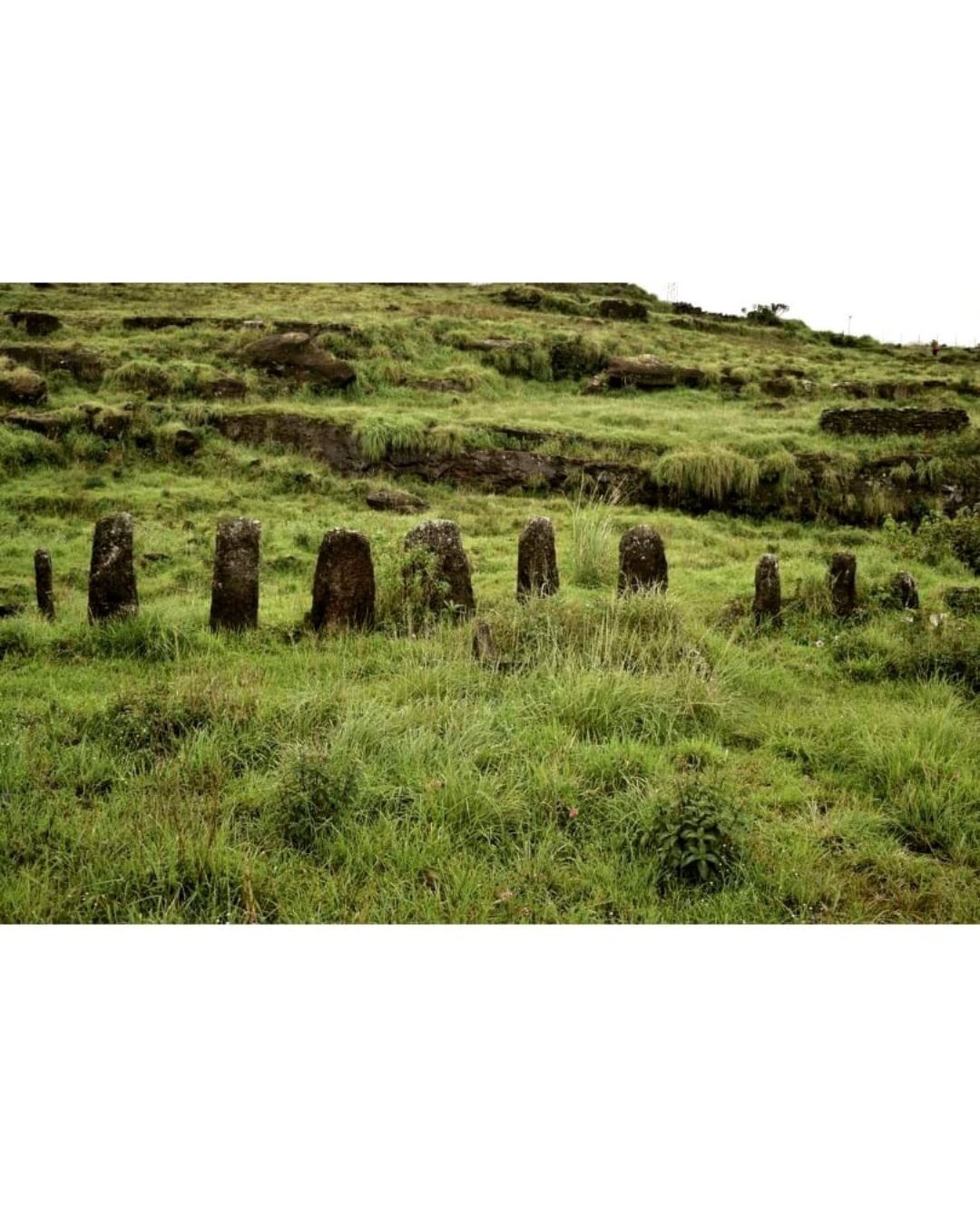
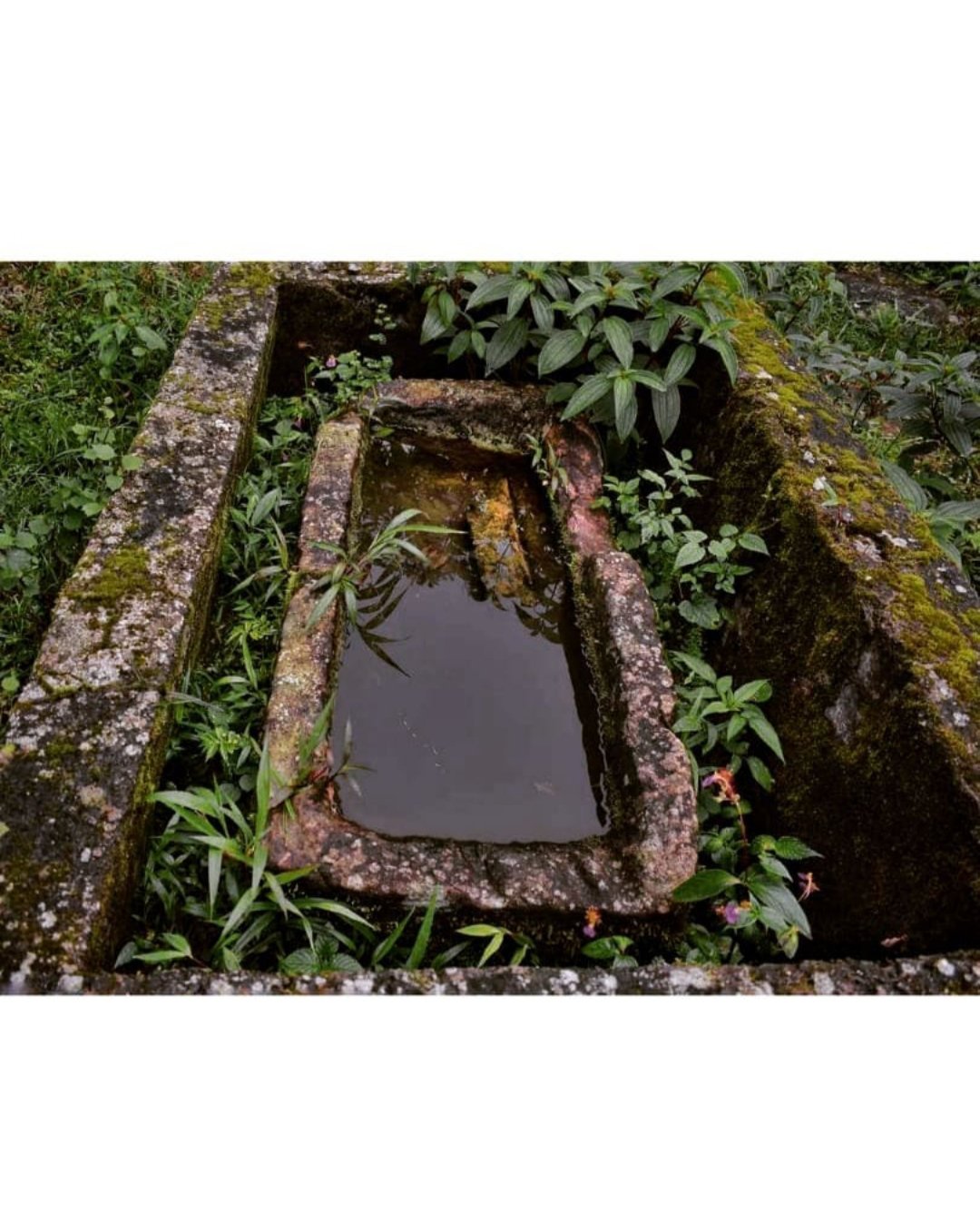
    It is a place with historical treasures and ethnic beauty that can still be witnessed today. Monoliths of different forms, tall and short and each having its own meaning, talk of a civilization's past. Under these monoliths are bronze or earthen pots with ashes of our ancestors; there are a few silver shells too. The place is characterized by some form of marking around each area surrounded by well-constructed rocks. The stone foundation used to cremate the dead and the place where they used to hold meetings or the 'dorbar' are visible too. There is also a belief that this village was once fortified with well-constructed walls made from iron and rocks. The people used a gateway called 'Ka Khyrdop' to go in and out of the village for trade or other purposes. There is also a belief that a battle between Rangiyrteh and a nearby village had taken place. The battle claimed the life of the Doloi or headman, and the place where he died is known as Ka Pom-Doloi. The monoliths on the spot are in remembrance of those who fought in that battle. It was in this village that the finest iron was made. We can still see rocks shaped like a basin where water was kept to cool the iron after melting. These irons were exported to Bangladesh, earlier known as Shilot. The people used to trek down to sell these irons, the pathways still noticeable from Rangiyrteh through Dainthlen, Mawpun and on to Nohkalikai Falls connecting Mawmluh village and finally to the plains of Bangladesh.

    (Taken from: https://thenortheasttoday.com/oped/the-lost -civilization/cid2550931.htm (Written by Shynna Lyngdoh Mawphlang) )

    Rangjyrteh is a village that many of us might not have heard of. There are many historical and folkloristic associations that the village holds. 🏞️🪨🌲
    If you know more please tell us!

    All photos are from https://www.google.com/amp/s/www.tripoto.com/trip/trip-to-rangjyrteh-lost-civilization-mawsawa-falls-dainthlen-falls-cherrapunjee-sohra-meghalaya-5f575ca82f851.amp

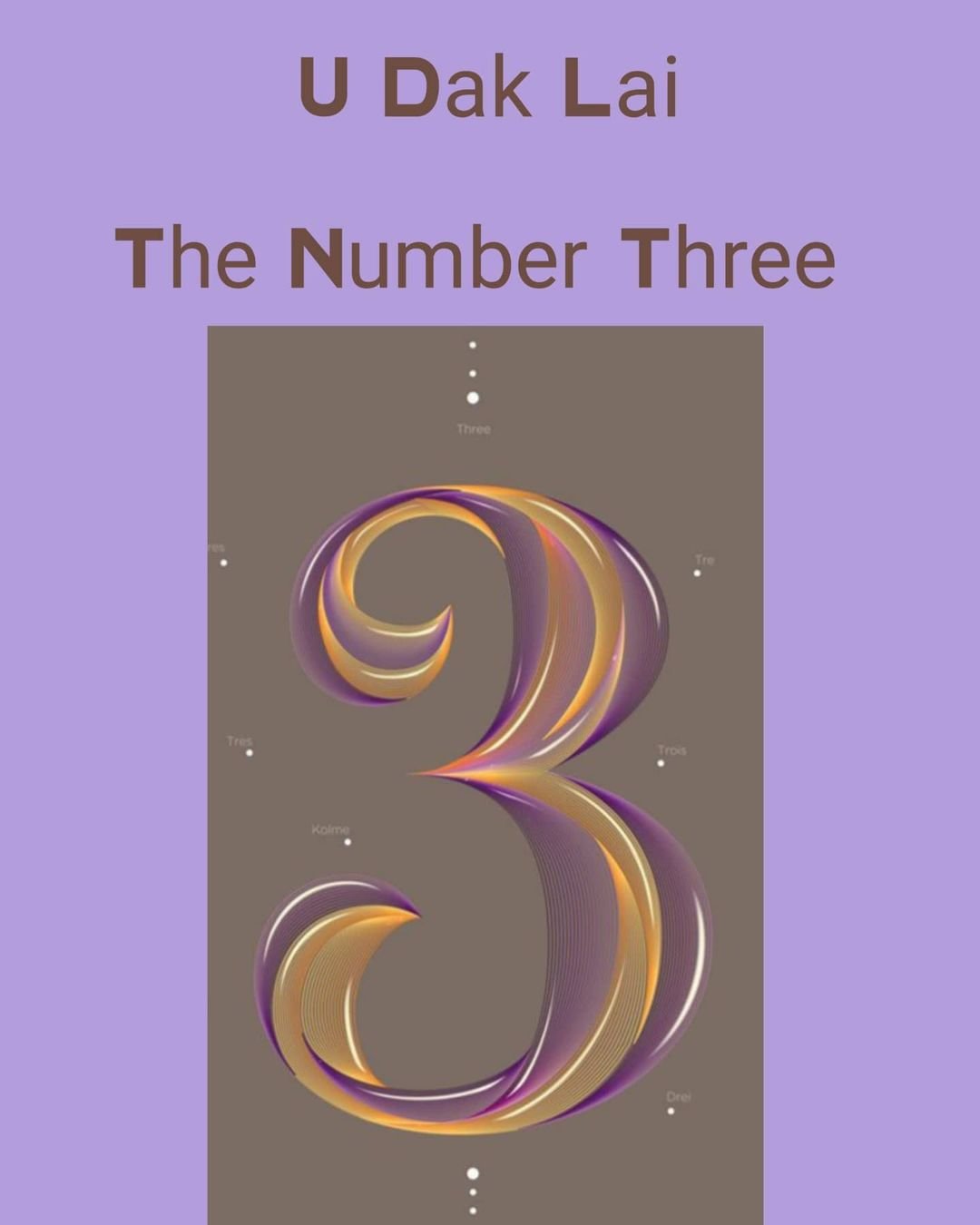
  • U Dak Lai, The Number Three

    U Khasi u don ka rukom pyrkhat kaba kham kyrpang ha ka jingïadei bad ki dak "Lai". Haba thung mawbyrsiew, u pynïeng lai tylli ki maw ban shet jingshet. Haba phah khubor na kawei ka jaka sha kawei pat, u pyndonkam lai tylli ki ksah ne kyrwoh. Haba jer khun shynrang, u pyndonkam lai tylli ki kyrteng bad lai tylli ki khnam. Haba thang briew, u pyndonkam lai tylli ki 'nam tympem ban siat ha ka kpep ha ka por thang briew. Haba pyrta shnong, u pyrta lai sien lai wat. Haba thung mawbynna kur, ki thung lai tylli ki mawbynna na ka bynta u kñi bad ar ngut ki pyrsa. Haba poikha poiman lane haba iap briew, ki ap lai sngi lai miet ban trei ia kiwei pat ki kam.

    The Khasis have a unique perception and regard for the number "3" When they erect a "mawbyrsiew" which is the stone used as support for cooking in the hearth they use three stones. When they send a message or news from one place to another, they use three "ksah" or "kyrwoh" which are rings made from threads of bamboo. When they choose a name for a son during the name ceremony, they choose from three names and also keep three arrows. At the cremation, the Khasis shoot three arrows called " 'nam tympem" in the place belonging to a specific clan for cremations. When there is a public announcement, the "sangot" addresses the people three times before making the actual announcement. When they erect the clan moniliths, there are three moniliths: one for the maternal uncle and the other two for his nieces or nephews. When there is a wedding or a funeral, the Khasis wait for three days to perform other work.

    The number "3" has a significance that is wide ranging for Khasis and Pnars. Here is an excerpt from U Khasi Bad Ka Mariang by Rev. Dr. Ïarington Kharkongor. 3️⃣3️⃣3️⃣

    🟡 English translation by @speakyourroots

  • Kamai Nong Khynraw

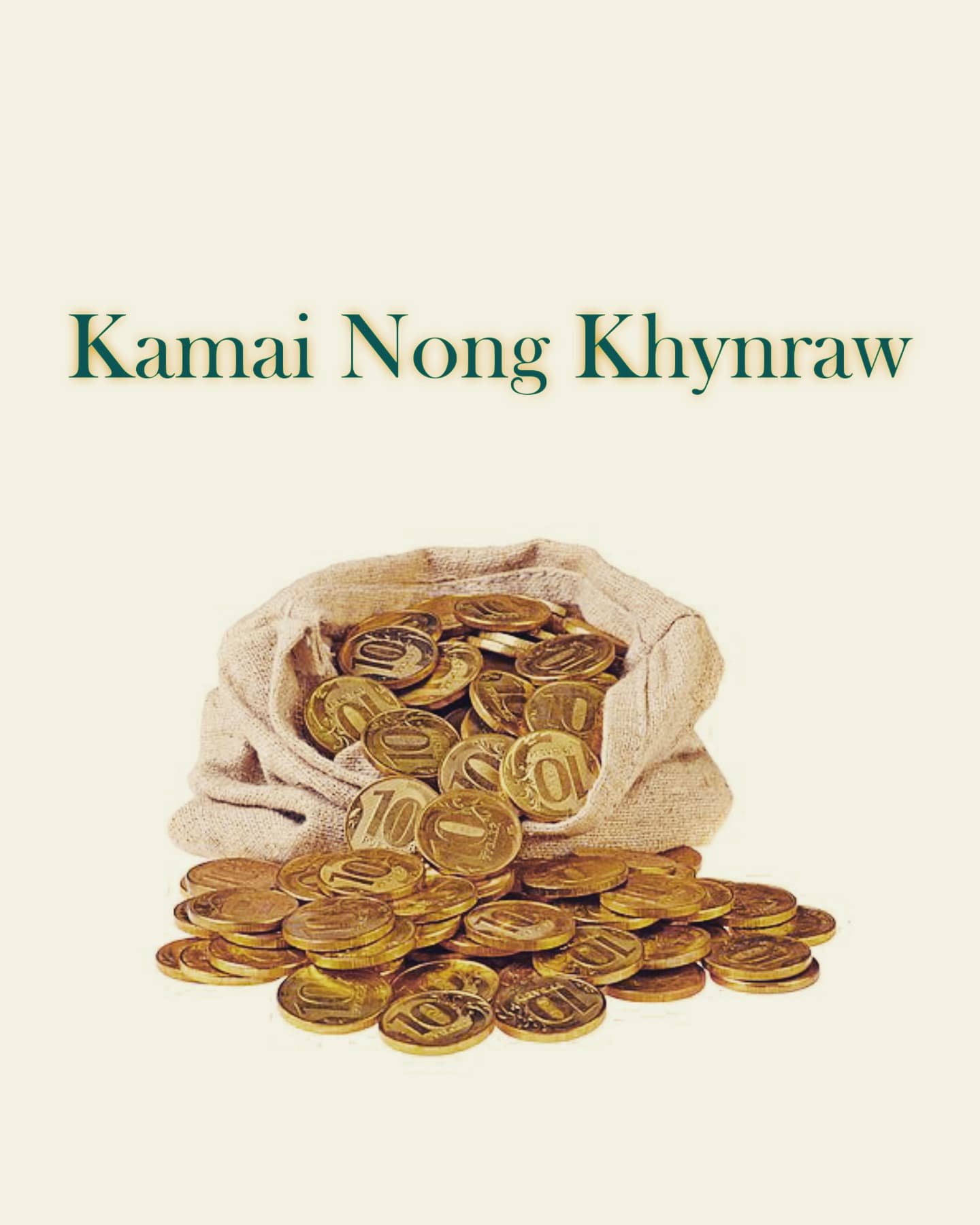
    Ka "kamai nong khynraw" ka dei ka spah ka phew ba u kamai u briew katba u dang samla ha la ïing kur, shuwa ba un leit ïing briew. la kane ka spah ka ïoh ka kmie lane ka kur kynthei kaba khadduh jong kata ka ïing.

    "Kamai nong khynraw" is the money and wealth earned by a man while he is still single and unmarried. This money and wealth goes to his mother or "khadduh", the youngest sister of the man.

    "Kamai nong khynraw" is one of the many duties that a young Khasi man fulfills towards his family before marriage. This support to his own family is valued and cherished. 🙏💚

    🟡 Source: Primrose Gatphoh

    🟡 English translation by @speakyourroots