Mynkulong-kumah, mynba dang lung ka pyrthei-ka mariang, la don arngut shipara, kiba kyrteng ka Ngot bad ka Ïew, ki khun jong u ’Lei Shillong. Baroh arngut ki long kiba bhabriew, la nam ka pyrthei-ka mariang baroh. Ki ïaid-ki-ïeng, ki leit-kai-leit-iaid ryngkat ryngkat shipara bad ki ïakup ïasem ruh kumjuh kumjuh. Ka nam ka burom bad ka dur ka akor jong ki, ka la par kylleng ka ri Khasi ri Jaiñtia.
Ka Ïew ka la long kaba kham san kham rangbah, kaba la ïohi shuwa ïa ka Sngi ïa u Bnai. Hynrei ka kham sngewmeng, ka khoi-khoi mynsiem sngewrem lada kam lah ban leh ïa kano-kano kaba ka la thmu ban leh. Ka la long kaba kham kab-kab bad kham shlei-ktien khlem pyrkhat. Kaba leh kjeh, hynrei ka phoi kynsha bad ka syam. Ka Ngot pat, ka long markhongpong ïa ka Ïew. Ka mynsiem jong ka, ka jem hun-hun bad ka bapasiang kum ka tlieng. Ka khmut-ka-khmat jong ka, ka i jemnud jai-jai, bad ka phuh samrkhie rymmuiñ kum u 'tiew-dyngngai ba dang shylluit hapoh kob. Ka smat, ka sting bad ka ïarap ïa la ka hynmen ban trei ïa kane-katai.
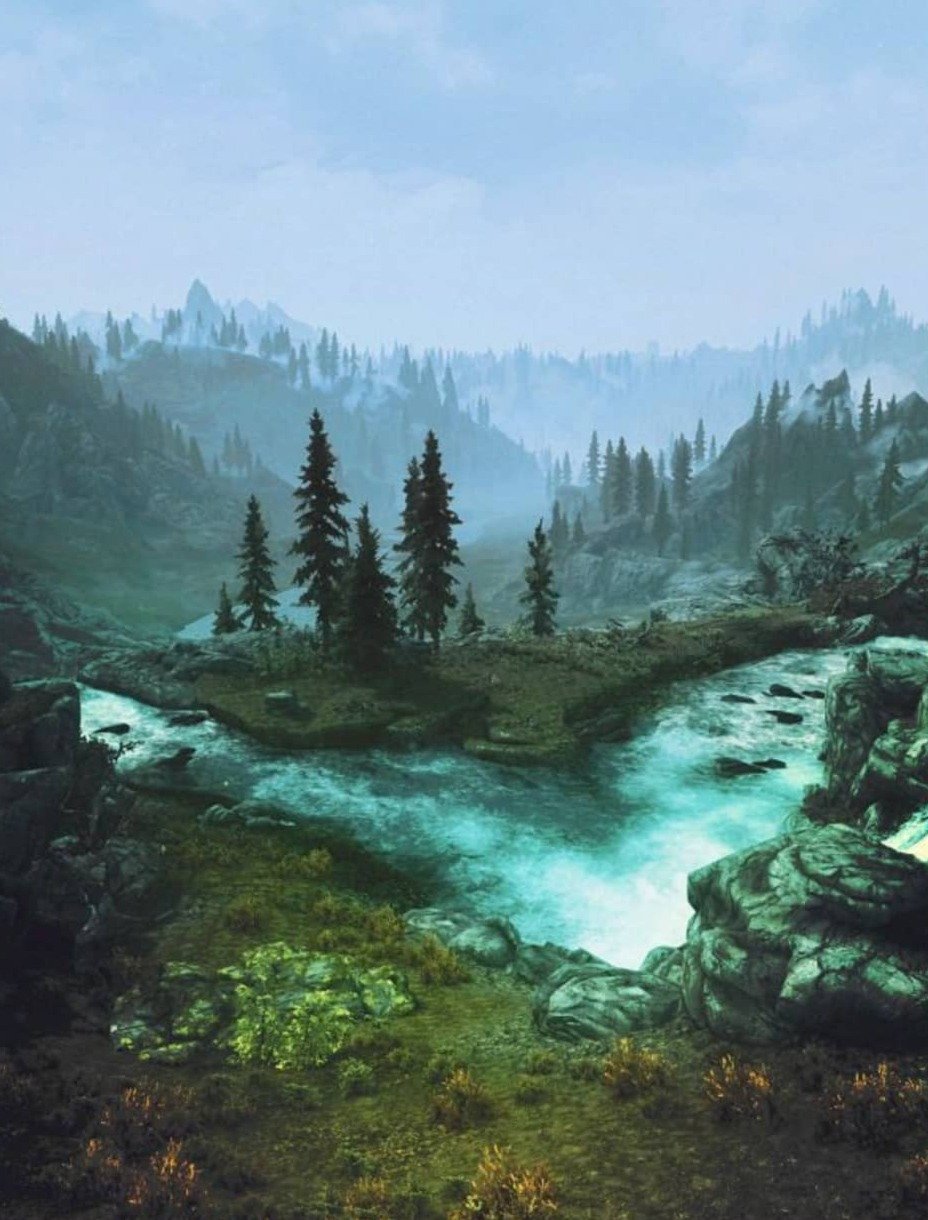
Ha kawei ka sngi Synrai kaba rang bha kdiar kdiar, bad ba phngaiñ bha ka bneng, ba lah ban ïohi sawdong ïa ka trai-bri pyrthei: ka Ïew ka la ïawer ia ka Ngot ban leitkai shalor Lum Shillong. Ki la ïaïaid kai kylleng shane shatai, haduh ba kin da poi top halor lum. Haba ki dang khmih nangta sawdong ka ri Khasi, ki ïohi ïa ki lum-ki them, ki wahduid wahheh, ki lyngkha-ki risa, bajyrngam byrtem, ki baitynnat la biang; bad haba ki phai shaphang arsut jong ka ri, ki la ïohi ïa ka ri thor jong ka ri Dkhar, kathie ngai-lyngai. Kane ka jingïohi baitynnat ka la shoh-jingmut ïa ki arngut shipara haduh ba ki la kwah ban leit jngohkai ïa kito ki jaka-ki puta. Ki um ki baphyrnai khlek-khlek bad ki baphalang ha ka jingthaba jong ka sngi, kiba don ha ki baden bad ki bir, ki pynkyndeh-mynsiem ia ka Ïew bakhyllew; bad ka la ong ïa la ka para, ka Ngot, ban ïaleitkai shata.
Ha ka banyngkong, ka Ngot kam shym treh, namar ka la sheptieng ba jngai than. Hynrei ka Ïew, ka beiñ-ka-sin ïa ka ba ka long ka bakhawpud bad ka barit-bor-rit-mynsiem. “To” la kren-kob ka Ïew “lah mapha ne manga ban ïa mareh pynpoi kloi shaduh shathie.” “Em phi kong,” la ong ka Ngot, “lada phi kwah te ngin ïaleit lang keiñ, namar ngim tip ïa ka lynti ka syngkien kaba kumno bad ba ka bajngai artat” — Ka Ïew ka la kem-ktien bad ka la ong: “To ngin shu ïa kylla-um bad ngin leit tuid katba poi kloi.” Ka Ngot pat haba ka la ïohi ba ka Ïew ka la sngew-sarong than, ka la klet-noh ïa la ka jingrit-mynsiem baroh bad ka ong: “Lada phi da kob eh katta katta te to.” Te baroh arngut ki la kylla artylli ki wah.
Ka Ngot ka la wad lynti na basuk bad ka tuid hin-lyhin, na ki jaka ki bajem, haduh ba kan da poi sha Shilot. Hynrei la ka lynti jong ka ka kham suk, ka la long pynban kaba khongdong mongdong, ka bakyllaiñ bad ka bajngai. Ynda ka la poi ha Shilot, la ka peit ïa ka hynmen shano shano ruh kam ïohi, kumta ka la sngewlyngngoh bad ka la sheptieng ïoh la jia eiei ha lynti. Ka la khun ïalade sha Shatok bad ka la leit shaduh Dwara, nangta ka phaidien biang ban leit wad ïa ka Ïew. Kane ka jingkhun jong ka Ngot ka la long ka baitynnat haduh katta-katta ba ki kjat sngi ki sngewtynnat ban leitkai sha ka bad ki shad ki sngewbha ha ka. Ka Ngot pat da ka jingphalang ka sngi, ka thaba khlek-khlek kum ka rupa bad namar ka jingpynkhun jong ka, haduh mynta-mynne ki briew ki sin ïa ka, ka “Rupa tylli.” Bad ha kata ka jaka, ki khot ïa ka haduh kine ki sngi, ka “Wah Rupa tylli.”
Ka Ïew pat, ha la ka sngewmeng sngewsarong, ha la ka sngewkhlaiñ bor khlaiñ tyrpeng, ka wad na bajan bajan. Ka thom bor ïa ki lum ki them, ka kylla khriang bad lat-lat; ka syllud ïa ki diengbah diengsan, ki mawbah mawheh, bad ka tih naphang kat ïa kiba wit ha lynti. Hakhmat jong ka, ym don bakhraw ym don barit, ka syllad naphang; wat ki mawramsong, hakhmat jong ka ki kylla-mat-lieh, bad ki tyllun kum ki mawpyllon. Hynrei haba ka la poi ha Shella, ka dum ka buit ka stad jong ka baroh; ka la lyngngoh ngaiñ bad ka la sngewingkhong khait, haba ka ïohi ba ka Ngot, ka lah da poi nyngkong. “Ïa kat kane ka raiñ ka rem, ka jahburom duhburom, hakhmat ka pyrthei, ban da jop eh da ka para, la ong ka Ïew, ngan nai im shuh hi, la suk ka ïap.” Kumta ka ïam ka ud ka lympat-ka-lynsher ïalade, haduh ba kan da pait san bynta bad ka kylla san tylli ki shnat-wah; ka Dwara, ka Umtang, ka Kumarjani, ka Pasbiria bad ka Umtarasa.
Naduh kata, don kiba khot ïa ka, ka Umïew bad don ruh kiba khot ka Umïam. Bad na kata ka jingjop, ka Ngot ka la kylla long kaba kham halor. Baroh ki ñiew ïa ka kaba kham pawnam, kham don-burom-surom, kham itynnat bad kham iphuh-iphieng. Te u dkhar-u-lyngkien ruh, u kheiñ ïa ka kum ka blei bad u noh ka kñia-ka khriam, u nguh-u-dem bad u duwai-u-phirat ïa ka. Haduh kine ki sngi, u khun ka ri Laiphew syiem bad u khun ka ri Khatar Doloi, u kheiñ ba ym bit ban jam pynjah-burom sha shiliang jong ka, khlem nguh khlem khublei, kumba ju long ka akor Khasi naduh hyndai ka sngi, ba ym bit ban ryngkang ne ban jam ïano ïano ruh, ne ban ïaid na khmat jongno jongno, namar ba ka long ka nongjop basngewrit.
Umiew and Umngot are two major rivers in the Khasi Hills, both springing from the Shyllong Peak and flowing towards the plains of Bangladesh. But legend has it that the two rivers were the twin daughters of U 'Lei Shyllong, the god of Shyllong. As goddesses, the two were much acclaimed throughout the length and breadth of Ri Hynñiew Trep for their matchless grace and beauty and their love for one another. For in the world of spirits they were never seen apart but went everywhere in each other’s company.
But unknown to many outside their closest circle of friends, the love that existed between the two sisters was not without ups and downs, arising mostly out of the peculiar traits of the elder sister, Ka Ïew. Having as the elder daughter seen the sun and the moon first, Ïew was more presumptuous in knowledge, more conceited by nature and totally uncompromising in attitude. She was also bad-tempered and noisy. Ka Ngot was more subdued, milder and pleasant, though not without a passion of her own which surfaced every now and then when her sister’s impudence crossed the bounds of what was proper and decorous.
One bright sunny day in autumn, while the two young princesses were out strolling on the slopes of Shyllong Peak, enjoying the cool breeze and the magnificent scene of evergreen hills tinged with gold by the autumn sun, the sisters’ eyes strayed far away into the distant fields of Bangladesh. As the princesses gazed on, the water that collected in the numerous lakes shimmered in the sun so that the whole land seemed to twinkle with diamond s. A bold and adventurous plan presented itself to Ïew and she said: "Say, sister, why don’t we embark on an expedition to those shimmering lakes and unending valleys! Just imagine what new charms we may encounter! Staying on in these hills is boring!"
But Ngot shook her head. Though smitten as much as her sister by the exquisite beauty of the sight, she was far too sensible to give up the security and happiness of her home and follow a mere whim into a remote land. Ïew, on the other hand, scoffed at her sister: "Come on, you foolish girl let’s run a race and see who reaches those valleys first." Ngot replied, "Dear Kong, if we must go, let us go together, without competing. The valleys are far and the way may be dangerous. It will be better if we stick together." But Ïew flew into a rage and said "If you are so damned afraid of the dangers on the way, let us turn into water and travel in the guise of rivers. But if you still say no to this, you are a coward and have no right to live like a goddess." Now Ngot was truly provoked by her sister’s scorn and insolence. She decided to take up the challenge and so both of them turned into rivers.
In keeping with her mild and temperate character, Ngot sought the soft and gentle ways in her journey, unmindful of the numerous twists and turns she had to take in doing this. Thus she glided gently till she reached a place in Bangladesh called Shilot. In Shilot, however, she saw no sign of Ïew anywhere. She was surprised. Having made detours round many an obstacle, Ngot had lengthened her route a great deal and delayed her progress by many weeks. She had naturally expected her sister, therefore, to be already waiting there for her, with her boisterous laughter and scorn. Not finding her there made Ngot extremely anxious. She changed course, veered towards Shatok and went on to Dwara in search of her sister. Not finding her there either, and now convinced that Ïew was nowhere ahead of her, Ngot swivelled round and returned to look for her along the way she had come.
These serpentine curves form the most attractive part of the river in its entire course, and when seen from a distance with the sun’s rays playing on the water, the river looks like silver. And that is why, to this day people call it “Wah Rupa Tylli", or the "River of Solid Silver". All this time Ïew was preoccupied, fighting her own impediments on the course she had chosen. Proud and domineering as a tyrant, she aimed for her target like an arrow. In trying to reach Shilot by the shortest and quickest route possible, she ploughed her way through hills and valley; and swept everything in her path, uprooting large trees breaking stones, pushing boulders aside, cutting a path through jungles, jumping into deep ravines and digging tunnels into the ground. But in spite of her great strength, all this was slow labour, and without her knowing it, took a great deal of her time, for there was an obstacle almost every inch of her route.
And so it was not surprising that when she eventually rolled into Shella, near Shilot, she found Ngot far ahead of her. Ïew was simply dumbfounded. To think that her weakling sister had put her in second place! It was intolerable! A trick of fate! Her pride deeply hurt, she raved, "To suffer such damnable shame before the whole world! To be defeated by a mere child! How can I live on? Tell me, why should I live? I’ll remain a river forever!" Saying these words and cursing her fate, she cried and groaned, threw herself on the ground, and struck herself with such force that she splintered into five branches, called the Dwara, the Umtang, the Kumarjani, the Pasbiria and the Umtarasa. On hearing about her sister, Ngot was grief-stricken. She blamed herself for everything that had happened and decided not to return home alone, but also remain a river by the side of her sister.
By and by the story of the two goddesses filtered into the human world and people began to flock to these rivers as pilgrims. Ngot was especially esteemed as a superior stream, attracting non-Khasis from the plains to its banks to perform religious rites. The ancient Khasis themselves considered it an immoral act to ford this river or go across it on a bridge
without first offering prayers to it, for the river was, after all, a modest victor and a goddess.
"Ka Ngot bad ka Ïew" is an endearing story of the relationship between two sisters. 🏞️🏞️
The Khasi version has been abridged from H. Elias S.D.B and the English version has been abridged from Kynpham Sing Nongkynrih by @speakyourroots