Tag: talklocal

  • Phan bad Tungtap

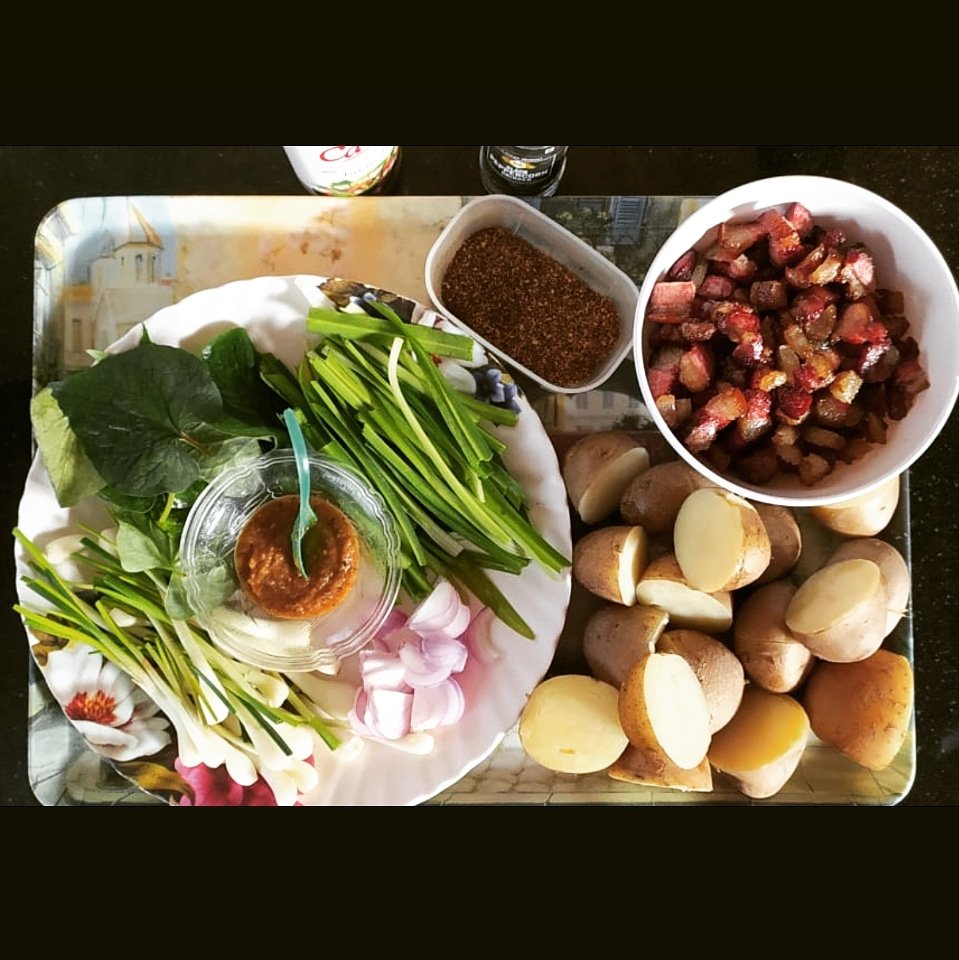
    The "Phan bad Tungtap" snack of the Khasis and Pnars is eaten heartily especially in the summer season 😋😋😋

    The items in the picture include: Boiled potatoes, the bowl in the centre contains tungtap (fermented dry fish chutney), chopped smoked pork on the side, in the rectangular bowl there is ground jaïur (an indigenous variety of Schezwan pepper) and the greens include jyllang, ja-ut and jamyrdoh, accompanied by the omnipresent onion 😄😄

  • “Ka Ktien Khasi Jong Ngi” da Labianglang Diengdoh

    Ha sla pyrthei la kha ia nga,

    Nga san longbriew, nga im pura;

    Ryngkat jingieid i mei i pa,

    Ha la ka ktien ba ngan kren bha.

    Ym tang ban kren kumta la biang,

    Hynrei ban thoh te ba ngan nang;

    Kumta jingstad sawdong ka phriang,

    A-B, ka jinghikai ka sdang.

    Ka ktien khasi shisha ba iar,

    Ha ri khynriam bad ha ri pnar;

    'Sohra'- Ka ieng 'tien salonsar,

    Ban ia biang lang, ban ym kulmar.

    U Thomas Jones na ri sepngi,

    U la wanlam dak thoh khasi;

    ia jait bynriew ban lam lynti,

    Ban ym sah dum bynriew khasi.

    I'u la tip haduh kine ki sngi,

    Kum u kpa ki dak thoh khasi:

    Khlem don ma u ba prat lynti,

    Ngi lah sah dum ha la ka ri.

    Ki longshuwa da buit ba iar,

    Lyngba jingeh ki khih ki ksar;

    Ban roi ban iar ka thoh ka tar,

    Ban ym sah bieit, sah dum jynjar.

    Rai-eh Rai-dam, hei! ka bym kai,

    Kam dei ka mutdur pyrkhat rngai;

    Kat ban sawar ka ktien shongsbai,

    La ha ka kren khana ne rwai.

    Maitang! haram kam dei ho phi,

    la longshuwa baieid jong ngi;

    Burom shi junom bhor Ia ki,

    Shikit-iapar kam long na ngi.

    Kumne Ia la ka ktien ngin ieid,

    Ngin kren ngin thoh te khlem jingriej;

    Nangne pateng kan khih kan smiej,

    Sha jngai kan phet ka dum ka bieit.

    -Labianglang Diengdoh

    Original poem: "Ka Ktien Khasi Jong Ngi" written by @_i_g_d_r_e_a_m_e_r_

    Thank you for sending this entry! 🎉🎉

    Speaking, reading and writing in our indigenous language may be described as a persistent and consistent act of resistance to forces that may endanger it.

  • Ka Nam by Esther Syiem (Lamkhmat/ Foreword and dialogue excerpt)

    Ka Lam Khmat

    Ki thied ki jaw jong kane ka drama ki sam shaduh ki thymmei jong ka long rynïeng man rynieng ka jaitbynriew Khasi. Ki pud ki sam jong ka pat, ki ïar kat ban kdup lut ïa ka long briew man briew shi snieh ka pyrthei ha khrum ka beng. Ki tyngshop ki puron ki ïeng na ka bynta bun kiei kiei kiba ym lah jer lut hangne. Ka Nam bad ka kmie jong ka ruh ki ïai kha ïalade bun syrtap ha ka mynta ka jong ngi. Ki long kiei? Ïa kane nga ieh ha ka jingbishar bniah bad ka jingthew sawar jong phi baroh.

    Ha kane ka jingpyrshang barit ki don bun kiba la iarap bad kyrshan lem ïa nga. Nga ai khublei kyrpang ïa ki. Nga pynpaw ka jingsngewnguh kaba khraw ia I Kong Temsula Ao, I kong Badaplin War bad I Kong Antoinette Kharmalki ki nongai mynsiem ba rhem. Nga ai khublei ïa I Bah D. Rocker L. Nonglait bad I Kong Mumtaz B. Jyrwa kiba la kloi ban pule bniah ïa kane ka jingpyrshang barit bad ban kdew ruh ïa ki jingduna baroh.

    Nga pynpaw ka jingsngewnguh ïa u khunruit uba la ai jingmut ha ka ba thoh, bad ïa u hymmen rangbah uba la kyrshan ha kaba shon їa kane ka kot.

    Khublei Shibun

    Ka Esther Syiem

    'Moor-Ville'

    Riatsamthiah

    Shillong

    July 2006

    Ka Nam: Ko mei 'ngi ym don ba pynwit ïa nga. Ki dei tang ki jingpyrkhat jingpuson ki jong nga miet la bad sngi ki bym ailad ïa nga ba ngan ïaid pyrshah ïa ka jingïatiplem jong nga.

    Folktales in the oral tradition provide a rich literary and cultural heritage, which speaks volumes about our beliefs, values, principles as a community.

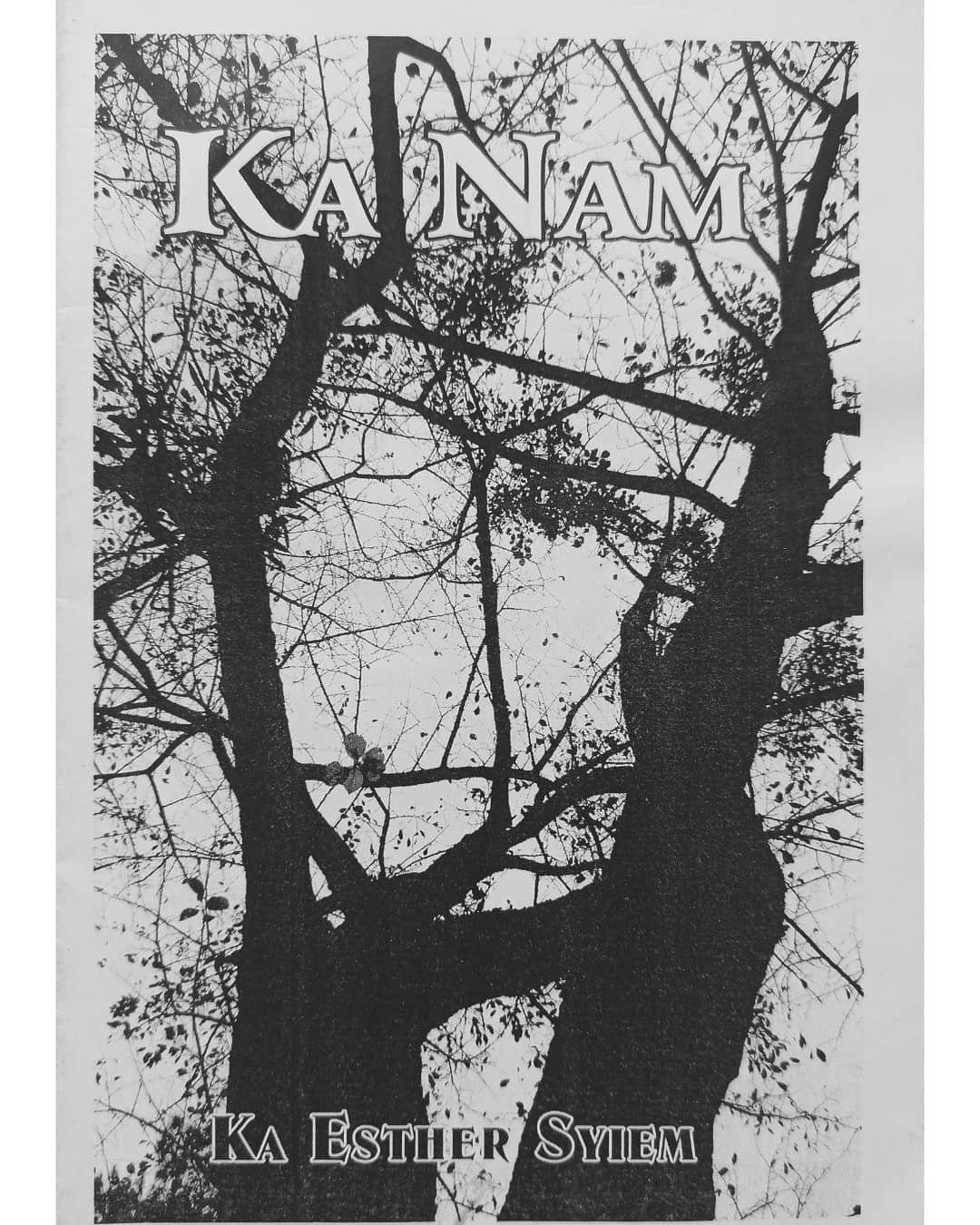
    "Ka Nam" (2007) a Khasi play by Dr. Esther Syiem is a reimagination of the Khasi folktale "Ka Nam and the Tiger".

    A reimagination is a return, a retracing, a reinterpretation, a reworking that perhaps in the case of this folktale, provides a different angle to the character of "Ka Nam". This reimagination is one that is explored for all the characters of the folktale starting from "Ka Nam". As the author states in the Foreword of the play, the life and limit of the play permeates the depth and pervades the condition of being human.

    Ka Nam is a Khasi play written by Dr. Esther Syiem, based on the Khasi folktale of Ka Nam bad u Khla. The play is well-crafted and deeply insightful of man's relationship with Nature. Most importantly, it highlights the will and independence of the human individual through the twist at the end of the play.

    The book is available at Ri Khasi Book Agency, Mawkhar, Shillong.

    Cover photograph taken by @i_a_duppy_conquerer

    Dr. Esther Syiem is a Professor in the Department of English, North-Eastern Hill University, Shillong, Meghalaya.

  • Khasi words derived from English words

    There are words in the Khasi language that are derived from the English language. here are some of them:

    TAKSI – TAXI

    PONGSHOR – PUNCTURE

    SALAT – SALAD/ LETTUCE

    BOS – BUS

    PRISBIN – FRENCH BEANS

    BARANDA – VERANDAH

    PHILTAR – FLITER

    SKUL – SCHOOL

    BATAR BISKIT – BUTTER BISCUIT

    POLICE – PULIT

    SKART – SKIRT

    OPHIS – OFFICE

    KOMPIWTOR – COMPUTER

    TB – TV

    SLIPAR – SLIPPER

    BOL LAIT – LIGHT BULB

    JOK – JUG

    MOK – MUG

    KITLI – KETTLE

    DOKTOR – DOCTOR

    NOS – NURSE

    PHRIJ – FRIDGE

    TAIAR – TYRE

    PHUTBOL – FOOTBALL

    BOL – BALL

    PAIT – PIPE

    SHINGKOM – CHEWING GUM

    SHOKLET – CHOCOLATE

    SHUK SHAMBAR – SHOCK ABSORBER

    MOTKAD – MUDGUARD

    Khasi words derived from English! 😂😂 Thank you for your contributions! They certainly made everyone grin, smile and laugh 😄😀😂

  • Ganesh Devy Interview

    "There are 600 potentially endangered languages in India…each dead language takes away a culture system".

    In the interview, Ganesh Devy spoke about the dying and dead languages of India, how some languages gain popularity while others remain marginalised, and the impact of colonisation on the language system of India.

    Written By Adrija Roychowdhury | New Delhi |

    Updated: May 3, 2020 8:32:15 am

    When renowned literary critic and activist Ganesh Narayan Devy set out to map the linguistic diversity of India, he had no inkling he would encounter languages that are barely known in the states in which they are spoken. Among his interesting discoveries were 200 words describing snow in the Himalayan region alone, an old form of Portuguese spoken in villages close to Mumbai, a form of Japanese spoken in parts of Gujarat, and a language from Myanmar that is popular in the islands of Andaman. Devy, who documented 780 Indian languages while conducting the People's Linguistic Survey of India in 2010, also, shockingly, found that 600 of these languages were dying. He added close to 250 languages in India had already died over the past 60 years. When a language dies, as Devy notes, “a unique way of looking at the world disappears". In an exclusive interview with Indianexpress.com, the critic spoke about the dying and the dead languages of India. In the interview, he also dwells on how some languages gain popularity while others remain marginalised, and the impact of colonisation on the language system of India.

    According to UNESCO, any language that is spoken by less than 10,000 people is potentially endangered. In India, after the 1971 census, the government decided that any language spoken by less than 10,000 people need not be included in the official list of languages. In India, therefore, all the languages that are spoken by less than 10,000 people are treated by the state as not worthy of mention and treated by the UNESCO as potentially endangered. As per my survey, there are close to 780 languages in India, out of which about 600 are potentially endangered. The census of 1991 and 2001 show not more than 122 languages. So, most others have to be called potentially endangered.

    Examples of such languages would be Wadari, Kolhati, Golla, Gisari. These are languages of nomadic people in Maharashtra, Karnataka and Telangana. Then there are several tribal languages as well, such as Pauri, Korku, Haldi, Mavchi. In Assam, there is Moran, Tangsa, Aiton. There seems to be about 250 languages that disappeared in the last 60 years. There used to be languages called Adhuni, Dichi, Ghallu, Helgo, Katagi. The Bo language in Andaman disappeared in 2010 and the Majhi language in Sikkim disappeared in 2015. But we need to remember that it is impossible to show a language dying in the last moment of its life. A language is not a single life system. It is a very large symbolic system. When the symbols collapse they do not do so in a single moment. The collapse is sprayed over a large time. When a language dies, its speakers decide to migrate. First, they migrate to another language and then they physically start migrating to another region. The second thing that happens is that their traditional livelihood patterns go down. They may have some special skills and that disappears. Thirdly, a unique way of looking at the world disappears. Every language is a unique worldview.

    How do some languages gain popularity while others get marginalised?

    There are a few major reasons for this. One is that some languages as against other alternate languages in the area gain popularity because of an easier syntax. For instance, in Hindi, you can say 'ladka chalta hain' and you can also say 'chalta hain ladka.' So the syntax is flexible. But it's not always that easy in English. This is one major reason but not the reason always. Secondly, the social dominance by any group leads to the language of that group becoming more popular in that society. For instance, Sanskrit became popular in ancient India because of social domination by speakers of Sanskrit. Or English has become popular because of colonial rule. Thirdly, when a language becomes useful in a marketplace, that language gains greater currency. For instance, we in India speak one language at home, maybe another in the office, but when we go to the market we might use neither. For example in Delhi, you might use Punjabi or Bengali at home, English in the office, but in the marketplace, one tends to use the Hindi language. So the patterns of political domination, use in the marketplace and ease of syntactic structuring are three reasons why some languages become more popular than other languages.

    What is the impact of colonisation on Indian languages?

    Quite surprisingly, in other continents, the colonial impact wiped out the native languages. In India that did not happen. Our languages survived. However, colonial times brought us print technology and only very few of our languages got printed. The one that got printed eventually got states to themselves since in India our states are designed in linguistic terms. The other languages did not get states for them, they did not get official recognition and therefore became secondary citizens in the language republic of India.

    How is the language we speak related to our worldview?

    In every manner without any exception, the language we learn or use is the absolute condition of our narrative of the world and the way we see the world. There is no escape from it. A given language only has a certain kind of ability to narrate the world and the consciousness can enter the world only to the extent that languages can allow it to enter the reality surrounding it. If a language has seven terms for distributing colours, then the speaker of the language will see the world only in those colours. But if there is another language which has more colour terms, then the distribution of the world is more multicoloured. For instance, in Marathi, there is a colour term called more multicoloured. For instance, in Marathi, there is a colour term called Kirmizi that cannot be translated into any English term at all. It is brownish, greenish, bluish, it's almost like the colour combination we see in a firefly. It is impossible to replicate that perception in the English language. But in the English language, we have navy blue or sky blue and many other languages might not have the exact colour term that translates the same. This is how language allows or disallows us in interpreting the world.

    Ganesh N. Devy is an Indian literary critic and former professor. He is known for the People's Linguistic Survey of India and the Adivasi Academy created by him. He is credited to start the Bhaashaa Research and Publication Centre. He writes in three languages—Marathi, Gujarati and English. His first full length book in English "After Amnesia" (1992). He has written and edited close to ninety books in areas including Literary Criticism, Anthropology, Education, Linguistics and Philosophy.

    This interview appeared in The Indian Express on 3rd May 2020 and is written by Adrija Roychowdhury.

    Link: https://www.google.com/amp/s/indianexpress.com/article/research/international-mother-language-day-2018-ganesh-devy-indian-languages-5072487/lite/
  • Layers of History: Essays on the Khasi-Jaintias by David R. Syiemlieh

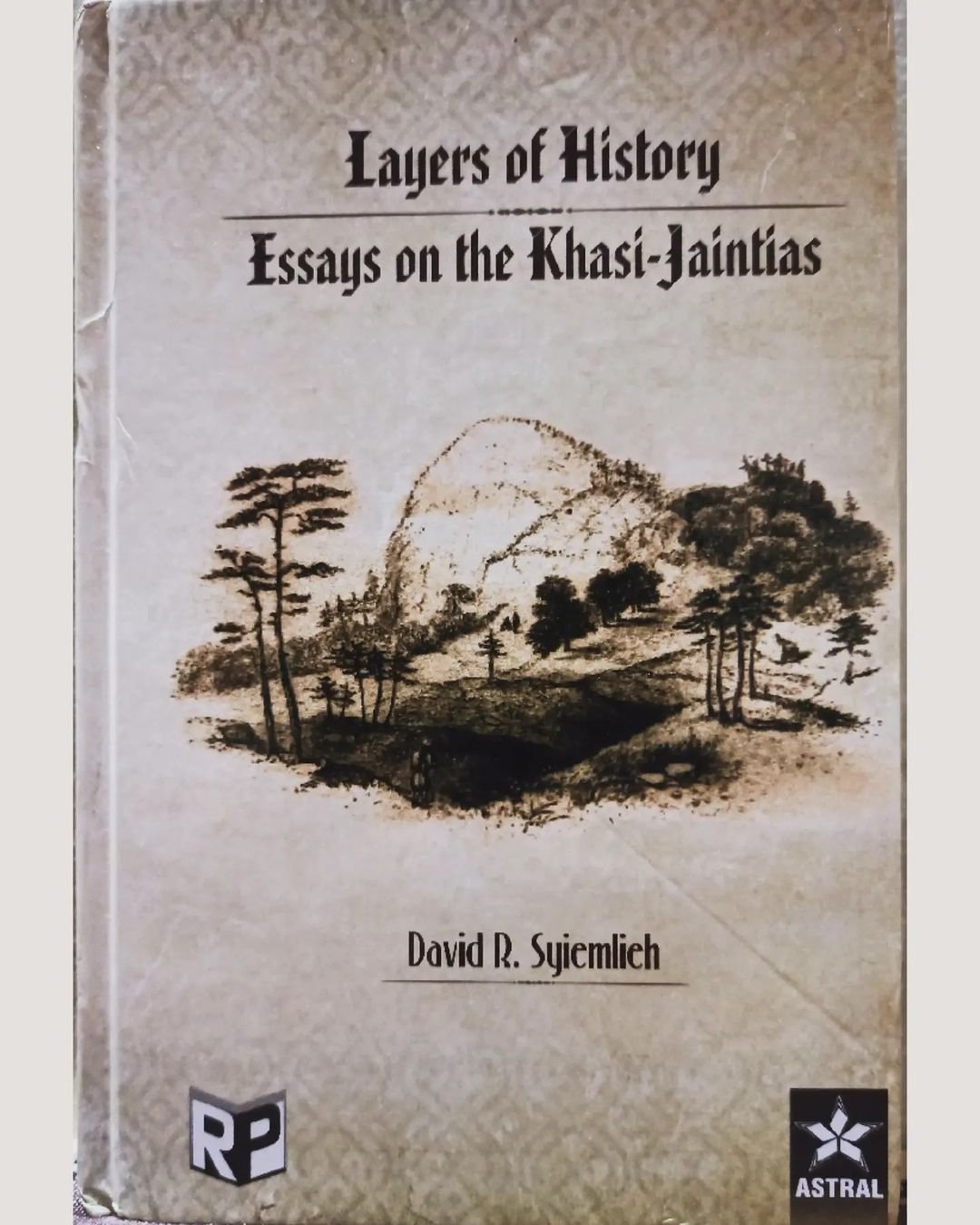
    Layers of History: Essays on the Khasis-Jaiñtias (2015) by David R. Syiemlieh.

    David R. Syiemlieh is a retired Professor of History from North-Eastern Hill University, Shillong, Meghalaya. He has also served as the Chairman of the Union Public Service Commission of India.

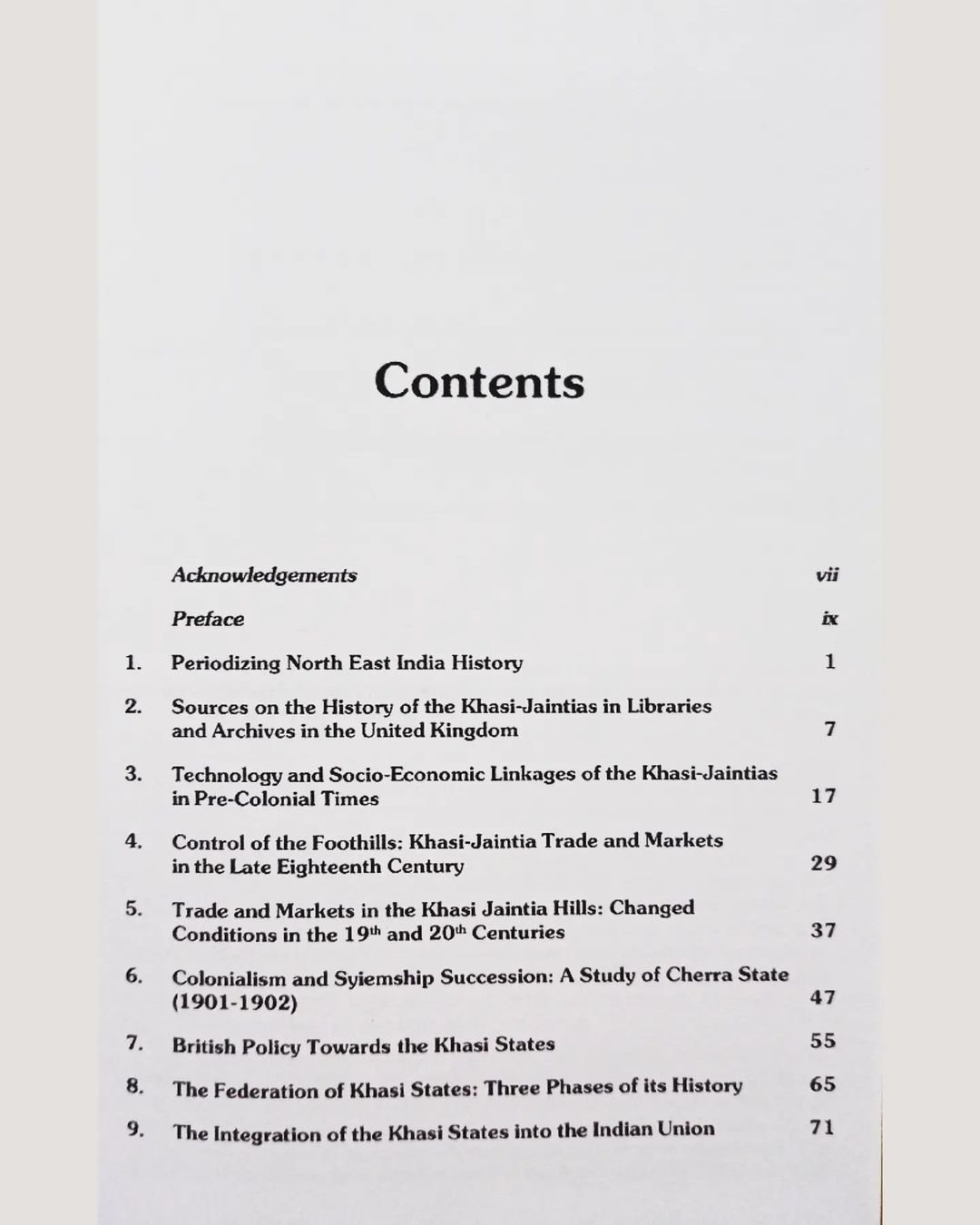
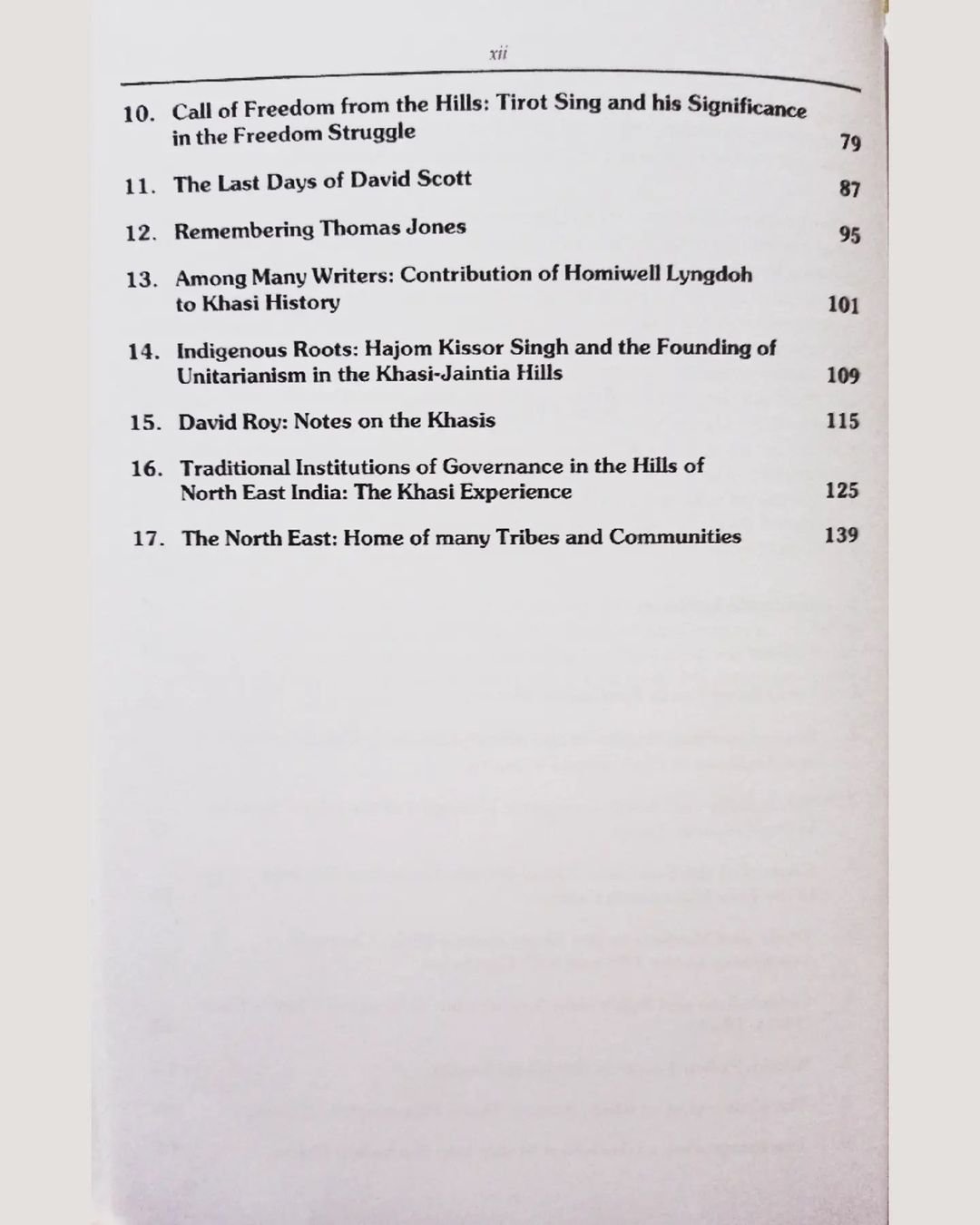
    The seventeen essays in this collection relate to the Khasi-Jaiñtias of Meghalaya in North-East India and cover a time span from their pre-colonial past, through the colonial era and into more contemporary times.

    The book is published by Regency Publications and is available on amazon.in

  • Ka Jingïamareh Kob ki Wah da Esther Syiem

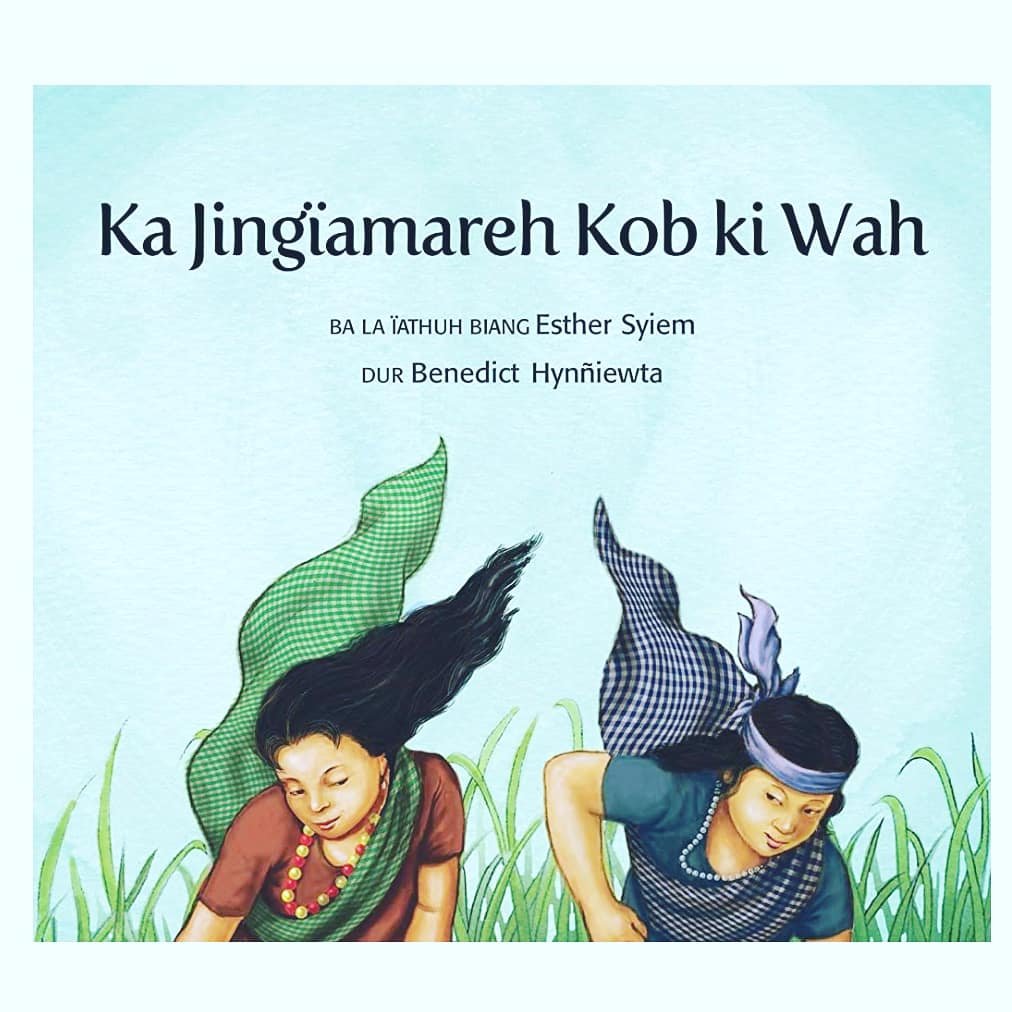
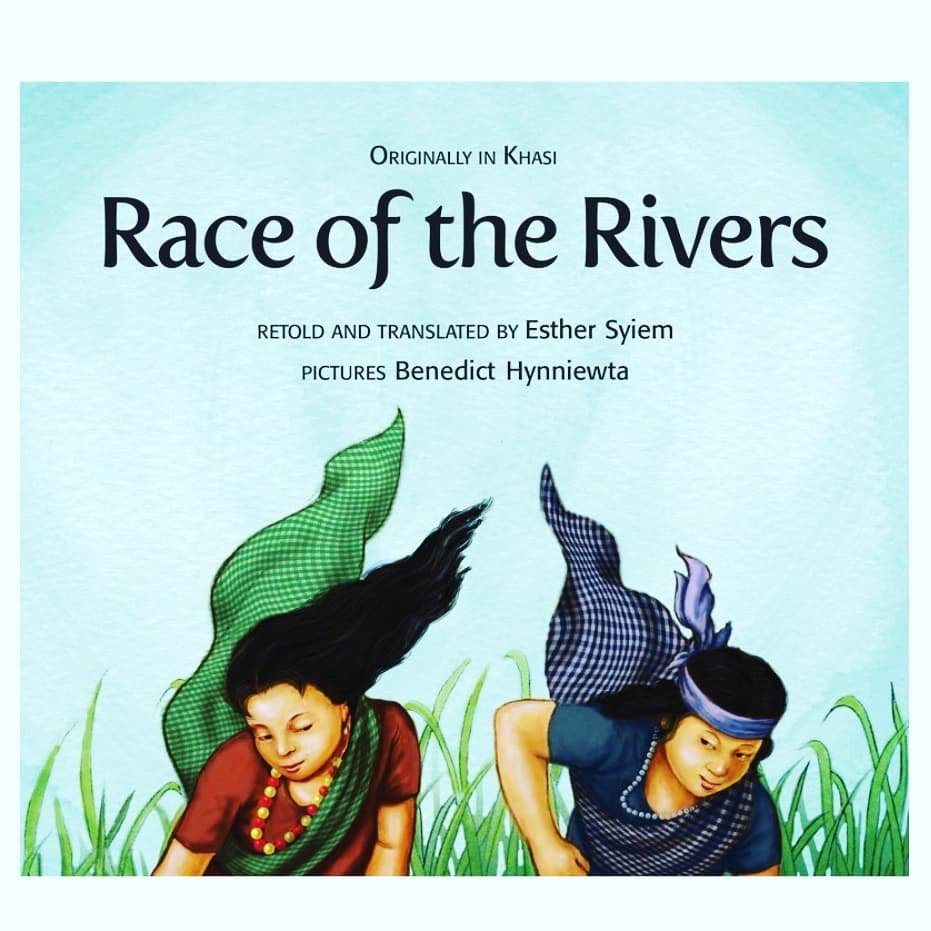
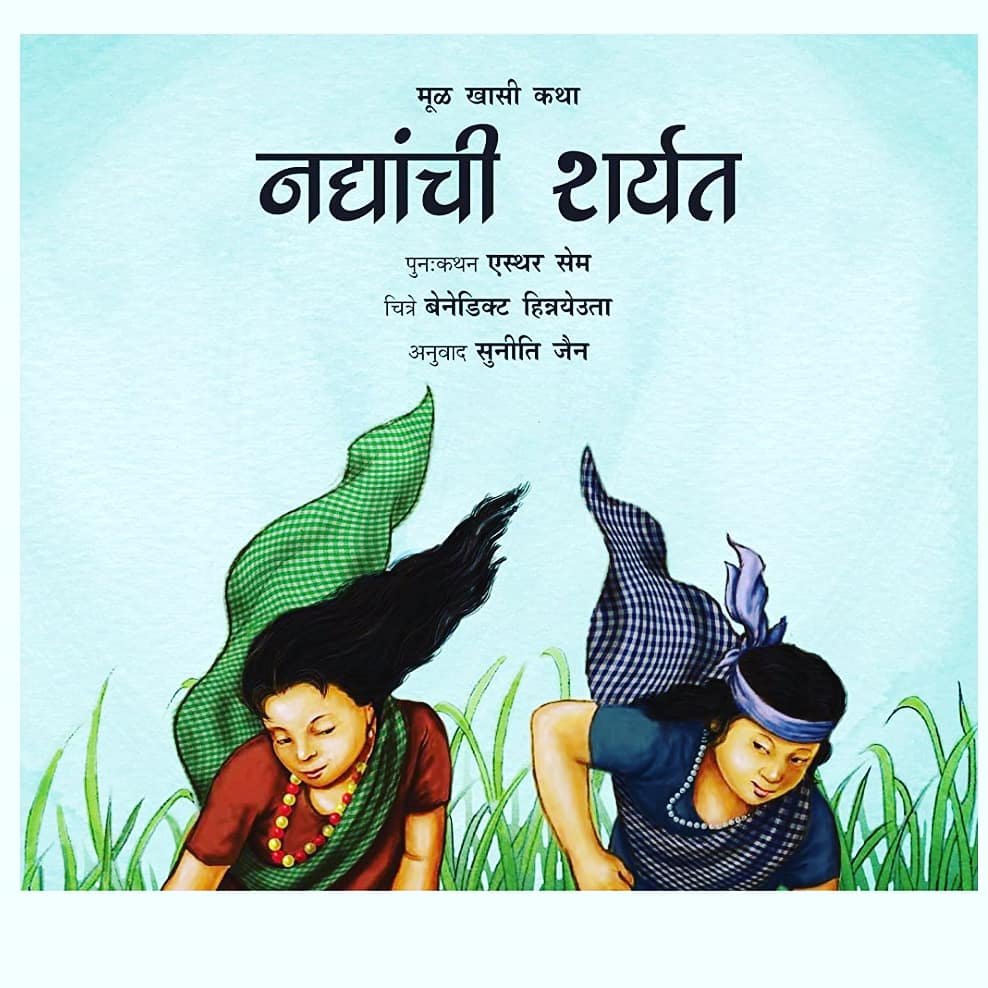
    Ka Jingïamareh Kob ki Wah , ba la ïathuh da Esther Syiem, Dur: Benedict Hynñiewta

    Ka Ïew bad ka Ngot ki ju sngewtynnad ban ïalehkai ha u lum hajrong. Ha kawel ka sngi, ka Ïew kaba kham shlur, ka la peit ïa ka jingshat ka sngi ha ki them shajngai bah bad ka la khot ïa ka Ngot, ka para kaba ju sngewtynnad ban shong mutdur, pyrkhat marwei, sha ka jingïakob mareh. Ha ka shi khyllipmat ka Ïew ka la kylla sha ka wah kaba kynthih ïa ki lum ki wah ban poi kloi shathie. Ka Ngot kam banse shuh ban bud lang… Mano ban jop?

    La ïathuh ïa kane ka khana pateng da ka nongthoh bad u artis, kiba ïoh mynsiem na ka mariang kaba dap da kiei kiei kiba jyrngam bad ba itynnad ha Meghalaya. Kane ka khana ka sngewban bang ïathuh ïa ki jnit ki jnat jong ka jingïamareh kob, katba ki jingdro pat ki tbeh sha kata ka jingïamareh na ki lum sha ki them.

    Ka Jingïamareh Kob ki Wah sien shon banygngkong eh ha ka ktien Khasi ïa kum kane ka kot dur.

    Ka nongthoh, Esther Syiem, ka hikai English Literature ha ka skulbah North-Eastern Hill University, Shillong. La palat shiphew snem eiei ba kane ka nongthoh ka la pyrshang ban wad bad plait bha ïa ki khana pynriewspah jaitbynriew jong ki Khasi. Ka dei ka nongthoh kaba thoh lang ha ka Khasi bad ka Phareng, ka nongthoh poitri kaba pawnam. Ka la pynmih ar tylli ki kitab poitri, ka drama Khasi, ka kot shaphang kine ki khana bad kiwei de ki ese.

    U Benedict Hynñiewta u dei u artis uba la pass na Visva Bharati University, Santiniketan, West Bengal. Ïa ki dur jong u, la lah pyni ha ki exhibition ha Ri India baroh kawei. U sngewtynnad ban put bisli bad u don bynta ruh bad ka folk fusion music group.

    .

    .

    .

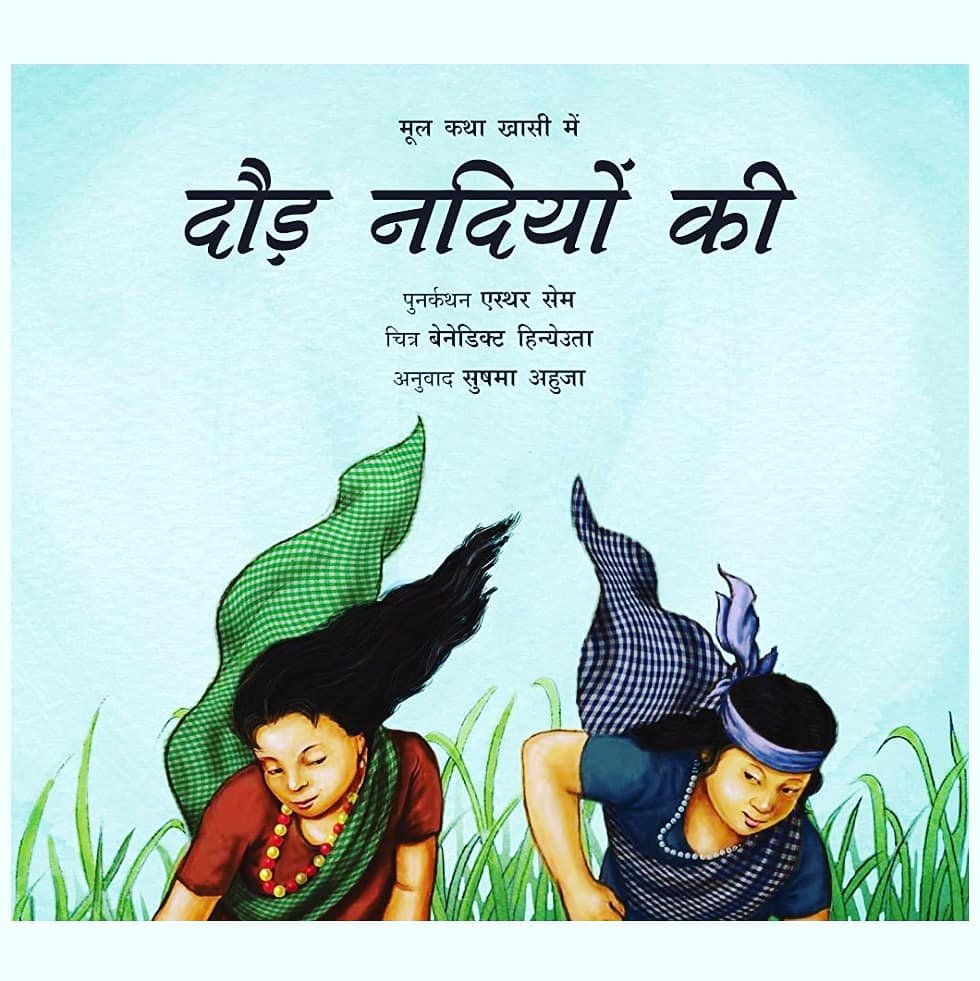
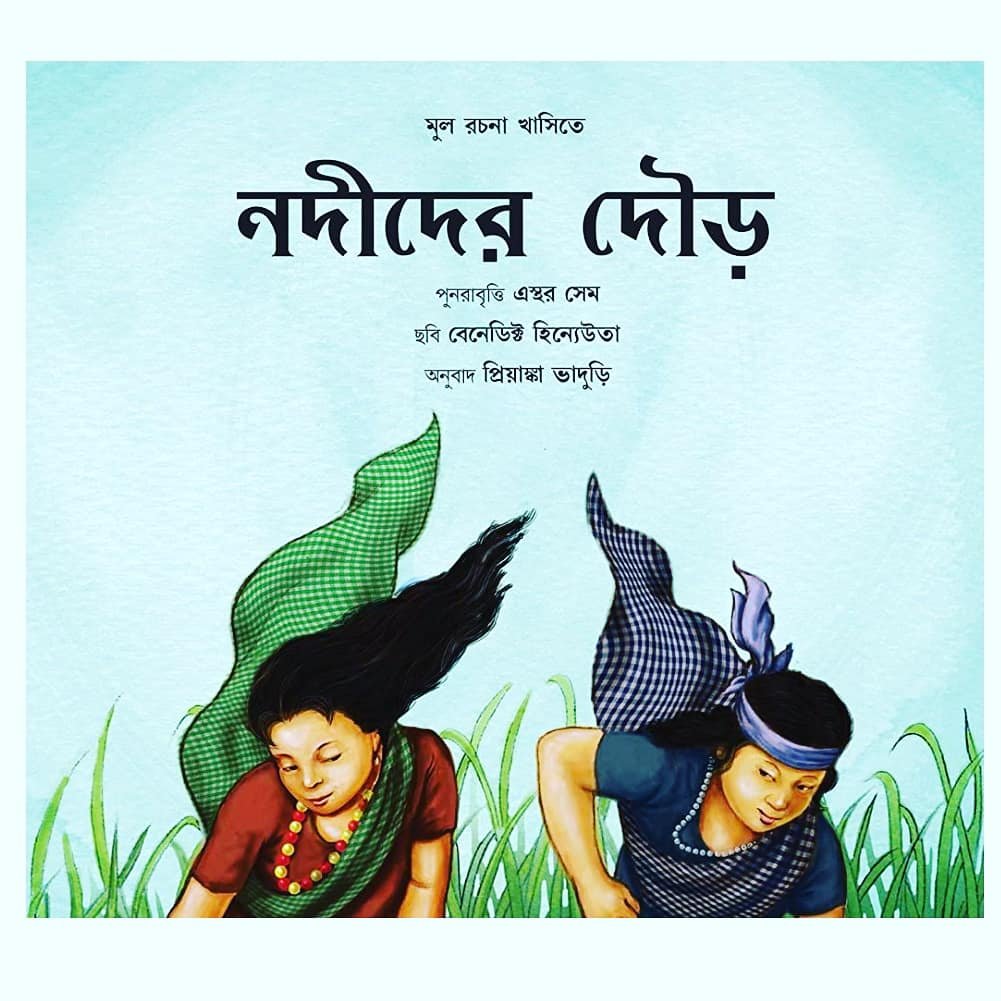
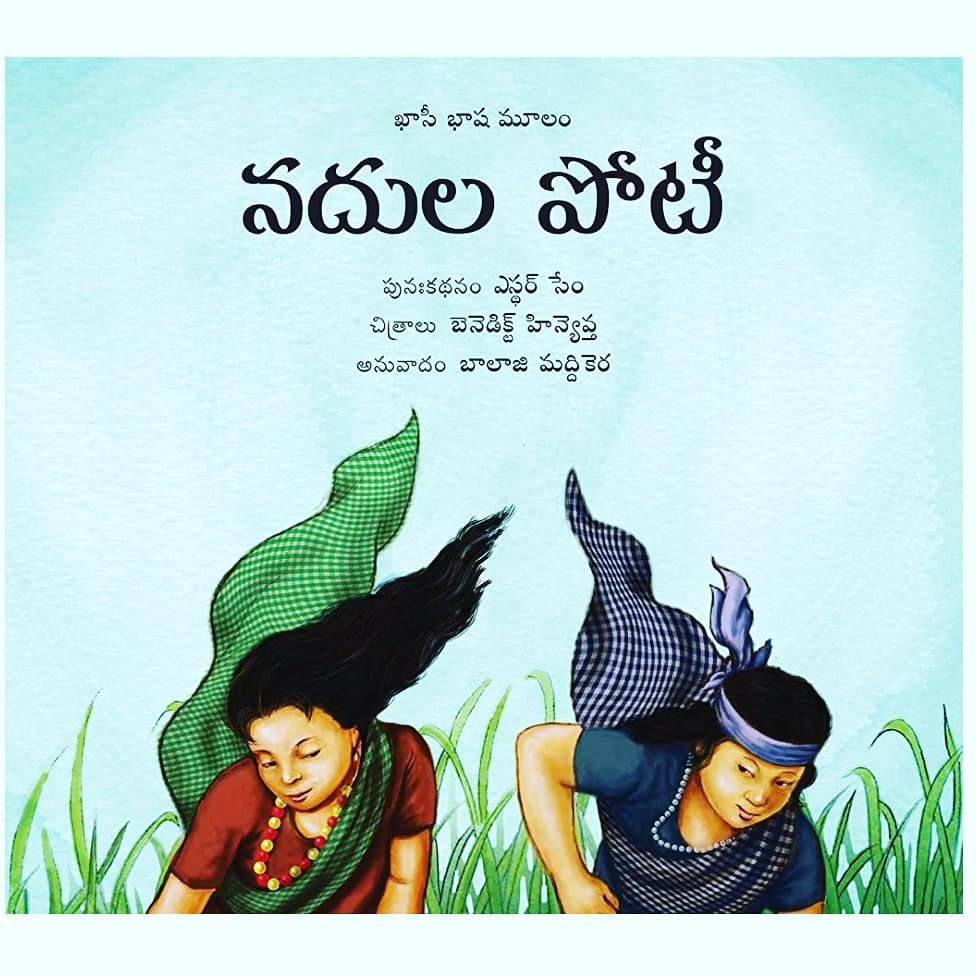
    Originally in Khasi Race of the Rivers, Retold and Translated by Esther Syiem, Pictures: Benedict Hynniewta

    Ka Ïew and Ka Ngot love to play on the hilltop. One day, the adventurous Ka Ïew looks at the sun shining down on the distant, sun drenched plains and challenges her quiet sister to a race. In a flash Ka Ïew becomes a river, ready to rush downhill, and Ka Ngot has no choice but to join her… Who will reach first?

    This well known Khasi folktale is brought to life by a writer and an artist, both intimately connected to and inspired by Meghalaya's varied, lush landscape. The evocative text delights in detail, while luminous illustrations flow alongside, taking the reader on a mood-filled journey from the hills to the plains.

    Race of the Rivers has also been published by Tulika in Khasi, in which it was originally written. It is the first ever picture book for children in that language.

    Writer Esther Syiem teaches English Literature at the North Eastern Hill University, Shillong. She has been involved in the study of Khasi folk literature for more than a decade now. A bilingual writer and established poet, some of her publications include two collections of poetry, Oral Scriptings and Of Wit and Wisdom of Follies and Frailties, and a play in Khasi, Ka Nam.

    Artist Benedict Hynniewta is an alumnus of Visva Bharati University, Santiniketan, West Bengal. Benedict's art has been displayed in exhibitions across India. Currently, he teaches painting in North-Eastern Hill University, Shillong. He loves to play the bamboo flute and is also part of a folk fusion music group.

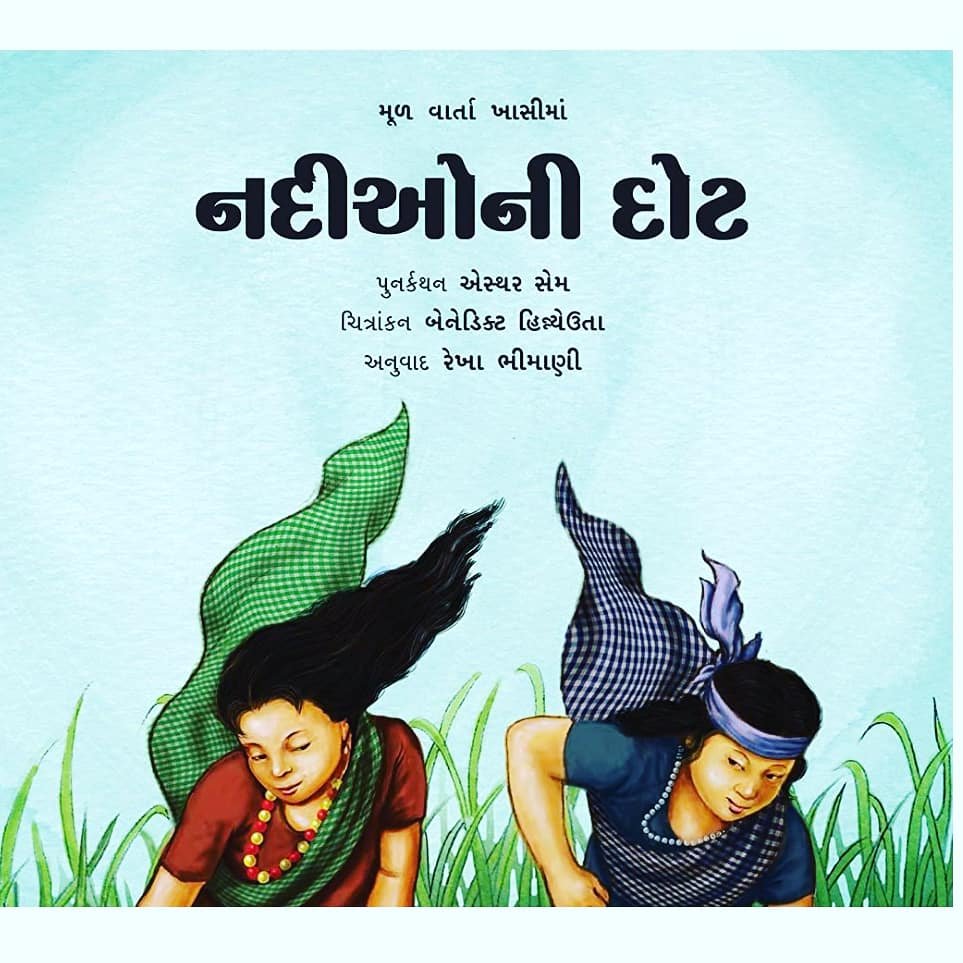
    Ka Jingïamareh Kob ki Wah the Khasi folktale of the rivers Umngot and Umiew, retold and translated into English by Dr. Esther Syiem and illustrated by @benedictskhemlang

    This book has been translated into different Indian languages including Hindi, Bengali, Tamil, Gujarati and Marathi. It is a perfect book for children! 🌻🌻🌻

    Both Dr. Esther Syiem and Benedict Skhemlang Hynñiewta teach in North-Eastern Hill University, Shillong, Meghalaya.

    The book is available at tulikabooks.com and amazon.in

  • “Ki jingsngew ha ka miet ba wan ka khlam” da Vancouver Shullai

    Sngew triem keiñ, para,

    Haba la poi ka Khlam ha phyllaw ïing.

    Sngew salia wat tang ban ring mynsiem ruh,

    Ïoh jia ba ka ïohsngew bad ka tip noh

    Hamar hangno ngi ïa rieh.

    Ka palong ha kaba la ju dem shiryta,

    Ka sngew pher mynta ka miet:

    Sngew eh ka tyrsok, sngew sohkyrdot ka rajai,

    Haba la khura kata ka Khlam ïa ka phyllaw ïing.

    Sngew artatien ban pyrta sha la ki marjan ruh

    Ban twad jingmut lem na ki,

    Ïoh jia ba ki la ïakynduh ïa kane ka nongshun

    Bad khah snam noh haba ïa khublei kti.

    Hynrei, para, nga pynkynmaw ïa phi,

    Ba ka step ruh kam jngai

    Bad ka Khlam kan sa phet sha la ka lynti

    Ynda thaba noh ka sngi ha phyllaw ïing.

    "Ki Jingsngew ha ka Miet ba wan ka Khlam" is an original Khasi poem by poet and singer @vancouvershullai ! 😄😄😄 Thank you for taking up the responsibility for writing in your own indigenous language! 🌲🌲

    As the pandemic rages on, all one can do is talk about how one feels to find solace. The current situation confronts us with our feeble mortal existence but it also teaches how faith, hope and courage can turn the weight of an overwhelming tide.

    Vancouver Shullai says of the poem: "This poem was written on the night the first COVID-19 positive case was detected in Shillong in the year 2020. An air of apprehension enveloped the entire town as soon as the news was reported. There was a very unusual sense of discomfort, I recall, an extremely foreign feeling no one was prepared for. I wrote this poem to document that calm yet fearful night."

    Thank you @vancouvershullai for documenting this experience in poetry!

  • “Choh Jamalung” (The call of the Cicada)

    As dusk fell, there are days in the valley of Ri Bhoi when children would gather outside their houses; and hold two little bamboo sticks in their hands. In front of a small tree or a branch and just beside the light bulb, they make beating sounds with those sticks to call the "jamalung" (an insect under cicada family).

    The children from Raid Nongtluh would also phawar (chanting song):

    “Et-et pule, charadom pule;

    Saiñ syrmah siñ-jop, siñ-jop

    Chi bang-op, bang-op.

    Dap te ka dap-te ka dap dohkha,

    Chang te ka chang-te ka chang kyrla;

    O! Siñ lum, O! Siñ wah:

    Ka kmei pha te ka tah, tung-dung;

    U pa pha te u wieh, cha-rung”

    The "jamalung" is captivated by the radiance of tungsten lights, and wings its way to the tree. The children are enlivened as they contend with each other for the catch. And the fate of "jamalung" is uncertain, it may be consumed, released back or played with till it is no more.

    "Ka Choh Jamalung" (The Call of the Cicada) is a chanting song sent by @esra_syiem ! 😀😀 Thank you for this unique entry!

    It is reminiscent of those childhood chants and games which sound like gibberish but no one cares because they're so much fun to say 😂😂😂 Those were the days when children were shooed away outside the house to play and shout 💞💞

    "tungsten light" is the light from a filament bulb.

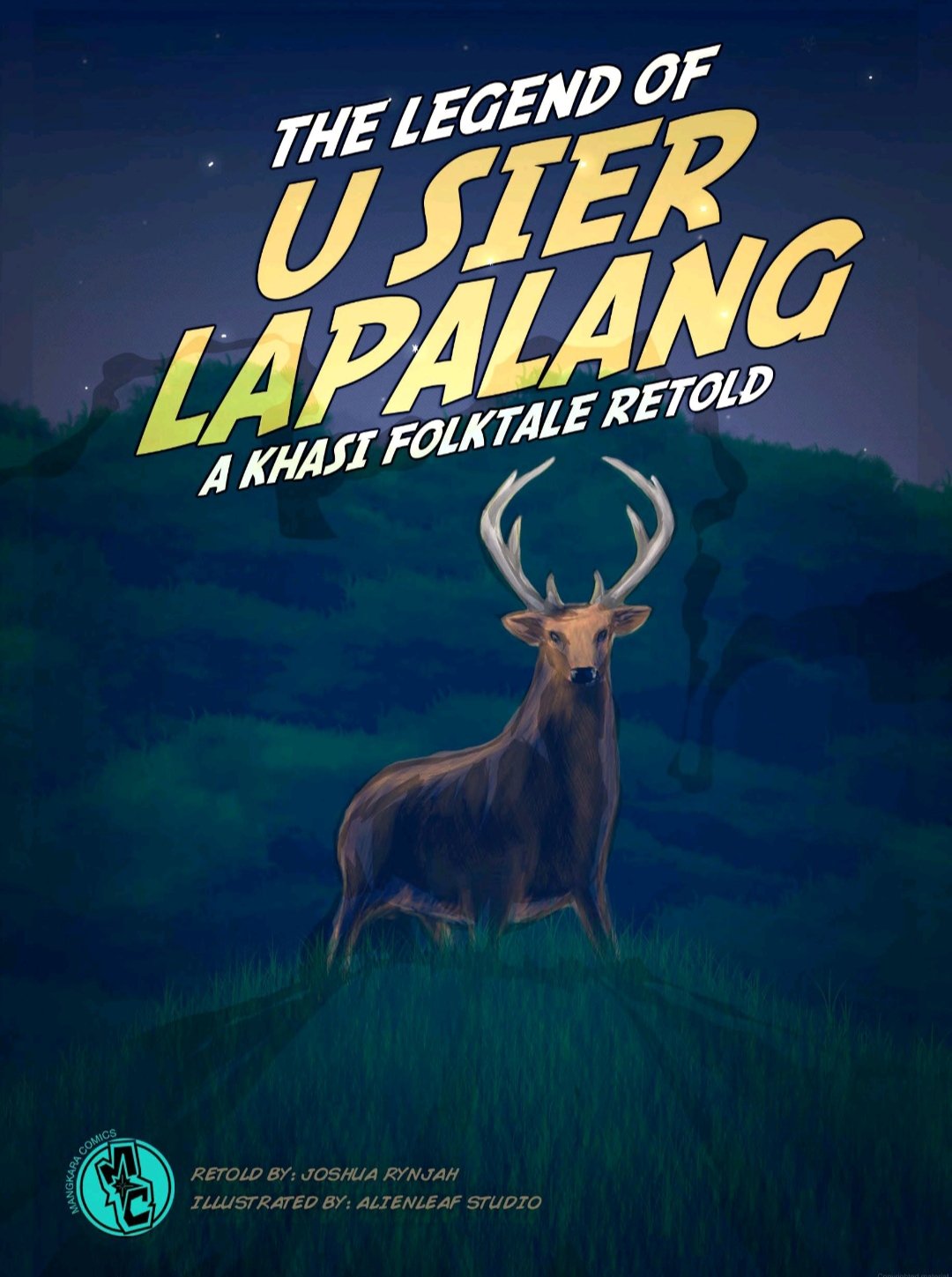
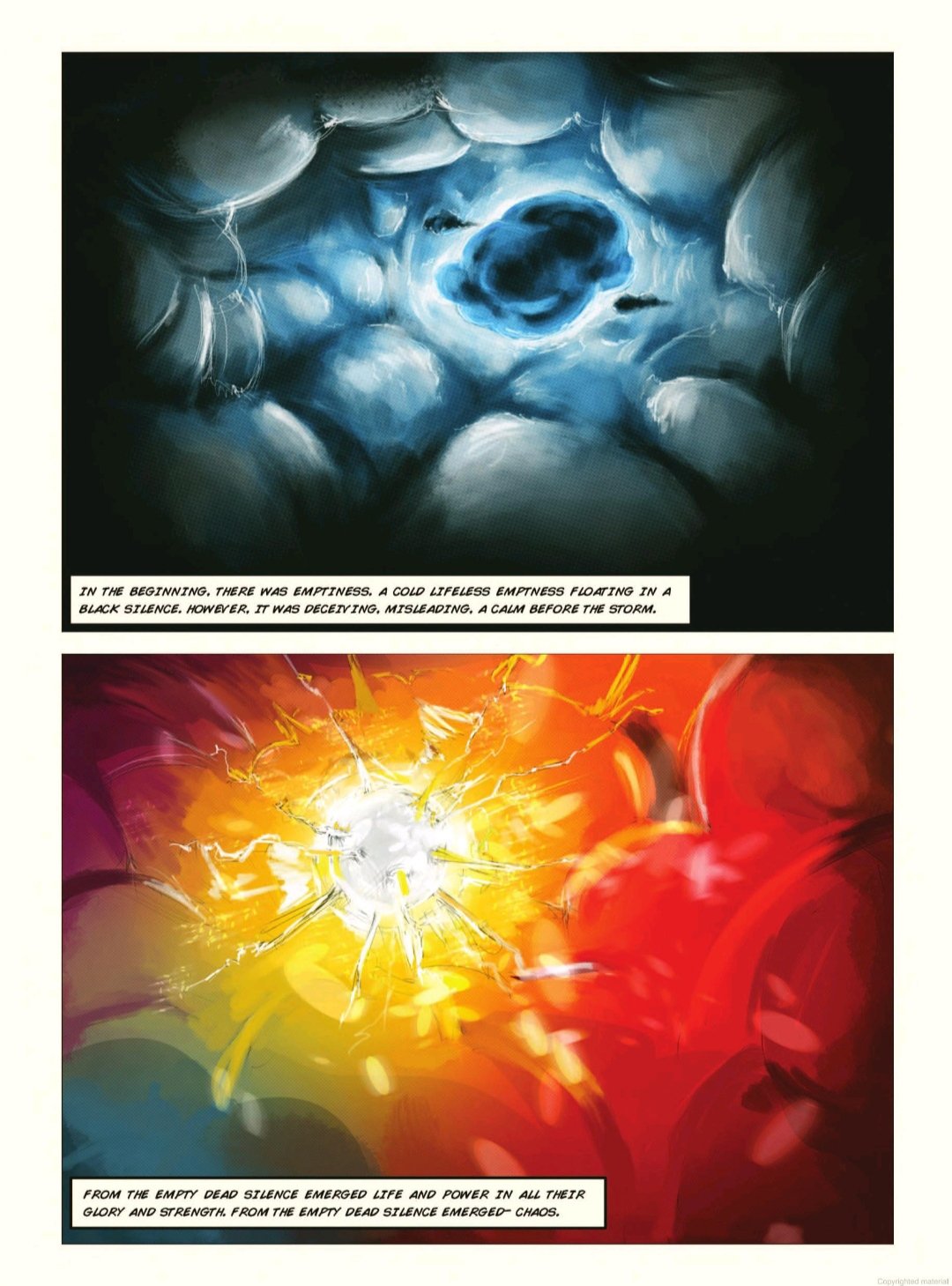
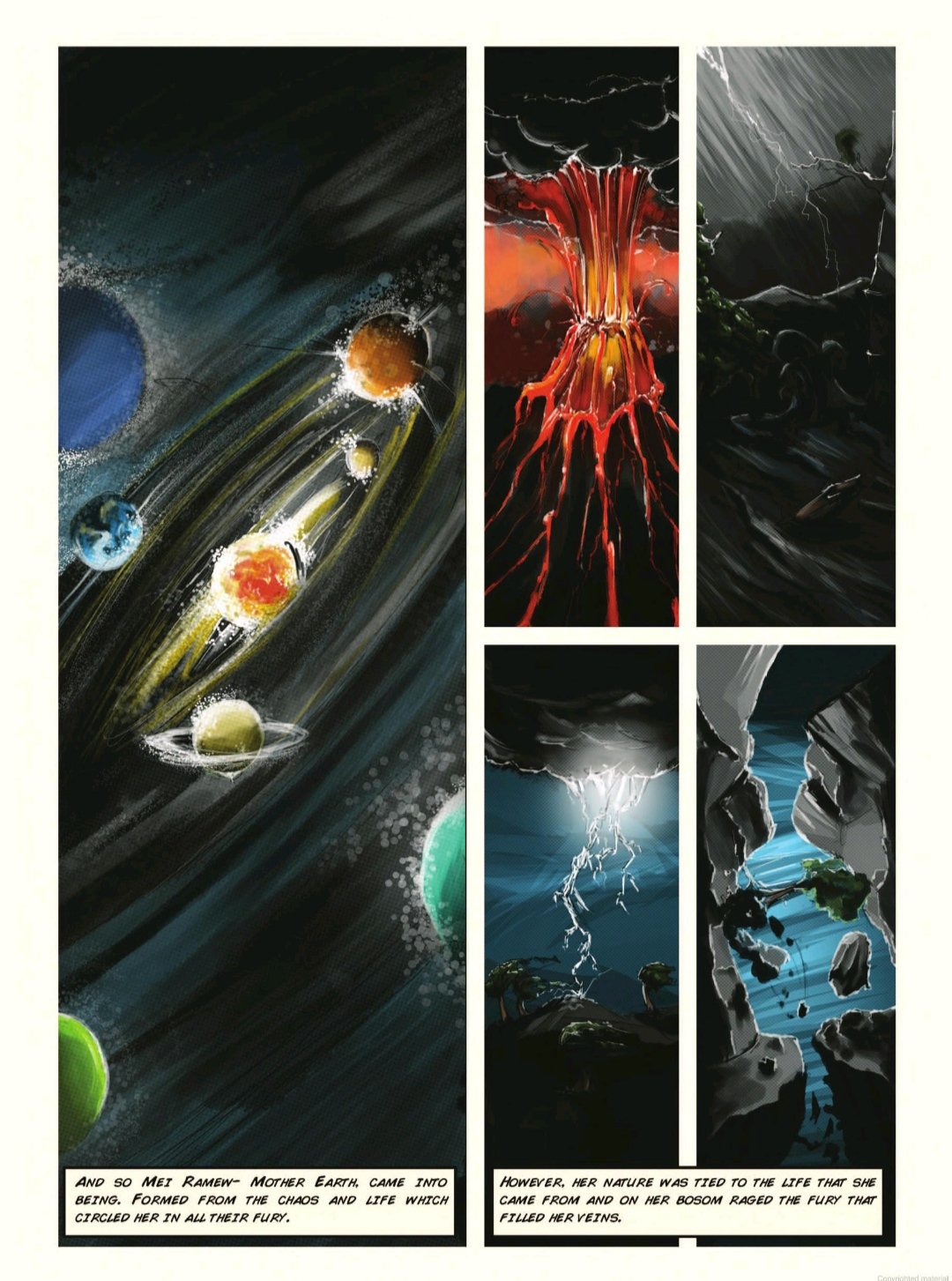
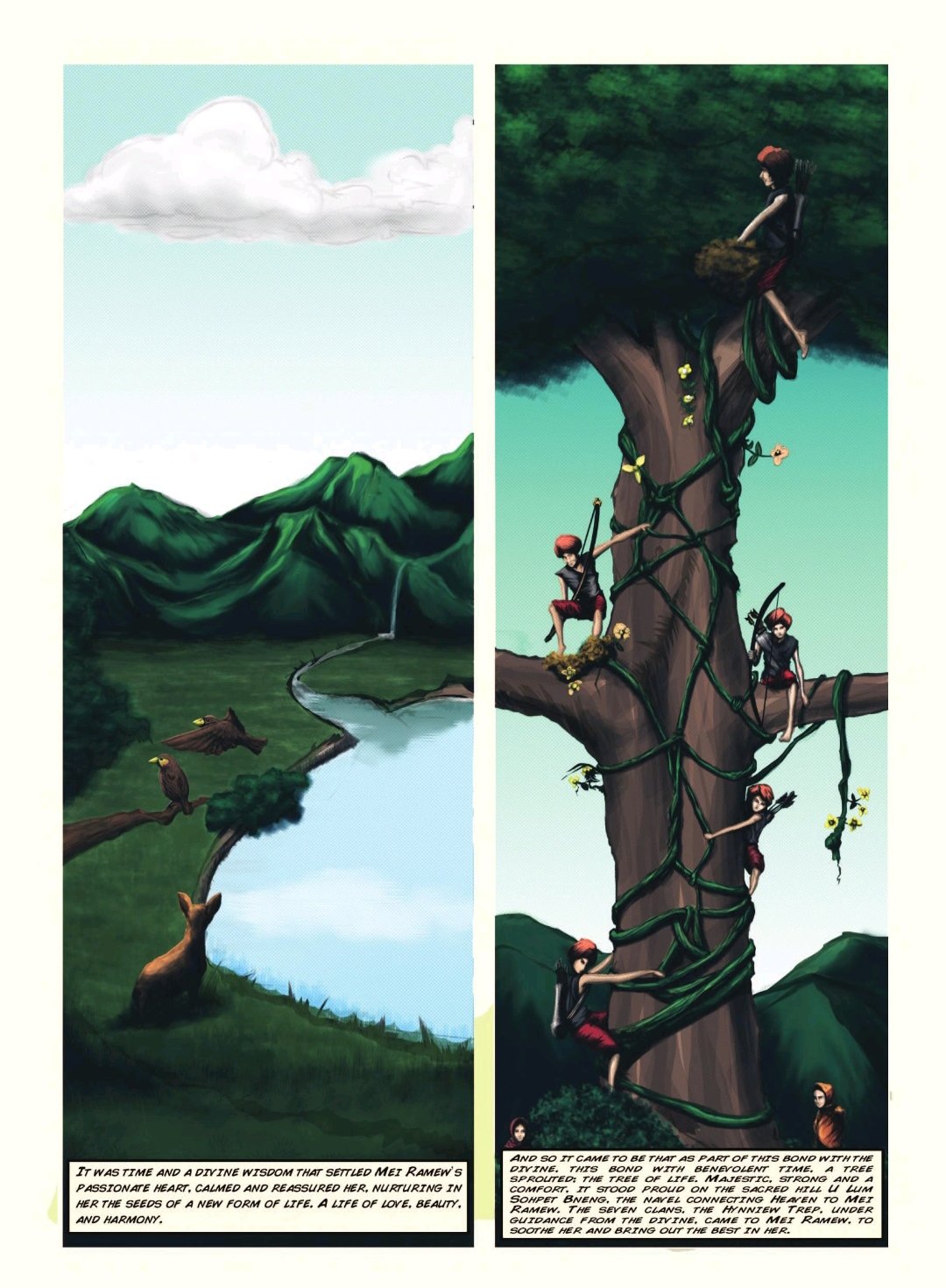
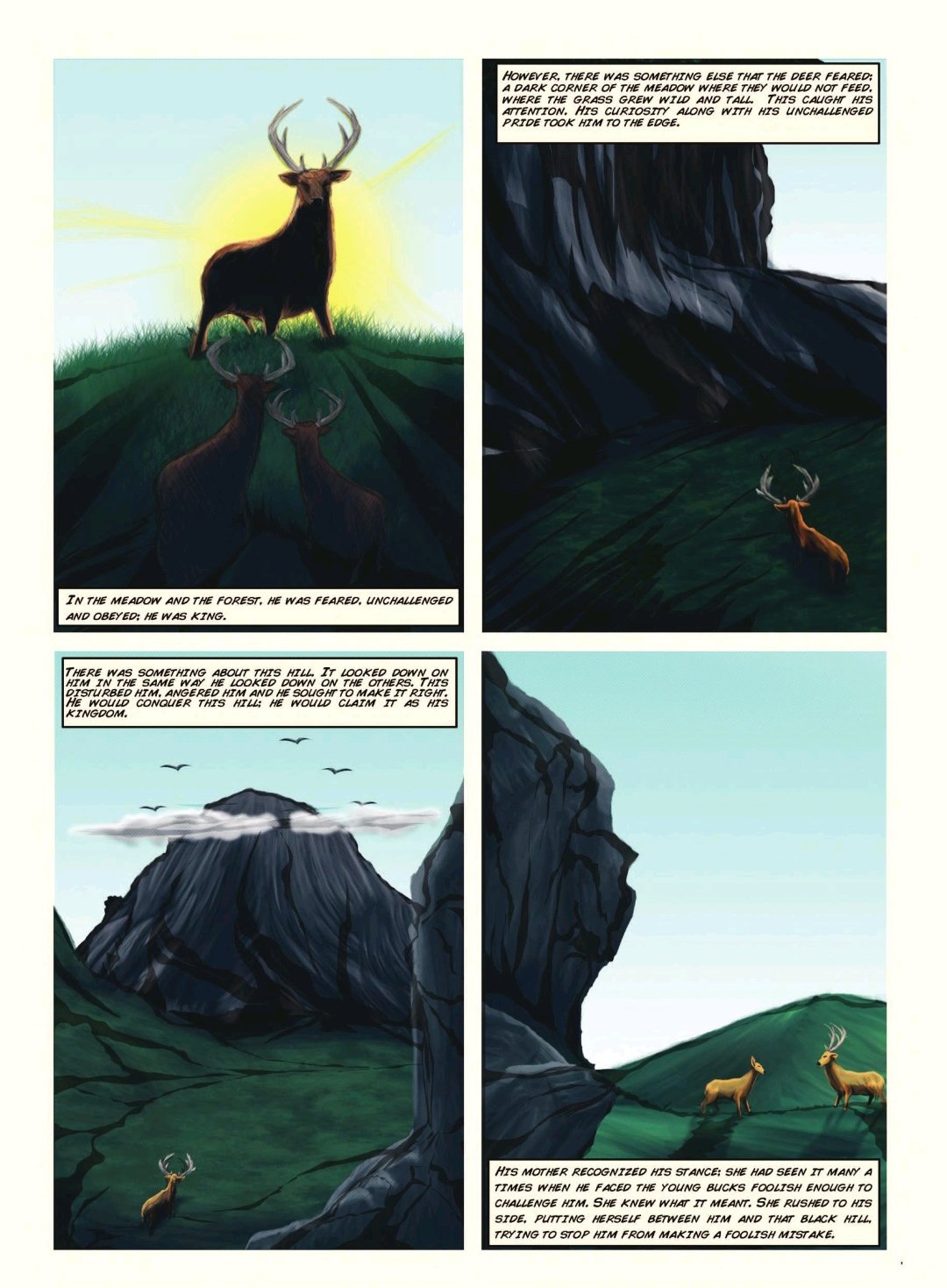
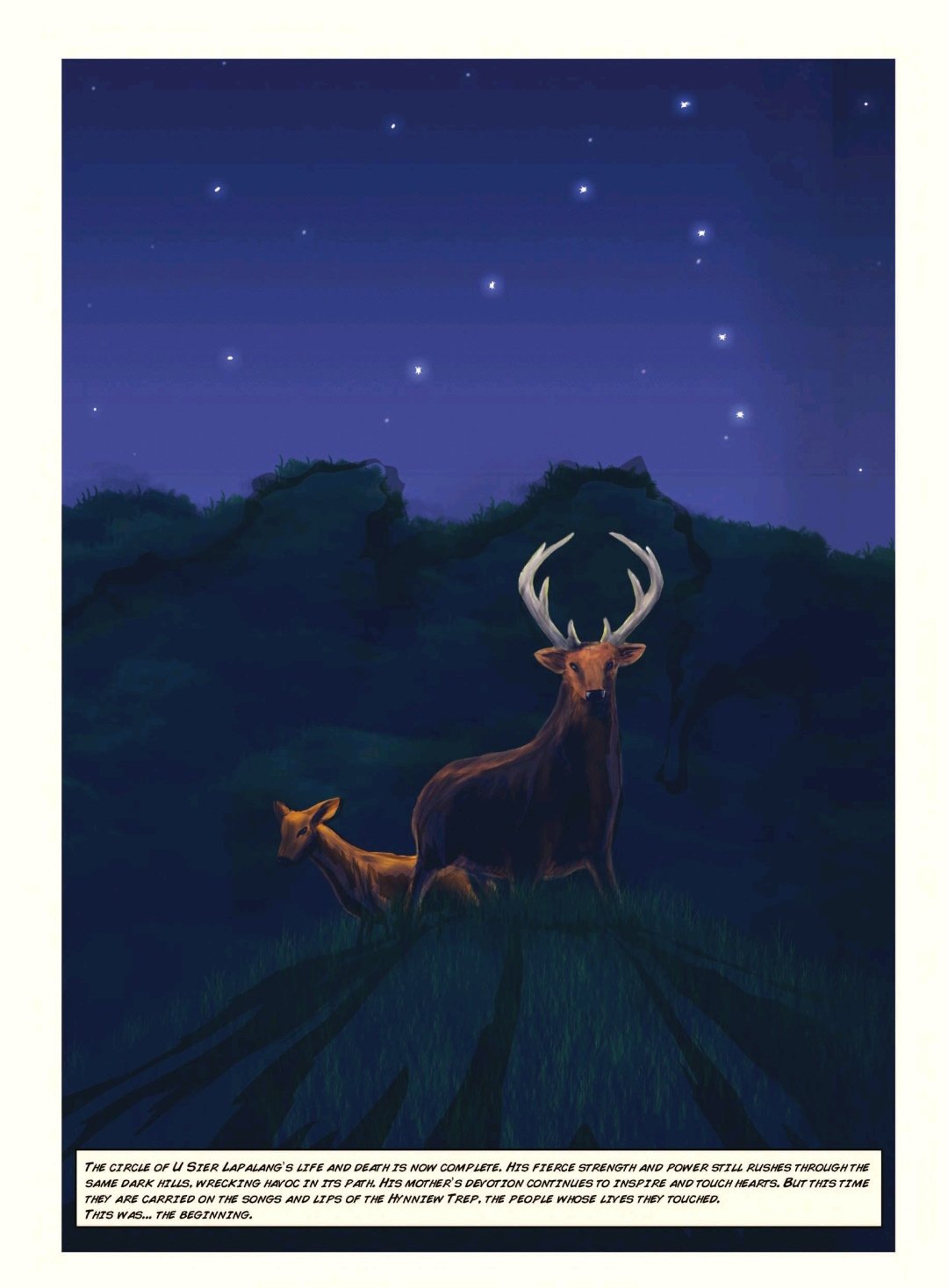
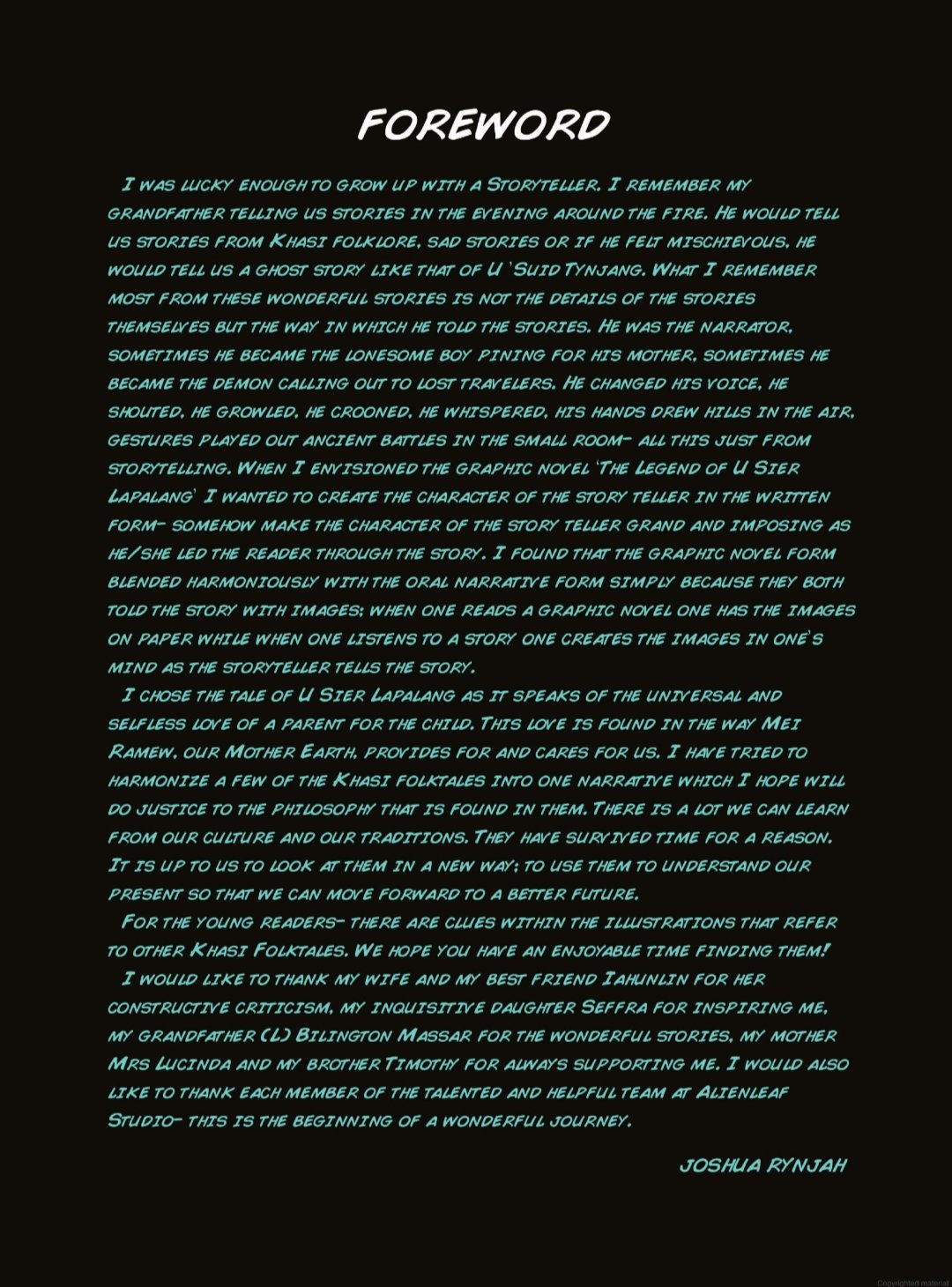
  • The Legend of U Sier Lapalang as a comic book!

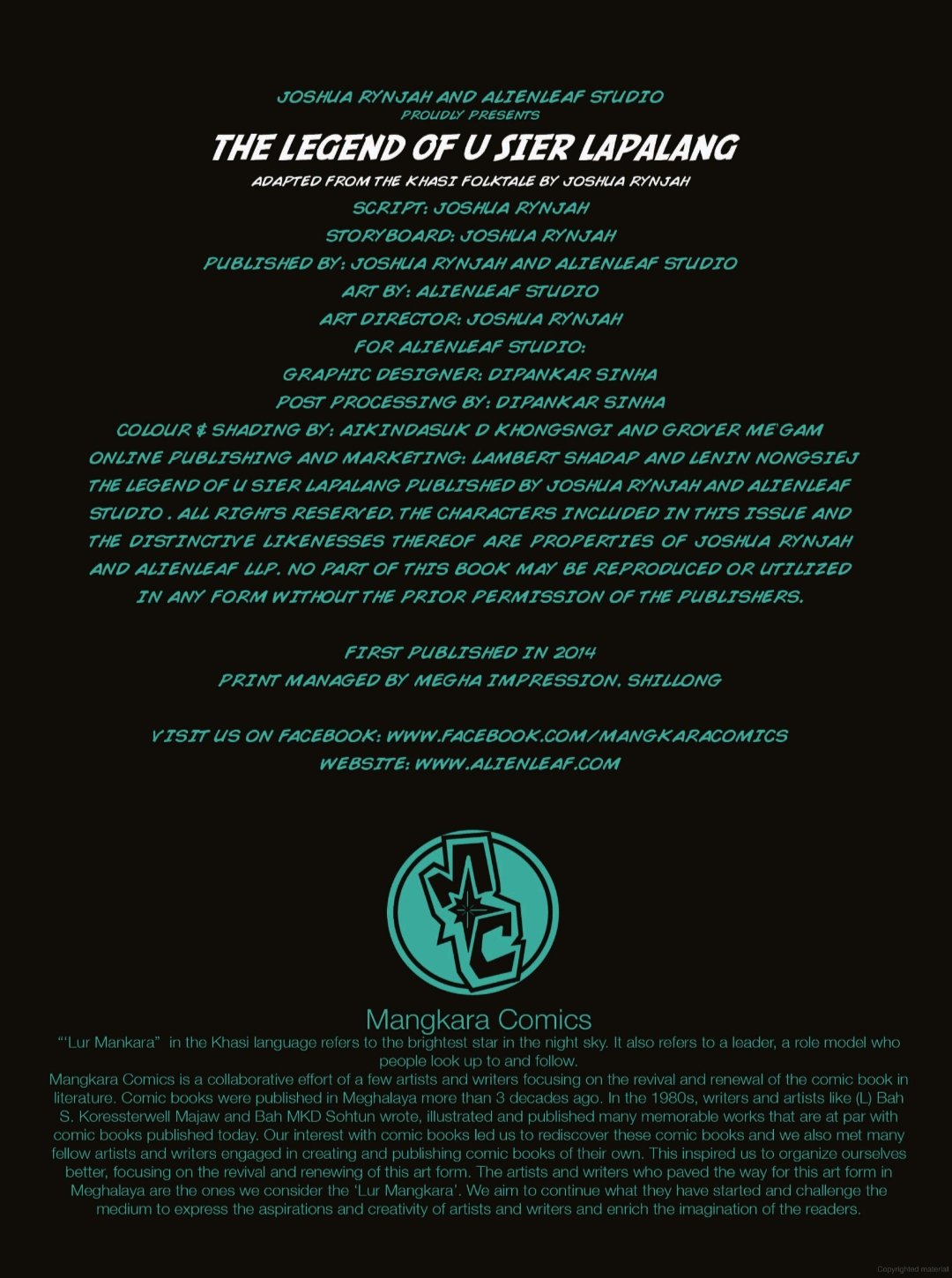
    This comic book has been adapted from the Khasi folktale U Sier Lapalang by Joshua S. Rynjah. It was published by Joshua S. Rynjah and Alienleaf Studio in 2014.

    The book is available on Google Play Store as an e-book: https://play.google.com/store/books/details/The_Legend_of_U_Sier_Lapalang?id=e-y4BAAAQBAJ

    Script: Joshua S. Rynjah

    Storyboard: Joshua S. Rynjah

    Art: Alienleaf Studio

    Art Director: Joshua S. Rynjah

    Graphic Designer: Dipankar Sinha

    Post Processing: Dipankar Sinha

    Colour and Shading by: Aikindasuk D. Khongsngi and Grover Me'Gam

    Online Publishing and Marketing: Lambert Shadap and Lenin Nongsiej

    Joshua S. Rynjah is an Assistant Professor in the Department of English, St. Mary's College, Shillong.