Category: Book Excerpts

  • Ka Um Bad Ki Deiriti haka Meirisawkun, Part 2

    Ki kyntien na Ka Um Bad Ki Deiriti ha ka Meirisawkun (2008) ba thoh da i Dr. Dondor Giri Nongkhlaw.

    Words from Ka Um Bad Ki Deiriti ha ka Meirisawkun (Water and Culture In The Environment) (2008) by Dr. Dondor Giri Nongkhlaw.

    Desert – Ri Shriaw

    Condensation – Saiñ umtli

    Chlorophyll – Bseng jyrngam

    Water table – Thar shong um

    Run off – Tuid wut

    Watershed – Domphiahslap

    Precipitation – Hap brum

    Here is the second list of unique words from the book Ka Um Bad Ki Deiriti ha ka Meirisawkun by Dr. Dondor Giri Nongkhlaw. 🌊🌊🌀🌀

    Dr. Dondor Giri Nongkhlaw is a Geomorphologist who has written several Khasi books focussing on the elements of the environment and their bond with Khasi life and culture.

  • Ki Lyer Pyrem, Part I

    Ka 'Erpyrhaw

    "Ka 'Erpyrhaw" ka dei ka lyer khlaiñ kaba beh nyngkong jong ka snem. Kane ka lyer ka neh ha ka jingkhlaiñ bad jingjur tang haduh ar ne lai sngi, ka beh jur mynsngi bad teng teng mynmiet ruh. Ka lyer pyrhaw ka long ka lyer kaba pyrsad bad pynkyan syntiew khamtam ïa ki diengsoh kiba pynmih soh ha ki por lyiur. Ka suiñbneng ha ki sngi ba bud ka long jur lyer bad khriat. Ka lyer pyrhaw ka long ruh ka lyer kaba pynrkhiang lut ïa ki ñuit bad stong ha ki jaka rep bun. Ka erpyrhaw ka wan rah ruh ïa ka leilieh, pyrthat bad slap ba nyngkong jong ka snem. Kane ka lyer ka wan ha ka taïew khadduh jong u bnai Rymphang ne taïew nyngkong jong u Lber.

    Ka 'erpyrhaw ka kynther bad pynhap lut ïa ki pui pui (pollen) jong ki syntiew na ki diengmet bad diengjem bad ynda la hap u slap nyngkong, kine ki pui pui ki satah bad pynstem ïa ka Iynti khlaw lynti shnong. Ju don u snem ba hadien ka lyer pyrhaw wan sa ka jingbeh 'erkyllang kaba jur ha u 'nai Lber ha kaba ki dieng, ki ïing ki shah rat bad ki briew ki mrad ruh ki mynsaw bad ïap da ka jingjur than ka beh Iyer. Hadien jong kane wan sa u slap ba ju hap phria kiba heh bad kane ka pynjulor shibun ïa ki jynthung. Ka suiñbneng, lada jur lyer bad slap kumne ka long khriat bad daitthah. Hynrei ha ki snem ba bud, hooid, ju don ka jingbeh ka 'erpyhaw tangba ka suiñbneng ka shit bad khluit bad ka umbam umdih ne tyllong um ki duna lane tyrkhong.

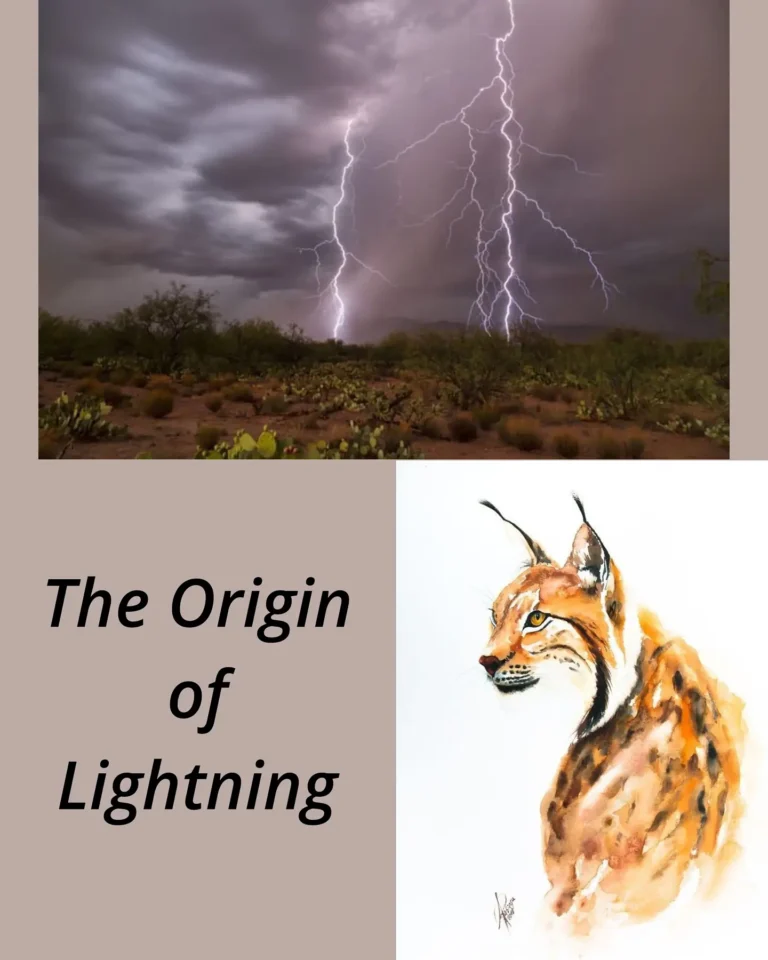
    "Ka 'erpyrhaw" is a strong wind which blows at the beginning of the year, in the last week of February or the first week of March. It brings lightning, thunder and the first rain of the year. The intensity of this wind lasts for about two or three days and is stronger during the afternoon and sometimes at night too. "Ka 'erpyrhaw" causes the blossoming of fruit trees whose fruit will arrive in the summer. The weather is windy and also cold at times, with this wind drying weeds and grass in the places where they follow "bun" agriculture.

    "Ka 'erpyrhaw" causes pollen to fall from the flowers of trees and when the first rain falls, pollen covers everything in yellow. There are years when after " 'er pyrhaw" comes a cyclonic wind ('er kyllang) in March arrives where trees and houses are blown away and people and animals die. After this, hail falls in big sizes causing the destruction of agriculture. The weather becomes even more chilly because of the rain and wind. However there are years when "ka 'erpyrhaw" brings hot weather with water sources becoming less or drying up.

    It is always rewarding to read the books of Dr. Dondor Giri Nongkhlaw who is an erudite Geomorphologist. 🏞️⛰️🌲 These paragraphs are excerpts from his book Ka Meirisawkun, Ki Skid Jingim bad Ki Deiriti (2007).

    🟡 English translation by @speakyourroots

  • Ka Sohra

    The following excerpt is from U Khasi Hyndai (1959) written by Rash Moon Roy Nongrum

    43. La don bun jait ki ktien ha kane ka Ri Khasi Ri Pnar jong ngi ba ngi ia kren hapdeng jong ngi bad ngim lah ban ia sngewthuh lut baroh ia ki ktien ba ki ia kren na kawei ka jaka ha kawei ka jaka.

    44. Na ka bynta ka jingbha ko jingbit jong ngi, U Pa Blei Trai Kynrad, U Nongthaw, U Nongbuh, U la pynmih ia kawei ka kynthei briew kaba la iathuh kyrteng ialade Ka Sohra. Kata Ka Sohra ka la wan poi ha lew Mawshohdoh. Kane ka shnong Mawshohdoh kaba don shi mail artet na Sohrarim.

    45. Kata Ka Sohra ka la kren tiak tiak, shliak shliak, ha ka sur ktien kaba jem jai jai. Ym don ba tip nangno ka wan poi hangta ha Shnong Mawshohdoh. Ka hikai ia ki briew baroh ban nang kren ia ka ktien Sohra. Ka riam ka beit ka kup ka sem ruh thabdiab kum ka nongsohra paka kaba mynta.

    46. Baroh ki para ba ia shong hangta ha Mawshohdoh ki la ia sngewbha bad sngewtynnad ban ia bud bad ban ia kren ka ktien kum kata Ka Sohra.

    Kata ka kynthei briew Ka Sohra ka la thaw la ka ïng ka sem bad ke la ker kper shaduh ki them ki phud wah ba leit hap haduh ka wah bah. Ka Nongrim
    Sohra ruh ka sah kyrteng haduh mynta.

    Naduh kata ka por ia ka Wah bah baroh shilynter ruh ki la khot Wah Sohra. Kata ka kyrteng Wah Sohra ruh ka la neh la sah kyrteng haduh mynta.

    47. Ki Sohra kiba la mih na Mawshohdoh mian pa mian ki la wan poi arsut pa arsut haduh ba kin da wan poi ha kane ka shnong Sohra kaba mynta, kaba dei Ka Sohra Thymmai. Ka Sohrarim te dei kaba la don la barim barim.

    48. Ki Sohra kiba la mih na Mawshohdoh ki la nang pynroi pynroi ia ka ktien Sohra. Haduh mynta ia ka ktien Sobra ki khot ka ktien Khasi paka.

    49. Ka ktien Sohra kaba hikai ban kren tang da ki ktien kiba don akor suda, lada ha ka iaid ka ieng ka ktien ka thyllieid dei ban kren tang da ka Akor kaba bha.

    50. Ka ktien Sohra ka hikai ban long kiba jemnud ha ka mynsiem ban nym long kiba bitar kiba khong khong.

    Ka ktien Sohra ka hikai ban nym kren ka ktien kaba iwtung lano lano lane iano iano.

    Ka ktien Sohra ka bikai ban tip ba ka Hok ka long kaba halor tam eh. Ka Hok ka jop ha kaba kut haba da iaineh ha ka Hok.

    Ka ktien Sohra ka hikai ban mane ban nguh ngon ban dem khrup tang ha la U Blei U Trai Kynrad U Nongthaw U Nongbuh ia lade.

    Ka ktien Sohra ka hikai ban mane ban burom la ki Kmie ki Kpa ki nongpun ki nongkha, ki nongpynsan pynrangbah.

    Ki Kmie ki Kpa ki long ki Mei Ïawbei Pa Thawlang.

    51. Baroh kiba mynta ki iathoh ki ia pule ruh tang ha ka ktien Sohra. Ka ktien Sohra kan sa phriang kylleng baroh ka Ri Khasi Ri Pnar. Hangta ngin sa long tylli baroh kawei ka Ri Khasi Ri Pnar.

    52. Ka Sohra ka shu jah noh haba ki briew ki la nang ban kren ia ka ktien Sohra. Ym don ba tip ba ka poi shano.

    53. U Khasi Hyndai um ju don ka ngeit bieit, namar ba u tip ba tang U Pa Blei Trai Kynrad hi, U long U Nongthaw U Nongbuh. Marwei hi U la thaw ia ki symbai bynriew. Nalor nangta ki thang ia ka met iap, kim ju tep hapoh thliew

    ia kiba iap, kiba tip ban thang ia ka met iap ruh dei tang ki briew. Namarkata ki ksuid ki tieng ki khaweit ia u Khasi Hyndai namar ba ka jingngeit bieit kam don ha uba hyndai u Khasi. U Khasi Hyndai u ong ba ka Hok ka long kaba kor tam bad kaba halor tam, namar ba uba hok um tieng iano iano ruh. U Khasi Hyndai u ong ba ka Hok ka jop ha kaba kut. Namarkata u Khasi Hyndai u ieng skhem tang ha ka Hok. U Khasi Hyndai uba ieit la ka Riti Khasi kaba neh ha ka Hok. U Khasi Hyndai uba kynshi uba isih eh ia ke Raibi kaba sniew eh.

    The following excerpt is from Funeral Nights (2021) by Kynpham Sing Nongkynrih

    At around this time, there was a fierce dispute between the people of Mawphu from the Khathynriew Shnong province and the people of Laitïam, in the south-east. The people of Laitïam were backed by two other villages, Ryngud and Sohbar. Both claimed ownership of a large tract of land bordering the heavily wooded River Umïong that extended up to another river called Risaw, north of Umïong. Soon, a protracted war broke out. The Mawphus killed the warrior leader of the Laitïams, called U Dei, near a place known as Nongsawlia; however, the LaitÏams retaliated and killed the Mawphus' warrior leader, called U Sohmen, not too far from where Dei had fallen. These places came to be known as Pomudei and Pomsohmen, that is, the hacking-of-Dei and the hacking-of-Sohmen. At this juncture, the founding clans of the new settlement of Sohra intervened. They talked to both parties about how futile and destructive the war had already been, and offered the idea of merging all their villages into a single hima, or state, comprising the provinces of Khatar Shnong, Khathynriew Shnong and Ki Lai Shnong–the three villages of Laitïam, Ryngud and Sohbar. The warring parties readily agreed, and a new state was born out of the war.

    The founding clans now began to look for a syiem, a king, who would be wholly responsible for the day-to-day administration. But nobody wanted a king from one of the other clans. They did not want to grant that kind of power and prominence to one who was not their own. It was when they were sitting in an open dorbar (council), trying to find a ruler, that a gentlewoman of divine grace mysteriously appeared out of nowhere and declared in front of the founding clans that her children would be the kings of the new state. When asked for her name, she said, 'Sohra, and when asked for her purpose, she said, 'My purpose is to teach grace and good manners to the people'.

    From that time, the new settlement was known as Sohra (for the settlement itself), Hima Sohra (for the state of Sohra) and Ri Sohra (for the country of Sohra). The names were given in honour of the mysterious woman, who, true to her word, tutored the people in the ways of civilised living and refined manners. It is for this reason that the community regards Sohra as the birthplace of Khasi etiquette and good conduct–'ka akor Sohra', a kind of savoir-vivre.

    But though the woman was accepted as divine, or at least as an agent of divine intervention, nobody thought of asking her what her name meant. It was only much later that people realised that she had chosen a name to reflect the most typical feature of the Sohra landscape. Since it is the wettest place on earth (I am sticking to this assertion because, although Mawsynram, the other East Khasi Hills village, has recorded higher precipitation now and then, the matter is far from settled–rain being a notoriously whimsical thing) and has a gently sloping tableland overlooking the plains of Bangladesh, Sohra has no topsoil. All of its topsoil has been washed away, either to the fertile and heavily forested gorges at the foot of the tableland, known as Ri War (where the War people live in their bountiful jungle farms), or to the plains of Sylhet, which are transformed every summer by the pelting rain of Sohra into a gigantic inland ocean. It follows then that Sohra is a place where nothing grows. And that is the meaning of Sohra: fruitless. In a way, the name completely justifies the description of the place as the wettest desert on earth.

    These two excerpts are about "Sohra": the origin of the name "Sohra" and the origin of the Sohra Khasi which is now spoken as the standard Khasi. Besides that the two exceerpts talk about the teaching of Khasi grace and manners which are valuable lessons for our children today! Very interesting! 👍👍

    Picture credit: https://www.tripadvisor.com/LocationPhotoDirectLink-g668046-i84372639-Sohra_East_Khasi_Hills_District_Meghalaya.html

  • Namar ba ka dohnud u briew…

    "Namar ba ka dohnud u briew ka dei ka jaka kaba rit eh ha kaba ka jingsngew jong u ka shong; pynban, dei na kata ka jaka ba ka bor kaba synshar ïa ka jingim jong u kaba man ka sngi ka wan mih, bad ba kane ka bor ka pynproh ïa ka jabieng jong u haduh katta katta ba u lah ban ïohi ïa kiei kiei kiba phylla kiba don ha lyndet ka jingïohi ki khmat jong u…"

    – La shim na U Don Putit Bad U Khlieh Ka Khnap Masi (1978) ba la thoh da u Dewi Singh Khongdup

    "Because the heart of man is such a small space where his emotions dwell; yet it is from this space that the power and energy that rules over his life everyday emerges, and it is this power and energy which sharpens his brain, to the extent that he is able to see incredible and wonderful things which lie beyond the vision of his eyes…"

    -Translated from U Don Putit Bad U Khlieh Ka Khnap Masi (1978) written by Dewi Singh Khongdup

    The heart and the mind, "ka dohnud bad ka jabieng" as the passage says energise our existence. ❤️🧠

    The series of books on the character of U Don Putit by Dewi Singh Khongdup are entertaining and humourous and also contain valuable lessons for human life.

  • Ki Bynta u Dpei or The Parts of Ash

    Ki Bynta u Dpei or The Parts of Ash (An excerpt from Dondor Giri Nongkhlaw)

    Katkum ba la ïoh lum na ki jaka kyndong ka ri, ki riewhyndai ki batai ba u dpei u don lai bynta bad u kynthup ïa kine – u symphuh, u peisieh bad ka khar ne ka bisi.

    According to what has been collected from different parts of the Khasi Hills, our forefathers assert that there are three parts to ash and these are: "u symphuh", "u peisieh" and "ka khar" or ka bisi".

    1. U Symphuh

    U symphuh u long u bynta ba nalor bad ba sting tam jong u dpei. Une u long rong lieh tdem phup phup. Ki rnga diengjem ki long kiba kham pynmih bun ki symphuh. Ïa u symphuh lah ban ithuh bha ynda la lip ka ding bad u snoh ha ki rnga. Tang shu don lyer malu mala, u khih, u per bad shah rong wut. Ha Khadarshnong la khot u symphuh katba ha Nongkrem la khot u phongrai.

    "U symphuh" is the topmost part of ash and it is also the lightest part of ash. "U symphuh" is smokish white in colour with a powdery and puffy texture. The charcoal of soft wood is what makes "u symphuh" and it is seen when the fire has died out and it clings to the charcoal. If there is a slight breeze it moves, floats and is carried away. In Khadarshnong they call this "u symphuh" and in Nongkrem they call it "u phongrai".

    2. U Peisieh

    Harum jong u symphuh don sa u dpei bani ba la khot u peisieh, uba mut ba la jyrsieh da u dpei paka ha ka jaka thang ding. Une u peisieh u kham bun bad kham khia ban ïa kino kino ki jingmih haba thang ding bad u kham ïaid ïew ha ka rep.

    Below "u symphuh" is a very fine ash called "u peisieh" which is the real actual ash from the fire. "Peisieh" is more in amount and heavier than any of the residue when wood is burnt. It is used more in agriculture.

    3. Ka Khar ne Ka Bisi

    Ka khar ne ka bisi dei u dpei ba shuiñ khyndew ba don ha trai duh jong u peisieh. Ka jingdon ka khar (carbonate of potash) ka leit long na ka jingshah jar ki kynja khleiñ ne umphniang ba la pynmih na ki dieng ha ka por ing. Їa kane ka jingkhleh khleiñ ne kynja umphniang u dpei ba shuiñ khyndew la khot ka khar ne ka bisi. Їa ka nongbah ba nyngkong bad ba la rim jong ka hima Shillong hyndai la ïoh kyrteng na u dpei ka Bisi, ïa kaba ki nong Mylliem ki khot ka Bisei.

    "Ka Khar" or "Ka Bisi" is ash that touches the ground and appears at the bottom of "u peisieh". "Ka Khar" is a carbonate of potash and it is there as a result of the oil or fat that is secreted as the wood burns. This mix of oil or fat in the ground ash is called "ka khar" or "ka bisi". The name of the first and the oldest town in Hima Shillong has been derived from ash, that is, "Bisi" or as the people of Mylliem call it "Ka Bisei".

    This is another interesting excerpt related to fire from Dr. Dondor Giri Nongkhlaw. Who knew we had names in Khasi for the different parts of ash! 🔥🔥

    Dr. Dondor Giri Nongkhlaw is a Geomorphologist who has written several books in Khasi which discuss the elements of the environment and their strong bond with Khasi life and culture.

  • Ka Jaiñ Banat/ Ka That Wanat

    La pynïakhlad ïa u kpieng sop ksiar na u paila, da i jaiñ banat basaw. Ine i jaiñ banat saw ym tang ba i shat pynitynnat haba peit hynrei i ïada ruh ba u paila un ym kyrshut bad pynkhoh phler ïa ka 'siarsla ba la sop ha u kpieng ksiar.

    Da pyngkhlaad ya'u kpieñ ksiar na u paila, da ka wanat waso, kani ka wanat ym toh du kat u pynyoo suk eh ko hawa pait, pyllait haroh ko na i khoi wa ya kyrchut u paila wa i ksiar.

    The gold bead is separated from the coral bead (paila) by a red piece of red cloth called "ka jaiñ banat basaw" in Khasi and "ka that wanat waso" in Pnar. Not only does the banat/ wanat cloth bring beauty but it also prevents the friction between the "paila" and the gold bead.

    "Ka jaiñ banat basaw" (Khasi) or "ka that wanat waso" (Pnar) is the red cloth that forms a separation between the paila (coral beads) and the golden beads that form the Khasi Paila necklace.

    Thank you @xdtnoahjupejackllthmanar for sending this interesting post about the Paila necklace! 😄🙏
    Khublei Chiboon Anvil wa pûnïarap phi u pûnkylla cha ka ktien Pnar ya kani ka post 🙏😄

    🟡 Photo credit: @xdtnoahjupejackllthmanar
    🟡 Khasi excerpt: Kong Sweetymon Rynjah
    🟡 Pnar translation: Anvil Laloo
    🟡 English translation is by @speakyourroots

  • U Dak Lai, The Number Three

    U Khasi u don ka rukom pyrkhat kaba kham kyrpang ha ka jingïadei bad ki dak "Lai". Haba thung mawbyrsiew, u pynïeng lai tylli ki maw ban shet jingshet. Haba phah khubor na kawei ka jaka sha kawei pat, u pyndonkam lai tylli ki ksah ne kyrwoh. Haba jer khun shynrang, u pyndonkam lai tylli ki kyrteng bad lai tylli ki khnam. Haba thang briew, u pyndonkam lai tylli ki 'nam tympem ban siat ha ka kpep ha ka por thang briew. Haba pyrta shnong, u pyrta lai sien lai wat. Haba thung mawbynna kur, ki thung lai tylli ki mawbynna na ka bynta u kñi bad ar ngut ki pyrsa. Haba poikha poiman lane haba iap briew, ki ap lai sngi lai miet ban trei ia kiwei pat ki kam.

    The Khasis have a unique perception and regard for the number "3" When they erect a "mawbyrsiew" which is the stone used as support for cooking in the hearth they use three stones. When they send a message or news from one place to another, they use three "ksah" or "kyrwoh" which are rings made from threads of bamboo. When they choose a name for a son during the name ceremony, they choose from three names and also keep three arrows. At the cremation, the Khasis shoot three arrows called " 'nam tympem" in the place belonging to a specific clan for cremations. When there is a public announcement, the "sangot" addresses the people three times before making the actual announcement. When they erect the clan moniliths, there are three moniliths: one for the maternal uncle and the other two for his nieces or nephews. When there is a wedding or a funeral, the Khasis wait for three days to perform other work.

    The number "3" has a significance that is wide ranging for Khasis and Pnars. Here is an excerpt from U Khasi Bad Ka Mariang by Rev. Dr. Ïarington Kharkongor. 3️⃣3️⃣3️⃣

    🟡 English translation by @speakyourroots

  • Ka Ngot bad ka Ïew

    Mynkulong-kumah, mynba dang lung ka pyrthei-ka mariang, la don arngut shipara, kiba kyrteng ka Ngot bad ka Ïew, ki khun jong u ’Lei Shillong. Baroh arngut ki long kiba bhabriew, la nam ka pyrthei-ka mariang baroh. Ki ïaid-ki-ïeng, ki leit-kai-leit-iaid ryngkat ryngkat shipara bad ki ïakup ïasem ruh kumjuh kumjuh. Ka nam ka burom bad ka dur ka akor jong ki, ka la par kylleng ka ri Khasi ri Jaiñtia.

    Ka Ïew ka la long kaba kham san kham rangbah, kaba la ïohi shuwa ïa ka Sngi ïa u Bnai. Hynrei ka kham sngewmeng, ka khoi-khoi mynsiem sngewrem lada kam lah ban leh ïa kano-kano kaba ka la thmu ban leh. Ka la long kaba kham kab-kab bad kham shlei-ktien khlem pyrkhat. Kaba leh kjeh, hynrei ka phoi kynsha bad ka syam. Ka Ngot pat, ka long markhongpong ïa ka Ïew. Ka mynsiem jong ka, ka jem hun-hun bad ka bapasiang kum ka tlieng. Ka khmut-ka-khmat jong ka, ka i jemnud jai-jai, bad ka phuh samrkhie rymmuiñ kum u 'tiew-dyngngai ba dang shylluit hapoh kob. Ka smat, ka sting bad ka ïarap ïa la ka hynmen ban trei ïa kane-katai.

    Ha kawei ka sngi Synrai kaba rang bha kdiar kdiar, bad ba phngaiñ bha ka bneng, ba lah ban ïohi sawdong ïa ka trai-bri pyrthei: ka Ïew ka la ïawer ia ka Ngot ban leitkai shalor Lum Shillong. Ki la ïaïaid kai kylleng shane shatai, haduh ba kin da poi top halor lum. Haba ki dang khmih nangta sawdong ka ri Khasi, ki ïohi ïa ki lum-ki them, ki wahduid wahheh, ki lyngkha-ki risa, bajyrngam byrtem, ki baitynnat la biang; bad haba ki phai shaphang arsut jong ka ri, ki la ïohi ïa ka ri thor jong ka ri Dkhar, kathie ngai-lyngai. Kane ka jingïohi baitynnat ka la shoh-jingmut ïa ki arngut shipara haduh ba ki la kwah ban leit jngohkai ïa kito ki jaka-ki puta. Ki um ki baphyrnai khlek-khlek bad ki baphalang ha ka jingthaba jong ka sngi, kiba don ha ki baden bad ki bir, ki pynkyndeh-mynsiem ia ka Ïew bakhyllew; bad ka la ong ïa la ka para, ka Ngot, ban ïaleitkai shata.

    Ha ka banyngkong, ka Ngot kam shym treh, namar ka la sheptieng ba jngai than. Hynrei ka Ïew, ka beiñ-ka-sin ïa ka ba ka long ka bakhawpud bad ka barit-bor-rit-mynsiem. “To” la kren-kob ka Ïew “lah mapha ne manga ban ïa mareh pynpoi kloi shaduh shathie.” “Em phi kong,” la ong ka Ngot, “lada phi kwah te ngin ïaleit lang keiñ, namar ngim tip ïa ka lynti ka syngkien kaba kumno bad ba ka bajngai artat” — Ka Ïew ka la kem-ktien bad ka la ong: “To ngin shu ïa kylla-um bad ngin leit tuid katba poi kloi.” Ka Ngot pat haba ka la ïohi ba ka Ïew ka la sngew-sarong than, ka la klet-noh ïa la ka jingrit-mynsiem baroh bad ka ong: “Lada phi da kob eh katta katta te to.” Te baroh arngut ki la kylla artylli ki wah.

    Ka Ngot ka la wad lynti na basuk bad ka tuid hin-lyhin, na ki jaka ki bajem, haduh ba kan da poi sha Shilot. Hynrei la ka lynti jong ka ka kham suk, ka la long pynban kaba khongdong mongdong, ka bakyllaiñ bad ka bajngai. Ynda ka la poi ha Shilot, la ka peit ïa ka hynmen shano shano ruh kam ïohi, kumta ka la sngewlyngngoh bad ka la sheptieng ïoh la jia eiei ha lynti. Ka la khun ïalade sha Shatok bad ka la leit shaduh Dwara, nangta ka phaidien biang ban leit wad ïa ka Ïew. Kane ka jingkhun jong ka Ngot ka la long ka baitynnat haduh katta-katta ba ki kjat sngi ki sngewtynnat ban leitkai sha ka bad ki shad ki sngewbha ha ka. Ka Ngot pat da ka jingphalang ka sngi, ka thaba khlek-khlek kum ka rupa bad namar ka jingpynkhun jong ka, haduh mynta-mynne ki briew ki sin ïa ka, ka “Rupa tylli.” Bad ha kata ka jaka, ki khot ïa ka haduh kine ki sngi, ka “Wah Rupa tylli.”

    Ka Ïew pat, ha la ka sngewmeng sngewsarong, ha la ka sngewkhlaiñ bor khlaiñ tyrpeng, ka wad na bajan bajan. Ka thom bor ïa ki lum ki them, ka kylla khriang bad lat-lat; ka syllud ïa ki diengbah diengsan, ki mawbah mawheh, bad ka tih naphang kat ïa kiba wit ha lynti. Hakhmat jong ka, ym don bakhraw ym don barit, ka syllad naphang; wat ki mawramsong, hakhmat jong ka ki kylla-mat-lieh, bad ki tyllun kum ki mawpyllon. Hynrei haba ka la poi ha Shella, ka dum ka buit ka stad jong ka baroh; ka la lyngngoh ngaiñ bad ka la sngewingkhong khait, haba ka ïohi ba ka Ngot, ka lah da poi nyngkong. “Ïa kat kane ka raiñ ka rem, ka jahburom duhburom, hakhmat ka pyrthei, ban da jop eh da ka para, la ong ka Ïew, ngan nai im shuh hi, la suk ka ïap.” Kumta ka ïam ka ud ka lympat-ka-lynsher ïalade, haduh ba kan da pait san bynta bad ka kylla san tylli ki shnat-wah; ka Dwara, ka Umtang, ka Kumarjani, ka Pasbiria bad ka Umtarasa.

    Naduh kata, don kiba khot ïa ka, ka Umïew bad don ruh kiba khot ka Umïam. Bad na kata ka jingjop, ka Ngot ka la kylla long kaba kham halor. Baroh ki ñiew ïa ka kaba kham pawnam, kham don-burom-surom, kham itynnat bad kham iphuh-iphieng. Te u dkhar-u-lyngkien ruh, u kheiñ ïa ka kum ka blei bad u noh ka kñia-ka khriam, u nguh-u-dem bad u duwai-u-phirat ïa ka. Haduh kine ki sngi, u khun ka ri Laiphew syiem bad u khun ka ri Khatar Doloi, u kheiñ ba ym bit ban jam pynjah-burom sha shiliang jong ka, khlem nguh khlem khublei, kumba ju long ka akor Khasi naduh hyndai ka sngi, ba ym bit ban ryngkang ne ban jam ïano ïano ruh, ne ban ïaid na khmat jongno jongno, namar ba ka long ka nongjop basngewrit.

    Umiew and Umngot are two major rivers in the Khasi Hills, both springing from the Shyllong Peak and flowing towards the plains of Bangladesh. But legend has it that the two rivers were the twin daughters of U 'Lei Shyllong, the god of Shyllong. As goddesses, the two were much acclaimed throughout the length and breadth of Ri Hynñiew Trep for their matchless grace and beauty and their love for one another. For in the world of spirits they were never seen apart but went everywhere in each other’s company.

    But unknown to many outside their closest circle of friends, the love that existed between the two sisters was not without ups and downs, arising mostly out of the peculiar traits of the elder sister, Ka Ïew. Having as the elder daughter seen the sun and the moon first, Ïew was more presumptuous in knowledge, more conceited by nature and totally uncompromising in attitude. She was also bad-tempered and noisy. Ka Ngot was more subdued, milder and pleasant, though not without a passion of her own which surfaced every now and then when her sister’s impudence crossed the bounds of what was proper and decorous.

    One bright sunny day in autumn, while the two young princesses were out strolling on the slopes of Shyllong Peak, enjoying the cool breeze and the magnificent scene of evergreen hills tinged with gold by the autumn sun, the sisters’ eyes strayed far away into the distant fields of Bangladesh. As the princesses gazed on, the water that collected in the numerous lakes shimmered in the sun so that the whole land seemed to twinkle with diamond s. A bold and adventurous plan presented itself to Ïew and she said: "Say, sister, why don’t we embark on an expedition to those shimmering lakes and unending valleys! Just imagine what new charms we may encounter! Staying on in these hills is boring!"

    But Ngot shook her head. Though smitten as much as her sister by the exquisite beauty of the sight, she was far too sensible to give up the security and happiness of her home and follow a mere whim into a remote land. Ïew, on the other hand, scoffed at her sister: "Come on, you foolish girl let’s run a race and see who reaches those valleys first." Ngot replied, "Dear Kong, if we must go, let us go together, without competing. The valleys are far and the way may be dangerous. It will be better if we stick together." But Ïew flew into a rage and said "If you are so damned afraid of the dangers on the way, let us turn into water and travel in the guise of rivers. But if you still say no to this, you are a coward and have no right to live like a goddess." Now Ngot was truly provoked by her sister’s scorn and insolence. She decided to take up the challenge and so both of them turned into rivers.

    In keeping with her mild and temperate character, Ngot sought the soft and gentle ways in her journey, unmindful of the numerous twists and turns she had to take in doing this. Thus she glided gently till she reached a place in Bangladesh called Shilot. In Shilot, however, she saw no sign of Ïew anywhere. She was surprised. Having made detours round many an obstacle, Ngot had lengthened her route a great deal and delayed her progress by many weeks. She had naturally expected her sister, therefore, to be already waiting there for her, with her boisterous laughter and scorn. Not finding her there made Ngot extremely anxious. She changed course, veered towards Shatok and went on to Dwara in search of her sister. Not finding her there either, and now convinced that Ïew was nowhere ahead of her, Ngot swivelled round and returned to look for her along the way she had come.

    These serpentine curves form the most attractive part of the river in its entire course, and when seen from a distance with the sun’s rays playing on the water, the river looks like silver. And that is why, to this day people call it “Wah Rupa Tylli", or the "River of Solid Silver". All this time Ïew was preoccupied, fighting her own impediments on the course she had chosen. Proud and domineering as a tyrant, she aimed for her target like an arrow. In trying to reach Shilot by the shortest and quickest route possible, she ploughed her way through hills and valley; and swept everything in her path, uprooting large trees breaking stones, pushing boulders aside, cutting a path through jungles, jumping into deep ravines and digging tunnels into the ground. But in spite of her great strength, all this was slow labour, and without her knowing it, took a great deal of her time, for there was an obstacle almost every inch of her route.

    And so it was not surprising that when she eventually rolled into Shella, near Shilot, she found Ngot far ahead of her. Ïew was simply dumbfounded. To think that her weakling sister had put her in second place! It was intolerable! A trick of fate! Her pride deeply hurt, she raved, "To suffer such damnable shame before the whole world! To be defeated by a mere child! How can I live on? Tell me, why should I live? I’ll remain a river forever!" Saying these words and cursing her fate, she cried and groaned, threw herself on the ground, and struck herself with such force that she splintered into five branches, called the Dwara, the Umtang, the Kumarjani, the Pasbiria and the Umtarasa. On hearing about her sister, Ngot was grief-stricken. She blamed herself for everything that had happened and decided not to return home alone, but also remain a river by the side of her sister.

    By and by the story of the two goddesses filtered into the human world and people began to flock to these rivers as pilgrims. Ngot was especially esteemed as a superior stream, attracting non-Khasis from the plains to its banks to perform religious rites. The ancient Khasis themselves considered it an immoral act to ford this river or go across it on a bridge

    without first offering prayers to it, for the river was, after all, a modest victor and a goddess.

    "Ka Ngot bad ka Ïew" is an endearing story of the relationship between two sisters. 🏞️🏞️
    The Khasi version has been abridged from H. Elias S.D.B and the English version has been abridged from Kynpham Sing Nongkynrih by @speakyourroots

  • U Thuïa or The Feathery Crest

    "U Thuia" or The Feathery Crest

    From Ki Snap – Ki Skor Mardeng Shad Khasi by Sweetymon Rynjah and

    Khasi Traditional Dancing Ornaments by Sweetymon Rynjah

    U Thuïa

    Ka jaiñspong ha ka riam Khasi ka ïoh ïa ka bynta ba kongsan eh ha ka riam u rangbah Khasi. Ka pynphuh ïa ka maiñ rangbah bad ka ïoh la ka longsan ha ka jingpynkup burom ha kino kino ki kam bad jingleh burom kat kum ka rukom Khasi…Tangba ha ka shad ka kmen khamtam ka shad ainguh, la sieh bad pyndait pat sa ïa u Thuïa. Kumta u Thuïa u shim ïa ka bynta kaba kongsan bad ba khlieh tam ha ka riam shad shynrang jong ngi ki Khasi.

    Ïa u Thuïa la sieh tyngkhap ha ka jaiñspong na shadien khlieh jong u nongshad bad la teh pynskhem da ki arliang ksai jong u bad pynskhem ha ka jainspong. Une u Thuïa, ym tang ba u pynphuh pynphieng ïa ka maiñ ki long shynrang, hynrei la bsap ruh ïa ki jingmut barieh, kiba ki longshuwa manshuwa ki la pynkup ha u, kum ki dak ki shin ban pynpyrkhat bad ngam jylliew ban khyllie pat ïa kita ki syrtap ba la pynkap bad pynshat ha u dur jong u. Hynrei kam long kumta ha ka pyrkhat bad pynshong kaba ka sain pyrkhat pynneh dustur bad pynsah riti jong ki longshuwa jong ngi.

    La shna pynbit pynbiang ïa u thuïa na ki sner jong ki sim ki doh. Ki sner kiba kham heh ki long kiba ïong, ïa kine la teh pyndait ha i dieng ba la khrud pyllon bad teh pynskhem bha, ban da pynwandur kyrphum ba kham ïar na sha trai bad nang kham rit khyrphum katba nang kiew sha khar jong u. Ha kine ki sner kiba ïong pat, la teh pyndait ïa ki sner lung balieh, kiba la teh synrop kumba saw ne san tylli bad pynkhreh kyrpang shuwa ban teh ha ki sner ba ïong, ba la pynskhem ha i dieng pyllon ba la pai pynjlih pynrit ban rung ha ka tyngkhap syrtap jaiñspong u nongshad.

    Ki kpa tymmen jong ngi ki ju kham pyndonkam da ki sner u sim Rynñiaw. Une u sim u phong u kup da ki sner kiba ïong ha met katba na shadem haduh tyngkhap kjat, ki sner ki long lam bthuh-lieh. Ha u tyndai dong jong u, u don artylli ki sner kiba kham jrong na baroh kiba shat ïa ka rong thwei ïong, rong lir syriem ïa ki sner jong u klew. Ha ki puriskam purinam Khasi ïa u sim Rynñiaw la pynkap kum u khun binong bishon, uba don ka akor bad kup da ker la ka burom, uba wan na ka longïing longsem kaba bha ba miat. Ha une u sim la pynïasoh ïa ka jingshlur bad shynrang mynsiem bad la pynkup ruh ha u, ïa ki nuksa jong ka jinglong shynrang jingmut ha la ka jingthmu…La pynïasoh ruh bad une u sim kum u shynrang ka wait ka stieh kaba mut ba thew ïa u briew uba kloi ban len ïalade na ka bynta kiwei pat lane na ka bynta la ka hok.

    The Feathery Crest/ U Thuïa

    Thuïa is the feathery crest or plume attached to the "spong khor" of a Khasi male dancer. "Spong khor" is a head-dress or turban, called "jaiñspong" in Khasi. This "jaiñspong" does not only give a manly appearance to a Khasi male but also enhances his stature and look. This Khasi head-dress has become a way of honouring and glorifying any important personage, by presenting and entwining the same on his head on any occasion of festivity. It has also become an integral part in the consecrating ceremony of the chosen Khasi Syiem. The "Spong khor" is entwined on the head of the chosen Syiem as a mark and symbol of instrumental authority after completion of all the religious ceremonies.

    We also witness in the Khasi Thanksgiving Dance of "Ka Shad Suk Mynsiem", all male dancers dressed with turbans of dhara, muga or ka "Spong khor". This "Spong khor" is a hard strong mixture of silk, known in assamese as "Gumchen", specially made with geometrical designs or animals motifs in red with a background of yellow. On the back of this turban, a feathery crest or plume called "U Thuïa" is attached. It is fastened to the turban, its two threads, which passed through the layers of the turban before fastening and knotting.

    "U Thuïa" is prepared from the feathers of birds. The bigger feathers are of black colour, which are fastened and tightened to a small stick, prepared for this purpose. The lower portion of the stick has been thinned out to enable to pass through the layers of the turban. On the tips of these black feathers, a small bunch of white soft feathers in a cluster of four to five, prepared separately are fastened and tied to the black feathers. "U Thuïa" gives a conical shape broader at the base and narrower while ascending to the top.

    It has been orally told by Khasi elders that our forefathers used the feathers from the bird, called "Rynñiaw" while preparing "U Thuïa". It is a bird with black feathers on its body, while on its chest, the feathers are soft and cloudy white. This bird has two feathers on its tail with shades of blue, tinted with indigo like that of a peacock. In the Khasi fable of "U Rynñiaw", the bird is personified as a nobleman, well brought up in good etiquette and behaviour, with good qualities and moral values. Courage and chivalry are also embodied in this bird, being an example of a man with strong will and determination, who girdled his will power, in whatever, he aimed at, without scarificing his manly honour and prestige. "U Rynñiaw" was also assimilated as a champion for a noble cause of peace and harmony, at the cost of his own mental agony and lamentation. Hence, he can mortify himself for others for a righteous cause.

    The traditional Khasi attire of men in "Ka Shad Suk Mynsiem" contains a deep significance. Thanks to Kong Sweetymon Rynjah we understand the beauty and symbolism behind "U Thuïa" or the Feathery Crest of "Ka Spong Khor".

    "U Rynñiaw" is the bird from the fable "U Rynñiaw bad ka Sohlyngngem".

    🟡 Abridged and translated by @speakyourroots

  • An excerpt from”The History and Culture of the Khasi People”

    In this chapter entitled "Source of History" the author says that an effort has been made to write about the history of the Khasi people from the materials that they could gather, to "present a detailed account of both the political and cultural life from its earliest beginnings to the present day."

    Under the category of foreign accounts, the author says: Classical sources like the account of the Greek, Roman and Chinese starting from the 5th Century BC referring to Assam in general, indirectly allude to important socio-ecomomic and cultural conditions of the Khasi during the early period. Qazim's mention of fruits like citron, lime, lemon pineapple, orange, etc. produced from Assam in the medieval age refers to the cultivation of these fruits by the Khasi people who have grown them through generations till the present day.

    Mention of iron smelting, work in gold, silver and copper in Assam, in the early and mediaeval period refers to similar Khasi enterprises (of which we have evidence). On the proper basis of identification, we can make use of the foreign accounts and classical sources.

    References:

    1 Qazim was one of the earliest Muslim travellers to Assam.

    2 P. C. Choudhury, The History of the People of Assam to the 12th Century. A.D. and Ka Ryngi, Vol II, No. 1 and Vol II, No. 2.

    This is a great book you have to read! Thank you Miss @indariwarjri for the reminder! 🤗🤗