Category: Customs, Practices and Festivals

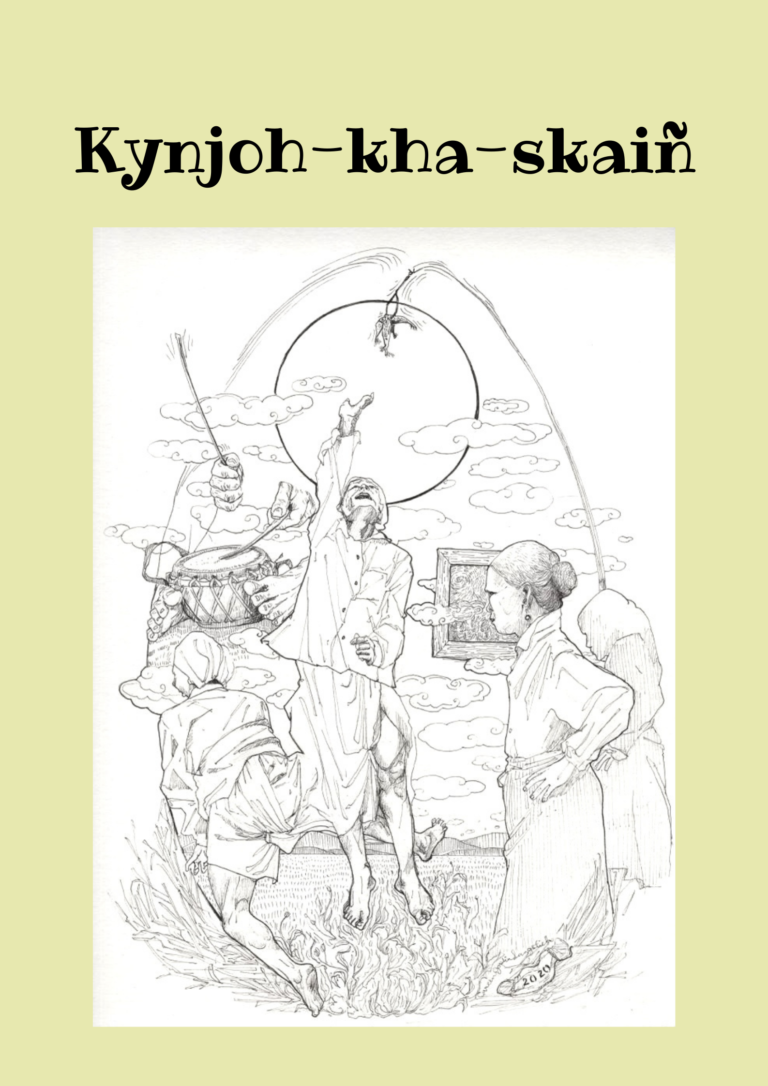
  • Ka “kynjoh-kha-skaiñ”

    Ka "kynjoh-kha-skaiñ" ka dei ka rukom kyrkhu haba kiew ïing thymmai. Ban tip kum ïa kine ki riti ki dustur ka long kaba sngewtynnat 😃😃

    Khublei Shibun Kong @careenjoplinlangstieh na ka bynta ka matti jingdro jong phi, kaba pyni shynna ïa ka rukom kaba ngi khot ka kynjoh-kha-skaiñ! 😄🤗🙏

    .

    .

    .

    "Kynjoh-kha-skaiñ" may be described as a unique Khasi house warming practice 😃😃

    🟡 Art by @careenjoplinlangstieh

    🟡 Tlong/ Source: Nissor Singh and Ïarington Kharkongngor

    🟡 English translation by @speakyourroots

    #kynjohkhaskaiñ #khasihousewarming #khasipractices #khasiritesandrituals #speakyourroots #speakyourrootschallenge #talklocal

  • Ka lyer Pyrem bad ki lyer u Lber

    Andrew says:

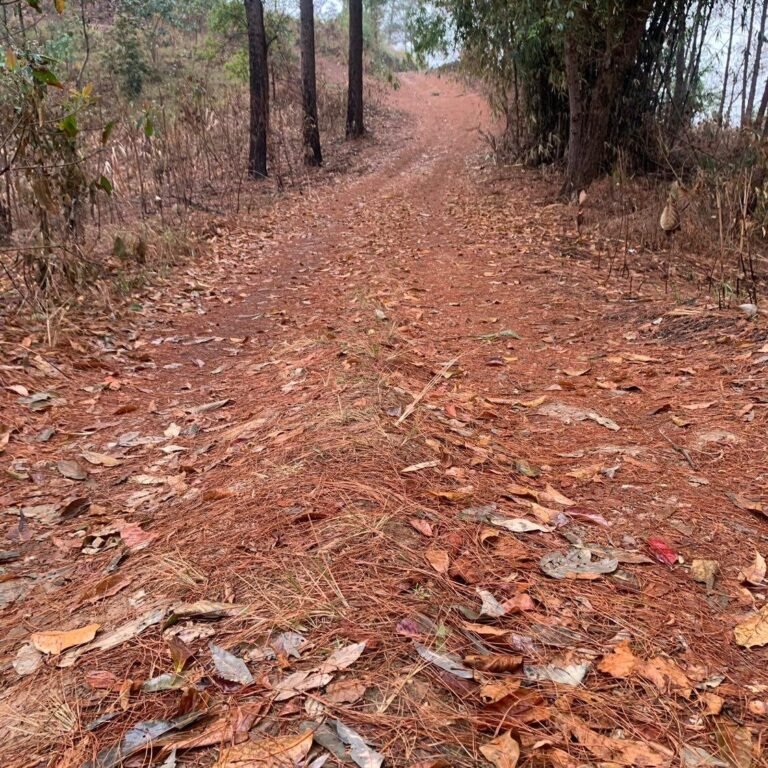
    " "Lber" ka mut ba mih. Hadien jong ka jingtyrkhong ka mariang, ha une u bnai ne aïom, u slap u la sdang ban hap malu mala bad pyntngen pat ïa ka mariang bad ki jingthung jingtep ba la sah khyrdong ha ki bun, bad ki lyngkha ruh ki sdang sa ban mih pat, ki syntiew ki skud ki la sdang ban phuh ban pynïap bieid ïa ka mariang. Ki diengsoh diengpai ruh ki la sdang shylluit khnang ban sei ïa ki soh kiba kynsai jong ka snem ha ka mariang. Kine ki dur ki dei ha Mawlai Umsaw. Ka dur kaba nyngkong ka dei ha ka por ba dang dep rang u slap. Ha ka dur ba ar dang shu dep thang bun."

    " In "Lber" or March after the dry weather of winter, rain starts to fall giving respite to the earth and plants. Life and growth begins again with crops, flowers and fruits beautifying the face of spring. These pictures have been taken in Mawlai Umsaw, Shillong. The first picture was taken just after a shower of rain and the second picture is the burned turf that has been arranged for manure."

    Khublei Shibun @andrewjana_ ïa kine ki dur bad ïa ka jingbatai ruh kumjuh! 😄

    Ka lyer Pyrem bad ki lyer u Lber ki wanrah ïa ka jingthymmai bad ka jingseisoh. 🌱🌼🍃

    🟡 English translation by @speakyourroots

  • U Khaw na Ïing

    Contributing explanations from followers:

    1. "Ha ka jingmut i meiieid jong nga te i ong ba ki shait leh kumne khnang ban eh daw eh rngiew bad ban shai ka jingmut haba iaid ba ieng khamtam lei haba don ha lynti syngkien."

    2. "U Khaw Eh Rngiew! Ka kmie barabor haba mih ki khun ban leit jingleit jngai na la ïing ka ju pynkham bad ai hala ki khun ia une u khaw bad ha une u khaw ka shong ka jingngeit lymne ka bor ba maïan haka kmie ba une u khaw un long u nong sumar bad nong pyneh rngiew iaki khun sha kat kaba ki don haba ki jngai na la ïing jngai na la ka kmie!"

    3. "Ngi ki ba dang bat ia ka niam Khasi ngi shait thep khaw beit ha ki pla la ngi leit jan ne jngai. Ba I Mei I Pa ki shait ai ia ngi ba ngin lait na kiei kiei baroh ban bit ban biang ha ka leit ka wan ban da ban kiar u Sohkhaw Blei ia ngi. Ngam nang bha ban batai tang I ne hi."

    4. "Ha nga ka jingmut ka long ba kine ki symboh khaw ki long symboh sohkhaw Blei. Ban eh ka rngiew ka rwiang, u khaw eh khaw shan un ri un da un ker na ka lait ka thiem na u nongshun nong dusmon un pynbha ka bok ka nusib ban lait na ka tyrsaw tyrsain…"

    5. "Sha ngi ki Pnar, ka rukom leh kumtei ka mut ban eh ka bok ka nusib khnang ban poi suk wan suk sha iing. Ban da na ki nongkhap shniuh thlen. (low eh i maiń i kun)."

    6. "Ban eh ka bok ka rngiew, ym dei ban lah bha ia ka eksam, hynrei ban nym pang nym shitom, ban nym don ki jingpynwit ne jingpynthut ba kan iaid beit iaid ryntih."

    7. "Ka Kyrkhu Kyrdoh na ing na sem ba ngin poi suk poi saiñ sha ka jaka ba ngi thmu ban leit."

    8. "Ka iing kan don beit bad phi kat shaba phi leit. Kaei hi ba dei na la ka ing ka long ka ba khraw."

    9. "Batai iong pnar mo: U khoo pynkham juh ong ki heiwa wa pynkham manda lai cha jngai lane hei lai ialeh eksamin ter ter. low ni u khoo da e da ka nongrim heiwa u chim le chyien u khoo te kiap iow wiar i tiensar i sorsa i mynsien hawa lai wa wan hawa thoh wa tar. Man u kam ka dak iow pynskem yei mynsien yei pyrkhat pyrdeiñ. (There are also many reasons.. this is one of it)."

    10. "Khaw eh rngiew"

    11. "Ban pyneh rngiew"

    12. "Ban eh ka rngiew ka rwiang ha lynti syngkien."

    13. "I Mei i ju ai ia u khaw eh khaw shan ban eh ka bok ka rngiew, ban kyrshan ia ka met, ka mynsiem ban lait na ka thngan ka jingit, ban lait na ka tyrsaw haba mih na la Iing ban leh kano kano ka kam."

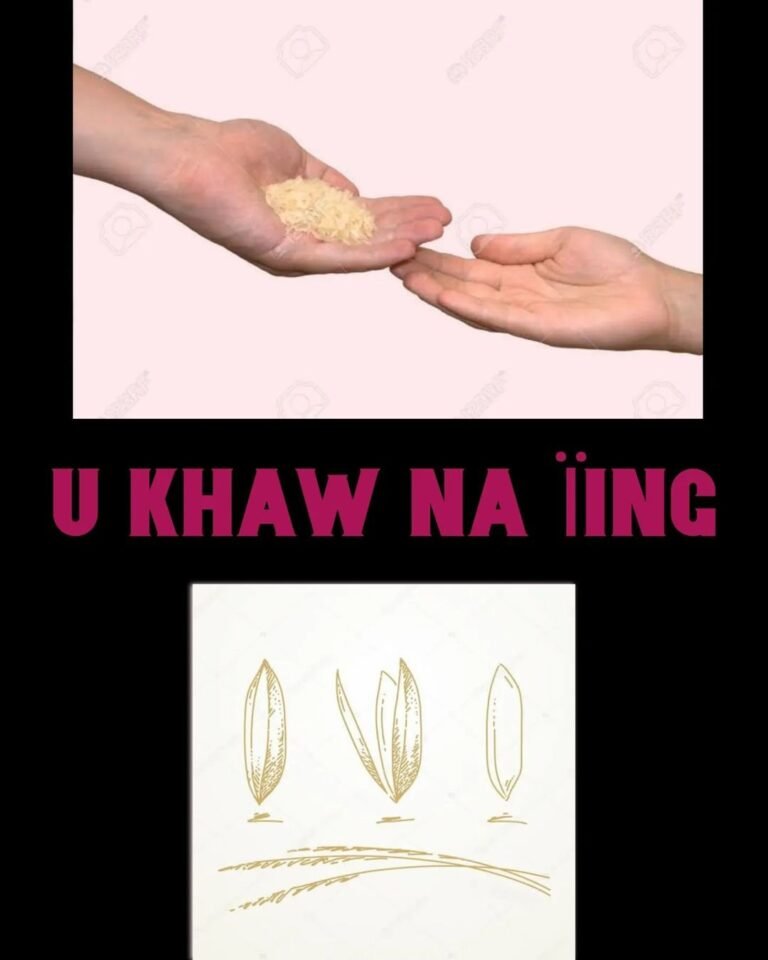
    "Khaw Eh Rngiew" and "Khaw Eh Khaw Shan" are a handful of rice grains given by a mother (or any member of the family) to a son or daughter (or anyone else in the family) who is about to embark on a journey, so that everything goes well without any problems. These rice grains serve as symbolic sustenance against hunger and thirst, protection from harm or ill-will and when chewed (some say only three grains) fear and apprehension (even shock from an accident) fade away.

    "Khaw Eh Rngiew" and "Khaw Eh Khaw Shan" imply the rice grains bless the one who possesses them with the strengthening of their essence/ personhood/ nature, preventing any misfortune that may befall them. It is also believed that the rice grains enhance the good fortune of a person and preserve their physical and mental health.

    Khaw Eh Rngiew" and "Khaw Eh Khaw Shan" are a handful of rice grains from home for your physical, mental and material well-being! 😃❤️🌾

    The Khasi belief in a handful of rice grains is rooted in culture and faith. Khublei Shibun @shillongftw for initiating this! 😄🙏

    Khublei Shibun ïa phi ruh baroh kiba la phah ïa ki jubab jong phi khnang ba ngin sngewthuh kham bha ïa kane ka dustur! 🙏🙏

    🟡 English explication by @speakyourroots

  • Ka Kiew Pyneh Rngiew Pynksan Rngiew

    Khublei Shibun @hammarsing for allowing to post these photographs 🙏😄

    @hammarsing says:

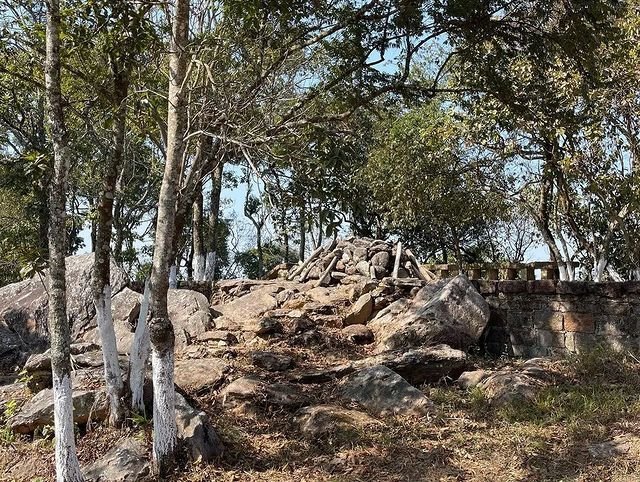
    Cleaning and other arrangements underway in preparation for the annual pilgrimage to the sanctum sanctorum of U Lum Sohpetbneng – Navel of the Heavens, Centre of the Universe.

    The pilgrimage known as "Ka Kiew Pyneh Rngiew Pynksan Rngiew" is to strengthen one’s inner being and essence – "Ka Rngiew".

    Sanctified rice and water will be distributed after the prayers and rituals are completed by the religious elders – U Tymmen U San – of Seng Khasi. The faithful will then each offer prayers at the sacred summit. The date for this years pilgrimage is February 5th 2023.

    This site is one of the most pristine places on Earth and a reminder of how sacred sites should be maintained and preserved. The tranquility of nature surpasses the grandeur of any man made structure."

    📸 @hammarsing

  • Kyrwoh and Ai Kyrwoh

    Ka ktien "Kyrwoh" ka mut ka jingteh, ka ksah ne ka sati.

    "Ai kyrwoh" ka mut kaba phah khubor; kaba lam ktien; kaba ai jingtip.

    The Khasi word "Kyrwoh" means something tied or a ring.

    "Ai kyrwoh" means to send news or a message; to give word and to send information.

    Ki don lai rukom ki ksah ne ki sati kiba thaiñ da u 'sai siej, kiba pyndonkam haba phah khubor na kawei ka jaka sha kawei pat. Ki lai jait ki kyrwoh ki long kumne:

    1. Ka kyrwoh kaba biang sbak ha ka 'ti kmie, ka pyni ba dang bun bad kylluid ka por

    2. Ka kyrwoh kaba ha ka 'ti pdeng ka pynpaw ba la kham khim ka por

    3. Ka kyrwoh kaba ha ka 'ti duh, ka pyni bym don por shuh ban dang buhteng

    There are three kinds of rings that are woven out of bamboo threads, which are used to send news or messages from one place to another. The three types of "kyrwoh" are:

    1. The kyrwoh which fits snugly on the thumb shows that there is still some time

    2. The kyrwoh which is worn on the middle finger shows that time is running out

    3. The kyrwoh which is worn on the little finger shows that there is no more time to
    procrastinate

    The "Kyrwoh" and the "Ai Kyrwoh" are interesting practices that many of us need to be reminded of 💭💭

    @fdphy i ong kumne: "Nga shu tip ba ka don ka rukom thaiñ kyrwoh ba ju khot “pyrnu” (kynnoh pyr-nu). Ki riew tymmen ki ïathuh ba ka rukom thaiñ ka don jingmut bad ki nang ban pule ïa ka jingmut. La pyndonkam bha ha ka por phah kylli samla. Te lada u shynrang u ai “pyrnu” i kynthei, ma i ruh in jubab da kata kajuh ka pyrnu hi. Ïa mynta hi kat ka jingtip jong nga ym don shuh kiba nang ban pule ïa ka jingmut, lehse dang don kiba thaiñ tang ban shu thaiñ kumto. La pyndonkam ruh ïa ki pyrnu ha kiwei ki kam kum haba pynskhem ïa ka ping wait."

    Khublei Shibun @fdphy ba phi lah ai jingtip kumne 🙏

  • U ‘Nai-it

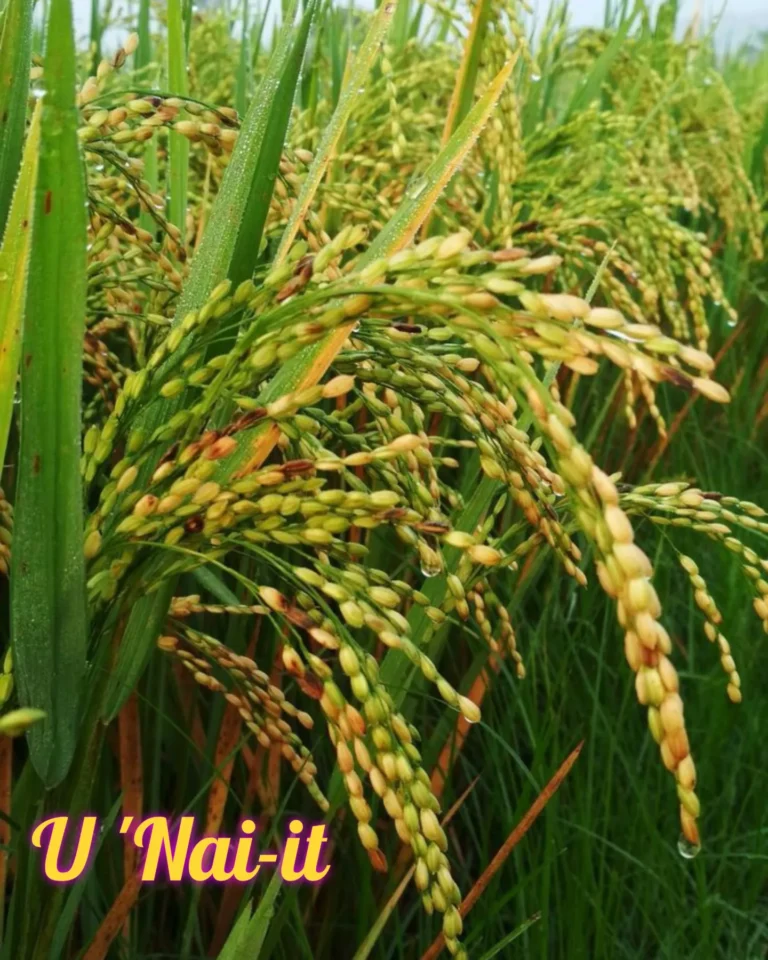
    U ’Nai-it u dei u bnai uba shiphew jong ka snem, u dei u bnai uba ar jong ka Synrai. U bnai ba nyngkong jong ka Synrai u dei u 'Nailar. U 'Nai-it u don saw taïew lane arphew phra sngi.

    Une u bnai u wan long kyrteng na ka jingpah u kbeit bad kiwei pat ki jait sim kiba her ha suiñ bneng. Ha une u bnai haba u kbeit u swait ha suiñ bneng ban kem sim ne kem khnai u ju pah ‘it it-it it’.

    U long u bnai ba ki sim laiphew jait ki sngewtynnat ban her suwari ha suiñ bneng ban kem khnai ne khñiang. Baroh ki jait khñiang, ki dkhiew bad kiwei pat ki kynja ba im ki sngewtynnat ban paw pyrthei ha une u bnai. Ki ïa mih na la ki jong ki jong ki trep ban ïalehkai bad rynsied sngewbha ha sla khyndew namar ka bneng ka la rang itynnat bad u kba u la sdang saw doh.

    "U 'Nai-it" is the tenth month of the year and it is the second month of Autumn. The first month of Autumn is " 'Nailar" (which roughly corresponds with September). "U 'Nai-it" has four weeks or twenty-eight days.

    This month gets its name from from the chirping of a bird called "u kbeit" (which the Khasi dictionary calls "a kind of hawk") and other kinds of birds. During this month "u kbeit" while hunting smaller birds and rats makes an "it it-it it" sound.

    Different types of birds go around flying everywhere during this month to hunt rats and insects. Many kinds of insects, ants and others like to emerge during this time. Animals and insects enjoy this time of the year as the weather is warm and sunny and paddy also begins to redden.

    It is interesting that the Khasi calendar has 13 months of 28 days (except in a leap year). The calculation of the months corresponds to the phases of the moon.

    Source: Rev. Dr. Ïarington Kharkongngor

    English translation by @speakyourroots

  • U Thawlang

    Pateng la pateng, ka jaitbynriew ka tip ban burom la U Thawlang uba wan pynroi ïa ka jait ka khong. U shynrang uba leit shongkha nyngkong ha ka jait ki khot ïa u, U Thawlang.

    Kumba paw na ki long jait manjait, ki thawlang ki long ki briew kiba tip bha ïa la ka dustur, shibun ki la long lypa ki kynja kñi ha ka kur bad ka ïing, ki ri la ka burom bad ki burom ïa ka jait ka khong jong kiwei ruh khamtam lei lei ïa ka kur ka jait jong ka tnga bad ki khun.

    Ha ka kolshor ki Khasi, u Thawlang u ïoh ka jaka bakyrpang…..Ki don bun ki jingleh niam-kur ha kiba ki khunkha ki dei ban pyndep na ka bynta ka meikha, namar ba ki dap rynïeng da ka jingsngewnguh ba ka la ai ha ka kur jong ki ïa u Thawlang.

    U P. R. T. Gurdon ruh kumba u lyngngoh ban lap ïa ka jingburom kyrpang jong ki Khasi ïa u Thawlang, u ong: "Notwithstanding the strong influence of the matriarchate, we find that U Thawlang, the first father and the husband of Ka lawbei is also revered. To him on occasions of domestic trouble a cock is sacrificed, and a Jymphong, or sleeveless coat is offered. This puja is called "Ka Tap Thawlang"."

    Ka jingbatai u Gurdon ka pynphalang sa kawei pat ka liang, jong ki paid Khasi, ka pyni ba ki ngeit ba u Thawlang u lah ban ïarap ïa ki na ki jingeh. Ka jingduwai ba u ïoh lum na ki Khasi ka ong: "Oh. father, Thawlang, who has enabled me to be born, who hast given me my stature and my life, I have wronged thee, oh father, be not offended for I have given thee a pledge and a sign, (a red and white sleeveless coat). Do not deliver me into the power of illness, I have offered thee propitiatory cock that thou mayest carry me in thine arms, and that I may be aware of thee, my father Thawlang."

    U Thawlang u don ka hok ban ri ban sumar namar u la pynkha bad u la buh ïa u sohpet u ksai…Naduh nangne na pyrthei la pynbynta lypa ïa ka bhah jong u kpa bad jong u kñi-rangbah-kur. U kpa u long u nongpynkha u nongbuh ia u sohpet u ksai jong ki khun kynthei khun shynrang. U kpa u long u nongkamai nongkajih ban ym don ka thngan ka shah jingit, ban ym don ka lymboit lymbiang jong ka tnga bad ki khun.

    Na kine ngi sngewthuh ba u kpa u la don lypa ka deiti longkñi ha ïing kur la jong bad u la don bynta ruh ha la ka jong ka nongtymmen. Kumta ha ka kur u long uba tip ïa ka ïap ka im bad ha ïing khun, uba lah uba ïai.

    .

    .

    .

    .

    Generation after generation, the Khasis know how to revere their "Thawlang" who has come to grow and multiply the clan. The man who is the first to marry into a clan is called "U Thawlang".

    As is shown and understood in the working of clans, "U Thawlang" is a person who knows and understands his culture and custom well, many of them are already maternal uncles in their families and clans. "U Thawlang" preserves his honour and dignity and respects the clans of others especially the clan of his wife and children.

    In Khasi culture, "U Thawlang" has a special position… There are many rituals pertaining to the clans which the children of "U Thawlang" have to fulfil towards their paternal grandmother, because they are grateful to her for giving their clan "U Thawlang".

    P.R.T. Gurdon expresses his surprise on finding that the Khasis have a special reverence for "U Thawlang" and says: "Notwithstanding the strong influence of the matriarchate, we find that U Thawlang, the first father and the husband of Ka Ïawbei is also revered. To him on occasions of domestic trouble a cock is sacrificed, and a Jymphong, or sleeveless coat is offered. This puja is called "Ka Tap Thawlang"."

    Gurdon's analysis illuminates another important aspect of Khasi life and that is, the belief that U Thawlang can help in times of trouble. The prayer that Gurdon was able to collect goes as follows: "Oh, father, Thawlang, who has enabled me to be born, who hast given me my stature and my life, have wronged thee, oh father, be not offended for I have given thee a pledge and a sign, (a red and white sleeveless coat). Do not deliver me into the power of illness, I have offered thee propitiatory cock that thou mayest carry me in thine arms, and that I may be aware of thee, my father Thawlang."

    "U Thawlang" has the right to take care of his family because he has helped the clan grow and symbolically placed the navel and the thread. From this earthly world, there is a division of rights and duties of the father and the maternal uncle. The father facilitates the growth of the clan and he has symbolically placed the navel and the thread of his female and male children. The father is the breadwinner of the family, protecting them from hunger, looking after the well-being of his wife and children.

    Thus, we understand that the father in a Khasi family is already bestowed with the rights and duties of a maternal uncle and he also has his share of inheritance. In his own clan, the father takes care of affairs of life and death, while in his family he is their strong and reliable support.

    Ka long kaba sngewtynnat shikatdei ban pule shaphang "U Thawlang" bad ban tip ïa ka jingkordor jong u kpa ha ka longïing longsem Khasi 👫🧑‍🤝‍🧑❤️

    Wow! It's been great reading about "U Thawlang" and learning about the value of a father in a Khasi family 👫🧑‍🤝‍🧑❤️

    🟡 Source: Dr. Sr. Philomena Kharakor
    🟡 Adapted and collated by @speakyourroots
    🟡 English translation by @speakyourroots

  • U ‘Suidnia

    U 'Suidnia u dei u Kñi rangbah jong kano kano ka kur uba leit nyngkong eh sha ka Mawbah (maw buh shyieng jong kano kano ka kur) bad uba sumar sukher ïa kiba haïing hasem, ki para ki pyrsa kiba la ïap.

    U Sib Charan Roy, u pyndonkam da ka ktien "U 'Saidnia" bad u ong ba u 'Saidnia u dei u Kñi nyngkong, uba dei u khun ka Ïawbei. U ïoh ïa ka nam "'Saidnia" ba u dei uba nang ban ïasaid, uba donbor bad don hok ban ïasaid hakhmat U Blei bad ka Hukum na ka bynta la ka kur ka jait. Kane ka jingbatai jong u Sib Charan Roy, ka pyni ba man la ka kur ka don la u jong u jong U 'Saidnia. Kaba donkam ban tip ka long ba u Sib Charan Roy u khlem pynshai lada u " 'Saidnia" u dei uba dang im ne uba la bam kwai ha dwar u Blei.

    Hynrei u Homiwell Lyngdoh pat u da ong shai ba ïa u Kñi nyngkong jong kano kano ka kur ka jait, ynda u la ïap na kane ka pyrthei, ki khot ïa u, "U 'Suidnia". Ka niam ka rukom ki Khasi ka kham ïadei bad ka jingbatai jong u Homiwell Lyngdoh. Ym ju ïohsngew ba ïa u kñi ba dang im, ba dang korbar ïa ka kam kur ban khot "U 'Suidnia". Pynban ki ju khot u Kñi-rangbah. Nalor kata katba tip, ym ju don "Suidnia" palat na uwei, katba ki kñi pat ki bun.

    "U 'Suidnia is the spirit of the first grand maternal uncle of a clan whose remains are the first to be kept in "Mawbah", which is a megalithic chamber tomb or dolmen of a clan. "U 'Suidnia watches over his relatives, nephews and nieces who have passed away.

    Sib Charan Roy uses the word "U 'Saidnia" saying that "U 'Saidnia" is the spirit of the first grand maternal uncle of a clan, who is the son of "Ka Ïawbei". "U 'Saidnia possesses the ability to intercede, has authority and also possesses the right to intercede with God and the divine commandment on behalf of his clan. This explanation by Roy shows that each clan has its own "U 'Saidnia". What should be noted is that Roy does not clarify whether "U 'Saidnia" has passed away or not, or as Khasis say "to eat betel nut at the door of God".

    However, Homiwell Lyngdoh says clearly that when the first grand maternal uncle of a clan has passed away, he comes to be known as "U' Suidnia". The indigenous faith of the Khasis is more in tune with the explication of Homiwell Lyngdoh. It is not usually heard that a living

    maternal uncle who is in charge of the clan's affairs be called "U 'Suidnia". Instead they are called "Kñi rangbah" or the head maternal uncle. Besides this, as is known, there can be only one man who receives the title of "U 'Suidnia" while maternal uncles are many.

    "Ka Ïawbei", "U Thawlang" bad "U 'Suidnia" ki dei lai ngut ki longshuwa manshuwa jong ki kur kiba bun na ngi ngim tip ki dei mano. Kine ki ai ha ngi ïa ka jingtip shaphang ka kur ka jait bad ka jinghiarpateng kaba ngi kum ki Khasi ngi kheiñ kordor bha. 👪🧑‍🤝‍🧑👬

    "Ka Ïawbei", "U Thawlang" and "U 'Suidnia" are three ancestors of clans, of whom many of us are unable to trace in our family trees. These individuals give us significant knowledge of our clans and lineage, which Khasis hold as critically valuable. 👪🧑‍🤝‍🧑👬

    🟡 Sources: Rev. Ïarington Kharkongor and Philomena Kharakor RNDM
    🟡 Collated and translated by @speakyourroots

  • Behdieñkhlam

    Ki dur Behdieñkhlam wa da phah da u @duwaki9 😄🌾🌿🌲 Khublei Chiboon for sending these pictures! 🙏🙏

    Dur 1 bad 2: Ka lehniam “Ka Siang Thakur” ba ju pynlong ha ka step shuwa ban mih ka sngi jong ka sngi Khatduh (Muchai) ka lehniam Behdieñkhlam. Ïa kane ka lehniam la pynlong ha Ïung Blai jong ka Kur Rangad Neiñ ha Chilliangraij, Jowai.

    Slide 1 and 2: The ritual of "Ka Siang Thakur" which is performed on the morning of the last day "Muchai" of Behdieñkhlam before sunrise. The ritual in the pictures was performed in the "Ïung Blai" of the Rangad Neiñ clan in Chilliangraij, Jowai.

    Dur 4 haduh 10: Ka "Choh Thyndai" lane ka "Sympat Ïung" ba shim bynta da ki khun ki ksiew ka Beipun Bon ba ju tip kum ki Khon Raij.

    Slide 4 to Slide 10: The ritual of "Choh Thyndai" or "Sympat Ïung" participated in by the children and grandchildren of "Ka Beipun Bon" known as "Ki Khon Raij".

    Photo credit: @duwaki9. @duwaki9

  • Ja Khonbo

    Pnar explanation:

    Ha Jaiñtia hi waroh kawi ym jooh em u leh ki ya ka ni ka li e Ja Khonbo. Kani toh ka rakom ki pnar wa sah ha Jwai næ du ki Jwai wa pynjooh ya ini i rakom li e Ja Khonbo.

    I rakom li e "Ja Khonbo" toh i rakom, iwa, da i ja jooh lai e sñiawbha ki wahaïung wahasem, ki lok ki jor ïa ka manbei hadien wada kha khon ko. Ini man i kam chi wynta na i pyn-eh bok pyn-eh rngu ya ka bei wa ya'i khon wa dang kha.

    Ki waheh nachua sikai ki u pynmlien u li e jakhonbo da'iwa u li e da iwon iwon i wada chet kynsaai næ i wa bang dooh. Ki waheh nachua leh da pynjooh ki da'iwa u song lang ha'itæ i jakhonbo toh ka "pylleiñ chet", "i jadoh", i "dohseiñ" wa i "dohsyiar chet sngat", "dai chet sngat" wa kiwi kiwi.

    Khasi explanation:

    Ïa ka rukom ai "Ja Khonbo" ym ju leh ha ka ri Jaiñtia baroh kawei. Kane ka dei ka rukom jong ki Pnar kiba sah ha Jowai, ki dei ma ki kiba pynmlien bad pynjuh ïa kane ka rukom.

    Ka rukom leit ai "Ja Khonbo" ka dei ka rukom ha kaba ki bahaïing bahasem, ki lok ki jor ki ai sngewbha da ka ja ïa ka longkmie kaba kha khun. Kane ka long shi bynta na ka pyneh bok pyneh rngiew ïa ka kmie bad i khun ba dang kha. Ka ktien "Khonbo" ka mut khyllung.

    Kiba rangbah naduh mynshuwa ki la hikai ban pynmlien ïa ka leit ai "Ja Khonbo" da kano kano kaba la shet kynsai bad kaba bang duh. Kiba rangbah ki la pynmlien ruh ban song lang ha ka Ja Khonbo da ka pylleng phon, ka jadoh, ka dohsniang neiïong bad ka dohsyiar kylla, u dai sboh neiïong bad kiwei kiwei.

    English explanation:

    The custom of "Ja Khonbo" is not prevalent all over the Jaiñtia Hills. This custom is practiced only in the town of Jowai and it is the people of Jowai who have established this custom.

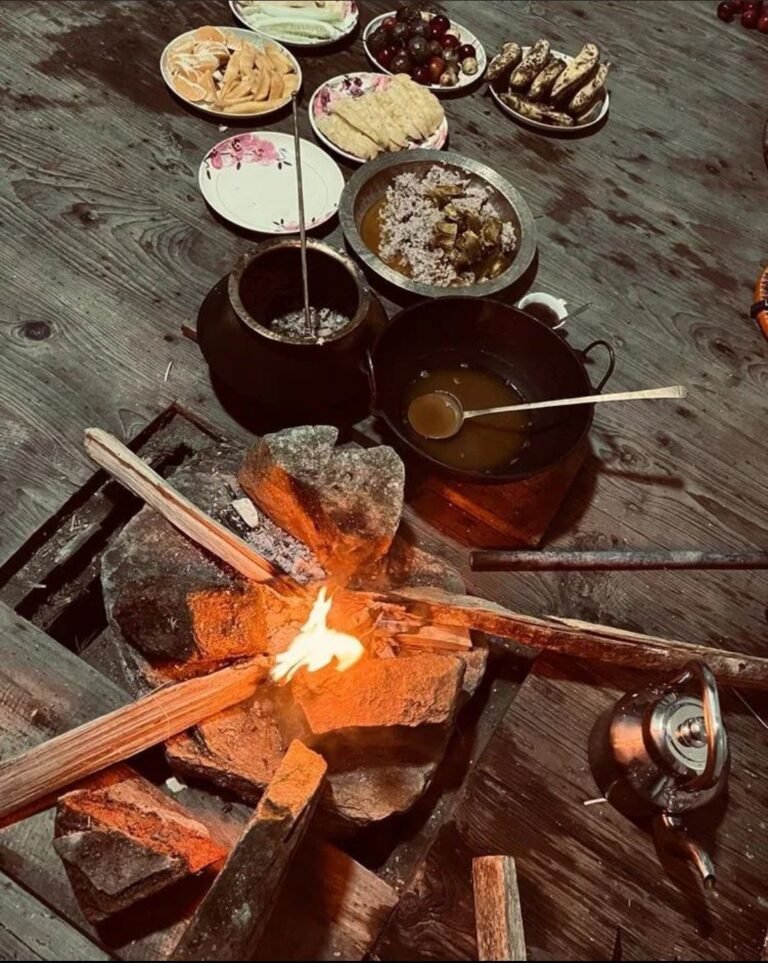
    In the custom of "Ja Khonbo" the relatives and friends gift rice that has been cooked well, especially for a mother who has birthed a child. This is part and parcel to strengthen the good fortune and fortify the essence of the mother and her child. The word "Ja" means rice and the word "Khonbo" means baby.

    Elders have taught that only the most special and most delicious food are to be given as "Ja Khonbo". Elders have also taught that boiled eggs, jadoh (rice cooked with meat), dohsniang neiïong (pork cooked with black sesame), chicken curry, dai sboh neiïong (dal cooked with black sesame) and others are included in "Ja Khonbo".

    "Ja Khonbo" is a custom practiced by the Pnar people of Jowai. It is a wonderful custom that expresses care for a mother and welcomes a child into the world. 🤱🧑‍🍼👼 🙏

    Khublei Chiboon Anvil ya i e jingmut yong phi hawa thaw ya kani ka post! 😄🙏

    🟡 Source: Anvil Ritre Laloo

    🟡 Khasi and English translation by @speakyourroots