Category: Phrases

  • Apot Sepsngi

    Ka ktien "apot" ka mut ka jingjynjar, ka lanot, ka suhsat bad ka shitom.

    The Khasi word "apot" refers to the experience of hardship, misfortune, adversity and difficulty.

    Ka jingong "apot sepsngi" ka thew ïa ka lanot bad ka suhsat kaba hap ïaid lyngba kaba la palat liam. Ngi lah ban batai ba ka ktien "sepsngi" ka thew ïa ka jingduh jingkyrmen bad ka jingsngewsih kaba la sngew kutlad shisha.

    The Khasi phrase "apot sepsngi" describes the misfortune or adversity that befalls which is hard for one to bear. We may explain the word "sepsngi" (literally meaning setting sun) symbolically refers to hopelessness and sorrow with no respite in sight.

    The phrase "Apot Sepsngi" describes a tragedy or a catastrophe that befalls a person. 😓😟 Its meaning is made more significant by the metaphor of the setting sun, echoing a dark time and hopelessness.

    🟡 Khasi explication and English translation by @speakyourroots

  • Saw Ka Tyngab

    "Saw ka tyngab" ka dei ka jingong Khasi kaba kren shaphang ka por kaba dangstep phyrngab. Ha ka jingbatai, ka ktien "phyrngab" ka dei ka por shuwa ban kynjat shai. Ngi lah ban ong ba "saw ka tyngab" ka dei haba ka bneng ka dang shu sdang ban kyan shai, ha kaba ka jngum jong ka miet ka shah pashat da ka saw jong ki kjat sngi.

    Sa kawei ka jingbatai kaba la ïoh ka long ba ka jingong "saw ka tyngab" ka thew ba ngin leh ïa kano kano katba dang kloi ne katba dang biang ka por khlem don ka jingbuhteng.

    "Saw ka tyngab" is a Khasi phrase which refers to the earliest time of the morning. The word "phyrngab" means the time before the arrival of dawn or the sun's rays. We may say that "saw ka tyngab" is when the night sky is just beginning to see a sliver of light, when the blue of night is coloured by the red of the sun's rays.

    Another explanation of "saw ka tyngab" is that the phrase refers to doing something early or while there is time and not procrastinating.

    The Khasi phrase "Saw ka tyngab" is one which we hear often but have not really read an explanation of. "Saw" means the colour red (or four) and "tyngab" means crow. Perhaps these also have a meaning but we have yet to know what they might signify. 🌄🌄

    Khublei Shibun ïa baroh ki nongbud jong ka page kiba la phah ïa ki jubab bad ki jingmut jong ki shaphang kane ka jingong! 🙏🙏

    🟡 Khasi and English explication by @speakyourroots

  • Thied Syad Yei Saja

    I oŋ "Thied syad yei saja" toh i kûntien pharchi wajōh sñau bha i na ki waheh, khamtam na ka Bei u Pa, hawa sneiñ wa krō ki ya ki khon. I mut yoŋ katai ka pharchi man i kamni ne, "Hawa leh iwon-iwon i wûm yahap wei rukom im, i wûm yōsuk ka yuŋ ka sem, i wûm bha, i wa bōh yei manbru ha i eh i khor, i wa datip chua, ne i wa yæ u wanrah yei ma hadien habōd".

    Kani ka kûntien, "Thied syad yei saja" hei sñauthōh yoŋ ŋa lailaŋ ko kam ka kûntein pharchi wa oŋ "Pan yei k'yoh, yoh dei hiaw" i wa mut hawa pan kwah, tæ daw wiar wei wa kwah. I jōh hi wa ka kûntien, "Thied syad yei saja" natlor wa da tip yei syad dor yoŋ i eh ne i saja wa yaŋ, katte leh chlur biej beit, khlem da pûrkhat chua u thied.

    Ban sngewthuh shuh shuh, Nga kwah ban batai da khasi, Haba Ong "Thied syad yei saja" ka mut ba "thied rem ïa ki jingjynjar". Balei ki rem ne syad, namar lah bun palat kita ki jingkynjar.

    Ka jingong "Thied syad yei saja" ka dei ka jingong Pnar kaba la pynkylla sha ka Khasi kum "Thied rem ïa ka saja" (ne ka jingjynjar). Kane ka jingong ka dei ka pharshi kaba mut kumne: Haba leh ïa kano kano ka bym sngew ïahap bad ka rukom im, ka bym sngewtynnat ha ïing ha sem, kaba pynpoi sha ka jingeh bad jingshitom, kaba la tip shuwa ba ka lah ban wanrah ïa ka jingma hadien habud.

    Ka "Thied rem ïa ka saja" ka long kum ka pharshi "Pan ïa ka jyrhoh, ïoh da ka sahiaw". Ka dei kumjuh ka jingmut ha kaba ka jingpankwah ka pynsohsat shisha ïa ngi. Ngi thied rem ïa ka jingjynjar nalor ba la tip ba kan eh ïa ngi ban shah ïa ka, tangba ka la ap lypa. Ngi long shlur beij khlem da pyrkhat ne thew ïa ka erïong erngit kaba la ap ïa ngi.

    The Pnar phrase "Thied syad yei saja" literally means "to buy expensive trouble". This phrase describes a situation where we do something that fits wrongly with our way of life, knowing that our family values go against it, knowing that it will lead to hardship and suffering in the future, but we readily do it.

    This is related to the word "pankwah" which is a combination of two words "pan" meaning ask and "kwah" meaning want. So we deliberately ask and want something that will bring pain and trouble. "Thied syad yei saja" implies a foolish courage that backfires. What the phrase may also be suggesting is a kind of self-sabotage that some of us may have experienced.

    The Pnar phrase "Thied syad yei saja" is loaded with deep meaning. It speaks of the complexity of human nature, riddled with strength and weakness. 💙❤️

    Khublei Chibōn @xdtnoahjupejackllthmanar for helping with this 😄🙏

    🟡 Khasi translation and English explication by @speakyourroots

  • Ym don pyrthei shuh, Ym long briew shuh

    Ka jingong "Ym don pyrthei shuh" ka pynpaw ïa ka jingsngew kaba lah poi shaba palat u pud. Kane ka jingong ka thew ban pynsngew ïa kaba lah long "katta katta" ne "shibun". Kum haba ngi ong "Nga lah thait palat, ym sngew don pyrthei shuh."

    Kane ka rukom ong ka ïa syriem bad "ym long briew shuh" kaba mut ba kano kano ka kam kaba ngi leh ka la pynlong ba ngim lah shah shuh da ka bor briew, namar ka lah shon palat ym tang ïa ka bor met hynrei ïa ka bor pyrkhat ruh.

    The Khasi phrase "ym don pyrthei shuh" is literally translated as "there is no more world". But a literal translation such as this does not really explain what the phrase means.

    The phrase expresses a feeling or an emotion that has reached beyond a bearable limit. It aims at articulating a feeling that something has become too much to bear. As if "there is no more world" or to use the sense of the phrase in a sentence: "I have no more strength (or consciousness) to bear this".

    This phrase is similar in meaning to "ym long briew shuh" which also expresses the unbearable nature of something, to the extent that one does not have the physical strength nor the mental strength anymore to endure it.

    Haba ngi ong "Ani ngam sngew don pyrthei shuh!", kam long kaba suk ban pynkylla sha kiwei pat ki ktien. Ki jingong "ym don pyrthei shuh" bad "ym long briew shuh" ki long kum kita. Kine ki pyni ïa ka jingïar bad jingsngewtynnat jong ka ktien Khasi. 🅰️🆎🅱️

    Khublei Shibun @janicepariat ba phi la kren shaphang kane bad ba phi la pynsngew ruh ïa ka jingïar jong ka ktien Khasi 😄❤️🙏

    There are some words or phrases which escape being translated at all because they express a feeling that perhaps contains a particular worldview of a community. That's the beauty of language, it can never really be fully translated.

    🟡 Khasi and English explication by @speakyourroots

  • Kyrtoh Lyndet

    Ka ktien "kyrtoh" ka mut ban rynsied ne ban kynthih; ka thew ruh ïa ka jingryngkoh nalor ka jingker.

    Ka jingong "kyrtoh lyndet" ka mut ka jingwan ne ka jingpashat jong ka markylliang ne ka bainong jong kano kano ka kam kaba la leh u briew.

    The Khasi "kyrtoh" means to leap or to jump. The word also implies leaping over a boundary.

    The Khasi phrase "kyrtoh lyndet" is the coming or manifestation of retribution, meaning the reward or punishment of anything that is done by a person. "Kyrtoh lyndet" emphasises a boomerang effect or a rebound effect to anything that is done in life.

    The Khasi words "Kyrtoh Lyndet" affirms the consequences of anything that is done by us in life. 🌀🪃🪃

    🟡 Collated and modified from Ka Dienshonhi: The Khasi Encyclopedic Dictionary and Learner's Khasi Dictionary
    🟡 English explication by @speakyourroots
    🟡 Art by Davide Bonazzi

  • Tlieng-Khatar-Pruh

    Ka jingong "Tlieng-khatar-pruh" ka dei ka ktien sin ïa u briew uba jynsur mynsiem bad uba kloi ban ïarap ïa kiba duk basuk.

    The Khasi phrase "Tlieng-khatar-pruh" is used as a nickname and describes a person who is kind, generous and compassionate. This person is always ready to help who help those who are downtrodden and in need.

    "Ka Tlieng' " ka dei ka kynja shylliah kaba ïar ka thár, ka lynter, ka pynkiang, ka jingrben bad ka jingheh. La thaiñ ïa ka da u thri ne ri-nger. La ju pyndonkam ïa ka tlieng ha kaba shoh kba, krái bad kiwei kiwei.

    "Ka Tlieng" is a type of cane mat which is long in length and wide in breadth. It is also thick and consequently large in size. "Ka Tlieng" is woven with bamboo string or a small kind of rattan cane. "Ka Tlieng" is used during the threshing of paddy, millet and others.

    "Tlieng-khatar-pruh" ka dei ka rukom sin kaba ngim ju kham ïohsngew. 🌿🌿

    Ki bun jait ki shylliah kiba ngi ki Khasi ngi thaiñ bad pyndonkam bad ka tlieng ka dei kawei kaba la thaiñ sani bha. 🌾🌾

    🟡 English translation by @speakyourroots

  • Bam Kynjing

    Ka jingong "bam kynjing" ka thew ïa ka jingpyrshang ban kiar ïa kata ka bym sngewtynnat ban bam, tangba la shu bam la ka bam namar bym banse. Ka don ka jingsngewkhohñioh haba la bam ïa ka jingbam. Hadien ba la bam kynjing kumne, don ki briew kiba ju thut kpoh da kaba ïoh jingdap lyer ne jingpynhiar.

    The Khasi word "kynjing" literally means to dislike something or to be disgusted by something. The word denotes something unpleasant. When it is used with the word "bam" which means to eat, what is conveyed is a dislike or a sense of disgust while eating something. The phrase also implies a reluctance or hesitance while eating this food. Sometimes when someone has eaten food with this sense of reluctance, the person suffers from an upset stomach like gastritis or diarrhoea.

    The Khasi phrase "Bam Kynjing" feels contradictory but it does capture this phenomenon which many of us have experienced 😅😄

    Sometimes out of courtesy and good Khasi manners 😅 we keep on munching something that we don't like at all.

    🟡 Khasi and English explication by @speakyourroots

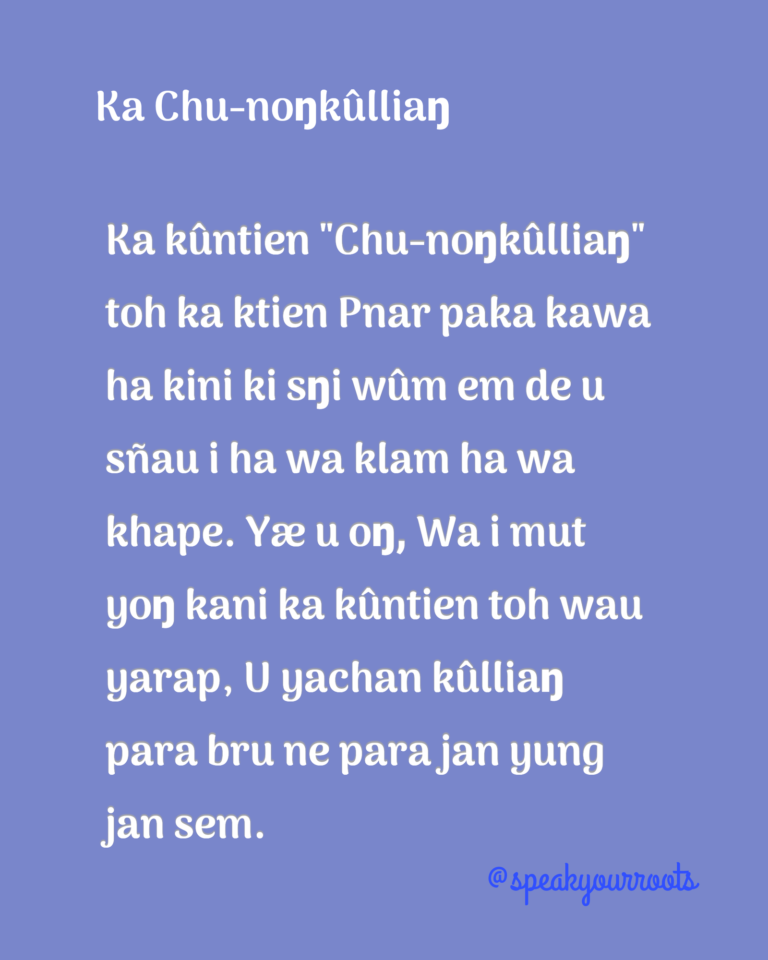
  • Ka Chu-noŋkûlliaŋ

    Ka Chu-noŋkûlliaŋ

    Ka kûntien"Chu-noŋkûlliaŋ" toh ka ktien Pnar paka kawa ha kini ki sŋi wûm em de u sñau i ha wa klam ha wa khape. Yæ u oŋ, Wa i mut yoŋ kani ka kûntien toh wau yarap, U yachan kûlliaŋ para bru ne para jan yung jan sem.

    Ka Chu-noŋgkylliang

    Ka kyntien "Chu-nongkylliang* ka dei ka ktien Pnar paka kaba ha kine ki sngi ngim ju ïohsngew shuh ha ka kren ka khana. Ngi lah ban ong ba ka jingmut jong kane ka kyntien ka dei ban ïarap, ban ïa kyrshan markylliang para bynriew ne para jan ïing jan sem.

    Ka Chu-noŋkûlliaŋ

    "Ka Chu-noŋkûlliaŋ" is a Pnar word which is not used often nowadays in conversation. It may be said that the word means the help or support that is given by family and friends to one another. The word "noŋkûlliaŋ" emphasises that help should be returned by both sides.

    "Ka Chu-noŋkûlliaŋ" is a Pnar word that highlights compassion and sympathy that is given and acknowledged in its return. 🫂👥

    Khublei Chiboon @xdtnoahjupejackllthmanar wa maya phi ya ka ktien ka thylliej 😄🙏

    🟡 Khasi translation by @xdtnoahjupejackllthmanar
    🟡 English translation by @speakyourroots

  • Ïuh Tdong Bseiñ

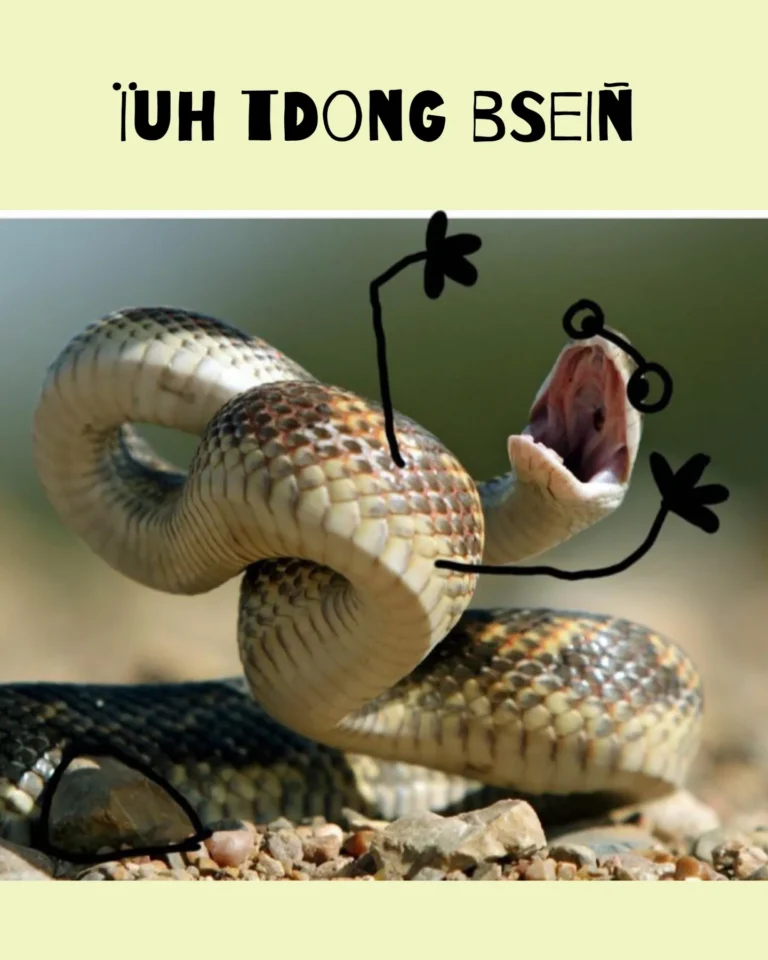
    Ïuh tdong bseiñ

    Ka jingong "ïuh tdong bseiñ" ka thew ïa kano kano ka jingjia kaba sngew kyndit shaba palat. Kata ka jingjur jong ka jingkyndit ka long kumba ïuh shisha ïa u tdong jong u bseiñ.

    Kum ban ai nuksa: "Haba nga la ïohsngew ïa ka jingkhlad jong i Bah nga la long kumba "ïuh tdong bseiñ!"

    "Ïuh tdong bseiñ" is a Khasi metaphorical idiom which literally means "to step on a snake's tail". The action of stepping on a snake's tail is supposed to symbolically convey the utter shock that is felt from a completely unexpected event.

    "Ïuh tdong bseiñ" is another Khasi metaphorical idiom that is difficult to translate into English

    Khasi explication and English translation by @speakyourroots

  • Jied-Shiah

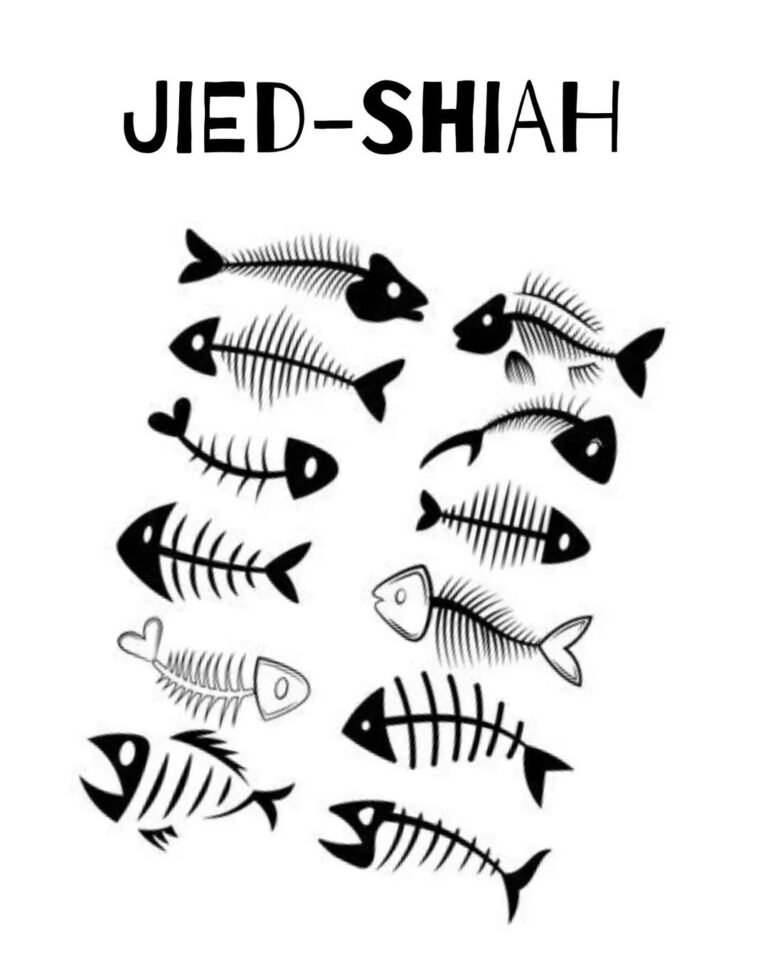
    Ka jingong "Jied-Shiah" ka thew ïa ka rukom leh kaba long janai bad bniah ïa kano kano ka kam. Shuh shuh, ka kdew ïa ka jingjied ïa kaei kaei da ka jingleh kyrpang bad jingpyrkhat sani bha.

    The Khasi phrase "Jied-Shiah" literally means to pick out bones and the action implied is the picking out of fish bones. Thus, the meaning behind the phrase is a meticulous and fastidious way in which something is done, symbolically reflecting the action of picking out fish bones. Further, the phrase throws light on making a selection of any kind with the utmost caution and carefulness, after having given proper thought to something.

    Sometimes we complain about a person who exhibits this quality of "Jied-Shiah" that they're too particular, picky or choosy. But perhaps we have to appreciate the effort taken by a person to live according to which he or she deems fit. 😌🙏 Or maybe "Jied-Shiah" is just a healthy amount of OCD 😉😉😅

    🟡 Khasi and English explication by @speakyourroots