Category: Phrases

  • U miaw wa synñiam dakharang

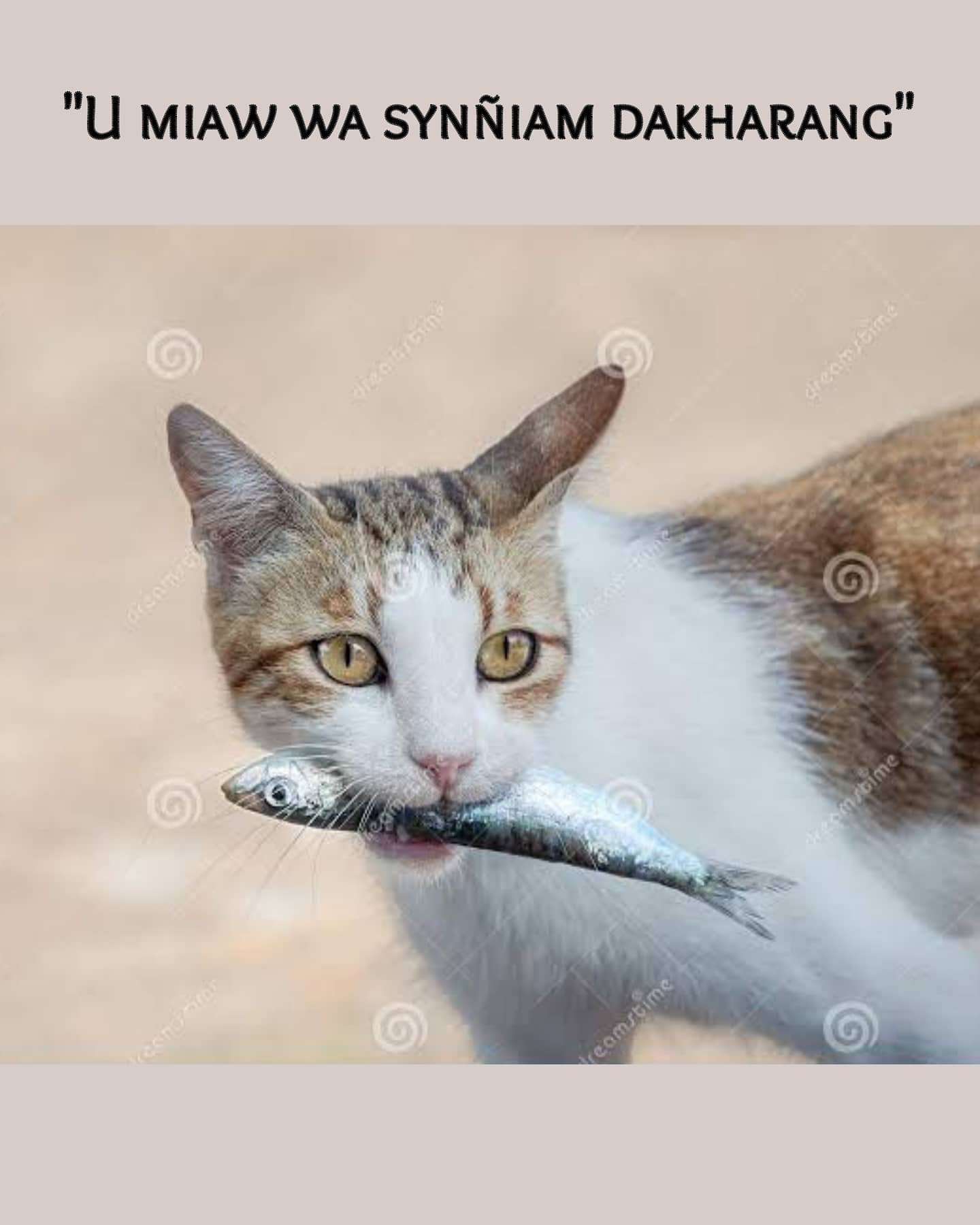
    U miaw wa synñiam dakharang" is a Pnar phrase to describe men who are very good at making romantic advances towards women.

    "Miaw" means cat, "dakharang" is fish that has been smoked and "synñiam" may be translated as an opportunist waiting for the right time. The phrase describes the cat who has been waiting for the right time to steal the fish.

    Imat ki long thik kum u miaw ba pyrshang ban tuh dakharang haba ki pyrshang ban pynbiej kynthei, na kata ka daw ki sa khot ia ki da kata ka kyrteng.

    The men resemble the cat in its eager attempt to get the fish, in the way they woo women. That's why they have been given this nickname.

    "U miaw wa synñiam dakharang" is a Pnar phrase used to describe men who are expert "wooers" of women 😅😅😂😂 This post is dedicated to all you Don Juans and Zorros! 🤭😜

    Thank you @laloorisa for sending this! 😁😁

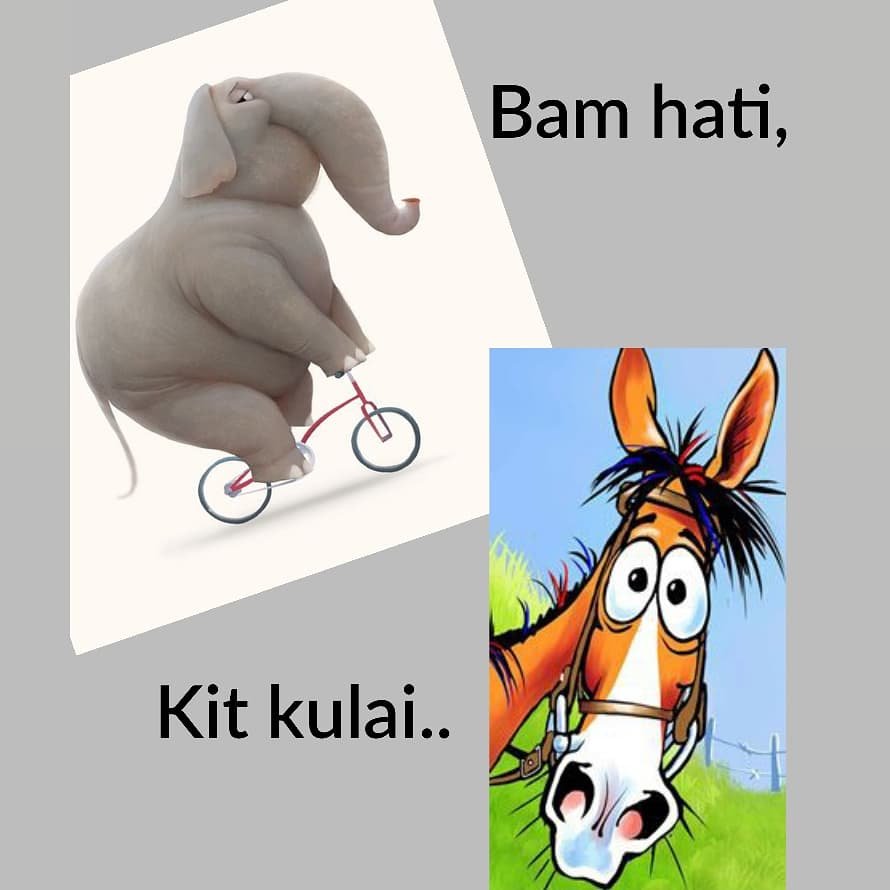
  • Bam Hati, Kit Kulai

    Ka jingong "Bam hati, kit kulai" ka kren shaphang u briew uba pynlut ïa ka pisa palat ïa ka jingkamai kajih jong u. Ka rukom im ka long kaba im pahuh, khlem pyrwa ïa ka jingduna ka pisa tang ban ïoh pynhun ïa ka jingkwah bad jingtynneng ka bym donkam ha ka jingshisha.

    The Khasi phrase "Bam hati, kit kulai" describes a person who lives off more than he earns or someone who spends more than he can afford. The phrase is "Bam hati, kit kulai" and is translated as "Eat like an elephant, slog like a horse". So one literally eats more than he can buy, with the burden of not having the means to continue living in the same lavish lifestyle.

    When you don't bother about the budget and go overboard spending it all 😅😅 "Bam hati, kit kulai" 🐘🐎🐘🐎 sent by @reuben_lamiaki_kynta Thank you for this entry!

    Khasi and English explication by @speakyourroots

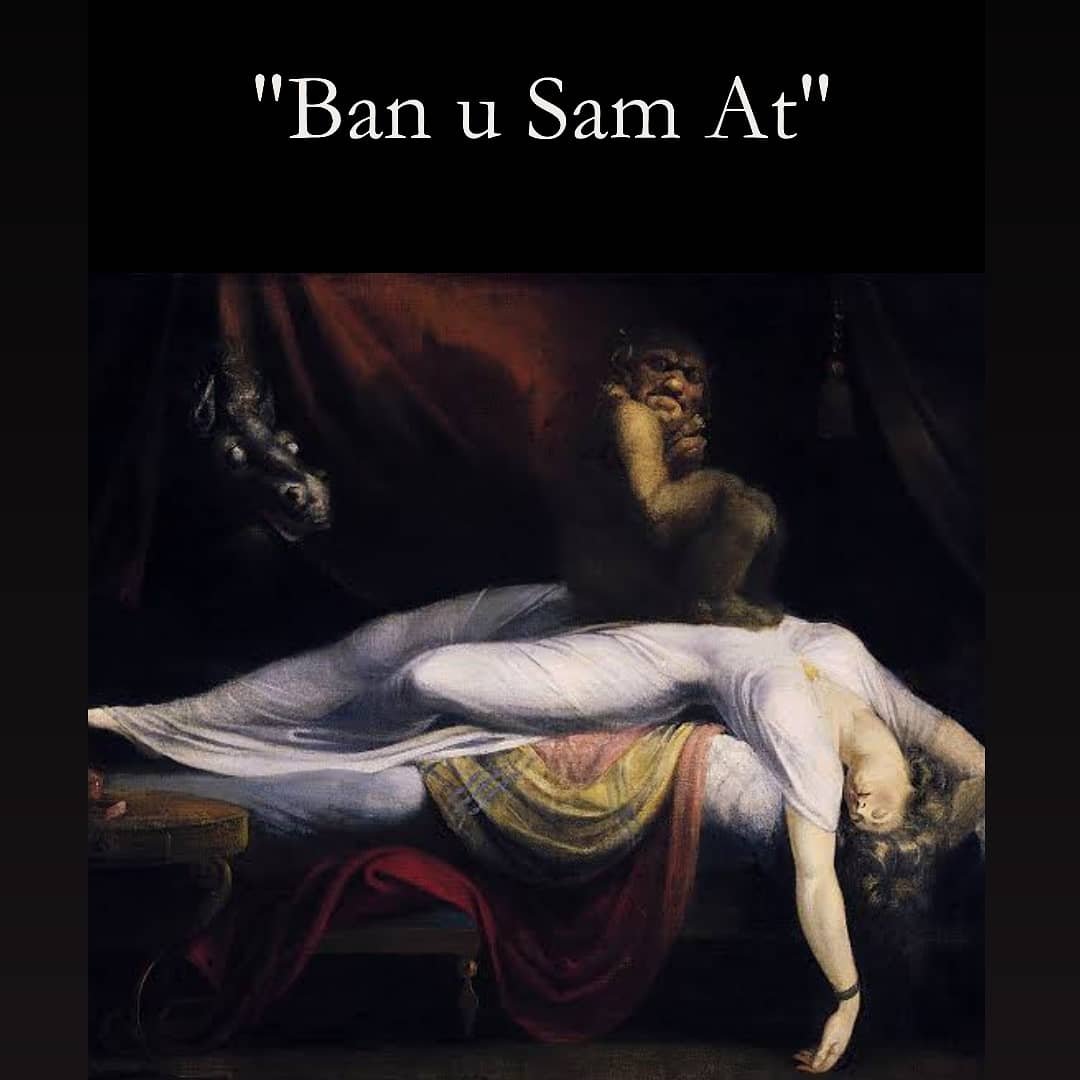
  • Ban u Sam At

    The Khasi phrase "Ban U Sam At" is translated as being held down or pressed on by "U Sam At". According to what is said, "U Sam At" is an imp who causes a person to become immobile even though they have woken up from sleep. The motive of the imp is only to render a person helpless but not to kill them.

    This is something most of us have experienced. We wake up and try to move but we can't. Our mind is conscious but our body is still in a state of sleep! This is described as sleep paralysis: a temporary inability to move or speak when falling asleep or upon waking.

    Thank you @evandanoradkhar for bringing this up! 👍

    "Ban U Sam At" is a phenomenon which happens to most of us 😅😅 It can be terrifying and even claustrophobic at times. And among the Khasis we have given it a name! 😳😳😨😨

    Picture: Wikipedia

  • Phriang jarut ka miaw

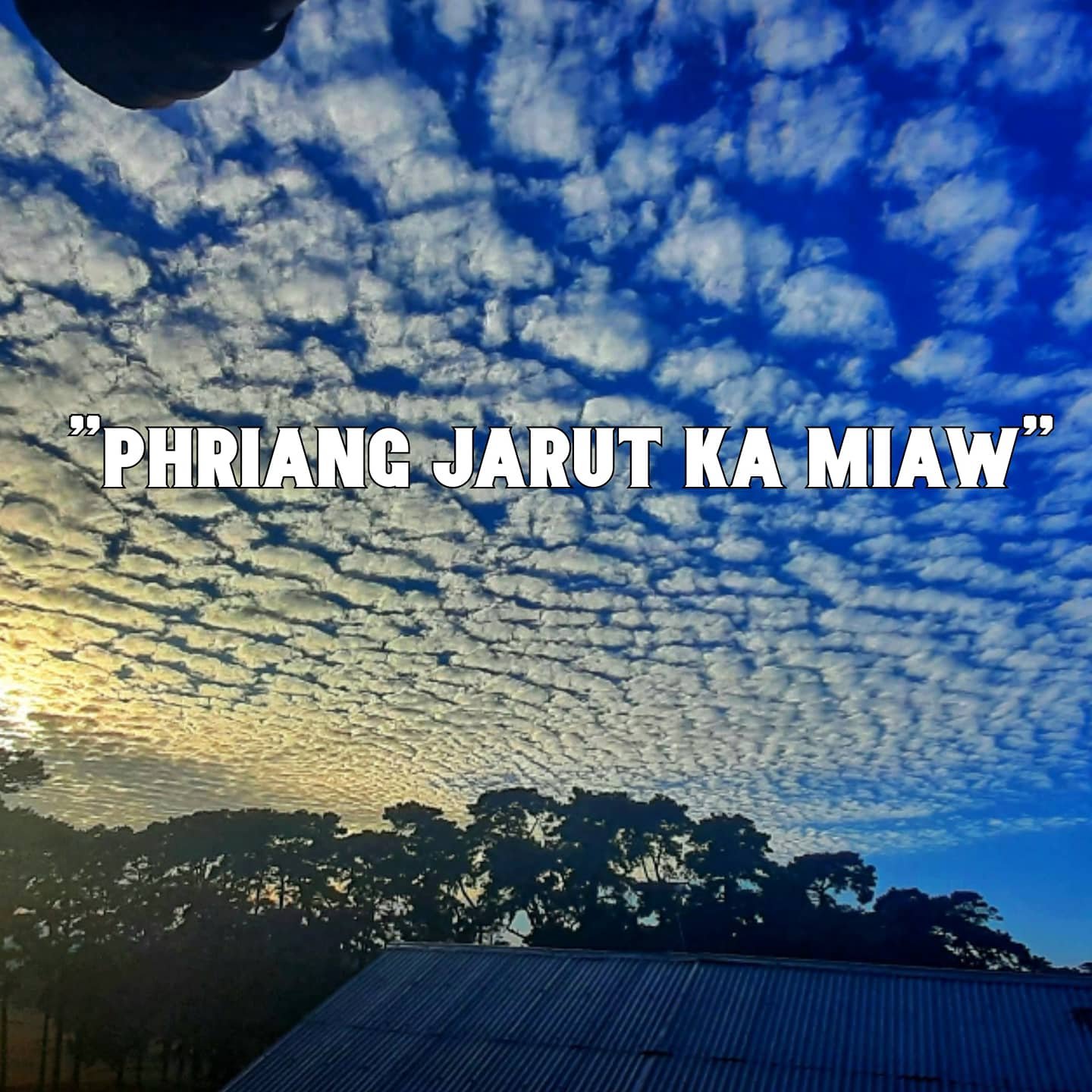
    Ka jingong "Phriang jarut ka miaw" ka thew ïa ka rukom shong jong ki lyoh ha ka suiñbneng kaba ong ha ka ktien English kum ki altocumulus clouds. Ka "jarut" ka dei ka ja kaba la pyndonkam ban ïa khleh lang bad u thiat ban shet kiad. Ka dur jong kine ki lyoh ka long thik kum ka jarut kaba la pynphriang da ka miaw.

    Ki lyoh altocumulus ki dei ki lyoh kiba rit kiba shong syrtap ha pdeng jong ka suiñbneng, ha ka dur jong ki pyllon ria ria. Ki don bunjait ki lyoh altocumulusbad ki la ban wan ha bun ki dur. Kine ki lyoh ki dei kiba khleh lang u thah bad ka um.

    The Khasi phrase "Phriang jarut ka miaw" is made to refer to a particular cloud formation called altocumulus clouds. "Phriang" means to scatter or spread, "jarut" is boiled rice that is mixed with yeast to make alcohol and "miaw" means cat. The appearance of Altocumulus clouds is perhaps similar to tufts of rice scattered by a cat's paws. It is definitely a creative way of describing a natural phenomenon!

    Moreover, altocumulus clouds are small mid-level layers or patches of clouds, called cloudlets, which commonly exist in the shape of rounded clumps. There are many varieties of altocumulus, however, meaning they can appear in a range of shapes. Altocumulus are made up of a mix of ice and water, giving them a slightly more ethereal appearance than the big and fluffy lower level cumulus.

    "Phriang Jarut ka Miaw" sent by @a_pocketful_of_plums Thank you for this beautiful cloudful entry! ⛅☁️🌥️

    This is a Khasi phrase which refers to the formation of Altocumulus clouds. 😃😃 These clouds appear as a collection of cloudlets spread across the sky. Don't they look as if a cat has scratched and scattered them? So beautiful! 🤩🤩

    Picture credit: @a_pocketful_of_plums

    Khasi and English explication by @speakyourroots
  • Thad kba u chrieh

    Esra says:

    This is an old narration of the Bhois which literally translates to "the monkey is drying his paddy".

    It is used to describe a natural phenomenon wherein the sunbeams diverge through the clouds and fall focally on the hilltop; while the remaining areas are without sunshine and dark. This is when old people say, the monkey is drying his harvested paddy on that hilltop during this time.

    "Thad kba u Chrieh" 🐵🐵🌾🌾 sent by @esra_syiem 😃😃 This is a Bhoi saying which is translated into the monkey is drying his paddy. As explained by Esra, this saying owes its origin to the natural phenomenon of the sun's rays hitting a specific area of a hilltop while other parts remain dark.

    Thank you for another interesting entry! And as Esra says it's #justabhoithing 😄😄

  • Kren amrang

    Ka jingong "Kren amrang" ka batai ïa ka jinglong jong u ne ka briew, ha kaba ki saitlah rhing tang ban lah ka nia la jong. Kiba kren amrang ki pyneh ïa la ki jong ki nia khlem pynjem ïano ïano ruh bad ka jingïohi jong ki ïa kiei kiei ruh ki neh pyrkhing beit kum kaba ki mut. Ïa ka ktien "amrang" la ju pyndonkam ruh ha ka die ka thied ïa ki briew kiba pyneh ïa ka dor jong ki tiar ki tar.

    "Kren amrang" is a Khasi phrase which describes a person who doggedly sticks to his argument; someone who has a rigid perception and who will not compromise to what others say. The word "amrang" also means being inflexible about the price of a commodity.

    "Kren amrang" is a Khasi phrase which describes an unrelenting and unyielding outlook.

  • Ieid Thep Mynsiem

    The Khasi phrase "ieid thep mynsiem” translates to a love which literally keeps someone safe in one's very own soul. It is a phrase used to describe familial love, love amongst the closest of friends, or even lovers.

    "Ieid thep mynsiem" sent by @laia.naomi 💜💜💜 Khublei Shibun!

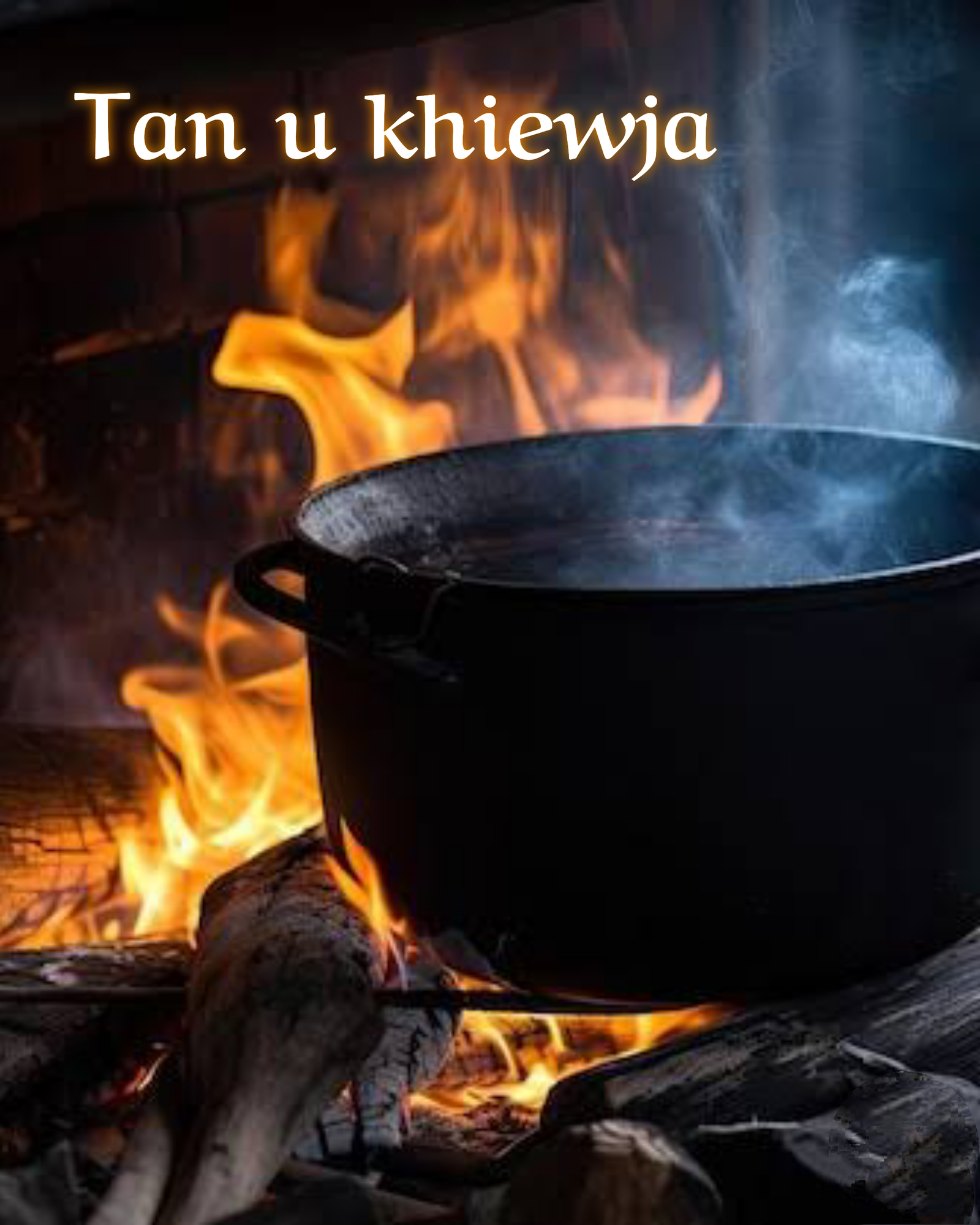
  • Tan u khiewja

    There is a real phenomenon known as the "return trip effect". It may be said to be caused by the human weakness of perceiving time. Sometimes our sense of how much time has passed is influenced by our surroundings, our mood or the amount of attention we spend on something.

    We have all made that one trip to an unfamiliar place right? It feels like forever when we are going to it, but on the return trip back home, the journey feels shorter.

    The Khasis describe this phenomenon as "Tan u khiewja". Literally, it is translated as the pull of the rice pot. The rice pot is synonymous with the warmth of the hearth, the centre of home and family. Thus, this metaphorical idiom expresses the pull of home or of the hearth, where one finds love and joy after returning from somewhere.

    Khublei Shibun @a_pocketful_of_plums for sending this!🔥🔥

    Acknowledgement for this post is also given to Dr. Ellerine Diengdoh, Assistant Professor, Department of English, St. Mary's College, Shillong.

  • Mynsiem Jong i Mei

    @dr.taniavaid says:

    "Mynsiem jong i Mei" meaning Mother's soul/spirit… A phrase I have been using a lot since I became mommy! Feels most right when expressed in Khasi.

  • Thlah Khmat and Symphuit Thri

    Thlah Khmat is Pnar phrase which in the literal sense means "blind in the eye". It is metaphorically used when one is extremely ashamed of something, that they feel they can no longer look anyone in the eye.

    Symphuit Thri is a Pnar description for the residue that is produced after the cane is shaved to make any cane product.

    Two Pnar (Jaiñtia) words "Thlah khmat" and "symphuit thri" sent by @anumanda 😄😄😄 Thank you for this contribution!