Blog

  • Ka thaiñ polo

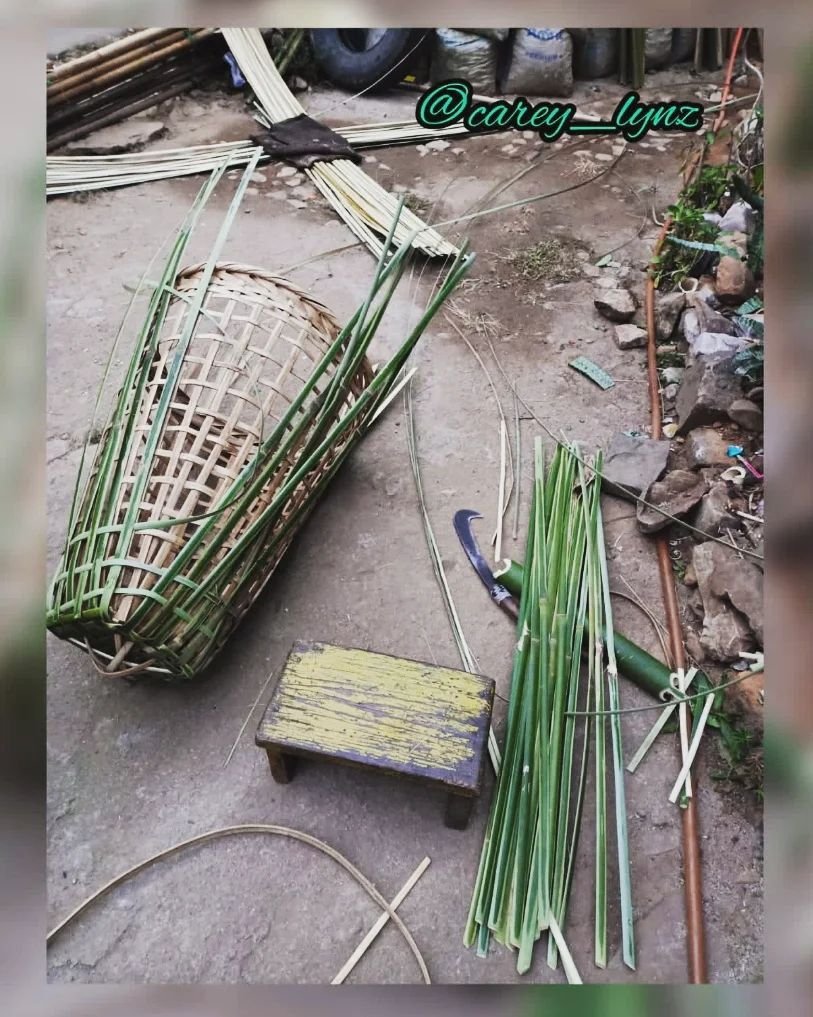
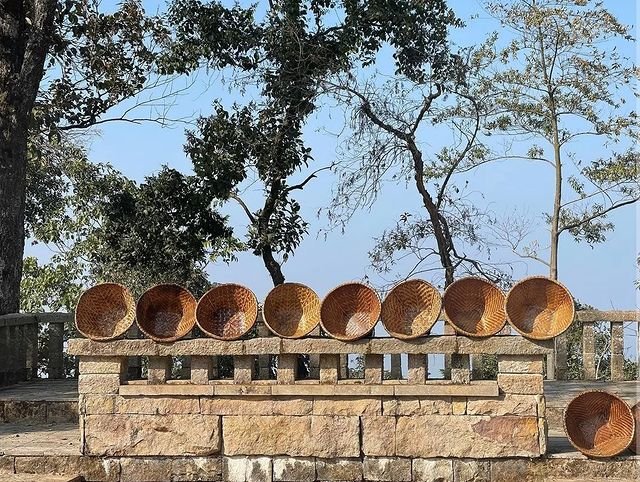
    Ka dur haba dang thaiñ polo kaba la phah da i @carey_lynz katba i dang ïaid ïa ka Mawryngkhang Trek ne ka Bamboo Trail ha Wahkhen.

    Khublei Shibun @carey_lynz ïa kane ka dur! 😄🙏❤️

    What the Khasis call a "polo" is a large deep cane basket used to carry an array of things. The polo in the picture was woven by a woman. The picture was taken at the Mawryngkhang Trek or Bamboo Trail in Wahkhen.

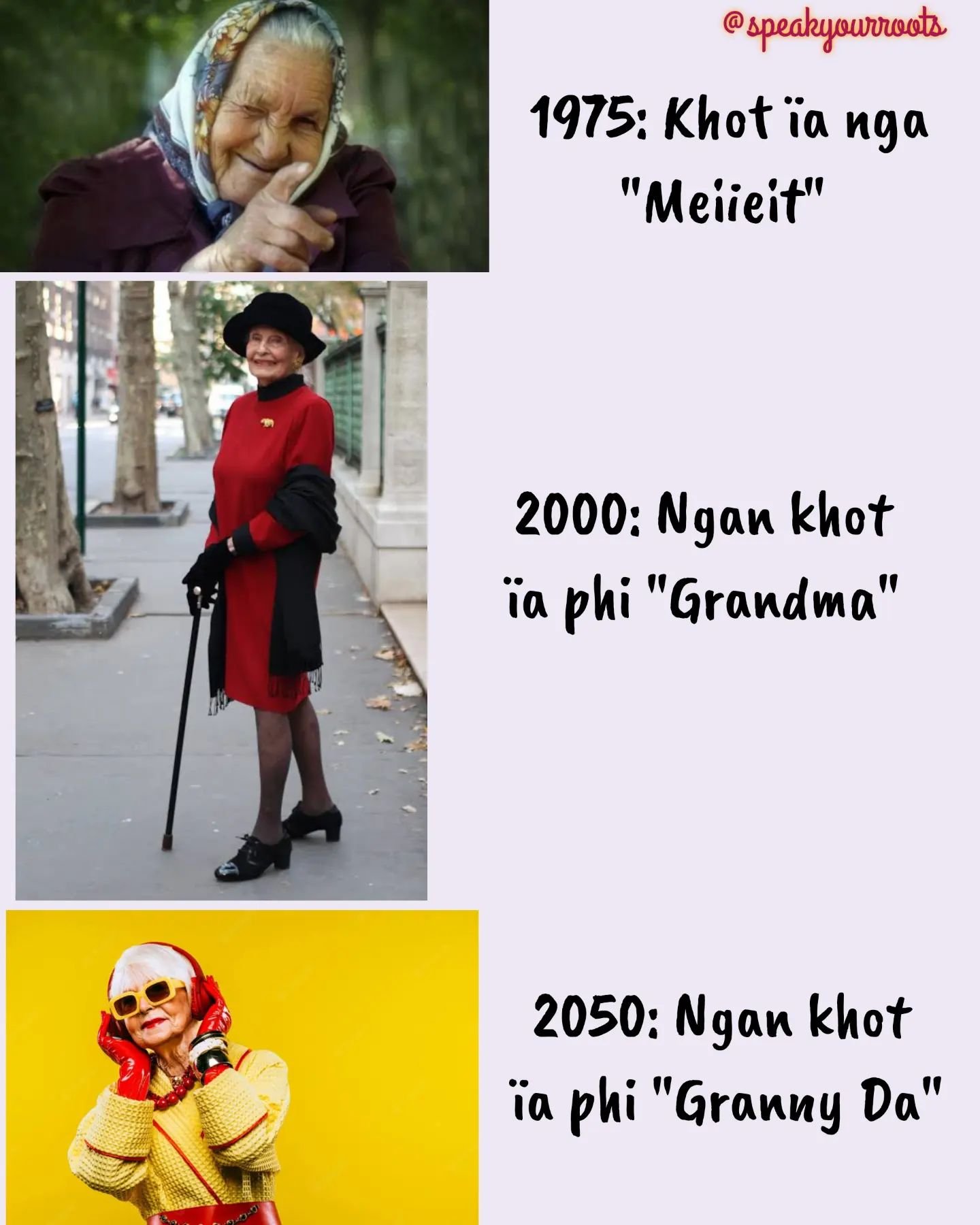
  • Khot ïa nga Meiieit

    Ïoh ka poi ka por ba ngim ïa nang shuh ban kam ha ka rukom kaba dei ïa ki bahaïing hasem la jong. Ïoh ngi kylla Aunty/ Uncle lut baroh…mano ba dei Kha, mano ba dei Ñia, teng teng ki khynnah kim kam shuh kumba dei. Don ba ong "Ynnai khot ïa nga Nah Nah namar nga sngew tymmen" 😅🤦

    Katno ka jingsngewieit ban ïohsngew ïa ki rukom khot "Meilud", "Meikhynnah" ne "Lungrit" ❤️❤️

  • Ka Kiew Pyneh Rngiew Pynksan Rngiew

    Khublei Shibun @hammarsing for allowing to post these photographs 🙏😄

    @hammarsing says:

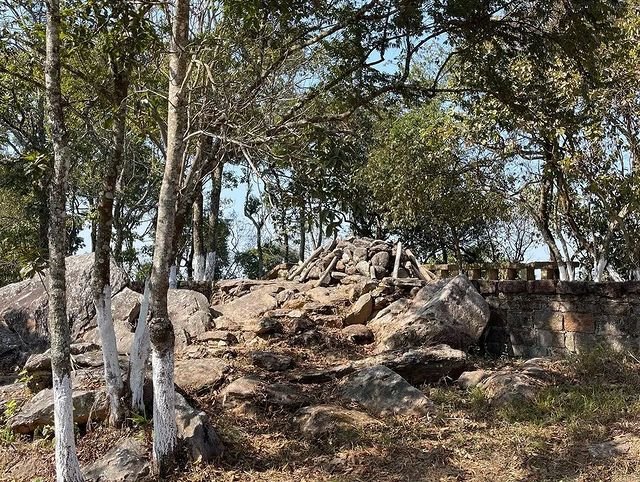
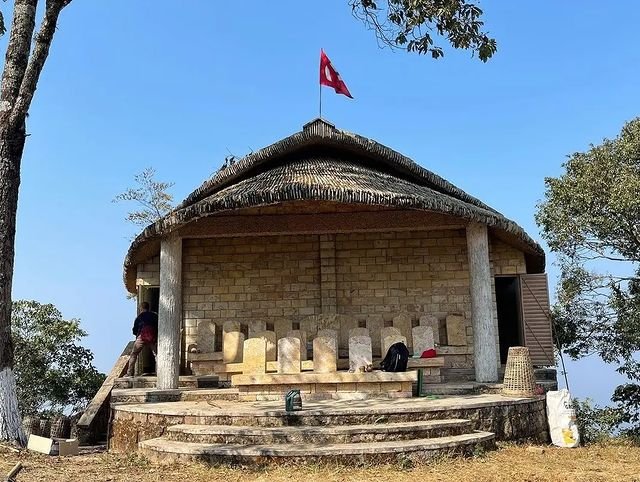
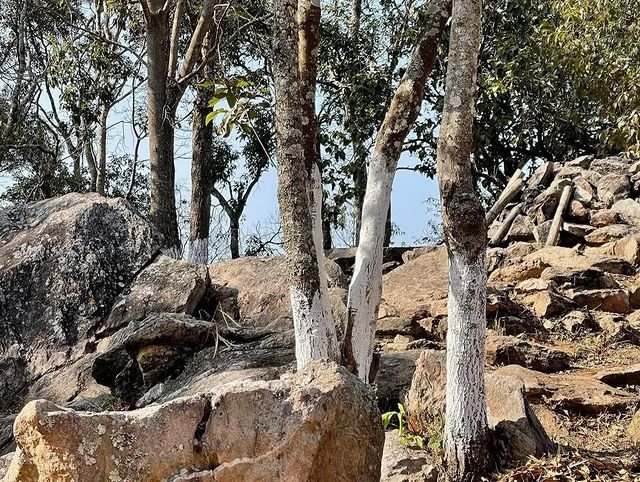
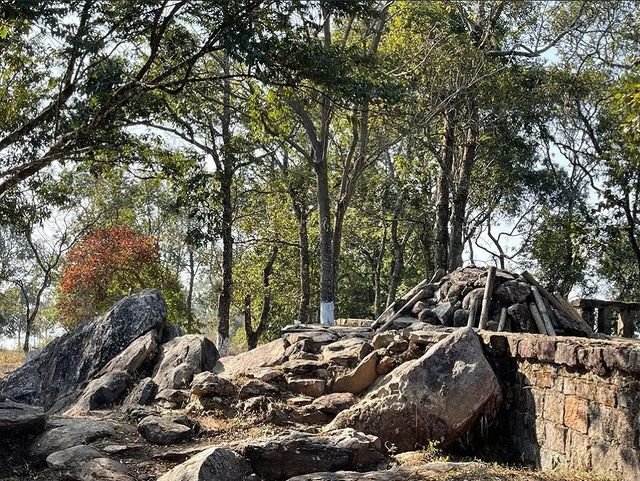
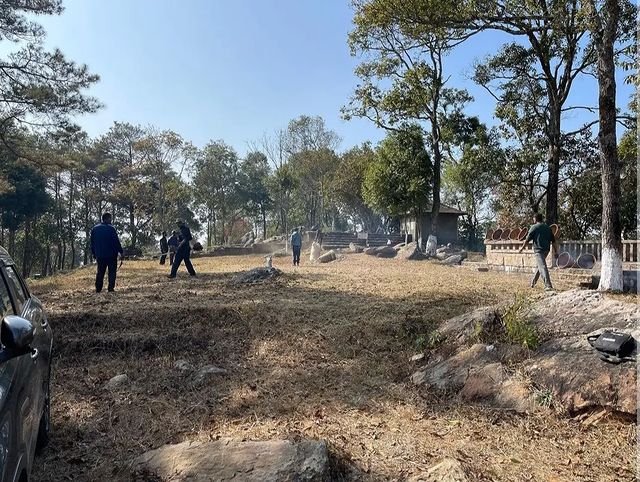
    Cleaning and other arrangements underway in preparation for the annual pilgrimage to the sanctum sanctorum of U Lum Sohpetbneng – Navel of the Heavens, Centre of the Universe.

    The pilgrimage known as "Ka Kiew Pyneh Rngiew Pynksan Rngiew" is to strengthen one’s inner being and essence – "Ka Rngiew".

    Sanctified rice and water will be distributed after the prayers and rituals are completed by the religious elders – U Tymmen U San – of Seng Khasi. The faithful will then each offer prayers at the sacred summit. The date for this years pilgrimage is February 5th 2023.

    This site is one of the most pristine places on Earth and a reminder of how sacred sites should be maintained and preserved. The tranquility of nature surpasses the grandeur of any man made structure."

    📸 @hammarsing

  • “Mawpoiñ” game held in St. Mary’s College, Shillong during the Sawangka Festival, 2019.

    This is a video of the last 17 seconds of a round of "Mawpoiñ" held in 2019 in St. Mary's College, Shillong during the Sawangka Festival.

    The Sawangka Festival is a one of a kind festival started by the Department of English, St. Mary's College, Shillong, which aims to nurture the talent of students while promoting language, literature, art, music, dance, theatre, sports and others.

    "Mawpoiñ" is an enthralling indigenous Khasi game which is similar to dodge ball. Here the ball is made of cloth and one team attempts to build a steady pile of stones while the other team tries to hit them with the ball 😄😄

    🟡 Rights to this video belong to the Department of English, St. Mary's College, Shillong.

  • Ka Dakha Wa Syang

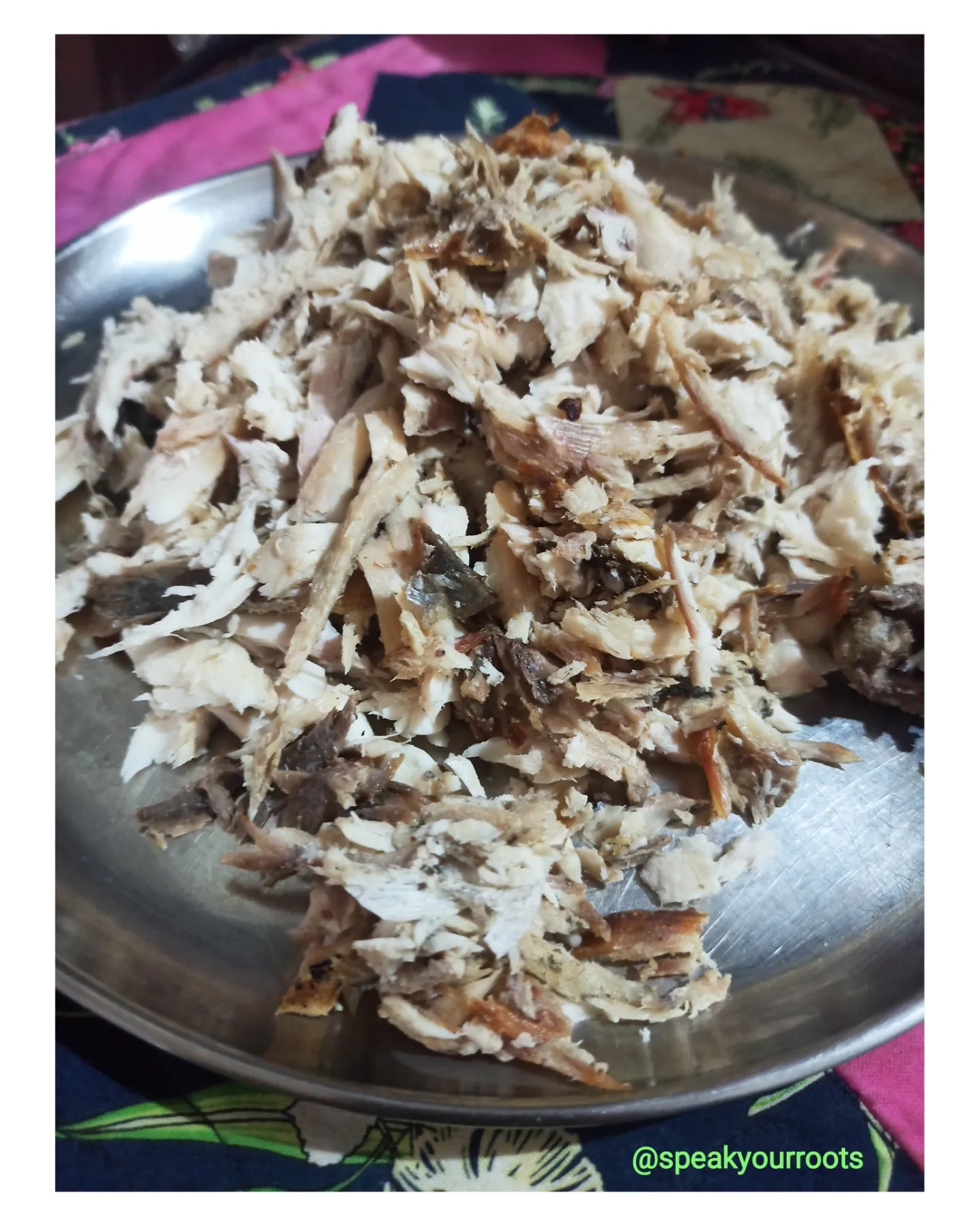
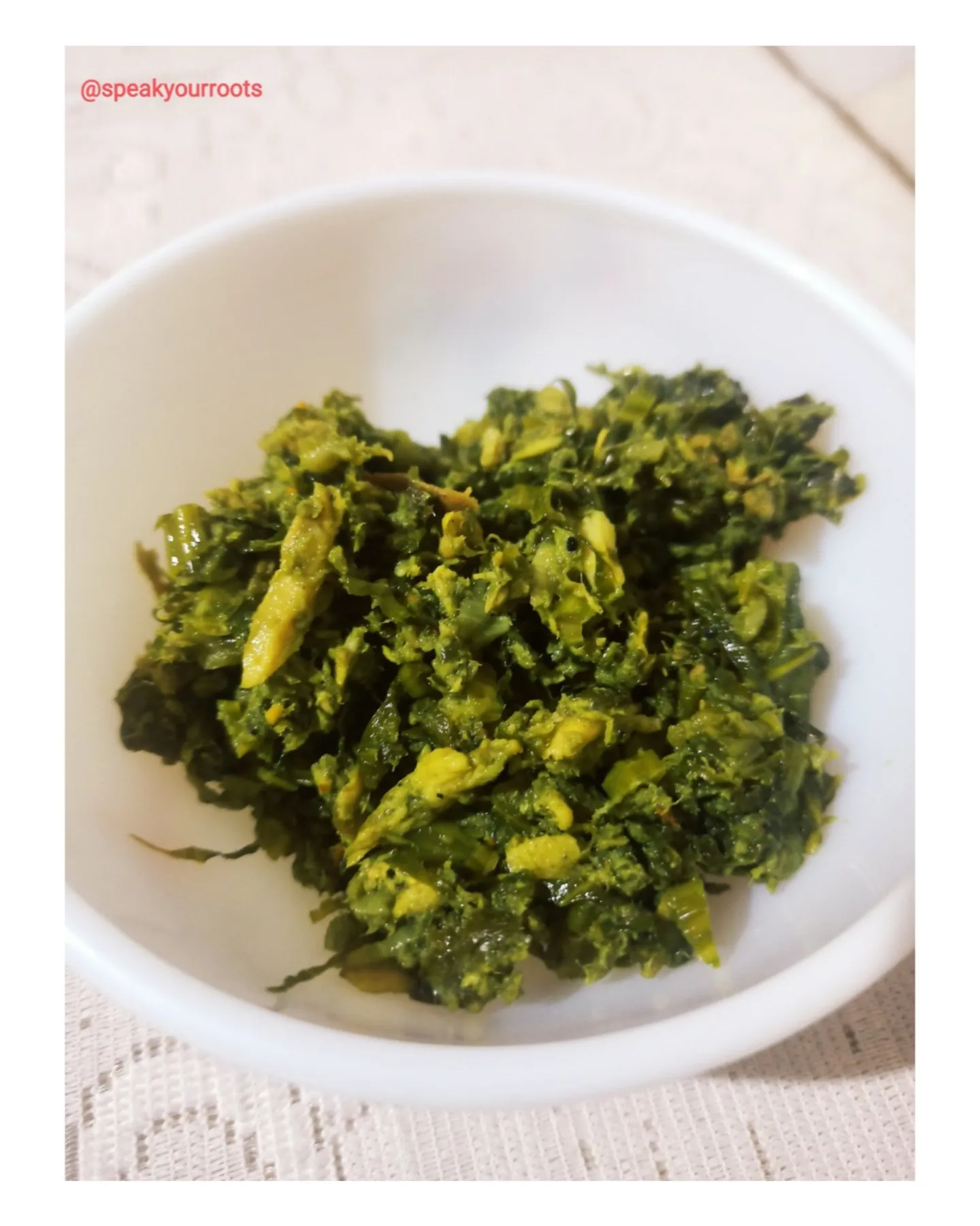
    "Ka Dakha Wa Syang" kaba ju bam ki Pnar 🐟🐟

    Smoked fish which is usually eaten by the Pnar community 🐟🐟

    Ju ïohsngew ba ki Khasi ki khot "Ka Kha Rang" ïa kane ka dohkha. Hato ka dei kane?

    Ka dur kaba nyngkong ka dei ka kha syang kaba la dep jied shiah bad khlai. Ka dur ba ar ka dei ka kha syang kaba la shet, da kaba kylla neiïong bad u tyrso ba ot ni 😋😋

    The first picture is smoked fish which has been cleaned of bones and shredded. The second picture is smoked fish which has been cooked with black sesame seeds, added with finely cut mustard leaves. All these ingredients give a great distinctive flavour! 😋😋

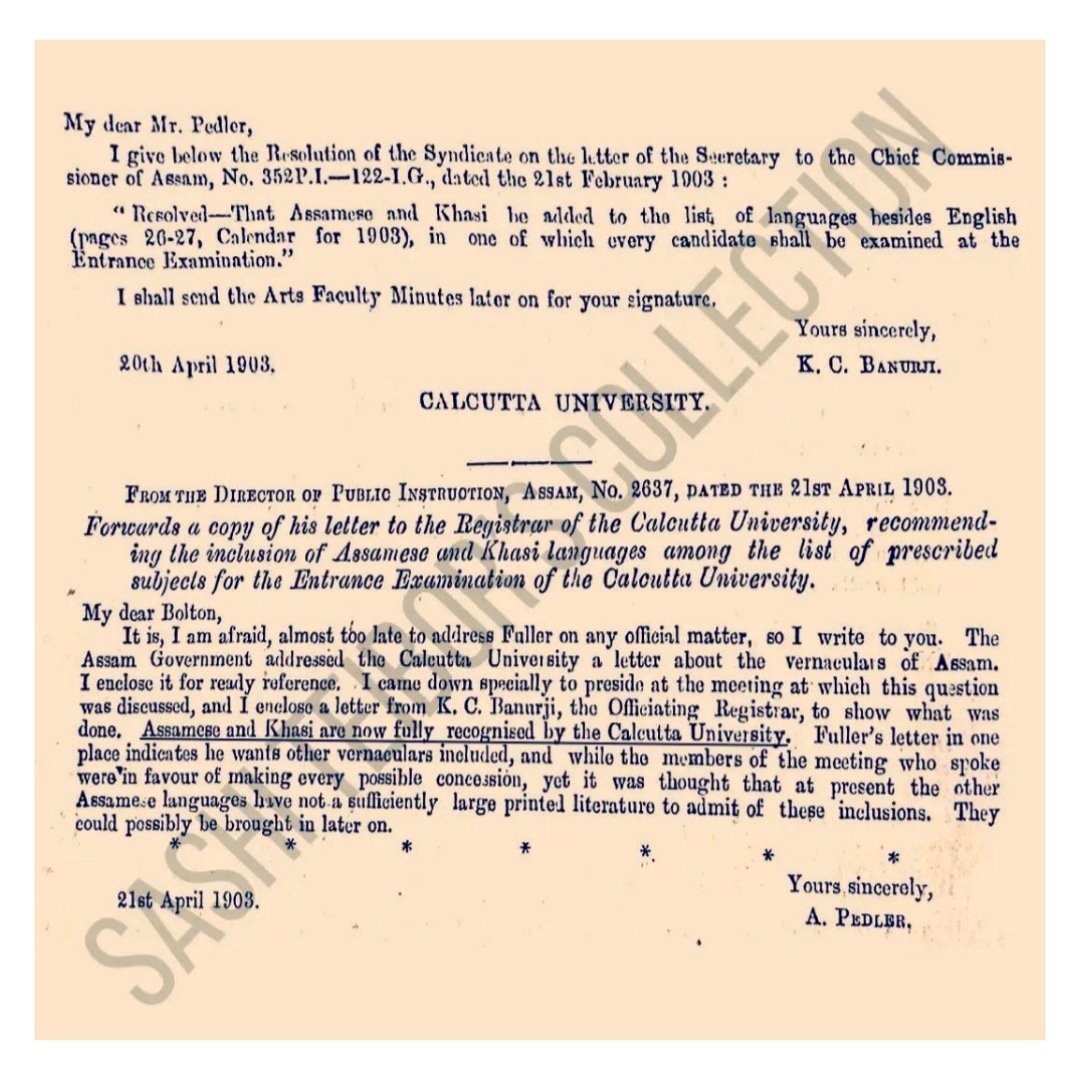
  • Khasi language accepted in Calcutta University

    In 1903, the Khasi language was accepted as one of the languages that could be used during entrance examinations in Calcutta University, West Bengal.

    Some information about Sir Pedler who is mentioned in the letter is here below (Source: https://en.m.wikisource.org/wiki/The_Indian_Biographical_Dictionary_(1915)/Pedler,_Sir_Alexander):

    Sir Alexander Pedler, F.R.S., C.I.E. (1901), Director of Public Instruction, Bengal (retired);

    Son of late John Standbury Pedler of Drilwich; Born in 1819;

    Education: City of London School and at the Royal College of Chemistry, London; Joined service, 1873; Meteorological Reporter to Bengal Government, 1889; Principal, Presidencv College, Calcutta, 1896; Director of Public Instruction, Bengal, 1899; Additional Member, Supreme Legislative Council, 1903; Vice-Chancellor, Calcutta University, 1904; retired, 1906. Address: 28, Stanhope Gardens, London.

    Khublei Shibun @historian_to_be for this contribution! 😀🙏 It is great to know that the Khasi language was acknowledged by the then British government as a language for entrance examinations.

  • Excerpt from “Ka Um Bad Ki Deiriti ha ka Meirisawkun” (2008)

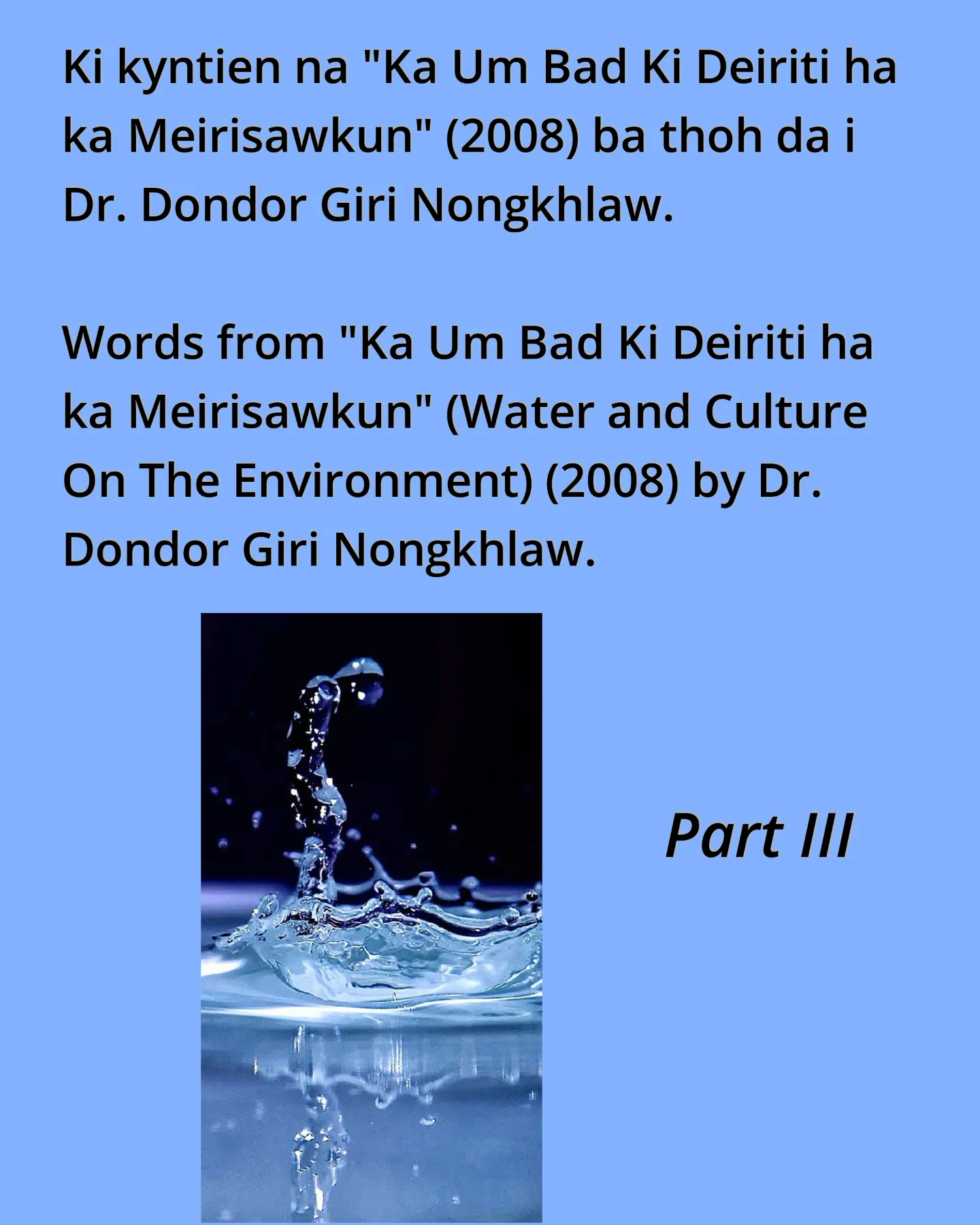
    Ki kyntien na Ka Um Bad Ki Deiriti ha ka Meirisawkun (2008) ba thoh da i Dr. Dondor Giri Nongkhlaw.

    Words from Ka Um Bad Ki Deiriti ha ka Meirisawkun (Water and Culture In The Environment) (2008) by Dr. Dondor Giri Nongkhlaw.

    Haiñ – Temperature

    Ri Shriaw – Desert

    Kreiding – Volcano

    Yanroh – Pollution

    Saiñ Umtli – Condensation

    Hap Brum – Precipitation

    Chamet Am – Liquid waste

    Chamet Tylli – Solid waste

    Here is the third list of unique words from the book Ka Um Bad Ki Deiriti ha ka Meirisawkun by Dr. Dondor Giri Nongkhlaw. 🌊🌀

    Dr. Dondor Giri Nongkhlaw is a Geomorphologist who has written several Khasi books focussing on the elements of the environment and their bond with Khasi life and culture.

    Kaba sngewtynnat ka long ba i Dr. Nongkhlaw i la thaw ïa kine ki kyntien da kaba shim bad bynrap na ki ktien Khasi-Pnar kiba bun jong ngi, ban pynman bad pynroi ïa kine ki kyntien kiba ngin pyndonkam ha ka jingpule Science bad Geography. 🙏👏

    What is good is that Dr. Nongkhlaw has coined these words by taking from the various Khasi-Pnar dialects that are there, to establish and add them to the language, so we can use them in the study of Science and Geography. 🙏👏

  • Apot Sepsngi

    Ka ktien "apot" ka mut ka jingjynjar, ka lanot, ka suhsat bad ka shitom.

    The Khasi word "apot" refers to the experience of hardship, misfortune, adversity and difficulty.

    Ka jingong "apot sepsngi" ka thew ïa ka lanot bad ka suhsat kaba hap ïaid lyngba kaba la palat liam. Ngi lah ban batai ba ka ktien "sepsngi" ka thew ïa ka jingduh jingkyrmen bad ka jingsngewsih kaba la sngew kutlad shisha.

    The Khasi phrase "apot sepsngi" describes the misfortune or adversity that befalls which is hard for one to bear. We may explain the word "sepsngi" (literally meaning setting sun) symbolically refers to hopelessness and sorrow with no respite in sight.

    The phrase "Apot Sepsngi" describes a tragedy or a catastrophe that befalls a person. 😓😟 Its meaning is made more significant by the metaphor of the setting sun, echoing a dark time and hopelessness.

    🟡 Khasi explication and English translation by @speakyourroots

  • Ka Phniang Ka Pjei

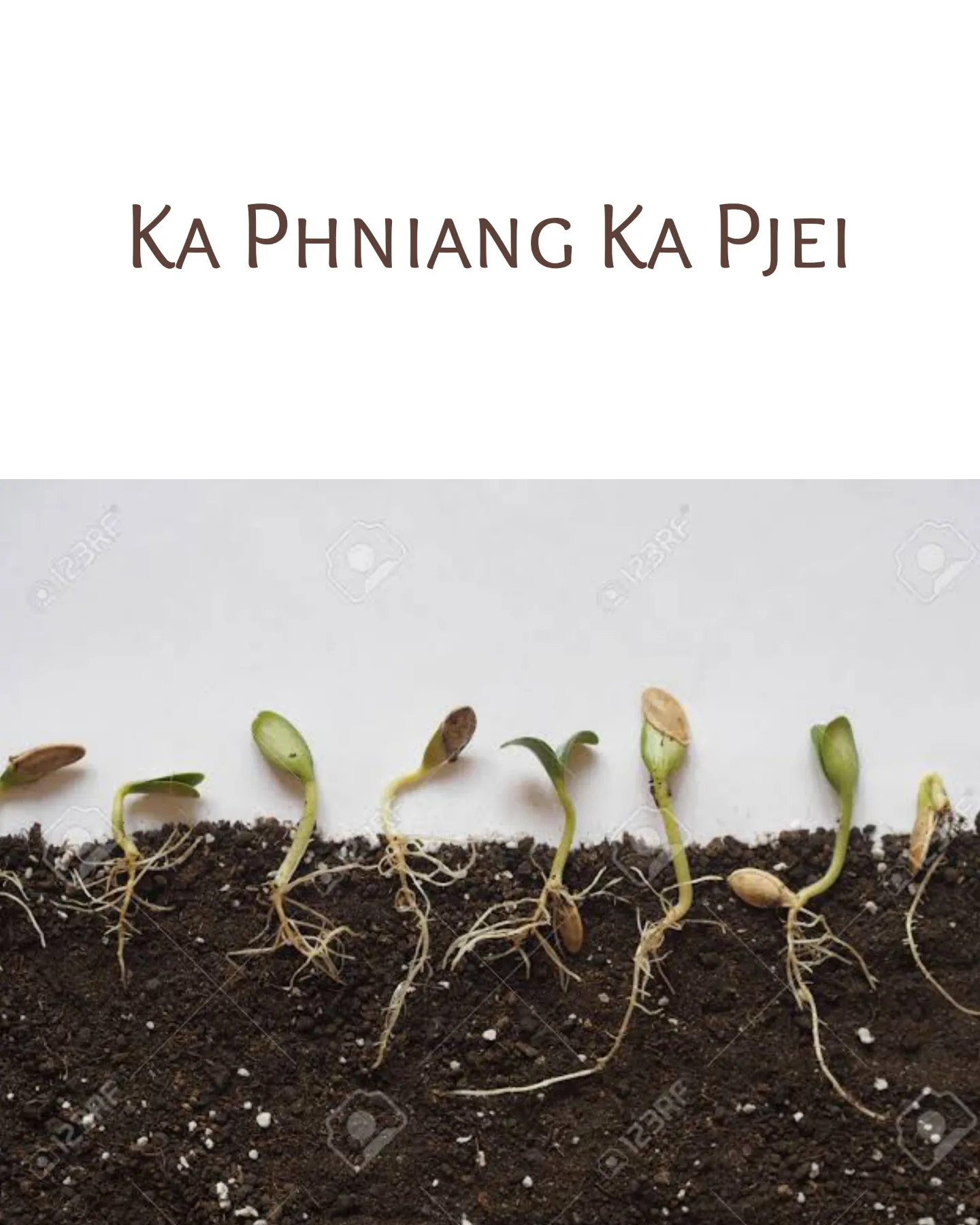
    "Ka Phniang Ka Pjei" ka dei ka kmie ne kiba haïing hasem kiba dang dei na kajuh ka jait ne ka kur; u thied u symbai.

    "Ka Phniang Ka Pjei" is the mother or the relatives who are from the same clan. The phrase also means the root and the seed.

    "Ka Phniang Ka Pjei" reiterates the significance of the mother and clan in the Khasi community. Mother, clan, root and seed become beautifully synonymous 🙏🌾🌱🌲

  • Kyrwoh and Ai Kyrwoh

    Ka ktien "Kyrwoh" ka mut ka jingteh, ka ksah ne ka sati.

    "Ai kyrwoh" ka mut kaba phah khubor; kaba lam ktien; kaba ai jingtip.

    The Khasi word "Kyrwoh" means something tied or a ring.

    "Ai kyrwoh" means to send news or a message; to give word and to send information.

    Ki don lai rukom ki ksah ne ki sati kiba thaiñ da u 'sai siej, kiba pyndonkam haba phah khubor na kawei ka jaka sha kawei pat. Ki lai jait ki kyrwoh ki long kumne:

    1. Ka kyrwoh kaba biang sbak ha ka 'ti kmie, ka pyni ba dang bun bad kylluid ka por

    2. Ka kyrwoh kaba ha ka 'ti pdeng ka pynpaw ba la kham khim ka por

    3. Ka kyrwoh kaba ha ka 'ti duh, ka pyni bym don por shuh ban dang buhteng

    There are three kinds of rings that are woven out of bamboo threads, which are used to send news or messages from one place to another. The three types of "kyrwoh" are:

    1. The kyrwoh which fits snugly on the thumb shows that there is still some time

    2. The kyrwoh which is worn on the middle finger shows that time is running out

    3. The kyrwoh which is worn on the little finger shows that there is no more time to
    procrastinate

    The "Kyrwoh" and the "Ai Kyrwoh" are interesting practices that many of us need to be reminded of 💭💭

    @fdphy i ong kumne: "Nga shu tip ba ka don ka rukom thaiñ kyrwoh ba ju khot “pyrnu” (kynnoh pyr-nu). Ki riew tymmen ki ïathuh ba ka rukom thaiñ ka don jingmut bad ki nang ban pule ïa ka jingmut. La pyndonkam bha ha ka por phah kylli samla. Te lada u shynrang u ai “pyrnu” i kynthei, ma i ruh in jubab da kata kajuh ka pyrnu hi. Ïa mynta hi kat ka jingtip jong nga ym don shuh kiba nang ban pule ïa ka jingmut, lehse dang don kiba thaiñ tang ban shu thaiñ kumto. La pyndonkam ruh ïa ki pyrnu ha kiwei ki kam kum haba pynskhem ïa ka ping wait."

    Khublei Shibun @fdphy ba phi lah ai jingtip kumne 🙏