Blog

  • U khiew uba la sop phu-ïong

    U khiew uba la sop phu-ïong ba thnam ha ka ding bad ka dohthad kaba la thad rkhiang ❤️🔥

    This is a typical Khasi hearth along with soot covered pot and a load of smoked meat on the top. 😋😋❤️❤️

    Khublei Shibun @laia.naomi ïa kane ka reel! 🙏🤗

    #dpeikhasi #khiewkhasi #dohthad #khasihearth #smokedmeat #khasifood #khasiculture #khasilanguage #khasilanguageconservation #indigenouslanguageconservation #speakyourroots #speakyourrootschallenge #talklocal

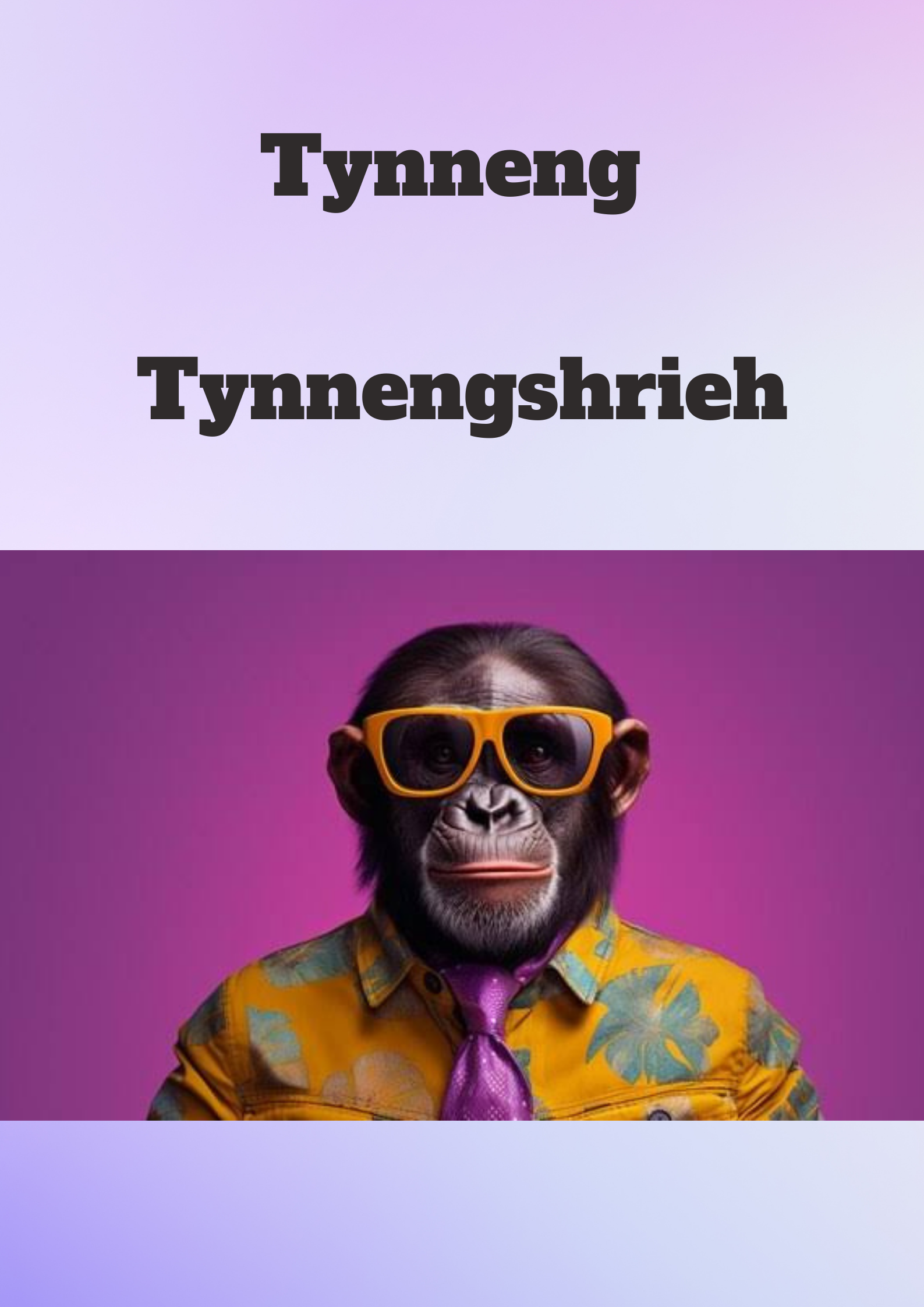
  • Tynneng bad Tynneng Shrieh

    Ka ktien Khasi "tynneng" (verb) ka mut ban pyrthuh bud ne ban pynbud ïa kaei kaei. Kane ka jingpyrthuh bud ka lah ban dei ha ka rukom im, ka rukom leh ne ha ka rukom kren.

    Shuh shuh, ka ktien Khasi "tynnengshrieh" (verb) ka mut ban shu pynbud ne pyrthuh bud matlah khlem tip ïa ka dang ka kut ne kumno kan ktah ïa ka jingim ne ïa ka jingmut jingpyrkhat. Kum haba ong "Ki khynnah ki bud tynnengshrieh ïa kaba ki ïohi ha ki phlim."

    The Khasi word "tynneng" (verb) means to imitate (or copy) from others. This imitation may be the imitation of a lifestyle, a way of behaving or a way of speaking.

    Further, the Khasi word "tynnengshrieh" (verb) literally meaning an imitating monkey, means to imitate blindly without understanding the depth, the effect or the consequences of something. For instance, "Children blindly imitate what they see in films and television."

    Ïa ka ktien "tynneng" te ngi lah ïohsngew hi tangba ïa ka ktien "tynnengshrieh" te tharai bun ngim da tip 😂🐵 Ynnai ïa leh shrieh mo 😅😂

    The Khasi word "tynnengshrieh" might remind you of the English word "monkey business" but their meanings are quite different. 🙊🙉🙈

    🟡Khasi collation and English translation by @speakyourroots

    #tynneng #tynnengshrieh #khasiwords #khasilanguage #khasilanguageconservation #indigenouslanguages #indigenouslanguageconservation #speakyourroots #speakyourrootschallenge #talklocal

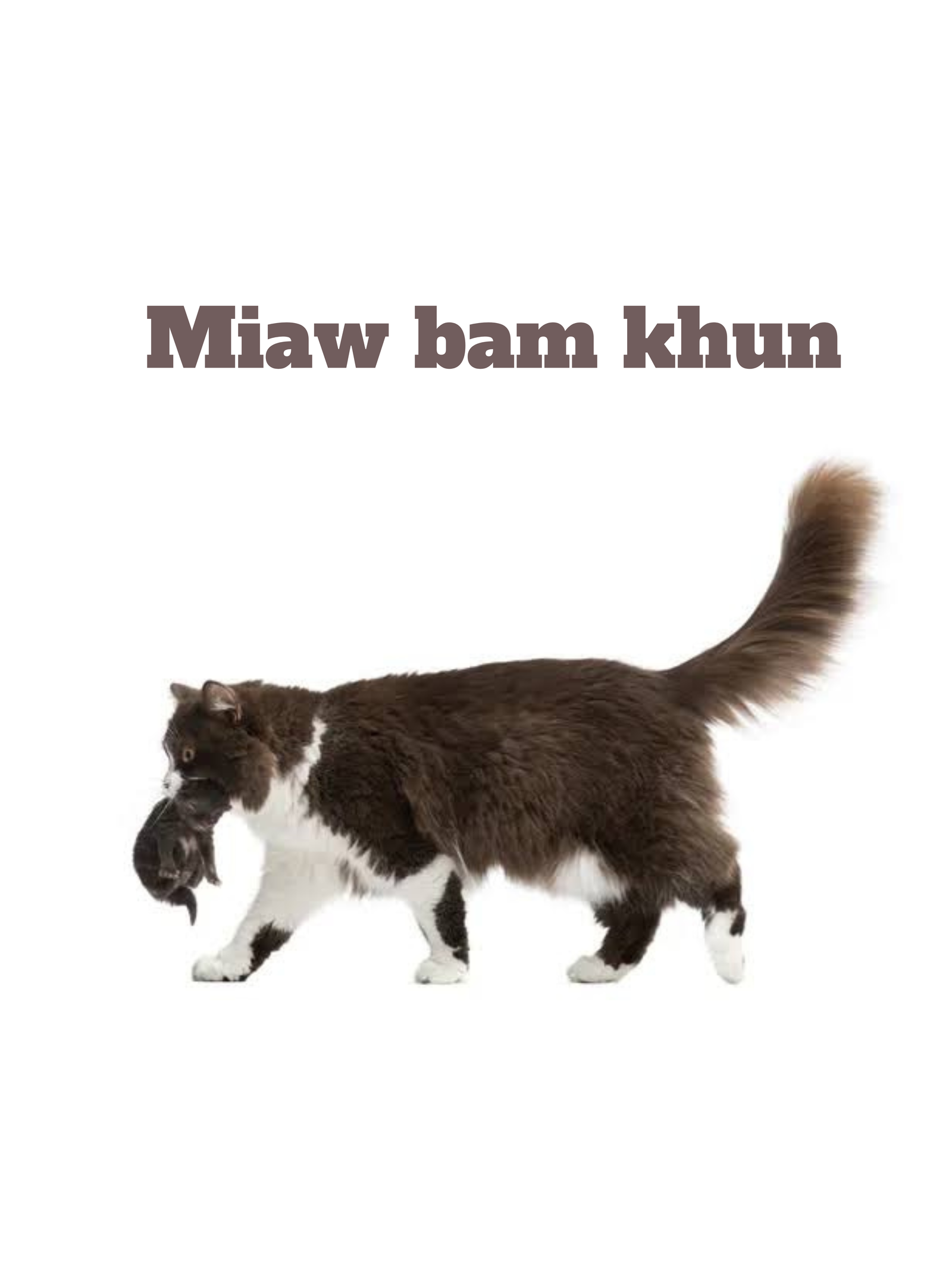
  • Miaw bam khun

    Ka jingong "Miaw bam khun" ka don bun ki jingbatai bad ki rukom sngewthuh.

    Kane ka jingong ka lah ban thew ïa ka kmie kaba pynwan ïa ka jingpynduh lad-lynti ïa ki khun. Ha bun ki khep kane kam dei ba ka kmie ka leh khnang. Tangba ka ktien ne ka jingtim jingtla jong ka kmie ka pynjem rngiew ïa ki khun.

    Kane ka jingong ka thew ruh ïa ka kmie kaba ieh noh ïa ki khun, kum ban ong ba ka kmie ka pynkut pyndam noh ïa kata ka jingieit bad jingïalam kaba kordor jong ka.

    Ka jinghikai kaba ngi ïoh na kane ka jingong ka long ba kum ki kmie ngi don ka bor kaba khlaiñ ban pynmih ïa ka jingbha na ki khun jong ngi ne ban pyntroiñ pynpulom ïa ka jingbha jong ki ruh.

    .

    .

    .

    The Khasi phrase "Miaw bam khun" (literally a cat who eats its own kittens) may have a few interpretations.

    This phrase refers to a mother who is instrumental in bringing obstacles in the life of her children. In many instances this is not purposely done by the mother. But the words and the harsh reprimand of the mother weaken the child's essence or sense of self or capability to achieve his/her full potential.

    This phrase may also refer to a mother who abandons her child, in the sense that she ruins any valuable love or guidance that may come only from her.

    The lesson that is drawn from this phrase is that as mothers we are powerful in our ability to bring out a child's potential or destroy it.

    The Khasi phrase "Miaw bam khun" is a phrase we have heard of but have not been able to explain properly.

    Khublei Shibun @meiithei @bada_boombam bad @carey_lynz na ka bynta ka jingïarap jong phi ha kaba pynkhreh ïa kane ka post 🙏🙏

    Sngewbha ai shuh ki jingbatai jong phi ïa kane ka jingong ha ki comments.

    🟡 English and Khasi collated by @speakyourroots

    #miawbamkhun #khasiphrases #khasiidioms #khasisayings #khasilanguage #khasilanguageconservation #indigenouslanguages #indigenouslanguageconservation #speakyourroots #speakyourrootschallenge #talklocal

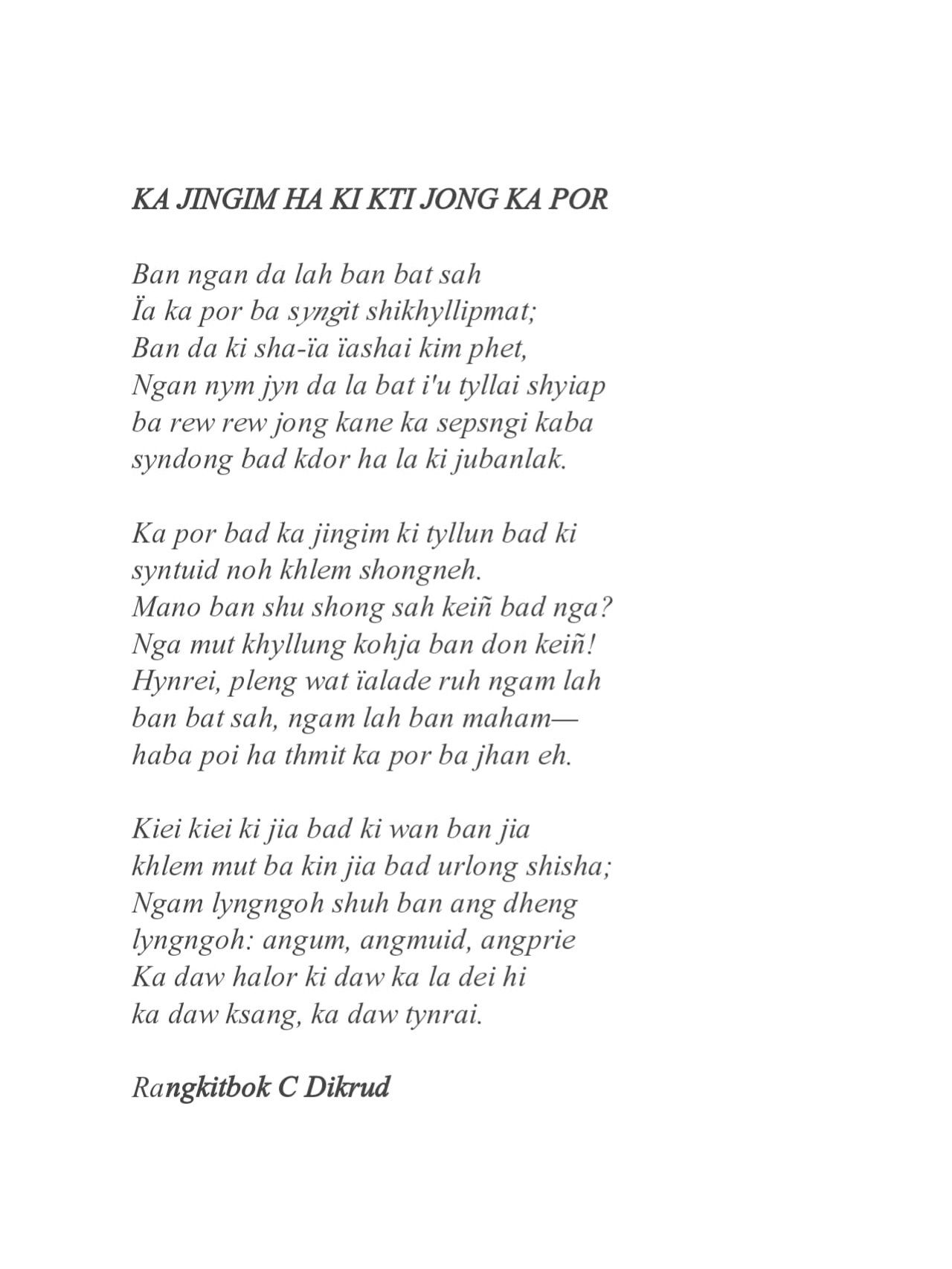
  • “Ka Jingim Ha Ki Kti Ka Por” da i Rangkitbok C. Dikrud

    "Ka Jingim Ha Ki Kti Jong Ka Por" is an original Khasi poem written by @rangkitbok_c 📝📖

    Kane ka dei sa kawei ka poim kaba la phah da i @rangkitbok_c 😄 Sngewkmen shikatdei ba phi ïai pyrshang ban thoh ha ka ktien lajong! 🙏

    Khublei Shibun @rangkitbok_c na ka bynta ka poim jong phi kaba pynsawa ïa ka jingangnud jong ka jinglong briew jong ngi ban pynsah ïa ka por, haba ka por pat kam kwah ban neh kumjuh. Dei shisha ba phi ong "…pleng wat ïalade ruh ngam lah ban bat sah…" 🍃🍃 🙌🙌

    "Ka Jingim Ha Ki Kti Jong Ka Por" or "Life in the Hands of Time" speaks of the ever-flowing stream of time pitted against the human need for permanence. 🍃🍃

    Rangkitbok C. Dikrud published his first volume of poetry entitled Ka Maïa Jong Ka Por: Ka Thup Poitri Khasi Ha Ka Laitlan, Haiku bad Tanka in 2021.

    #khasipoetry #khasiliterature #khasipoetryintranslation #khasiwriters #khasilanguage #khasilanguageconservation #speakyourroots #speakyourrootschallenge #talklocal

  • Ka dur jong nga…

    Mano bym ieit ïa ki jingrwai Khasi khamtam ki jingrwai ba rim mynshuwa! 😄😄 Dei ban ïa shad noh da kito ki jingrwai haba don ka khawai ka sngewbha 😁💃🕺

    #khasimemes #jingrwaikhasi #khasisongs #khasimusic #singyourroots #speakyourroots #speakyourrootschallenge #talklocal

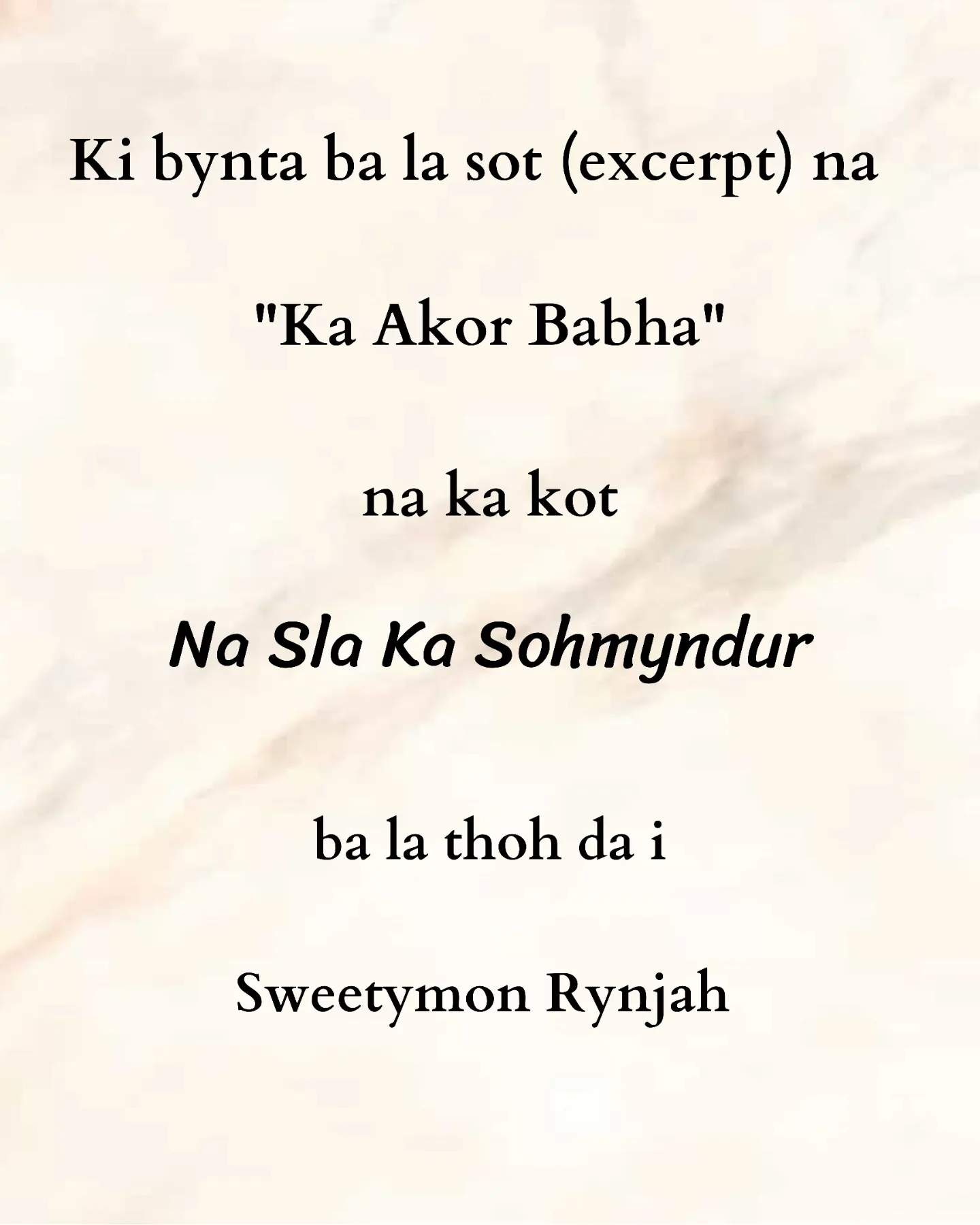
  • “Ka Akor Babha” – Sweetymon Rynjah

    Excerpt from Na Sla Ka Sohmyndur by Sweetymon Rynjah

    Ka jingbatai ïa ka kyntien ‘Akor’ ka long kaba eh, ym don kyntien kiba lah ban batai pynshai ha ka ktien Khasi kum ka dur ne ka rong. Lah ban shu ai jingbatai ba ka dei ka kynja jingstad barieh ba don ha ka long briew man briew, kum ka sap tynrai. Dei hi U Blei Nongthaw uba la buh ïa kane ka jingstad ha u briew da kaba ïohi ïa ka buit ka bor kumno u pynïadei bad ki para briew. Ka Akor namar kata ka long ka bynta jong ka sap tip briew, kaba pynïaid ïa ka jingïadei briew kumno ngi kren, ngi leh, ngi kam, para briew. Ha ngi ki Khasi, naduh hyndai hynthai, ngi Ia tip ba ka aiñtynrai jong ka longbriew ka dei ka Akor babha.

    La ju ïohsngew ruh ïa ki kyntien riewtymmen ba "ka akor ka long ka baiseng ïa u briew". Shisien pyrkhat kumno keiñ kata ka lah ban long. U briew uba lum spah hato un donkam baiseng aïu pat ha ka jingpynïaid jingim jong u? Hynrei kine ki kyntien ki kit ïa ka jingmut kaba jylliew. U briew uba bha ha ka ktien ka thylliej, u bymkren ibeiñ, ñiew beiñ ne kren pynmong ïa kiwei pat, kum uta u briew u don ka baiseng ha ka jinglong bad jingleh jong u. Kumta u ïoh ban thied ïa ka jingïadei ïajan, ïaieit-ïathoiñ bad jingïashaniah mar kylliang, jong kiba bun ba Iang. Kumta ka akor kaba bha ka long kawei pat ka baiseng kaba u briew u pyndonkam ha la ka jinglong jingman nalor ka spah ka hajar kum ka baiseng da ka pisa.

    .

    .

    .

    To explain and define the Khasi word "Akor" is difficult, as there is no word that can explain it like a definite image or colour. One may describe it as the wisdom that is hidden, that exists in human nature, like an innate talent. It is God the Creator who has placed this wisdom in an individual, when he sees how wisdom and intelligence is used in relation to others. "Akor" therefore, is part of human nature, which directs human relationships in what we say, in what we do with other fellow men. For us the Khasi community, since time immemorial, it is known and understood that the root law or foundational law of being human is good "Akor".

    We know the saying of the elders which states "Akor is capital for an individual". The first thought that comes to mind is how can this be. An individual who gathers wealth needs what more capital to steer his life? However, these words carry within them a deep meaning. An individual who speaks only good things, who does not speak despisingly or in a hurtful manner, this kind of individual possesses capital in his personality and deeds. In this way, this individual wins the closeness, love and trust of many. Thus, good akor is another kind of capital that an individual uses by virtue of his nature and personality, besides the money that is used as investment.

    "Ka Akor Ka Long Ka Baiseng Ïa U Briew" ka dei ka jingong kaba ngi lah ju ïohsngew. Pule haneng ba phin ïoh ka ki jingbatai kiba sngewtynnat bad shongkhia na i Kong Sweetymon Rynjah. 🙌 🙌

    The Khasi love for "Akor" is something that is ingrained in us from our parents and grandparents. We may say it is an integral part of the Khasi oral tradition and worldview. Thus, the significance of Akor should not be undermined. Read more to understand from the learned Kong Sweetymon Rynjah 🙏🙌

    🟡 English translation by @speakyourroots

    #kaakor #kaakorkabatam #kaakorkaburom #ktientymmen #sayingsofelders #khasicustom #khasiculture #khasiphrases #khasilanguage #khasilanguageconservation #speakyourroots #speakyourrootschallenge #talklocal
  • Ka Tyrko/ Ka Jingtyrko/ Ka Jingïakop Tyrko

    Ka Tyrko (noun) ka dei ka kynhun ki samla kiba pule ha ka salonsari ne kino kino kiba wad bniah shaphang kano kano ka mat hapoh ka jingïalam u nonghikai.

    Ka tyrko ka dei ruh ka jingïalang na ka bynta ka jingïasyllok ne ka jingïaphylliew jingmut ne ai jinghikai.

    Shuh shuh, ka tyrko ne ka jingtyrko ne ka jingïakop tyrko ka dei ka jingïatainia halor kawei ka mat pdeng.

    The Khasi word "Tyrko" (noun) is a group of students studying in a university or anyone who has undertaken research on a topic under the guidance of a teacher.

    "Tyrko" is also a gathering like a seminar for the purpose of having discussion and discourse or the teaching of a group of people.

    Further, "Tyrko" or "Jingtyrko" or "Jingïakop Tyrko" is a debate on a particular topic.

    Ka jingmut jong ka ktien "Tyrko" ka dei kaba donkam ba ngin kynmaw. 👍👍

    🟡 "Salonsari" ka mut University. Lah ju sah dak mynshuwa ïa kane ka kyntien.

    Another Khasi word that is important for wider usage is "Tyrko".

    🟡 English translation by @speakyourroots

    #tyrko #seminar #debate #teaching #discussion #khasiwords #khasiwordsusage

    #khasiwordsintranslation #speakyourroots

    #speakyourrootschallenge #talklocal
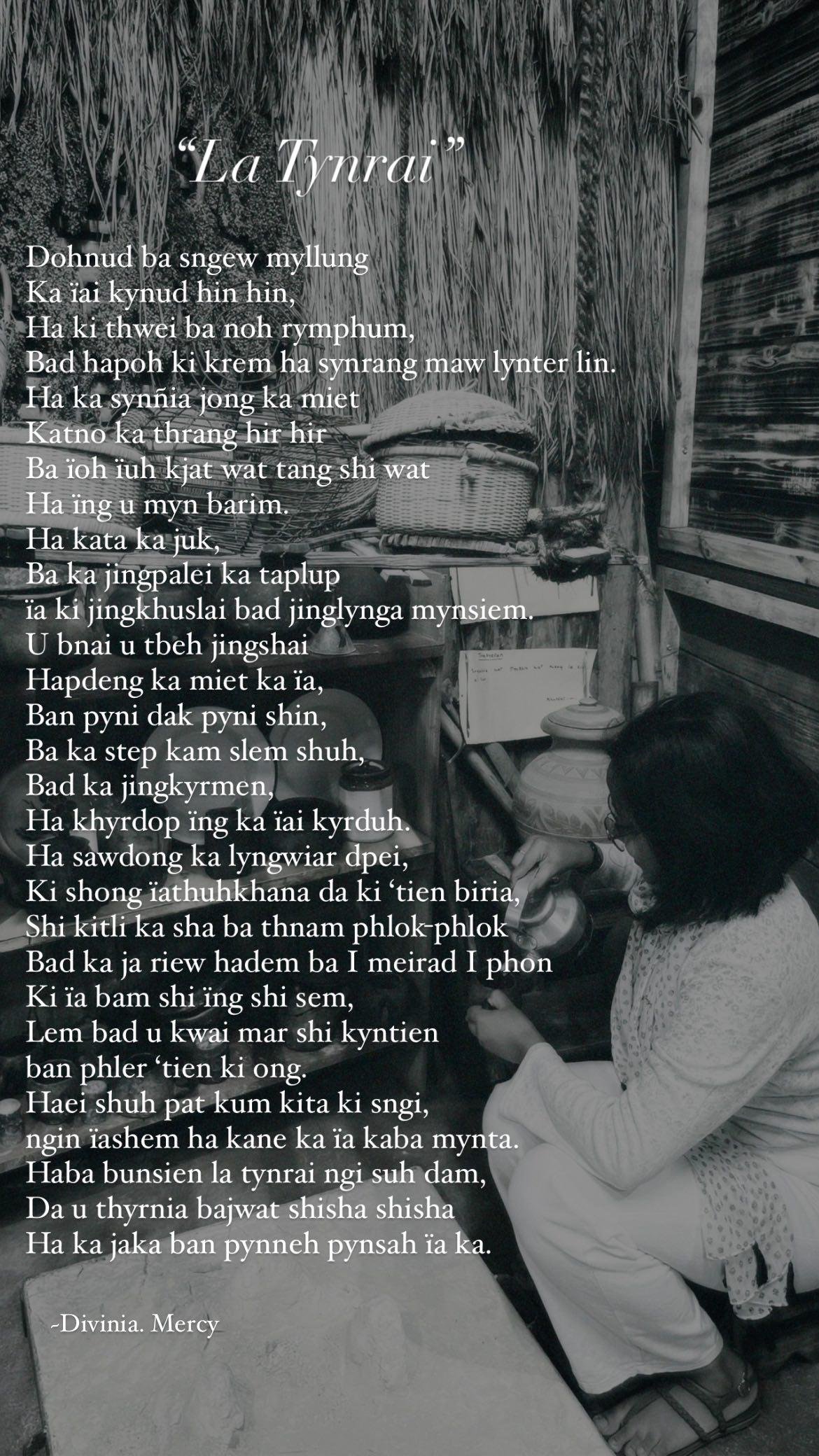
  • “La Tynrai” da i Divinia Tynsong

    "La Tynrai” (One's Own Roots) is an original Khasi poem written by @_paper_and_poetry

    Khublei Shibun @_paper_and_poetry ba phi la phah ïa ka poim jong phi ban sah dak ha ka page! 🙏🙏 Ha ka rta kaba dang rit ka sap ka phong jong phi ka la paw shynna ha ki jingthoh ba kordor! 😃

    Shisha bun na ngi, ngi kwah ban poi sha ïing u mynbarim ban ïoh shong ha lyngwiar dpei, ban sngap khana ryngkat bad shi kyntien u kwai ❤️🌿

    #latynrai #mynbarim #onesroots #ourroots #sawdonglyngwiardpei #aroundthehearth #khasipoetry #khasipoems #khasiliterature #khasiwriting #khasilanguage #khasilanguageconservation #speakyourroots #speakyourrootschallenge #talklocal

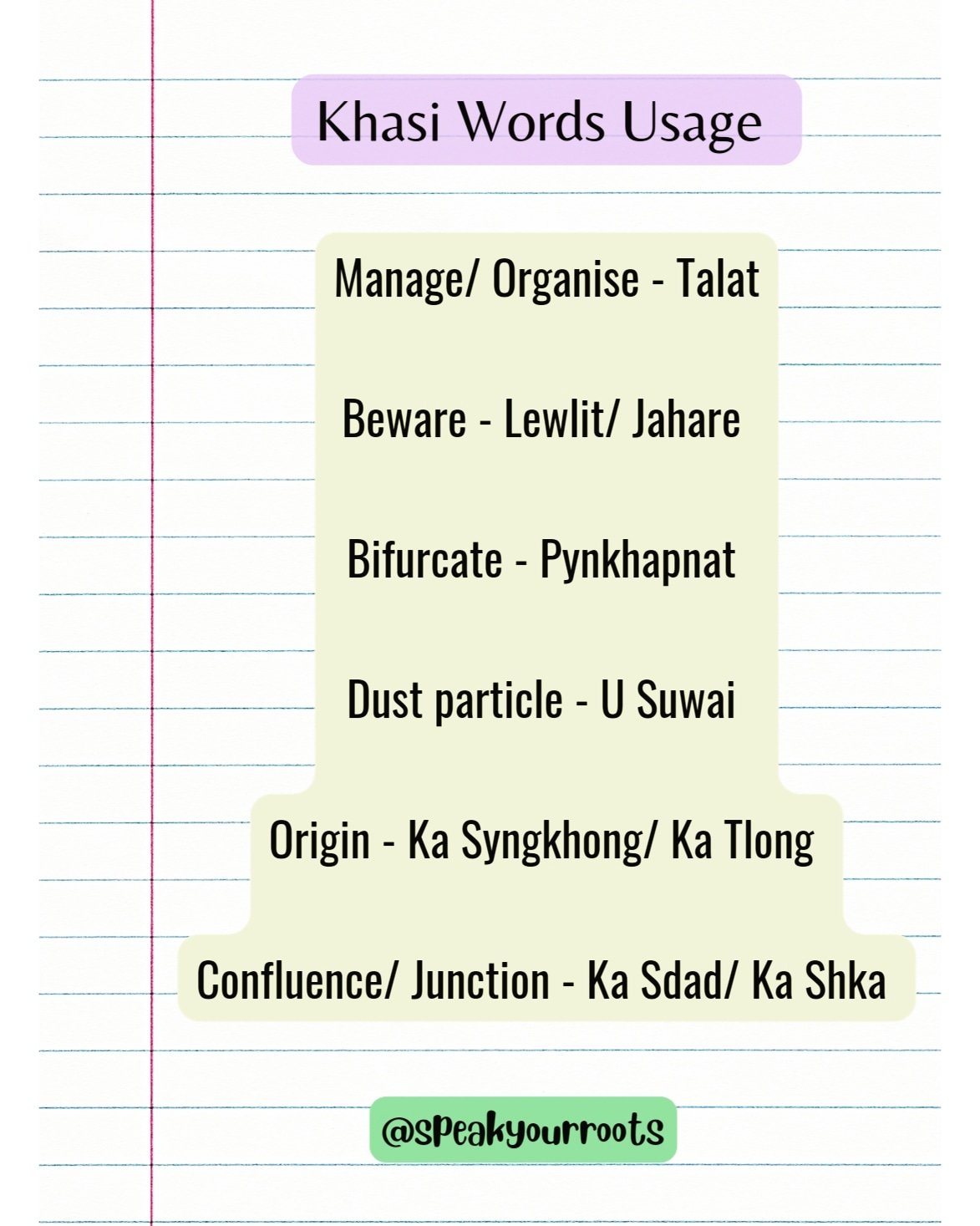
  • Another list of Khasi words and their English equivalents

    Lah slem khlem ïoh ban sah dak ïa ki kyntien Khasi kiba ngi lah ban pyndonkam na kawei ka sngi sha kawei pat 😄 Kyrmen ba ngin myntoi na sa shi hud ki kyntien!

    Here is another list of Khasi words and their English equivalents! Happy reading! 😄

    Tlong/ Source:

    🟡 Ka Dienshonhi: The Khasi Encyclopaedic Dictionary

    🟡 Learner's Khasi Dictionary With English-Khasi Index

    #khasiwordsusage #khasiwords #khasilanguage #khasilanguageconservation #indigenouslanguages #indigenouslanguagerevitalization #indigenouslanguagesdecade #speakyourroots #speakyourrootschallenge #talklocal

  • Herbarium Sheet Series 3: Mulberry/ Sohlyngdkhur/ Miskuri

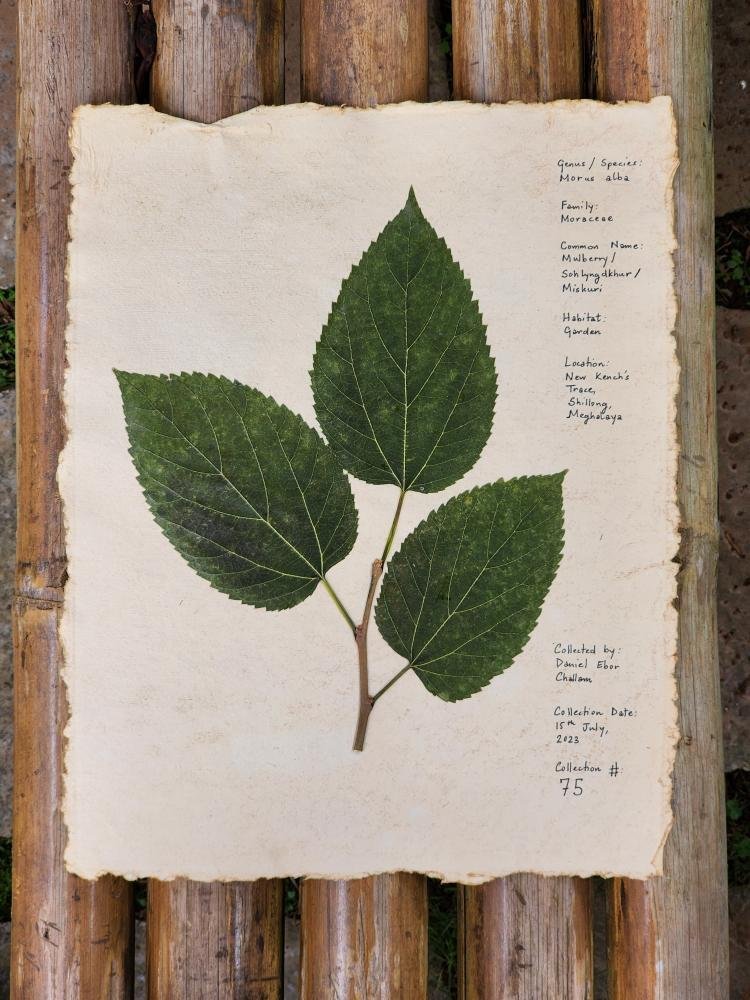
    HERBARIUM SHEET SERIES 3 by @micromotives

    The third in the Herbarium Sheet series is the leaf of the Mulberry tree or Dieng Sohlyngdkhur as it is called in Khasi.

    "U Sohlyngdkhur u dei u soh ba bang ban bam bad ba lam rong sawdum. Ïa ki sla jong u la ju pyndonkam ha kaba bsa ïa ki khñiang kha ksai". – Ka Dienshonhi: The Khasi Encyclopaedic Dictionary

    Genus / Species: Morus alba

    Family: Moraceae

    Common Name: Mulberry/ Sohlyngdkhur/ Miskuri

    Habitat: Garden

    Location: New Kenche's Trace, Shillong, Meghalaya

    Collected by: Daniel Ebor Challam

    Collection Date: 15th July, 2023

    Collection #: 75

    Khublei Shibun @micromotives for another of these beautiful herbarium sheets! 🙏🌿🍃