Blog

  • Different kinds of stories

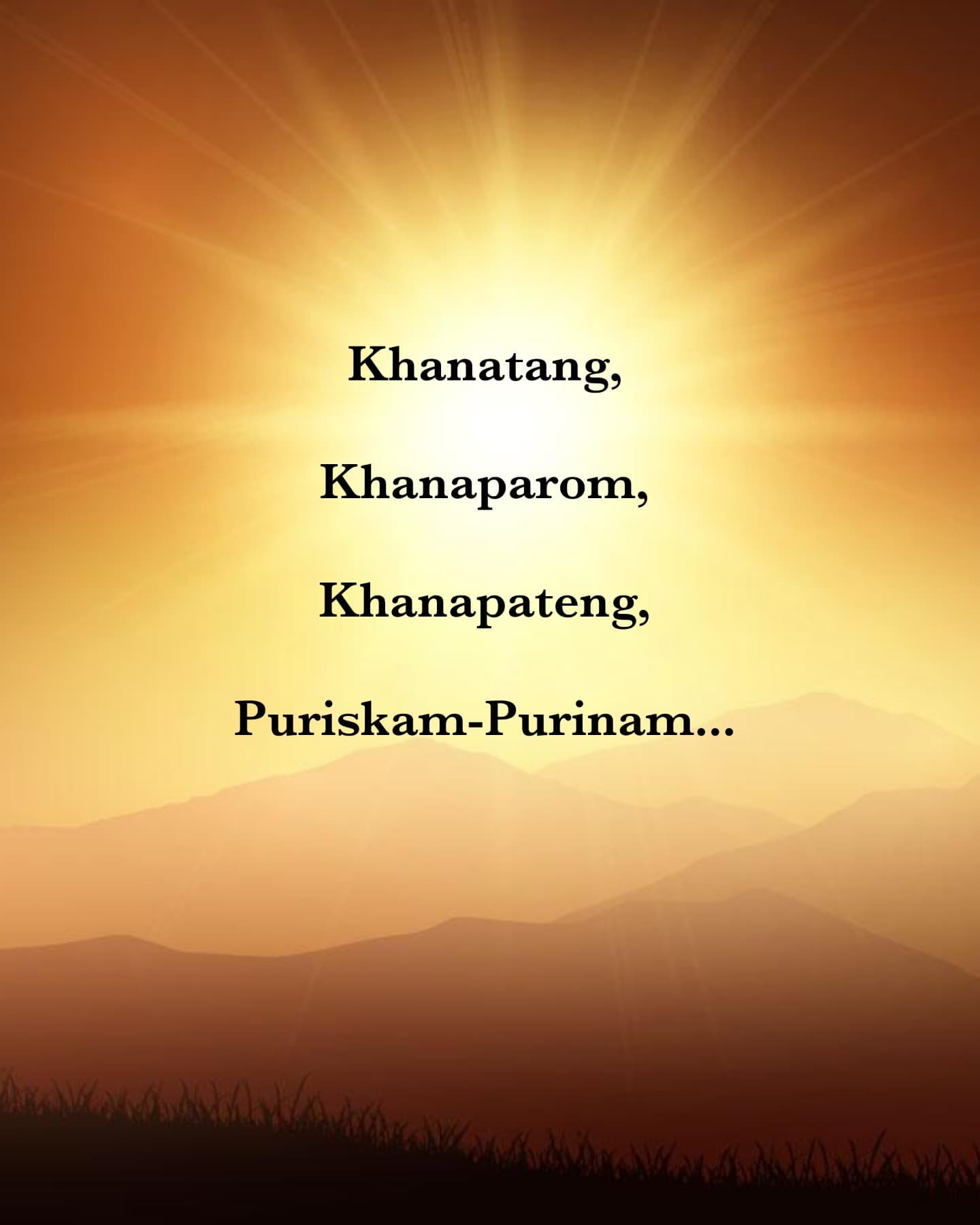
    On the 27th of September 2021, a question was asked about the difference between Khanatang, Puriskam-Purinam and other forms of Khasi stories.

    These are the responses:

    Folktales are Ki Khanaparom

    Myths are Ki Khanatang

    Legends are Ki Khanapateng

    Fairytales and Fables are Ki Puriskam-Purinam

    It may be noted that these may have different names in different dialects.

    Understanding our oral tradition requires that we understand the different types of stories that our forefathers put forth, to articulate a history and a culture. ๐ŸŒฒ๐ŸŒพ๐Ÿ‚

    Khublei Shibun @lieng_makaw and @lurstepkharlyngz for your responses! ๐Ÿ™๐Ÿ™

    If anyone wants to add more, please feel free to mention them in the comments section.

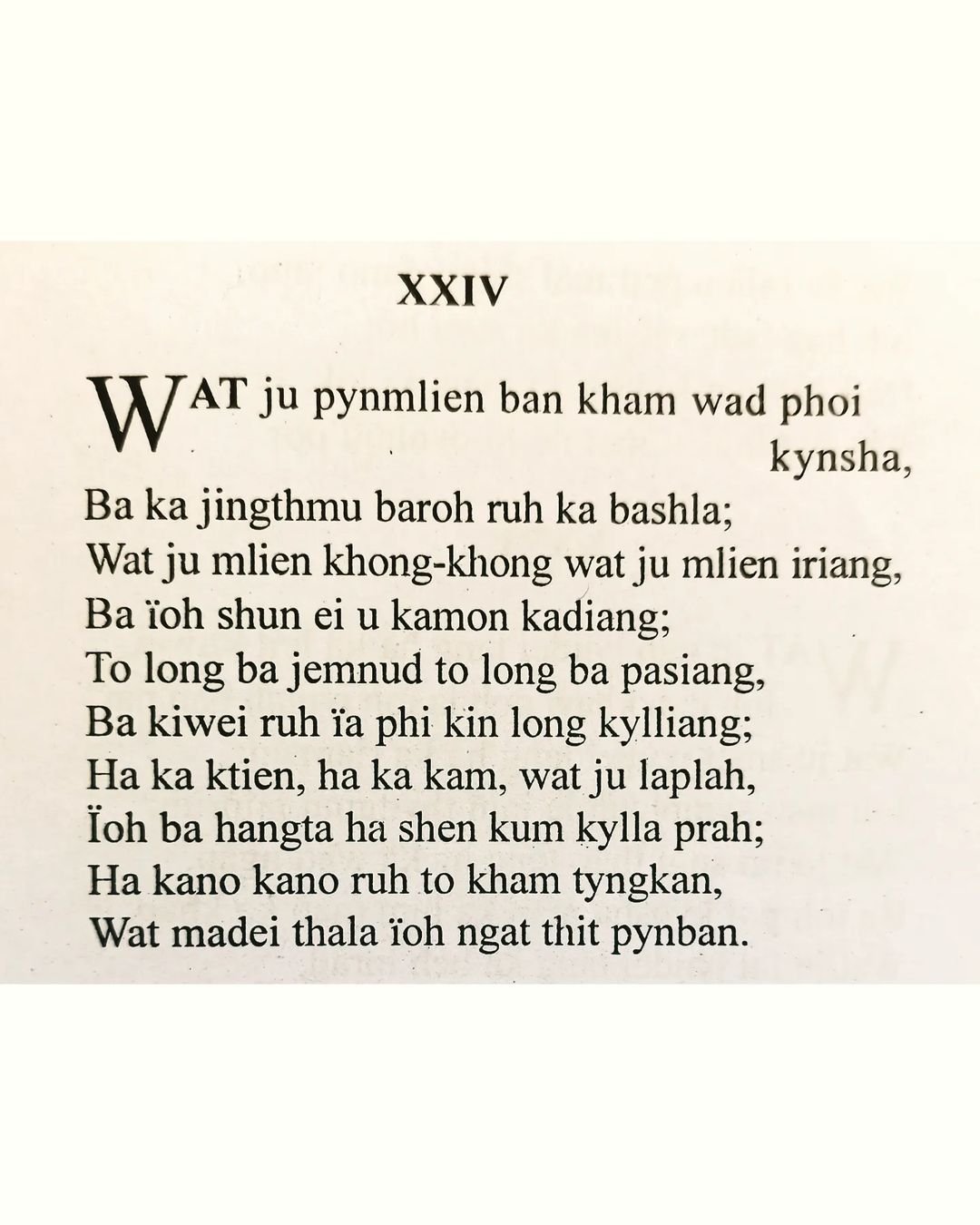
  • “Ka Jingsneng Tymmen Shaphang ka Akor Khasi ha ka Rukom Rwai Phawar”, Part I (1902) & Part II (1903)

    Wat ju pynmlien ban kham wad phoi kynsha,

    Ba ka jingthmu baroh ruh ka bashla;

    Wat ju mlien khong-khong wat ju mlien iriang,

    Ba รฏoh shun ei u kamon kadiang,

    To long ba jemnud to long ba pasiang,

    Ba kiwei ruh รฏa phi kin long kylliang;

    Ha ka ktien, ha ka kam, wat ju laplah,

    รoh ba hangta ha shen kum kylla prah;

    Ha kano kano ruh to kham tyngkan,

    Wat madei thala รฏoh ngat thit pynban.

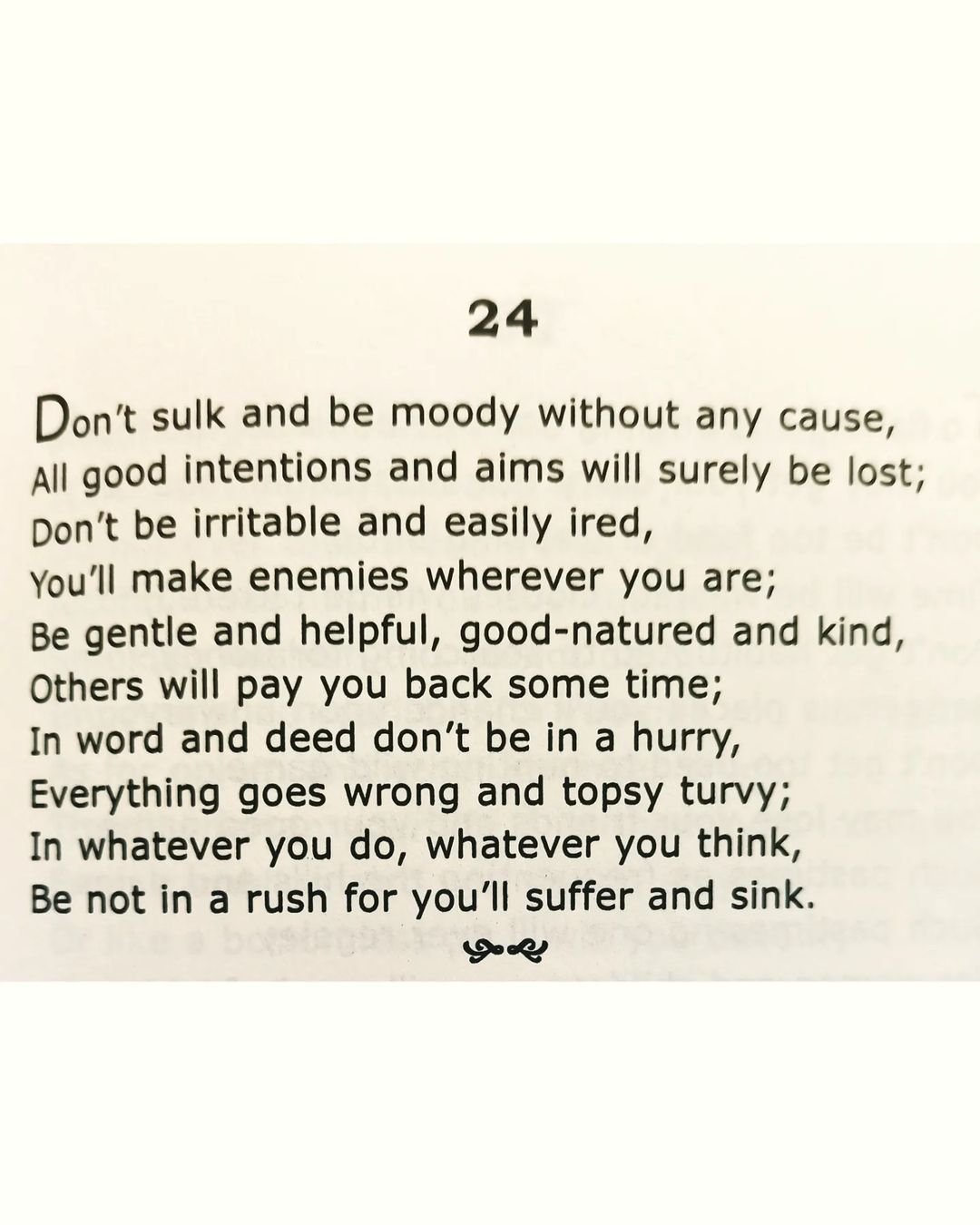
    Don't sulk and be moody without any cause,

    All good intentions and aims will surely be lost;

    Don't be irritable and easily ired,

    You'll make enemies wherever you are;

    Be gentle and helpful, good-natured and kind,

    Others will pay you back some time;

    In word and deed don't be in a hurry,

    Everything goes wrong and topsy turvy;

    In whatever you do, whatever you think,

    Be not in a rush for you'll suffer and sink.

    รa katei ka dkhot kaba 24 la shim na ka Ka Jingsneng Tymmen Part I.

    Ka Jingsneng Tymmen Shaphang ka Akor Khasi ha ka Rukom Rwai Phawar, Part I (1902) & Part II (1903) by Radhon Sing Berry Kharwanlang is a unique collection of valuable lessons and teaching on how to live a good and moral life. ๐Ÿ˜„๐ŸŒฒ๐Ÿ˜Œ

    The teachings are given in the form of "phawarโ€ where two lines follow the same rhyme scheme, that is, aa bb.

    Both Part I and Part Il have been translated into English by Bijoya Sawian @sawianbijoya in her book "The Teachings of Elders: Ka Jingsneng Tymmen, Parts I and II" (1997).

    Slide 1: Ka Jingsneng Tymmen Shaphang ka Akor Khasi ha ka Rukom Rwai Phawar, Part I (1902)

    Slide 2: The Teachings of Elders: Ka Jingsneng Tymmen, Parts I and II (1997).

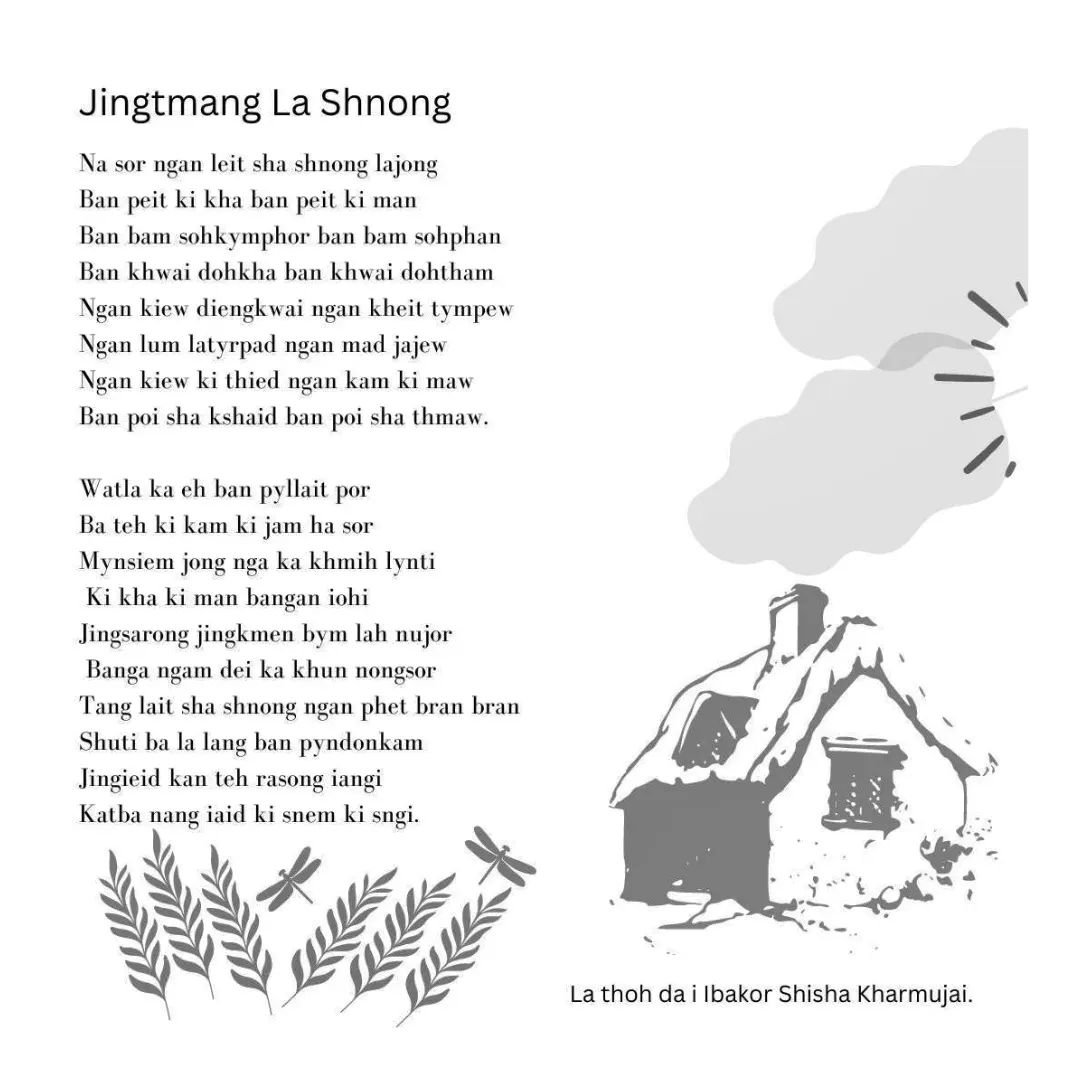
  • Jingtmang La Shnong da i Ibakor Shisha Kharmujai

    Na sor ngan leit sha shnong lajong

    Ban peit ki kha ban peit ki man

    Ban bam sohkymphor ban bam sohphan

    Ban khwai dohkha ban khwai dohtham

    Ngan kiew diengkwai ngan kheit tympew

    Ngan lum latyrpad ngan mad jajew

    Ngan kiew ki thied ngan kam ki maw

    Ban poi sha kshaid ban poi sha thmaw.

    Watla ka eh ban pyllait por

    Ba teh ki kam ki jam ha sor

    Mynsiem jong nga ka khmih lynti

    Ki kha ki man bangan iohi

    Jingsarong jingkmen bym lah nujor

    Banga ngam dei ka khun nongsor

    Tang lait sha shnong ngan phet bran bran

    Shuti ba la lang ban pyndonkam

    Jingieid kan teh rasong iangi

    Katba nang iaid ki snem ki sngi.

    -Ibakor Shisha Kharmujai

    "Jingtmang la shnong" is an original Khasi poem by @ibakorshisha ๐Ÿ˜„๐Ÿž๏ธ

    The poem speaks of the homesick feeling that assails one when one is far away from their village. Country life with its beauty and simple joy is something that one cannot have in the city โค๏ธโค๏ธ๐ŸŒพ๐ŸŒฑ

    Khublei Shibun @ibakorshisha รฏa ka poitri jong phi kaba kren shaphang ka jingim ha nongkyndong, ka jingim ka sngewtynnat shisha!!

  • Sohngang

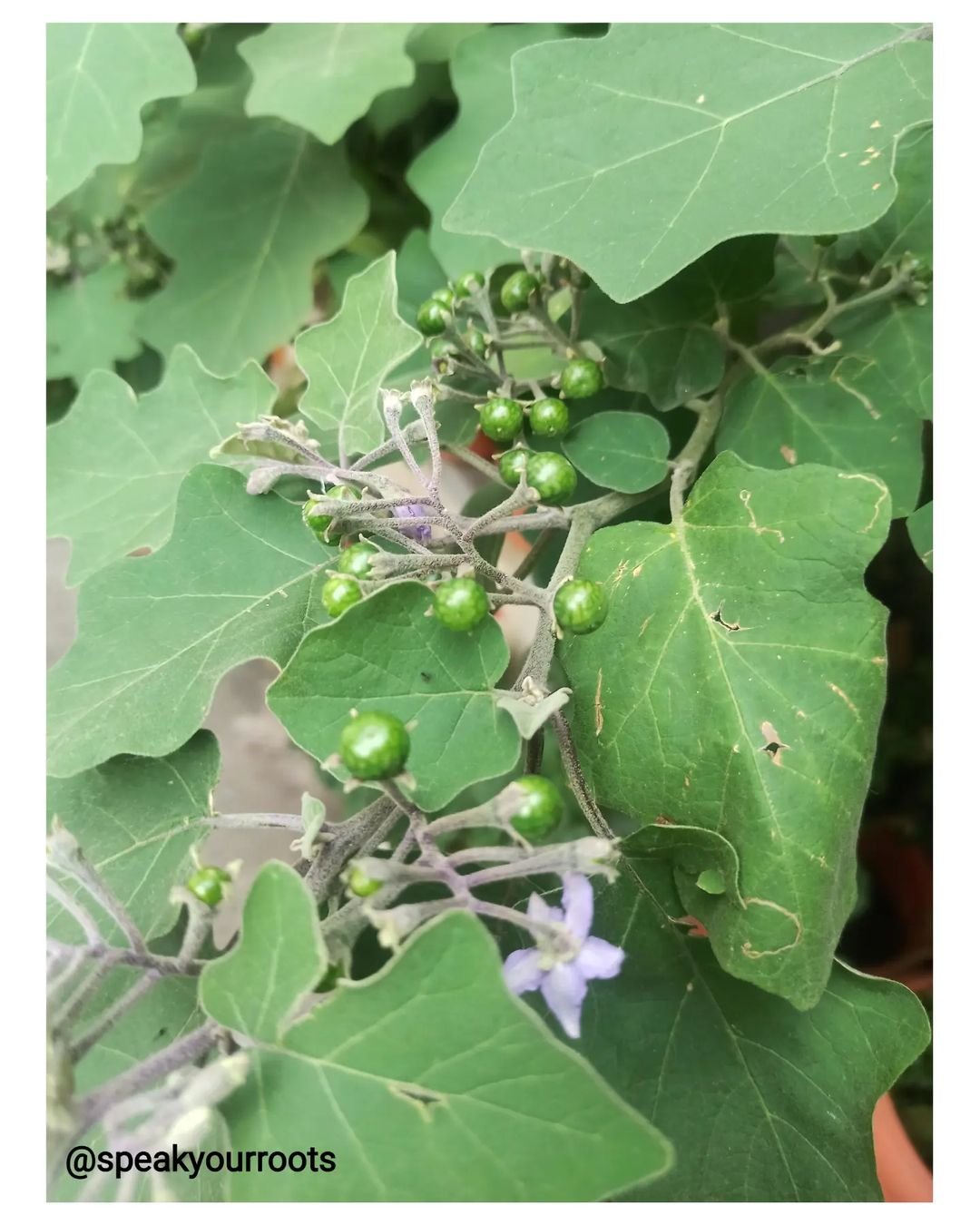
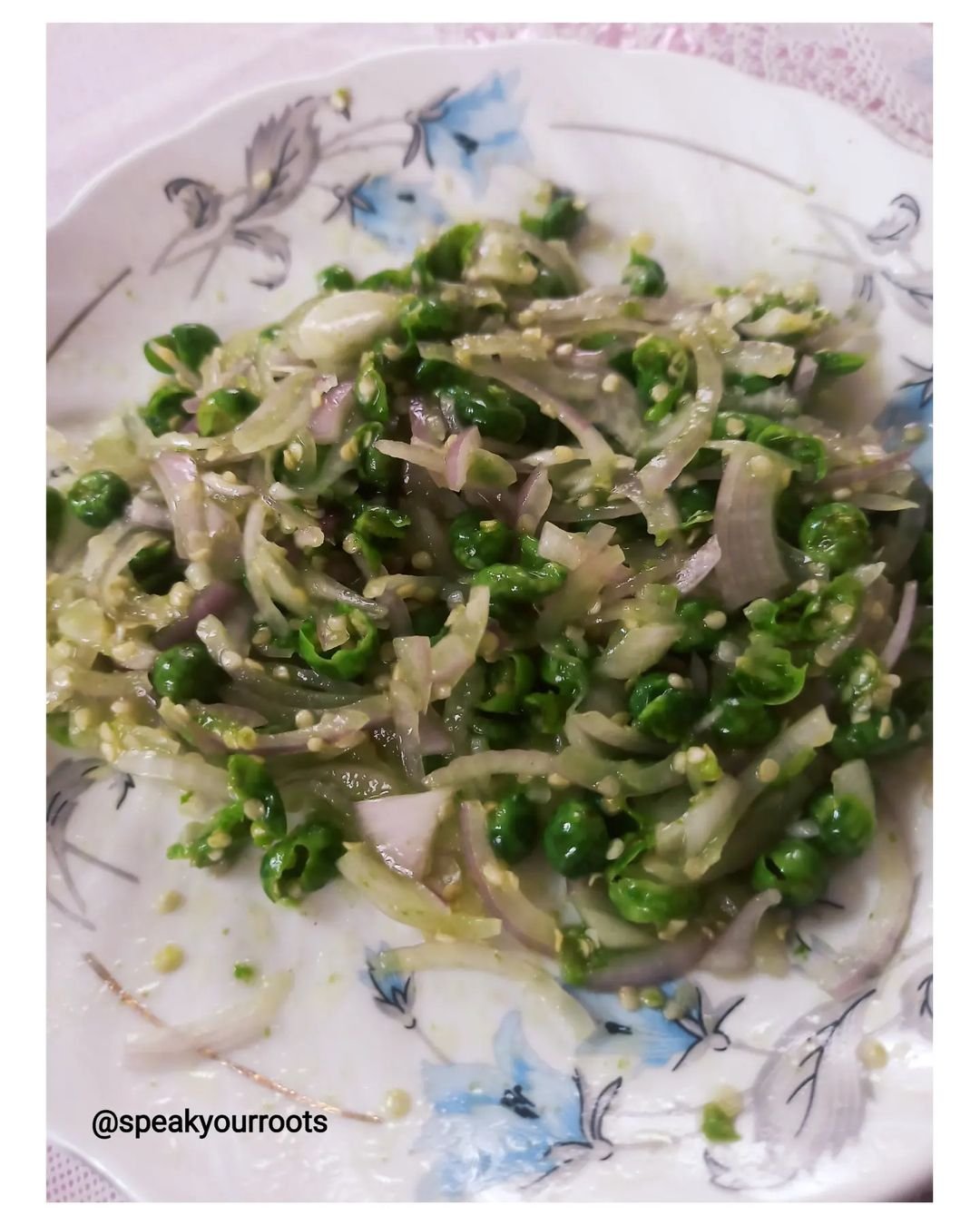
    Mano ba bang sohngang? ๐Ÿ˜ƒ๐Ÿ˜ƒ Phi kiba bang ban bam kthang te phi รฏa bang ja bha da don une mo ๐Ÿ˜„ Phi ju shet kumno รฏa u sohngang?

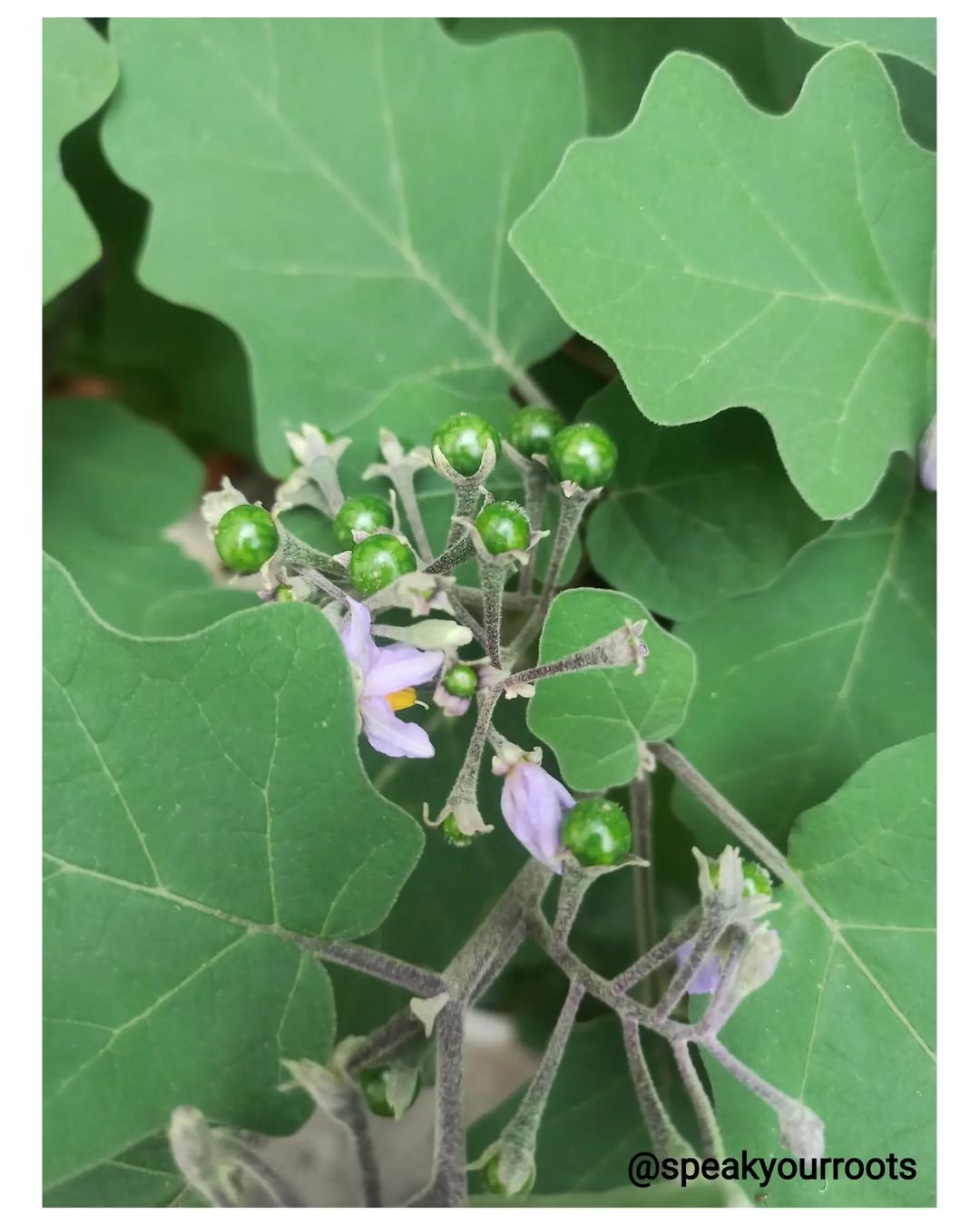
    Sohngang Soh (Black Nightshade Berries)

    Sohngang soh (Solanum nigrum Linn.), which is from Solanaceae family, are the small berries that grow on a tree about one meter tall. The color of the fruits is green with white spots when immature, and yellowish or reddish when ripe. The tree has small thorns all over its branches and has green, thorny, pointed leaves. One tree or bush can produce three to four kilograms of fruit per year. The taste of the fruit is quite bitter.

    In Meghalaya, in northeastern India, the berries are casually grown and eaten, but are not cultivated for commercial use. In Meghalaya, sohngang soh is use to prepare soup or cooked together with bamboo shoots or rice. In southern parts of India, the berries along with the leaves are often eaten after being cooked with tamarind, onion and cumin. It is uncommon to find sohngang soh for sale commercially, and it is generally only cultivated on a small scale, for personal use. Because much of the fruits are harvested from the wild, improper harvesting and a lack of care for the wild plants mean that they are in decline in many areas.

    Source: https://www.fondazioneslowfood.com/en/ark-of-taste-slow-food/sohngang-soh-black-nightshade-berries/

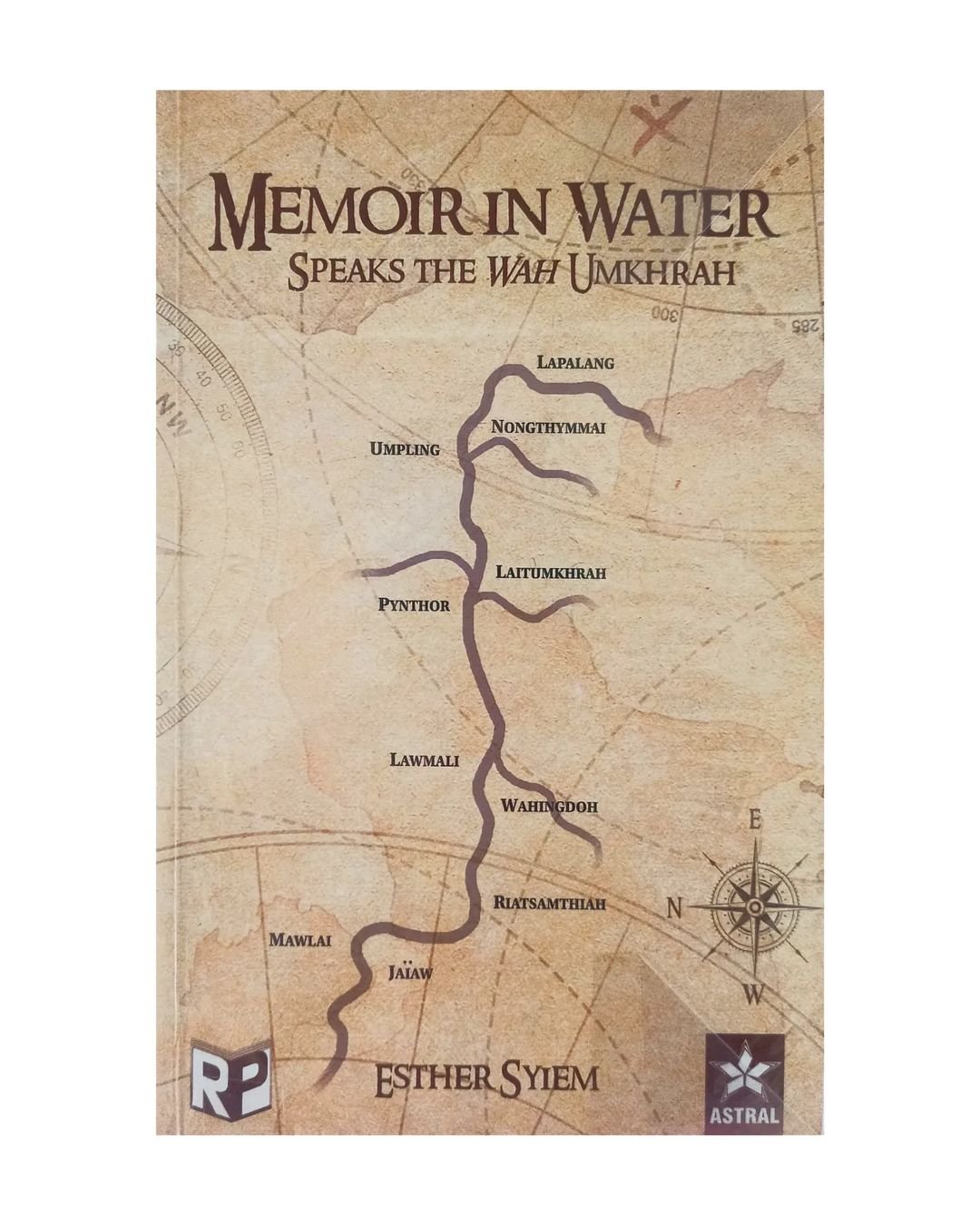
  • When Nature Remembers: A Study of Memoir in Water: Speaks the Wah Umkhrah by Esther Syiem (Excerpt)

    When Nature Remembers: A Study of Memoir in Water: Speaks the Wah Umkhrah

    by Esther Syiem

    -Dr. Daiarisa Rumnong

    In Memoir in Water: Speaks the Wah Umkhrah by Esther Syiem (2017), the human narrative impulse is transferred onto Wah Umkhrah or river Umkhrah. The river is personified, becoming alive with stories that reveal self, identity and experience. Syiem says

    I have been in close connection with the river because our house overlooks it. I would go to sleep listening to it, almost as if it were talking to me, asking me to take heed of it. I would also remember my father's stories and mother's stories too. They'd talk about it as if it were alive and human (Syiem, Esther. Personal Interview. 29 September 2020).

    The changes Wah Umkhrah has undergone have become a cultural metaphor for the Khasi community who are striving to preserve a sense of identity through the palimpsest of collective and cultural memory embedded in the oral tradition. In Memoir in Water: Speaks the Wah Umkhrah, the river is the narrative consciousness who takes on the stance of historiographer, chronicling human experience, meandering the struggles of life, sustained by the reality of the oral, the mythical and the supernatural. In due course, the river documents its own self-revelation refracting into the roles of spectator, mother, father, sister, brother, daughter and son. In the Foreword, Wah Umkhrah states its identity:

    I am the river Umkhrah, ka Wah Umkhrah, they call me here. I flow from east to west on the northern side of the Shillong valley. My sister Wah Umshyrpi in the south flows in the same direction. We meet somewhere beyond Sunapani Falls in the west and join together as Ka Wah Ro Ro (Syiem).

    Syiem uses the river to critique Khasi society which has undergone inevitable changes under the grasp of the coloniser and now under the grasp of modernisation and globalisation.

    The stories that Wah Umkhrah narrates mirror the frailty, hope and mystery of human life. In the story of Khrawbok, the guises of love are exposed by the river as it observes with human senses, the journey that love sometimes takes. The wife of Khrawbok represents the women who fall into marriage while young and inexperienced. Replaced by an older woman she is, to use the clichรฉ, more sinned against than sinning, as the river offers commentary on the slow and aggravating departure of Khrawbok from his marriage, family and finally life. The narrative consciousness notices the nooks and crannies of cunning, desire, control, power, denial, holding up a script of truth that Khasi society would rather overlook. The river alternates between narrating the stories and addressing the reader, as if eliciting a response that it wants.

    Tell me now do you still believe that you're innocent, that you're without any blame?…When you were still wrapped in your unknowing you let me be…Even in death you paid homage to me…What's the ritual now? Dead bodies trussed up and dumped without ceremony; new born babies discarded on my banks; mutilations galore and queer things at night, always at night (Syiem 17).

    The story of Kyrmen Skhem merges the mythical, supernatural and real worlds, forcing the reader to realise the labyrinth of connections between the living creatures of this world. Kyrmen Skhem is an introvert who takes a water nymph for a wife. When Kyrmen Skhem finally tells his mother about his family, she is shocked but agrees to meet his wife and her grandchildren. It is in this meeting that tragedy strikes. Not knowing that she could not take out a broom in the presence of water nymphs, Kyrmen Skhem's mother takes one out and in a flash Kyrmen Skhem's wife vanishes. After some days Kyrmen Skhem's children arrive in the form of beautiful butterflies. Neither she nor Kyrmen Skhem knew that they would come as butterflies. As they alighted on rice grains that their grandmother was cleaning, she unknowingly struck them down with a synrei since they did not move when she shooed them away. Horror and disbelief engulf as Kyrmen Skhem returns to his watery home cradling his children.

    In one instant, the bond between man and nature, myth and the supernatural is severed once more. This event is a metaphor for the strained relationship between man and the environment, which most times ends with man destroying the delicate vulnerability of nature. It is only when nature is seen as an equal to man, that the convergence of identity, myth, memory, culture will bring about a sustaining relationship.

    The loss of an understanding and sympathy for nature in the present time may be regained by analysing the ecocritical relevance of Khasi oral tradition, culture and literature. Perhaps it will be beneficial to study this relevance through a balance of anthropocentricism and ecocentricism. In this way, discourse will be initiated on how the condition of nature reflects the well-being of its human caretakers and how it may also be a critique of human society.

    The current polluted state of Wah Umkhrah has evoked cultural metaphors and cultural narratives of a community trying to preserve a past, while grappling with the demands of the present. When asked if Wah Umkhrah is a source of identity for the Khasi community, Syiem says:

    Definitely for the older generation living in Shillong. During my generation when more young people had opportunities of study away from home, this source receded. Today I see it coming back to haunt the living realities of a lot of young people who don't seem to see it, however, as we saw it, but only as part of the larger ecosystem that needs to be regenerated (Syiem, Esther. Personal Interview. September 29, 2020).

    Thus, the present generation needs to see Wah Umkhrah as a living source of identity and memory. This is the "ecological consciousness" (Nayar 344) which Memoir in Water: Speaks the Wah Umkhrah seeks to evoke and provoke into being. Presenting the thoughts, emotions and memories of the river as a memoir, Syiem offers an alternative form of the collective and cultural memory as well as history of the Khasi community, thereby forging a sense of identity.

    It's World Environment Day, 5th June 2023!๐ŸŒฒ๐Ÿž๏ธ

    Na ka bynta ban kynmaw รฏa kane ka sngi, kine ki dei ki bynta ba la sot na ka artikl wad bniah ba la thoh da i Dr. Daiarisa Rumnong @daia.risa kaba kyrteng "When Nature Remembers: A Study of ๐˜”๐˜ฆ๐˜ฎ๐˜ฐ๐˜ช๐˜ณ ๐˜ช๐˜ฏ ๐˜ž๐˜ข๐˜ต๐˜ฆ๐˜ณ: ๐˜š๐˜ฑ๐˜ฆ๐˜ข๐˜ฌ๐˜ด ๐˜ต๐˜ฉ๐˜ฆ ๐˜ž๐˜ข๐˜ฉ ๐˜œ๐˜ฎ๐˜ฌ๐˜ฉ๐˜ณ๐˜ข๐˜ฉ by Esther Syiem". รa kane ka artikl wad bniah la pynmih ha ka Spectrum (Peer Reviewed Journal): An International Journal of Humanities and Social Sciences, December 2022., Vol. 10, ISSN 2319-6076.

    Ha ka ๐˜”๐˜ฆ๐˜ฎ๐˜ฐ๐˜ช๐˜ณ ๐˜ช๐˜ฏ ๐˜ž๐˜ข๐˜ต๐˜ฆ๐˜ณ: ๐˜š๐˜ฑ๐˜ฆ๐˜ข๐˜ฌ๐˜ด ๐˜ต๐˜ฉ๐˜ฆ ๐˜ž๐˜ข๐˜ฉ ๐˜œ๐˜ฎ๐˜ฌ๐˜ฉ๐˜ณ๐˜ข๐˜ฉ ka Wah Umkhrah ka kylla long kum ka briew kaba kren bad pyni รฏa ki jingbakla u bynriew ha ka jingรฏadei jong u bad jong ka, kum ka bynta jong ka mariang. ๐Ÿž๏ธ

    For this day, these are excerpts from a research article written by Dr. Daiarisa Rumnong @daia.risa entitled "When Nature Remembers: A Study of ๐˜”๐˜ฆ๐˜ฎ๐˜ฐ๐˜ช๐˜ณ ๐˜ช๐˜ฏ ๐˜ž๐˜ข๐˜ต๐˜ฆ๐˜ณ: ๐˜š๐˜ฑ๐˜ฆ๐˜ข๐˜ฌ๐˜ด ๐˜ต๐˜ฉ๐˜ฆ ๐˜ž๐˜ข๐˜ฉ ๐˜œ๐˜ฎ๐˜ฌ๐˜ฉ๐˜ณ๐˜ข๐˜ฉ by Esther Syiem". This article has been published in Spectrum (Peer Reviewed Journal): An International Journal of Humanities and Social Sciences, December 2022., Vol. 10, ISSN 2319-6076.

    In ๐˜”๐˜ฆ๐˜ฎ๐˜ฐ๐˜ช๐˜ณ ๐˜ช๐˜ฏ ๐˜ž๐˜ข๐˜ต๐˜ฆ๐˜ณ: ๐˜š๐˜ฑ๐˜ฆ๐˜ข๐˜ฌ๐˜ด ๐˜ต๐˜ฉ๐˜ฆ ๐˜ž๐˜ข๐˜ฉ ๐˜œ๐˜ฎ๐˜ฌ๐˜ฉ๐˜ณ๐˜ข๐˜ฉ the river is personified as it speaks and shows mankind the mistakes committed against it in his relationship with it as a part of nature. ๐Ÿž๏ธ

    ๐ŸŸก No part of this article may be reproduced in any form without the consent of the author. Proper citation should strictly be adhered to when quoting any part of this research. All material for this content has been researched by Daiarisa Rummong, PhD.
  • Khasi Thesaurus

    Ki bun jait ki "Dom"

    Dom – Angry

    Dom riang – Short tempered

    Dom biej – Short tempered

    Shrai – Annoyed

    Bitar – Furious

    Bitar lep – Enraged

    "Ingkhong" and "Khluit" are verbs that are used to describe a state of being angry.

    Nga lah sngew "ingkhong" bha – "Ingkhong" means burnt implying to be burning with anger.

    I "khluit" i Pa mynne te – "Khluit" means hot implying perhaps a heated argument.

    Ka Thesaurus ka dei ka kot kaba ai รฏa kiwei ki kyntien kiba don ka jingmut kaba รฏa syriem bad kawei ka kyntien. Ka Thesaurus ka รฏarap ban pynroi รฏa ka ktien ka thylliej bad ka thoh ka tar. ๐Ÿ…ฐ๏ธ๐Ÿ†Ž๐Ÿ…ฑ๏ธ

    Ka kyntien mynta ka sngi ha ka Khasi Thesaurus ka dei "Dom". Ka biang ban khluit teng teng tangba ym dei haduh ban da ingkhong.๐Ÿ˜‚๐Ÿ˜‚

    Ka "Khasi Thesaurus" ka dei ka bynta jong ka page ka ban รฏai bteng (series) bad phi lah ban phah kum kine ki jait kyntien kiba don bun jait tangba ka jingmut kaba รฏa syriem.๐Ÿ“๐Ÿ—จ๏ธ

    The "Khasi Thesaurus" is a series which will be continued on the page, so please feel free to send your contributions! ๐Ÿ“๐Ÿ—จ๏ธ

    ๐ŸŸก English translation by @speakyourroots

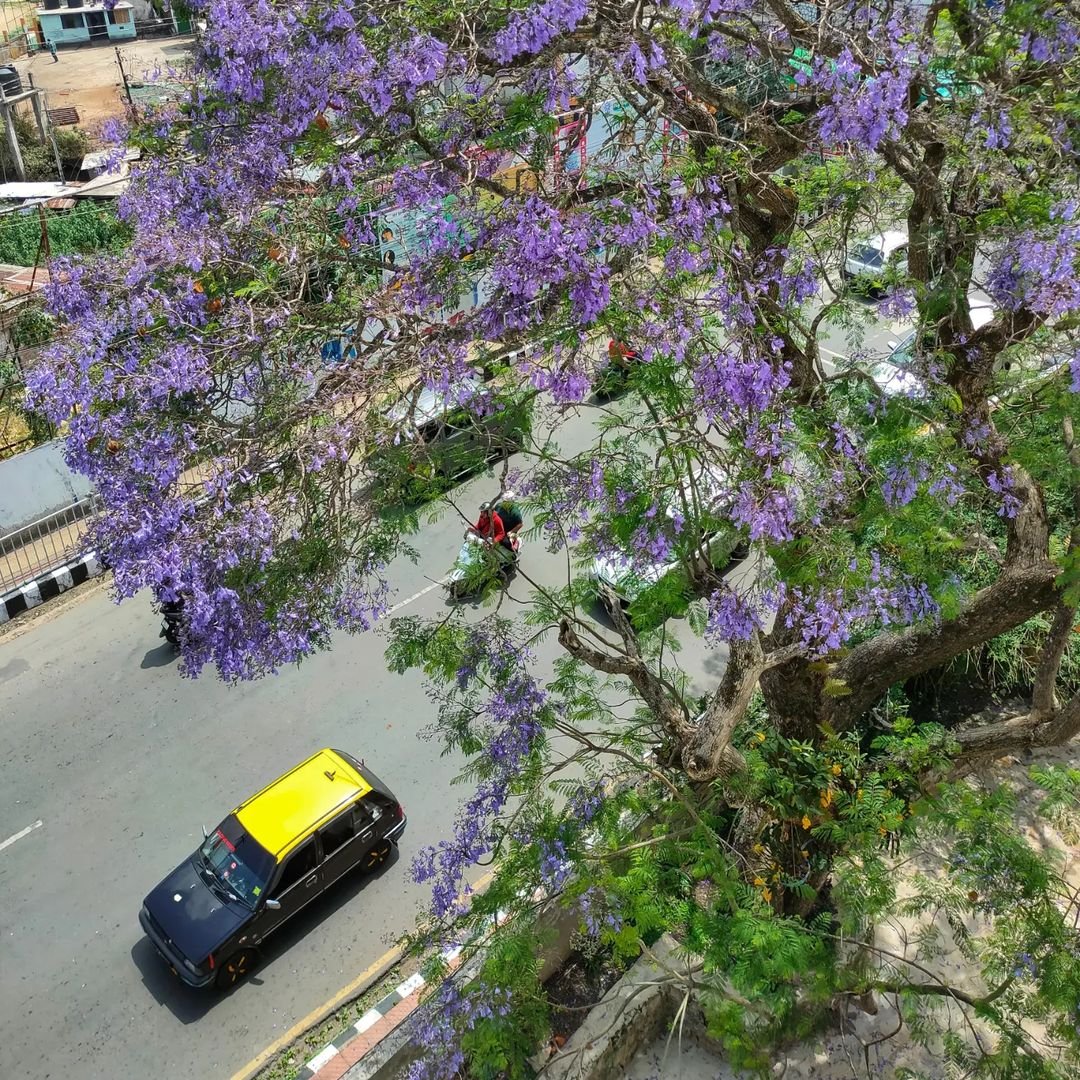
  • The blue Jacaranda or Jacaranda mimosifolia

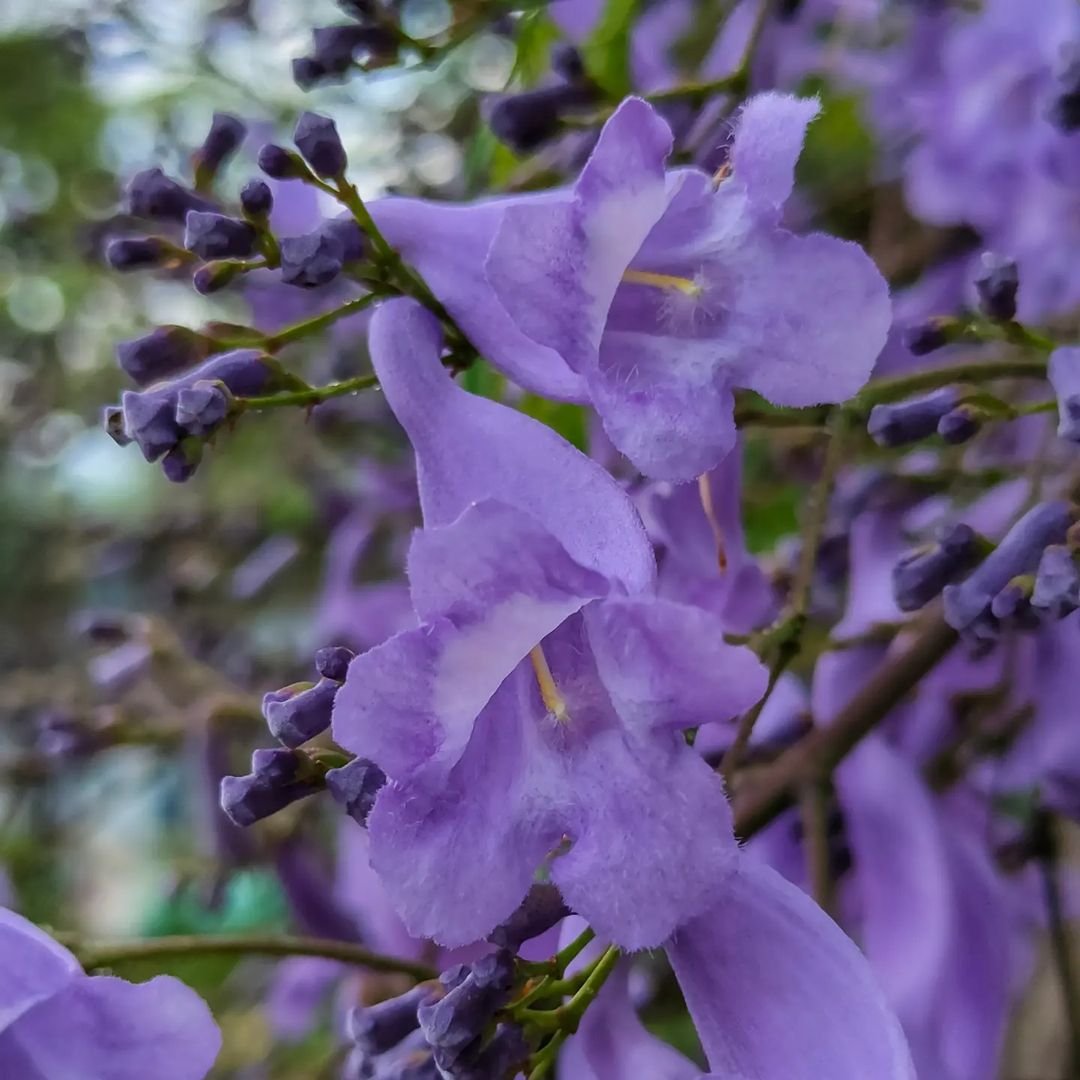
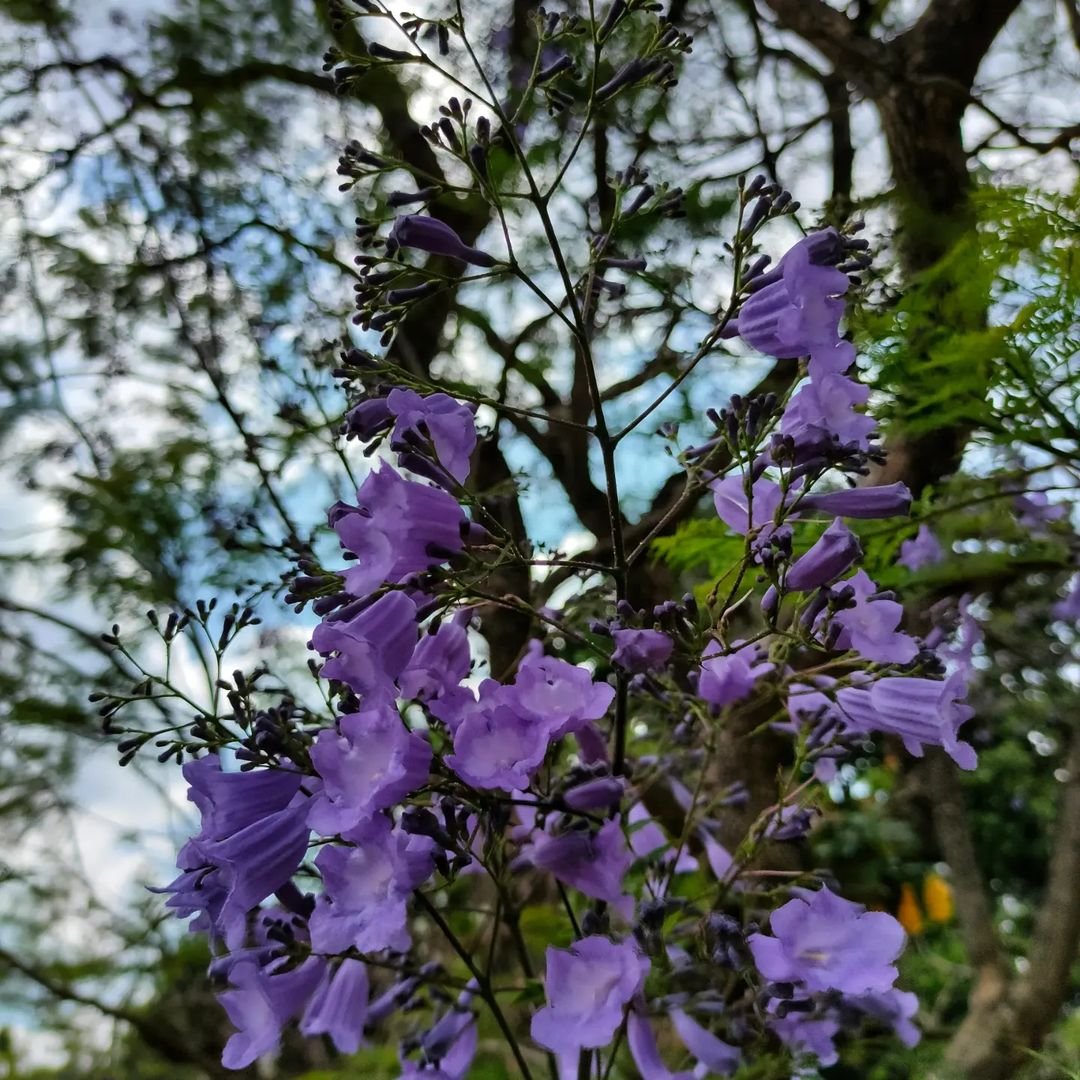
    The scientific name of the blue Jacaranda is Jacaranda mimosifolia. The name Jacaranda as it is commonly known as, comes from the Tupi-Guarani languages, which means fragrant or sweet smelling; though the tree's flowers lack a distinct fragrance. Mimosifolia alludes to the Mimosa tree like dark green leaves which look similar to fern leaves , being bi-pinnately compound.

    The tree is reported to be endemic to a bioregion known as the Yungas, which are a narrow band of piedmont (French for foot hill) forests along the eastern slope of Peru, Bolivia extending into north-west Argentina.

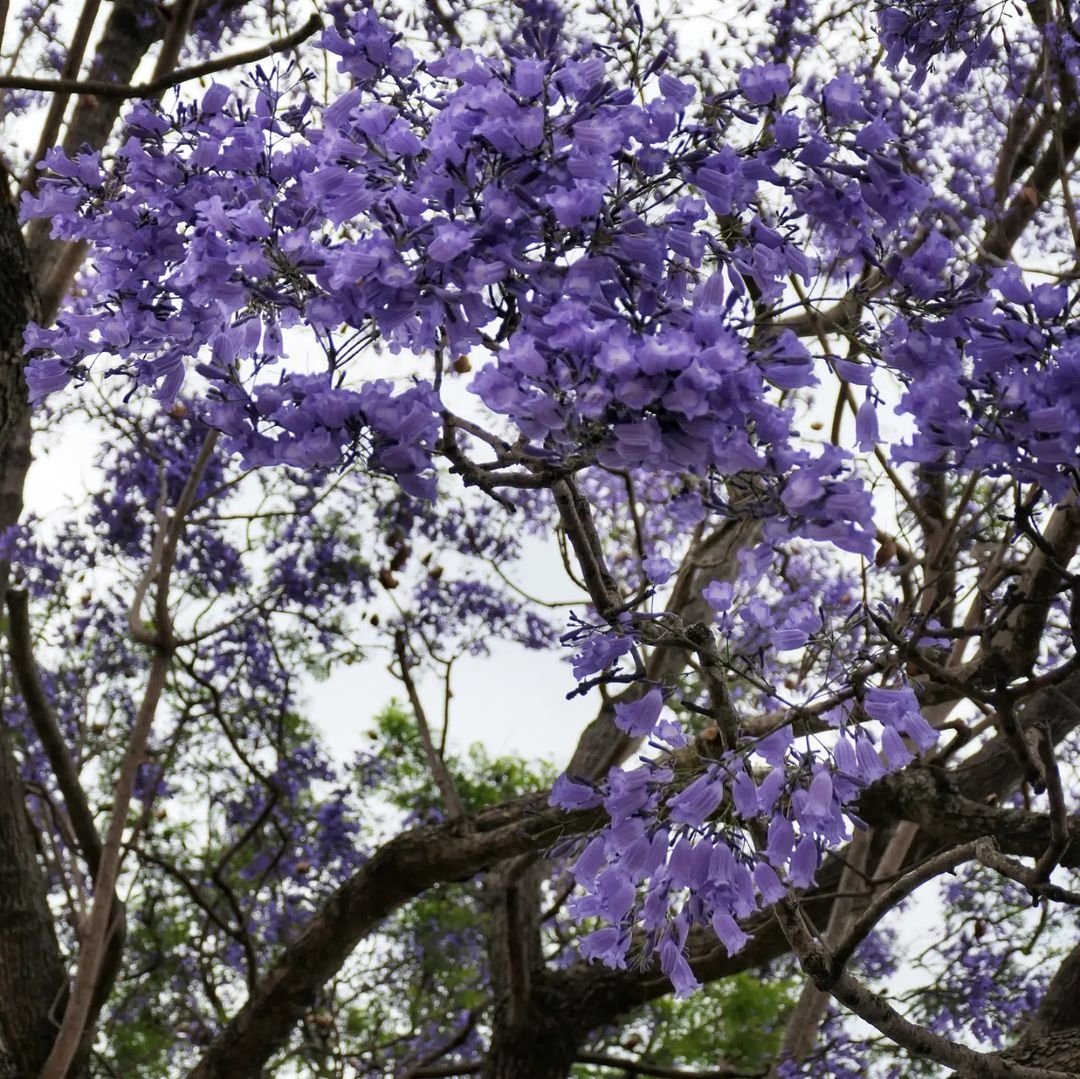
    The tree belongs to Bignoniaceae family or Trumpet vine family which mostly consists of woody plants, with a few very well known avenue tree genera like Tabebuia, Spathodea( tulip tree) and Tecoma all of which like the Jacaranda are planted for their colorful blooms. The hallmark of the family is their Trumpet or tube like flowers with fused petals.( Pic1)

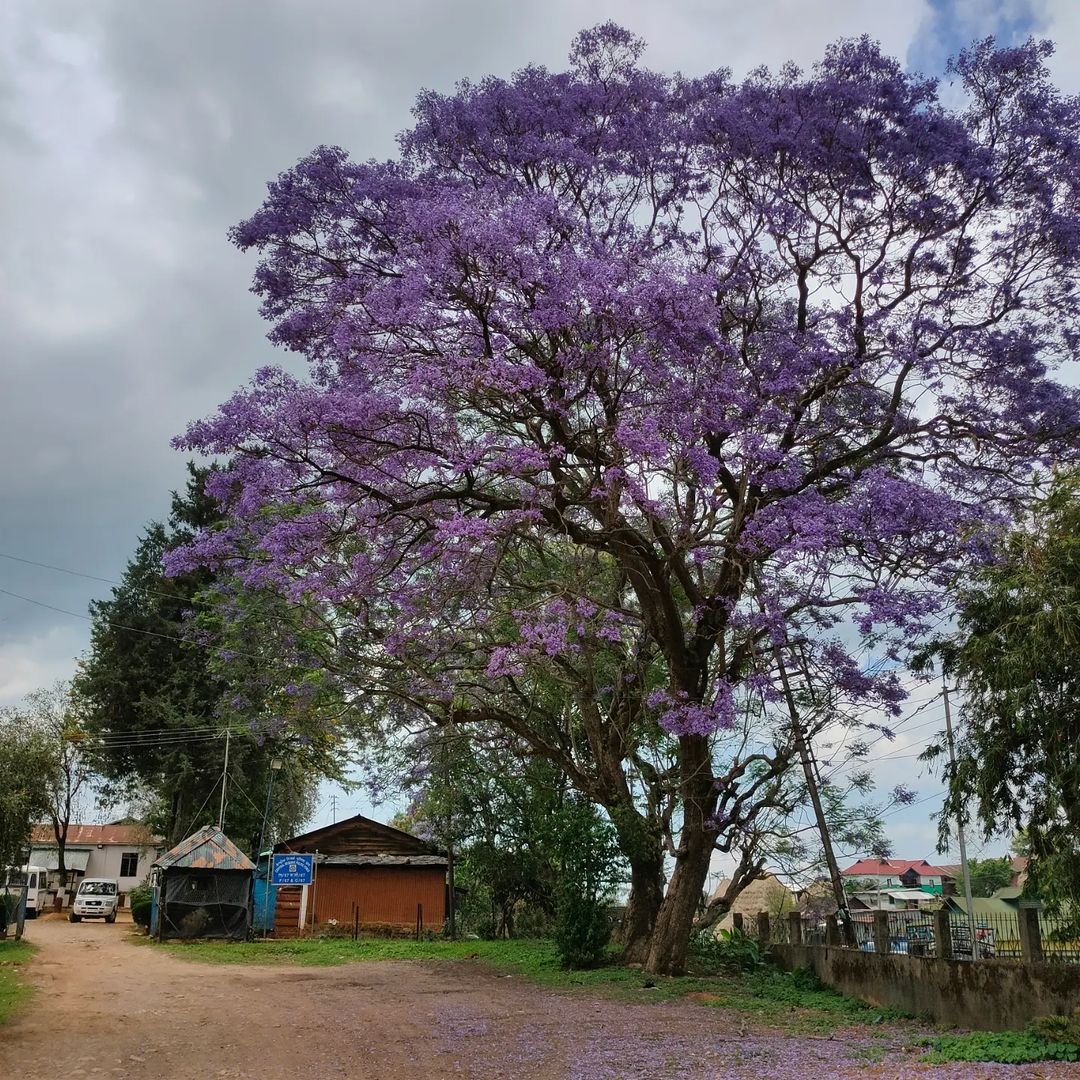
    From Pretoria in South Africa to New South Wales in Australia; from Shillong, Meghalaya to Munnar in Kerala, Jacarandas have been planted in many cities and towns for their violet blooms. The presence of this tree in many former British colonies is thought to be attributed to Allan Cunningham, a 19th century English Botanist and explorer.

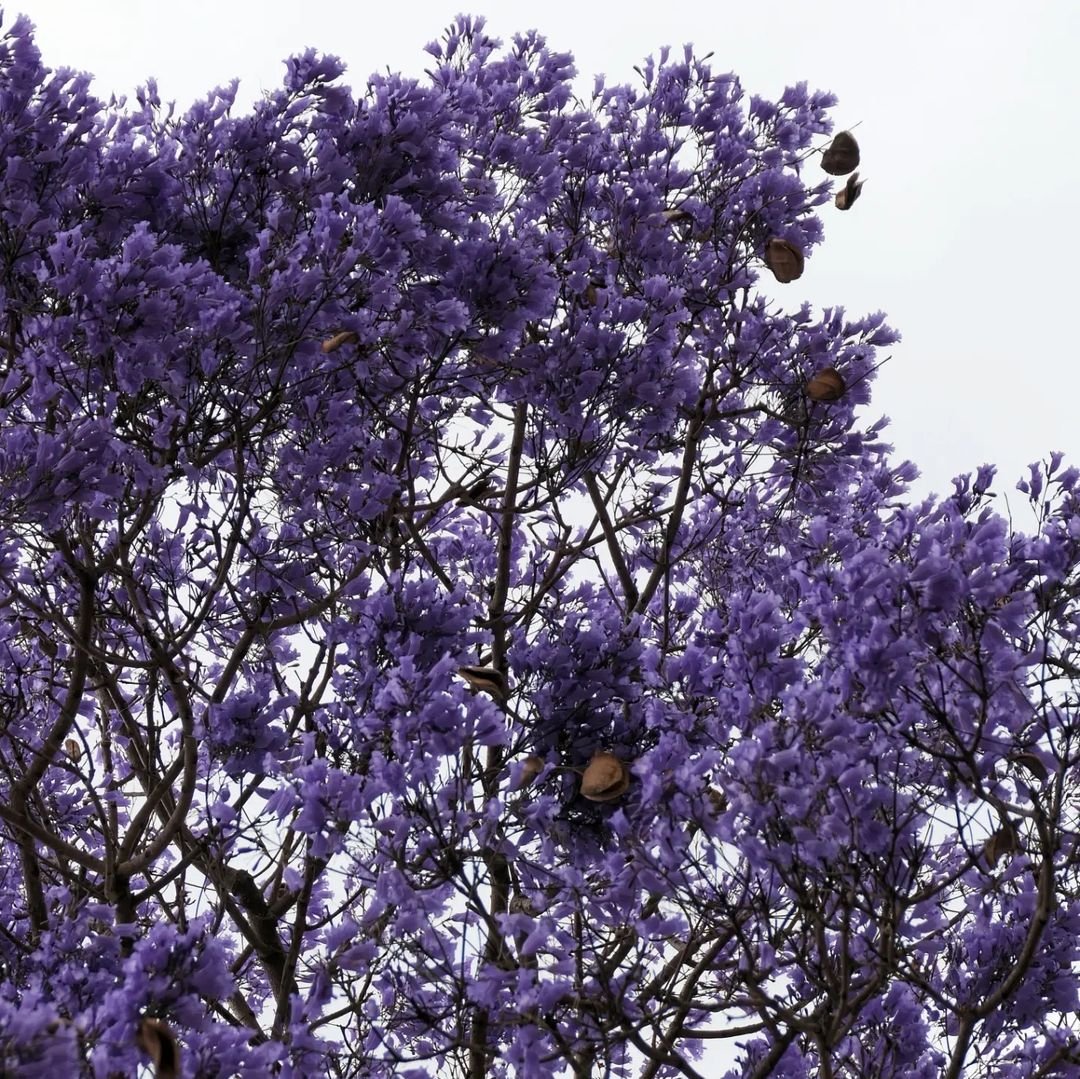
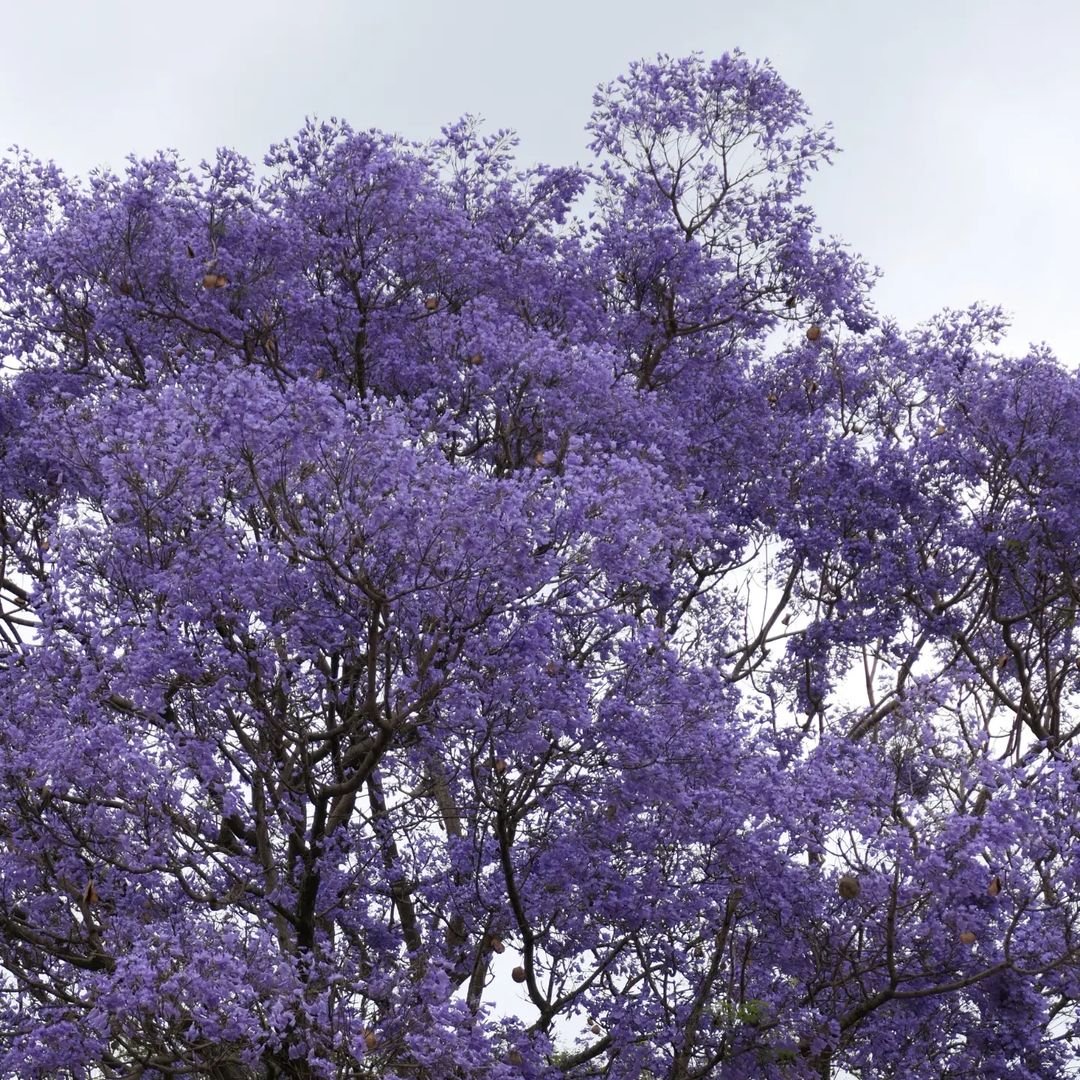
    A visual of synchronous flowering violet canopies of these otherwise inconspicuous trees dotting the city symbolises a change of season. This feathery leaved, grey barked subtropical tree which prefers slightly acidic soil is very much at home in Shillong as evident by the profuse flowering, the likes of which I have never seen elsewhere. The end of April and early May is the peak flowering time here in Shillong.

    Despite the colonial origins of this alien tree, it is claimed as being a part of the urbanscapes that it has been planted in. For the countries in the Southern Hemisphere like Australia and South Africa, the Jacarandas bloom during October and November, and it is marked as the herald of spring season. This also coincides with year end University exams in these places, which has earned the jacaranda the moniker as "Exam tree".

    There is even a popular aphorism among students of University of Queensland that "If you havenโ€™t started studying when the jacarandas bloom, you will fail your exams!" Being a common tree in many cities, the paradox is that the Jacaranda in its native range is threatened by habitat loss and logging and wild populations are deemed vulnerable.

    Khublei Shibun @treesofshillong for this great post!

    Picture credit: @treesofshillong

  • “U Phareng Ha Lawkyntang” da i Dewi Singh Khongdup

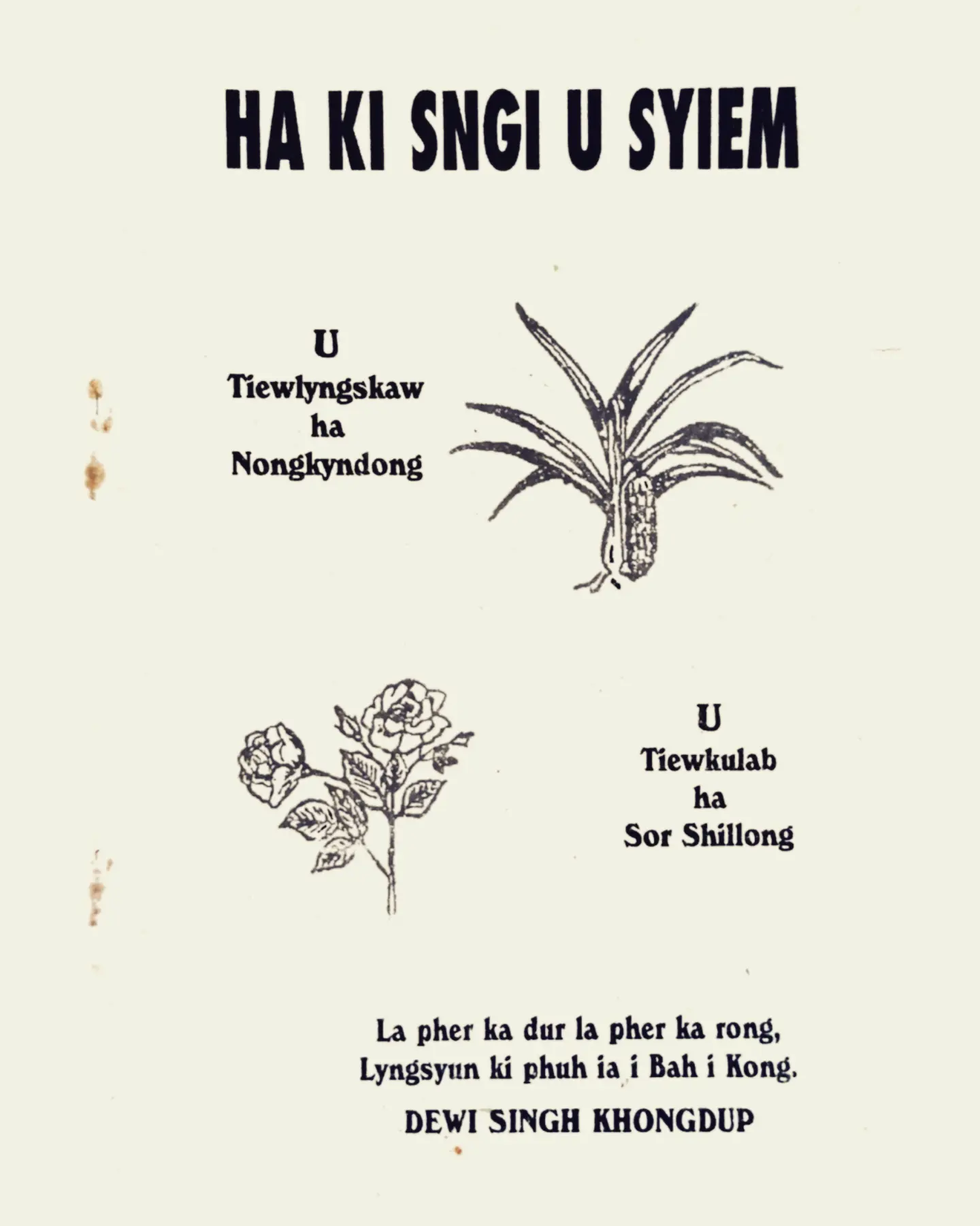
    Excerpt from the story "U Phareng Ha Lawkyntang" from the book Ha Ki Sngi U Syiem by Dewi Singh Khongdup

    Kumta ha kawei pat ka sngi, u Phareng u bah la ka suloi ar ktang ha la ka tyrpeng, bad u ngam soit sha khlaw ban leit thap skei. U kieng kawei ka pla ha kaba la thep jasong ka Mahad bad u buh de la ki kuli hangta. U ngam ia ka khlaw ka btap, hynrei um lap dien mrad satia; u pynieng la ki shkor bad u pynshah ia ki diang diang, mon mon, hynrei ym don dak ei ei ruh em ban pynpaw ba ki mrad ki don hajan. Tang ka shalymmen ka pah wiaw shi wiaw khlem sahngeh, bad u jyllop u ud kob shi kob halor ki tnat phaniaw. Ha ka por shiteng sngi, u la sngew thait, bad kumta u shong thait harud kawei ka wahduid kaba ki um jong ka ki khuid khlir khlir. "Ngan da pynbeit theid noh shuwa halor une u mawsiang," u kren hapoh lade; "Imat ka skei ruh ka tip ba nga wan mynta ka sngi."

    U ioh thiah kumba shi kyntien kwai ne, bad ynda u la kyndit, u la thngan. U sei ia ka jasong na ka pla, bad katno u kmen haba u lap ia ka tungrymbai ba la song lang bad u khathli bad u khababia. "U Syiem Symphup uba da kat u Syiem," u kren ha lade hi' "u tip ka bam aiu nga bang!"

    Ynda u la dep bam, u thet ia la ki kti ha kata ka wah, bad u maiรฑ ruh ia la ka shyntur. Namar ba u dei u Phareng, um nud satia ban dih ia ka um kaba khlem da shet. "Kane te kaban iap sliang", u ong ha ka sur kum uba la poi ha ka kutlad. "Em, ki ju ong ba ka um Khasi kaba sngur kam ju don khรฑiang jingpang; kumta ngan dih la ka dih ia ka; namar haba la lap ka sliang, ne haba la tyrkhong u thylliej, ka um ktieh ruh ngin iakjit", bad u dih artat ia kata ka um.

    "Phi la nang kren Khasi du pleng, Sahep!" ka sawa ka sur naei ruh um tip. U Phareng u dei u briew uba la shai la stad, bad um long uba sheptieng bieit. U phai diang diang, mon mon; u peit dien dien, phang phang, da kaba khmih lynti ba un iohi ia uta u briew uba kren ia u; hynrei um iohi iano iano. U lyngngoh ngain, bad kumta u tharai ba ki shkor jong u ki la ioh sngew bakla.

    "Phi peit lyngngoh iaei ka, Sahep?" kata ka sur ka sawa biang sa shisien. "Ha-ha-ha, u khun ka ri Bilat! To da kren seh shi kyntien, phi shu snap pynban jar jar la kum ubym pat nang akor!"

    "Kane te nga la poi shisha sha ka ri ki jingphohsniew", ong u Phareng ha ka sur lyngngoh. "Lada ngam bakla kane ka wah ka kren ia nga."

    ๐ŸŒฒ๐Ÿž๏ธ Mano ba kynmaw รฏa ka jingรฏathuhkhana "U Phareng Ha Lawkyntang"? ๐Ÿ˜ƒ Kumno ba u Phareng u rung sha 'lawkyntang bad u kynduh รฏa i ร‘ia Risang, i ร‘ia Dkhoh bad i Bih Rabit. ๐Ÿ‡๐Ÿฆ‰๐Ÿฟ๏ธ

    Ka dei ka jingรฏathuhkhana kaba sngewtynnat bad samrkhie ruh de. Katno ka jingsngewmuja ban pule lem bad ki khynnah, wat รฏa ngi kiba heh ruh ka long kaba byrngia bha. Bun na ngi, ngi ieit รฏa ki khana jong i Bah Dewi Singh Khongdup bad kine jingรฏathuhkhana ki pyni รฏa ka jingtbit jong i kum u nongthoh bad nongรฏathuhkhana. ๐Ÿ“๐Ÿ“

    "U Phareng Ha Lawkyntang" is a story about an English man who wanders into a sacred grove, which are regarded as sacred forests keeping alive the faith and culture of the Khasi and Pnar communities. In the sacred grove, the English man has the magical experience of meeting many colourful animal characters which keeps the reader in a cheerful mood. ๐Ÿ˜„๐Ÿ‡๐Ÿฆ‰๐Ÿฟ๏ธ

    This is an appreciation post and a tribute to another skilfull Khasi writer! ๐Ÿ‘๐Ÿ™Œ

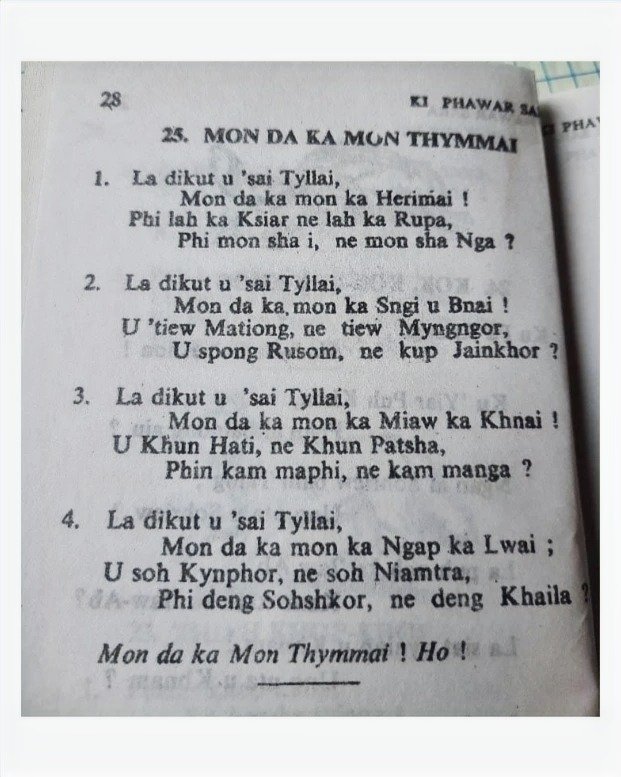
  • “La dikut u ‘sai tyllai…”

    "Mon Da Ka Mon Thymmai" da u Primrose Gatphoh

    ๏ปฟ๏ปฟ๏ปฟ1. La dikut u 'sai Tyllai,

    Mon da ka mon ka Herimai!
    Phi lah ka Ksiar ne lah ka Rupa,
    Phi mon sha i, ne mon sha Nga?

    ๏ปฟ๏ปฟ๏ปฟ2. La dikut u 'sai Tyllai,

    Mon da ka mon ka Sngi u Bnai!

    U 'tiew Mationg, ne tiew Myngngor,

    U spong Rusom, ne kup Jainkhor?

    ๏ปฟ๏ปฟ๏ปฟ3. La dikut u 'sai Tyllai,
    Mon da ka mon ka Miaw ka Khnai!
    U Khun Hati, ne Khun Patsha

    Phin kam maphi, ne kam manga?

    ๏ปฟ๏ปฟ๏ปฟ4. La dikut u 'sai Tyllai,
    Mon da ka mon ka Ngap ka Lwai;
    U soh Kynphor, ne soh Niamtra,
    Phi deng Sohshkor, ne deng Khaila?

    Mon da ka Mon Thymmai! Ho!

    "La dikut u 'sai tyllai…"

    Phi รฏa kynmaw รฏa kane jinglehkai? ๐Ÿ˜„๐Ÿ˜„ Tip ka don kyrteng ne em?

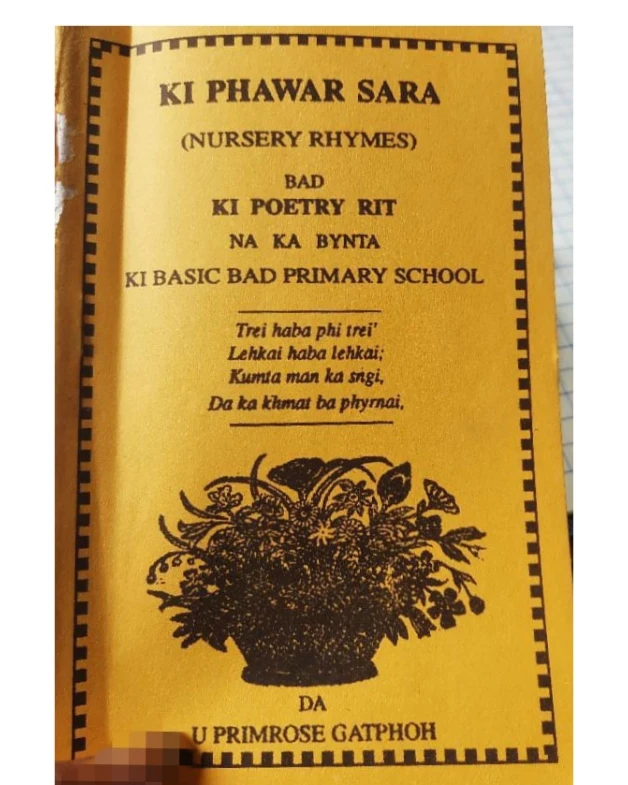
    รa ki kyntien pura jong ka jingrwai ba kine ki khynnah ki รฏa rwai la shem ha ka poitri kaba kyrteng "Mon da ka mon thymmai" ha "Ki Phawar Sara (Nursery Rhymes) Bad Ki Poetry Rit Na Ka Bynta Ki Basic Bad Primary School" ba la thoh da u Primrose Gatphoh. Kane ka dei sha Byrong, Wahlong.

    Khublei Shibun @gregoria_ann3 ba phi la phah รฏa kane ka video bad ki dur ๐Ÿ˜ƒ๐Ÿ™โค๏ธ Sngew kmen ba phi la lap รฏa ki kyntien jong kane ka jingrwai!

    This is a game that reminds us of childhood days โค๏ธ๐Ÿฅบ It is accompanied by a stanza of a poem entitled "Mon da ka mon thymmai" that is found in the book "Ki Phawar Sara (Nursery Rhymes) Bad Ki Poetry Rit Na Ka Bynta Ki Basic Bad Primary School" written by Primrose Gatphoh.

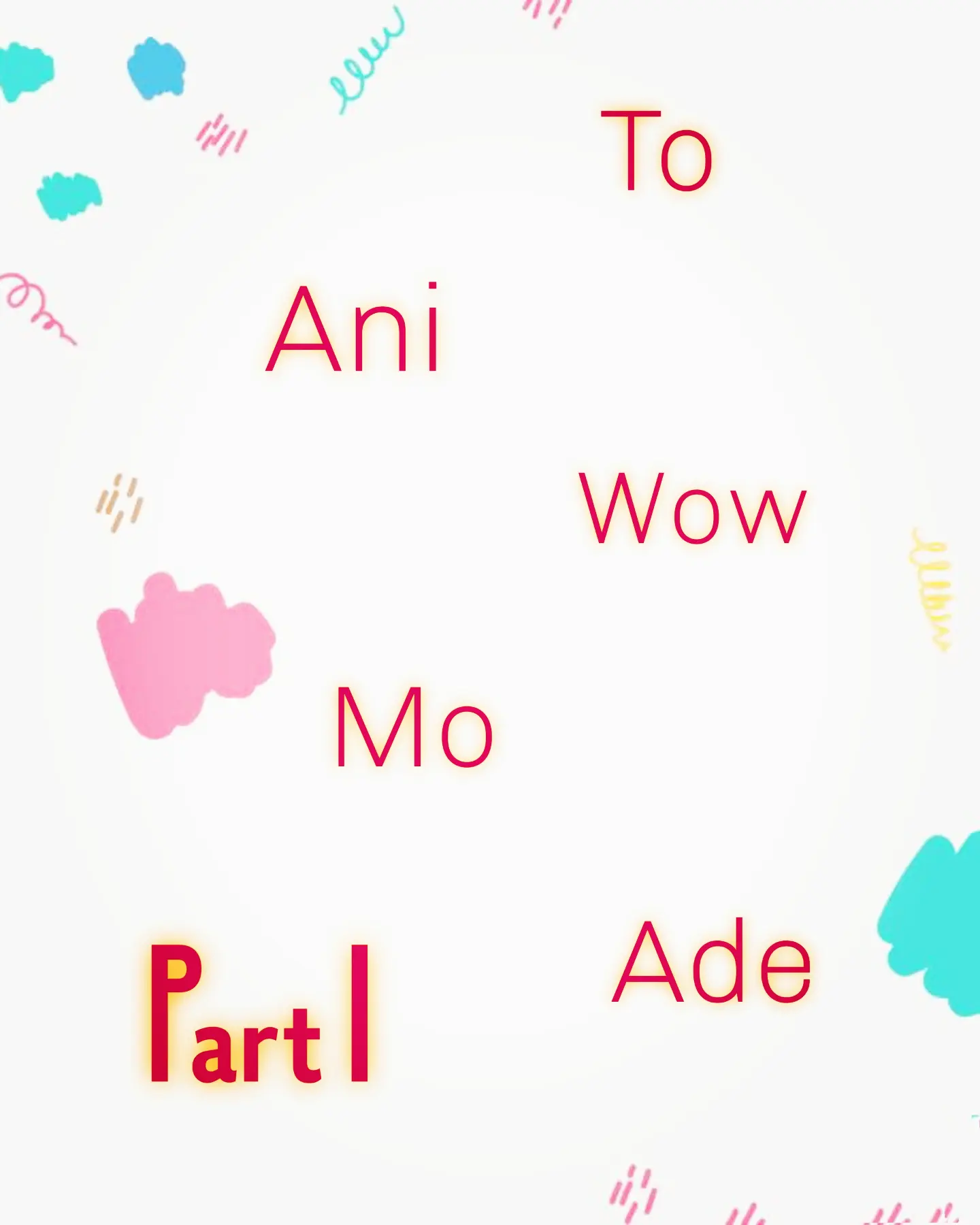
  • To, Ani, Wow, Mo, Ade

    Ani – Ka ktien kaba pynpaw รฏa ka jingkyndit ne ka jingbym lah shah shuh/ Oh my!; expressing surprise or being overwhelmed by something.

    Ade – Ka ktien kaba pynpaw รฏa ka jingiaroh/ Wow!; expressing admiration.

    Wow/ Waw – Ka ktien kaba pynpaw รฏa ka jingkyndit ne ka jingsheptieng bad kaba ju pyndonkam bad ka ktien "ani"/ Oh no! ; expressing alarm, fear or shock.

    To – Ka ktien kaba pynpaw รฏa ka jingshon jingmut ne ka jingรฏahap jingmut, ka jingsngewhun bad jingskhem; รฑiuma; koit/ Okay; all right; expressing satisfactory affirmation.

    Mo – Ka ktien kaba pyndonkam kum ka jingpynshisha bad ka jingpynskhem, kum haba ong "kam long kumta?" / Isn't it?; eliciting confirmation.

    Ni – Ka ktien kaba pynpaw รฏa ka jingdom ne ka jingbymlah ngeit/ Oh please; expressing annoyance or disbelief.

    Interjections and exclamations form an important part of the Khasi language. They give it its characteristic tone and flow. ๐Ÿ—ฃ๏ธ๐Ÿ—ฃ๏ธ

    Khublei Shibun Dan Challam @micromotives ba phi la phah รฏa kine ki kyntien kiba ngi ju pyndonkam man la ka por tangba kiba ngim ju pyrkhat ban ai da ka jingbatai kaba shai ๐Ÿ™๐Ÿ˜„

    ๐ŸŸก Editing and translation into Khasi by @speakyourroots