Tag: indigenouslanguageconservation

  • Ki kmie mynta, ki kmie mynshuwa

    Phi shait kynmaw kumno mynshuwa haba dang ïa lehkai shi khrui, da lah dei ka por ban dih sha ne ban bam ja i Mei in shu pyrta beit? 😄😂😆 Ka sawa ka sur i Mei ha ka suiñbneng janmiet, lyngba ki siej ba kaweh hir hir 🥺❤️ Mynta te ym ju ïohsngew shuh ki ban pyrta khun kumto.

    Do you remember before how when we were playing with other children, our mothers would call us home for tea or dinner? 😆😄😂 Mother's voice would echo across the evening sky, through bamboo stirring in the breeze 🥺❤️ Nowadays we don't hear mothers calling like that anymore.

  • Ki Kyntien Ïamir ne Ki Kyntien Saiñ/ Coinage of Khasi Words

    Ki Kyntien Ïamir ne Ki Kyntien Saiñ/ Coinage of Khasi words

    Identity: "Shap kyrpang"

    Mind: "Saiñ pyrkhat"

    Ka jingthaw ïa ki kyntien thymmai ki ban long "Ki Kyntien Ïamir" ne "Ki Kyntien Saiñ" ka long ka jingpyrshang kaban pynroi bad pynïar ïa ka ktien Khasi. 🗣️🗣️

    The creation of new words through coinage is an attempt which aims at the growth and widening of the Khasi language. ✍️✍️

    Two Khasi words have been coined as the words which denote "identity" and "mind".

    🟡 Khasi Coinage by @speakyourroots

  • “Ki Tynrai” da @speakyourroots

    Ki Tynrai

    Ki tynrai jong ngi kin khlaiñ.

    Ki tynrai ka dohnud.

    Ki tynrai ka saiń pyrkhat.

    Ki tynrai jong ngi kin ïeng shisha.

    Ki tynrai ka jingïohi.

    Ki tynrai ka jingkren.

    Ki tynrai jong ngi kin neh pateng.

    Ki tynrai kiba ngi klah.

    Ki tynrai sha ba ngi ïaid.

    Ki tynrai kin nym ieh ïa ngi satia.

    Ngin kynmaw junom ïa

    ka nylla ksiar

    ka kyrteng jong ngi

    ka ktien jong ngi

    ka shap kyrpang jong ngi.

    Ngin bat da kaba

    sngew sarong bad ka burom

    ïa kata kaba dei jong ngi

    ïa kata kaba long na ngi.

    May our roots be strong.

    The roots of our heart.

    The roots of our mind.

    May our roots be true.

    The roots of what we see.

    The roots of what we say.

    May our roots endure.

    The roots of what we touch.

    The roots of where we walk.

    May the roots of who we are

    never leave us.

    May we always remember

    the beauty of

    our name,

    our language,

    our identity.

    May we hold with

    pride and dignity

    that which is ours,

    that which belongs to us.

    Ki tynrai ki lah ban don bun jait ki jingmut ïa ngi katba ngi im. Ki kylla bad ki san katba ngi nang kylla nang san. Ha kata ka jingïaid lynti, ai ba ngin ïoh ka jingstad jingshemphang, ka bor bad ka jingshlur ban long kiba ngi dei ban long. ✨🌲

    Roots may have different meanings for us as we go through life. They change and grow as we change and grow. In that journey, may there be wisdom, strength and courage to be who we are. ✨🌲

    🟡 English translation by @speakyourroots

    🟡 Art by Brenda Jiral

  • Excerpts from the article “Poiphang Ka Thawhi Ban Peiphang” by Raphael Warjri

    Excerpts from the article "Poiphang Ka Thawhi Ban Peiphang" by Raphael Warjri,

    which appeared in u Nongsaiñ Hima on 15th June 2022

    Ki ktien ba thymmai ba la tyrwa ban shna thymmai ki long ki ba la shu thaw hi kat ba lah ban poiphang ha ka pyrkhat shimet bad lada ka long ka ba lah ban peiphang bad sngewthuh da ki paidbah, te ka shong sa tang ha ka bishar sani jong ki stad saiñktien bad ki thohjer thohnam na ki shlem ba kynsai jong ka imlang sahlang.

    La khmihlynti ba kiei kiei baroh kin long ki ba jynsur mynsiem bad ban husiar ban ym synjor, ban long ki ba kdup їa ki ktien mat na ki thaiñ kylleng sawdong bad ban pynneh longpdeng da ka ktien Khasi kaba don ka thymmei-na ka ktien Sohra. La pyrshang ruh ban buh artat bad ka jingmut ha ka ktien phareng khuang ban kham suk ha ka bishar bad tynjuh lada dei ban pdiang ne kyntait lada dei ban dan ai jingmut shuh shuh da kumwei.

    Aijubab ka mut ba ai ka jubab ha ka jingkylli ne kynthoh ha ka ba ai daw/ Response

    Aitishaniah ka mut ba aiti bad ba lah ban shaniah/ Faithful

    Aïomot aïomkheit ka mut ka por ba la ih ki jingthung bad la biang ban ot ne kheit/ Harvest

    Bamet ka mut ba tylli doh ne skhah/ Solid

    Bamteimet dihteimet ka mut ka dawai tei ïa ka met ka phad/Vitamin

    Bambsamet ka mut ka bam ba bsa met osa phad/ Nutrition

    Bankbia ka mut ka ba noh ne shah tynrong na jrong/ Pressure, Burden.

    Basabam basadih ka mut ka sem ba die bam die dih paidbah/Restaurant

    Batsaipan ka mut u nongbat pisa ha saipan/ Treasurer

    Borkhia ka mut ka kynja bor ba hap da ka jingkhia/ Gravity

    Borkhring ka mut ka kynja bor ba khring/ Magnetic

    Borkynsan ka mut ka kynja bor ba ban khia kynsan/ Impact

    Bortipthuh ka mut ka bor ba lah ban mad ne sngew/ Senses

    Buhthup ka mut ba buh thup kyrteng їa ki mar ki mata/Registration

    Buhthiar ka mut ba buh thiar tyngkai dulir/ Archive

    Buikyrteng ka mut ka bui buh kyrteng/ Registration

    Buitsniew ka mut ba buitpoh ban shet kylla/ Mischief

    Kabuhok ka mut ka kabu ba shonghok/ Privilege

    Kambymman ka mut ki kam batriem ba mynsaw/ Crime

    Kamroi ka mut ki kam pynroi ha ka imlang sahlang/ Scheme

    Kamtreilang ka mut ba syllok lang ban trei ryngkat/ Cooperation

    Kher Aihukum ka mut ki kynja riewdon kyrdan ba ïalam na phrang/ Commanding Officer

    Khieim Jyrngam ka mut ka juk ba rasong ka rep ka riang/ Green Revolution

    Khreh ktem ka mut kaba pynap lypa ban ïoh kdong/ Strategy

    Kiew snam hiar snam ka mut ba kiew ne hiar kaba kynshait ka snam na u klongsnam ka bym biang ka jingtuid ka snam lyngba ki thied snam/ Blood Pressure

    Kliarthong ka mut ba kot ban khajoh sha khlieh eh jong kano kano ka kam/ Zenith, Pinnacle

    Klit ka mut ka jingstet ba palat liam ban ther na kawei ka dong sha kawei pat/ Velocity

    Korkemdur korkemsur ka mut television/ Television

    Kotaibor kotibit /Syrnotaibor ka mut ka dulir ba la shah ban pyntreikam/ License

    Kpait-saiñ-kam ka mut kaba pruid dak lynter ban buh ryutih ki kam ba dei ban trei/ Policy

    Krehbiangkam ka mut ba pynїaidkam ryntih/ Management

    Kupar ïawai ka mut ka nusib ba la thoh haduh ba kut ka jingim/ Destiny

    Kyndeh thiedsnam a mut ba tied u thied u jaw na ba їaid ka snam/ Pulse

    Kyndon kdewlynti ka mut ba lam ne pyni lynti kumno ban leh kat kum ki mat ba la buh hukum/ Guidelines

    Kyndongduh ka mut ka thaiñ khappud bajngai palat na ka jaka pdeng/ Hinterland

    "Poiphang Ka Thawhi Ban Peiphang" is an article by award winning Khasi artist @warjri.raphael which was published in U Nongsaiñ Hima (Khasi newspaper) on the 15th of June 2022.

    This is a wonderful article wherein Bah Raphael has attempted to coin new words in Khasi while giving their English equivalents. Khublei Shibun Bah @warjri.raphael for this article! 😀🙏👏

    The coinage of words in a language will help it to grow, thereby sustaining it, adding to expression in speaking and writing. 🗣️✒️😄

  • Long rat

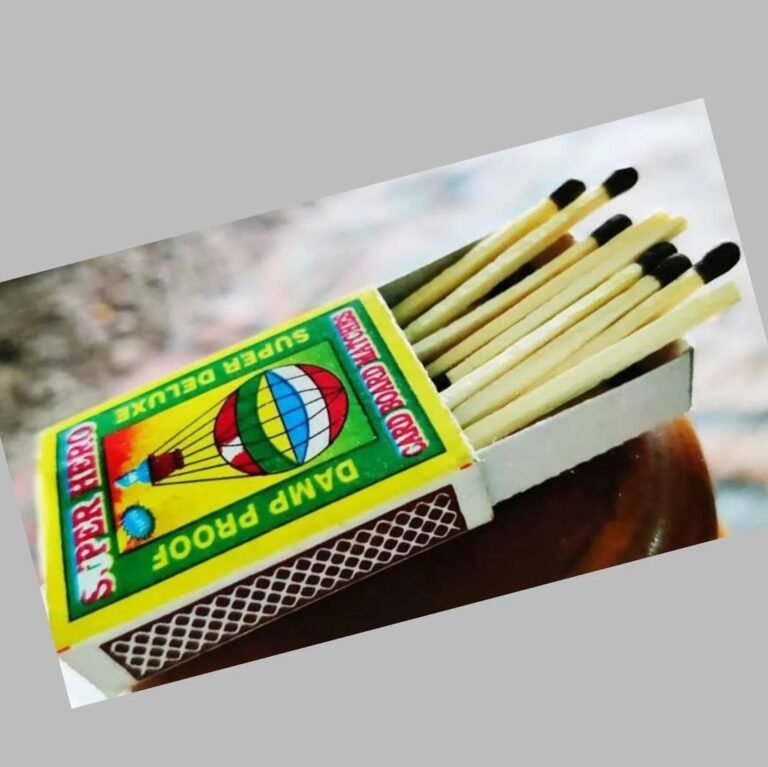
    Ha kawei ka sngi, lah don uwei u phareng uba wan jngohkai ïa kane ka ri Khasi ngi. U leit kylleng ki shnong bad kawei na ki ka dei ka Shella kaba bna nam bha shaphang kata ka "shoh dohkha". Te u lah poi hangta ha ka shnong bad ki don ki briew katto katne kiba khot sngewbha ïa u sha ïing jong ki. Ki bun ki briew kiba nang ban kren phareng tang ban ïapei bad u bad para ma ki pat ki kren da ka ktien shnong lajong. Te u sngap shkor bha haba ki ïa kren para ma ki bad katba ki dang kren u da peit artat sha madan, shapoh khrum shuki ba u shong, shadien bad shakhmat ruh. Kita ki briew ki lah iohi ïa kane ka rukom leh jong u te ki kylli balei ba u i khuslai bad ba u peit lut ïa ka madan ka khrum kumba wad aïu re aïu. Uta u phareng u jubab: "Where the hell is the goddamn long rat that you guys have been talking about??" Phewse "long rat" ki dei ki dei ki kyntien shnong jong ki bad uta u sahep u mut ïa ki ba ki kren phareng de tiak tiak namar u mut ki kren shaphang ka khnai baheh!

    "Long rat" ka mut "ym lei lei" ne "kam pher" ha ka ktien Shella 😄😂 Namar kata ym long rat, kam don ka khnai 😂😂😂🐀🐀

    "Long rat" means "it's okay" or "it's all right" in the Shella dialect. So "long rat" is not a long rat 😂😂🐀🤡

    Khublei Shibun @shillongftw for this joke 😂😅 U Phareng got lost in translation!

  • Dai/ Die

    Ka khana biria ba nga la ïohsngew kham slem..

    Shisien ki shi lok kiba dang shu ïa shong ïa sah ryngkat ki ïa shongkai bad ïakhlei ki ktien ieit, ktien sbai tien rupa bad ynda ki la dep ki ïa leit bamja noh arngut hi. Te katba ki dang ïa bam, u lok u ong "Darling ai dai". Ka lok pat ka la kyndit bad ka ong "No darling please don't die". U lok u ong biang "No no darling, nga ong ai dai from the karai".

    Mynta ka sngi, ka 1 tarik u Naitung ka dei ka International Joke Day 😄😄

    Khublei Shibun @mebatei_l_khongsti ba phi la phah ïa kane ka khana biria birai 😂😂😂Ngi ju poi sha kaba ïa rkhie da lah khleh ka kren ktien English bad Khasi kum kine shilok 😂😂

    Talking in "Khalish" is what many of us do nowadays 🤭😅😬 and this joke is an example of that. The punchline to the joke is also because of the Khalish involved. To translate this would be to take out the humour from it, so we leave it as it is 😄

  • Dih ne nym dih

    Ha kawei ka sngi don uwei u briew na nongkyndong ba leit shim dawai sha sor. Ynda u doktor u la kynduh bad eksamin ïa u, u la batai ba u dei ban dih ynda la dep bam ja miet. Te uta u briew u la lyngngoh lyngaiñ ba kumno un dih da la dep bam ja ïoh um ïoh kali shuh. Katta ruh u sngap jar bad u shong beit hangta ha dukan dawai haba don u doktor. Te u doktor pat u peit lyngngoh ïa u namar ba um leit shuh katno katno ruh. Uta u briew u ong: "Ngan dih noh doktor?" U doktor u ong "Em dih da dep bamja". Phewse u bapli da ka ktien shnong lajong "dih" mut "leit noh". U doktor pat u sngewthuh ba dih mut ban dih noh ka dawai. Hangta ka jingthamula te ka bym nang batai namar u nongkyndong u ïeng ban mih noh u doktor pat u ong em wat pat dih.

    Ka dei na ka ktien shnong aïu ka kyntien "dih"?

    Khublei Shibun @czmylliem ba phi la phah ïa kane 😂😂

  • Kynmaw

    How do I explain the word? "Ka ktien".

    Say it. Out loud. Ka ktien. The first, a short, sharp thrust of air from the back of your throat. The second, a lift of the tongue and a delicate tangle of tip and teeth.

    For I mean not what's bound by paper. Once printed, the word is feeble and carries little power. It wrestles with ink and typography and margins, struggling to be what it was originally. Spoken. Unwritten, unrecorded. Old, they say, as the first fire. Free to roam the mountains, circle the heath, and fall as rain.

    We, who had no letters with which to etch our history, have married our words to music, to mantras, that we repeat until lines grow old and wither and fade away. Until they are forgotten and there is silence.

    How do I explain something untraceable? The perfect weapon for a crime. Light as pine dust. Echoing with alibis. Conjuring out of thin air, the ugly, the beautiful, the terrifying.

    Eventually, like all things, it is unfathomable. So, how do I explain?

    Perhaps it's best, as they did in the old days, to tell a story.

    ……………………….

    I was asked recently, what's your favourite word in Khasi? Usually, I find "favourite" questions very difficult–favourite book, song, movie. So many, I reply helplessly, it's impossible to pick just one. But not this time. It came to me easily, immediately, and while there are many delicious words in Khasi (rympei, the hearth; 'lap praw praw, rain on a tin roof), this one is closest to my heart.

    Kynmaw.

    To remember.

    And not merely because of its rich and resonant meaning, but also because of its etymology. For the longest time, the people of these hills nourished an oral culture–one replete with song and story–and while there were attempts to "give" the languages here a script (using the Bengali alphabet), it was the British missionaries who succeeded. In particular a missionary named Thomas Jones, who travelled to Sohra in 1841, at a time when conversion to Christianity was at its slow beginning. What would help was to disseminate the word of God through the Bible–except how to publish an edition in a scriptless language?

    Today, in Meghalaya, is Thomas Jones Day. And so we remember him. For his diligence and good deeds, of which there were many–how complicated are our colonial histories!–but I choose to remember also how the languages here, at heart, are languages of the wind, the

    mountains, and waterfalls and forests. How they once sprung from land and tongue and remained untethered to page and pen and ink.

    How did we remember? Through song and story, of course, and stone. We computed our histories through stone–choosing to raise monoliths to mark lives and events and relationships. And so even our word for remember-kynmaw–means to "carry like stone". Here, remembering is not taken lightly. It is borne on our backs like stone–unwavering even in the face of (colonial) beliefs that the oral is light and frivolous and inauthentic. The spoken is as much true as the written. When we have no preservatory documents, remembering, to kynmaw, becomes all the more pressing, more important. The spoken does not forget."

    Khublei Shibun @janicepariat for your beautiful and profound thoughts! 🤗❤️🙏

    The era of the spoken word and of Khasi orality is vast, moving in the many sunrises and sunsets of history. This history which is our heritage pleads to be preserved as we move forward.

    As it is the course of things, we were given the Khasi alphabet by Welsh missionary, Rev. Thomas Jones. The Khasi alphabet has brought us to another chapter in Khasi orality, as our stories, teachings and values are transcribed onto paper. Yet as Janice Pariat has asserted, ban kynmaw ka long kaba kongsan, ban kynmaw ka long kaba kumba ngi dei ban long, namar ïa ka ktien la thaw, la shon nyngkong ha ki jylliew ka pyrkhat ka pyrdaiñ; la thaw la shon ïa ka ktien ha ki tyllun u thylliej bad ka shyntur. Kumba ki ong ki longshuwa, ka ktien kaba tam. Ka ktien ka long kaba maïan, ka ktien ka long kaba nylla!

    📸 All photos are from @janicepariat 🙏

  • Ka Dienshonhi

    Ka kyntien "Dienshonhi" ka thew ïa ka "Dak-Thoh-La-Jong". Da lah phiah ïa ka, ka long kumne harum:

    Ka kyntien "Dien" ka mut ïa kano-kano kaba paw haba la ïuh ne kano-kano ka jingpynsah dak ïa kiba bud nadien khnang ba kin lait na ka jingshah ïalam bakla. Ka kyntien “Shon” ka wan na kaba pynskhem ban nym jah ka dien na kaba shim nuksa na ka dien ban dang ïai pynmih dien shuh. Ka kyntien “Hi” ka thew ïa uno-uno ne kano-kano kaba pynmih dien namar kata, ka wan ka ktien “Dien-Shon-Hi”.

    The Khasi word "Dienshonhi" refers to "Dak-Thoh-La-Jong" which may be translated as that which is written by oneself. When it is broken up it means as follows:

    The word "Dien" means something that is seen or formed like a footprint or any other imprint or a sign that is placed to help people not get lost. The word "Shon" means to press down on something to leave a permanent imprint. Thus "shon" will strengthen that which is imprinted, to avoid it being lost. "Shon" will also take the example of the imprint to produce more imprints in the future. The word "Hi" refers to anything or anyone who produces an imprint. Thus, the word "Dien-Shon-Hi" is coined.

    Ka Dienshonhi: The Khasi Encyclopaedic Dictionary by Rev. Dr. Iarington Kharkongngor

    Ka kyntien "Dienshonhi" ka dei ka kyntien kaba la sot bad pynsaiñ dur na laitylli ki kyntien, kita ka "Dien", "Shon" bad "Hi". La pynïamir jingmut ïa kine lai ban long kawei ka kyntien, khnang ban pynshynna ïa ka jingmut jong ka kyntien nongwei kaba long "Dictionary". Namar kata, ngi lah ban ong ba ka kyntien "Dienshonhi" ka long ka kyntien ïamir, ka kyntien saiñ ne kaba ki ong ha ka ktien nongwei "coinage".

    The word "Dienshonhi" is a word that has been coined from three words, that is, "Dien", "Shon" and "Hi". The three words have been blended and brought together to express one meaning, so as to make clear the meaning of the English word "Dictionary". Thus, we can say that the word "Dienshonhi" is a coined word or coinage.

    Coining new words is one sure way for a language to grow! 😃🗣️🗣️📝 Two Khasi words in the post above which have been coined to explain the meaning of the English word "coinage" are 🟢 "kyntien ïamir" and 🟢 "kyntien saiñ".

    #kyntienïamir #kyntiensaiñ

    La ha ka kren ne ka thoh, ngi lah ban pynwandur bad saiñ dur ïa ki kyntien ki ban pynroi bad pynïar ïa ka ktien Khasi 🙏😃🗣️📝

    🟡 Source: Rev. Dr. Ïarington Kharkongor

    🟡 Translation and further elaboration by @speakyourroots

  • Lets learn them!

    Syngket ne Taphah ka dei ka riat kaba noh arsut da pynïeng; shám-shám riat; lum mawsiang/ Precipice

    Mikhli ne Milai ka dei ban pynïakhlehlang/ to mix up

    Halai Halai ka mut suki-suki ne mian-pa-mian/ slowly-slowly or by and by

    Kyrwiang ne Phái war ka mut ban phai sawdong/ to turn around

    Ngi hap ban ïa leh ban kren ne ban thoh da ki kyntien ki ban pynïar ïa ka ktien Khasi. Ki symboh kiba kynshew man ka sngi kin kyrbah ïa ka jingmut bad jingleh jong ngi 😄🙏

    Here are some Khasi words which we can try to use everyday. Grain collected everyday will sustain our thoughts and actions 🌾🌬️