Category: Poetry

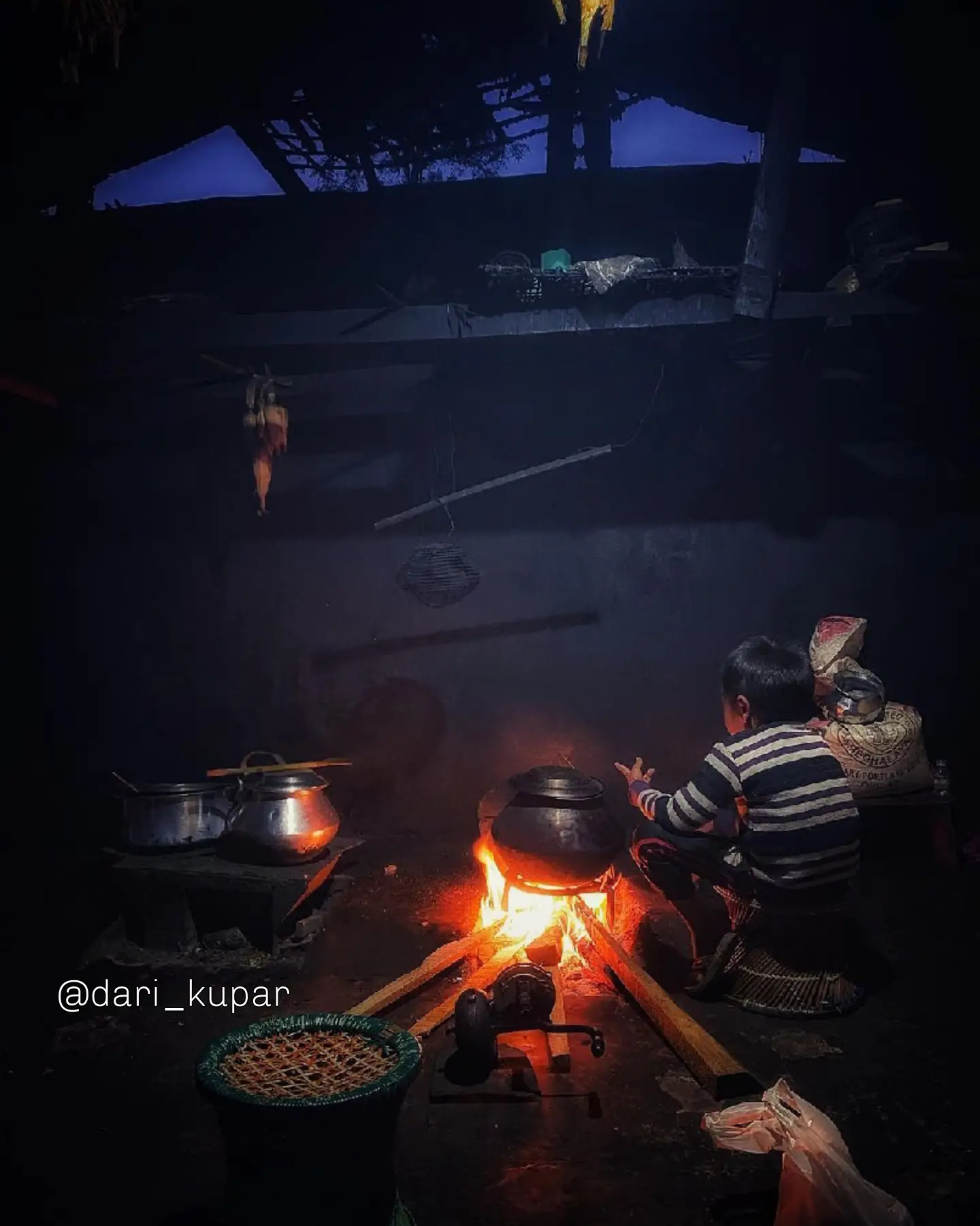
  • Sawdong ka lyngwiar dpei

    Sawdong ka lyngwiar dpei.

    Ngi shong syaid ding ban sngap

    khana i mei:

    Ki khana tang khana puriskam.

    Ki jingsneng tymmen, ha ngi i sam;

    Ban pynneh ki rukom ki riti ki

    dustur.

    Ban im ka jaitbynriew bad

    shaphrang ban iai tur!

    @dari_kupar

    "Sawdong ka lyngwiar dpei" sent by @dari_kupar 🌄🔥

    Katno ngi sngew kmen bad sngew myllung ka mynsiem haba ngi iohi ia kum kine ki lyngwiar dpei kiba bun na ngi ngim don shuh ha ïing 💜💜💜

    Thank you @dari_kupar for sending this nostalgic picture and for the heart-warming poem! 🙏

  • Ka Sohlyngngem bad u Rynñiaw

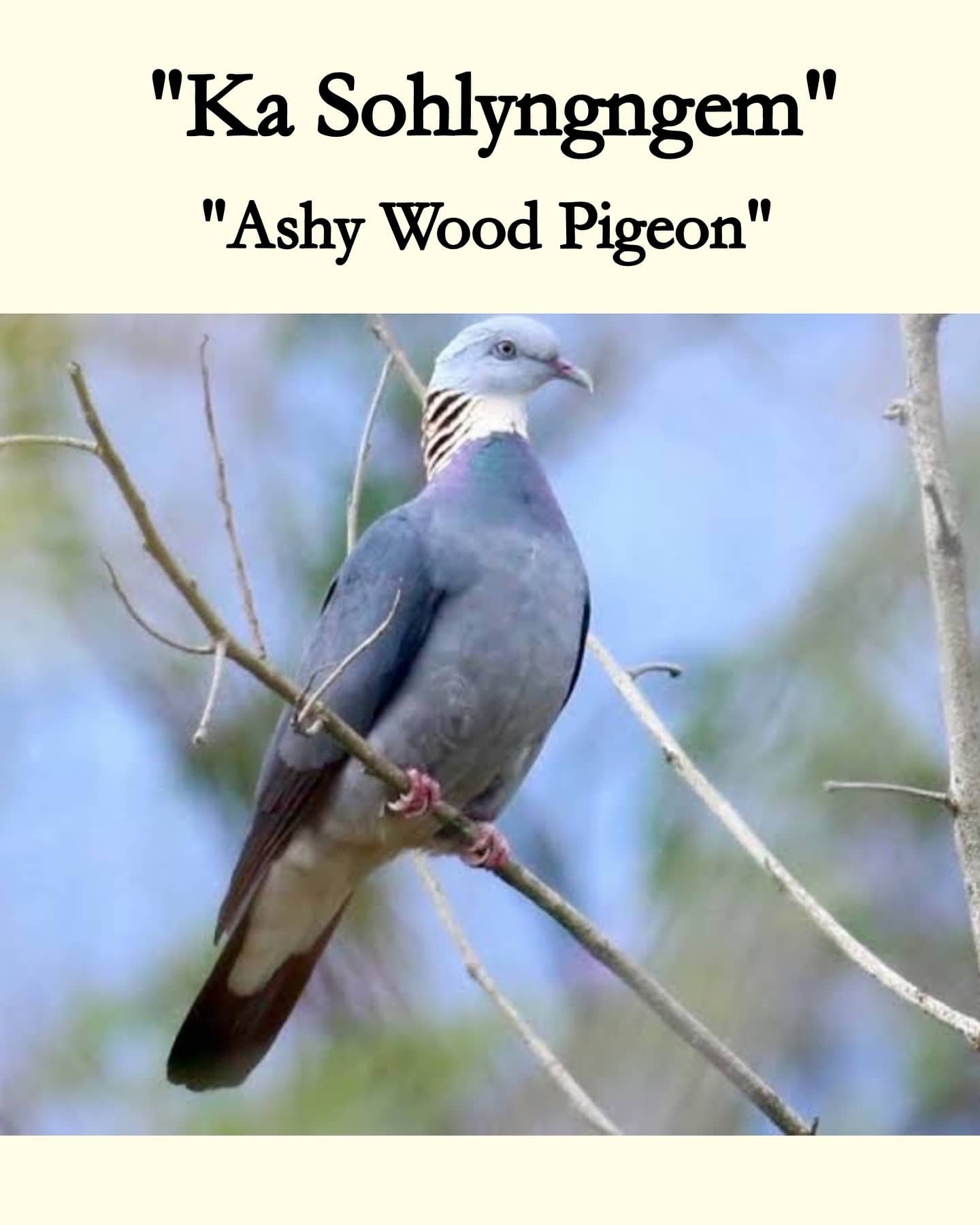
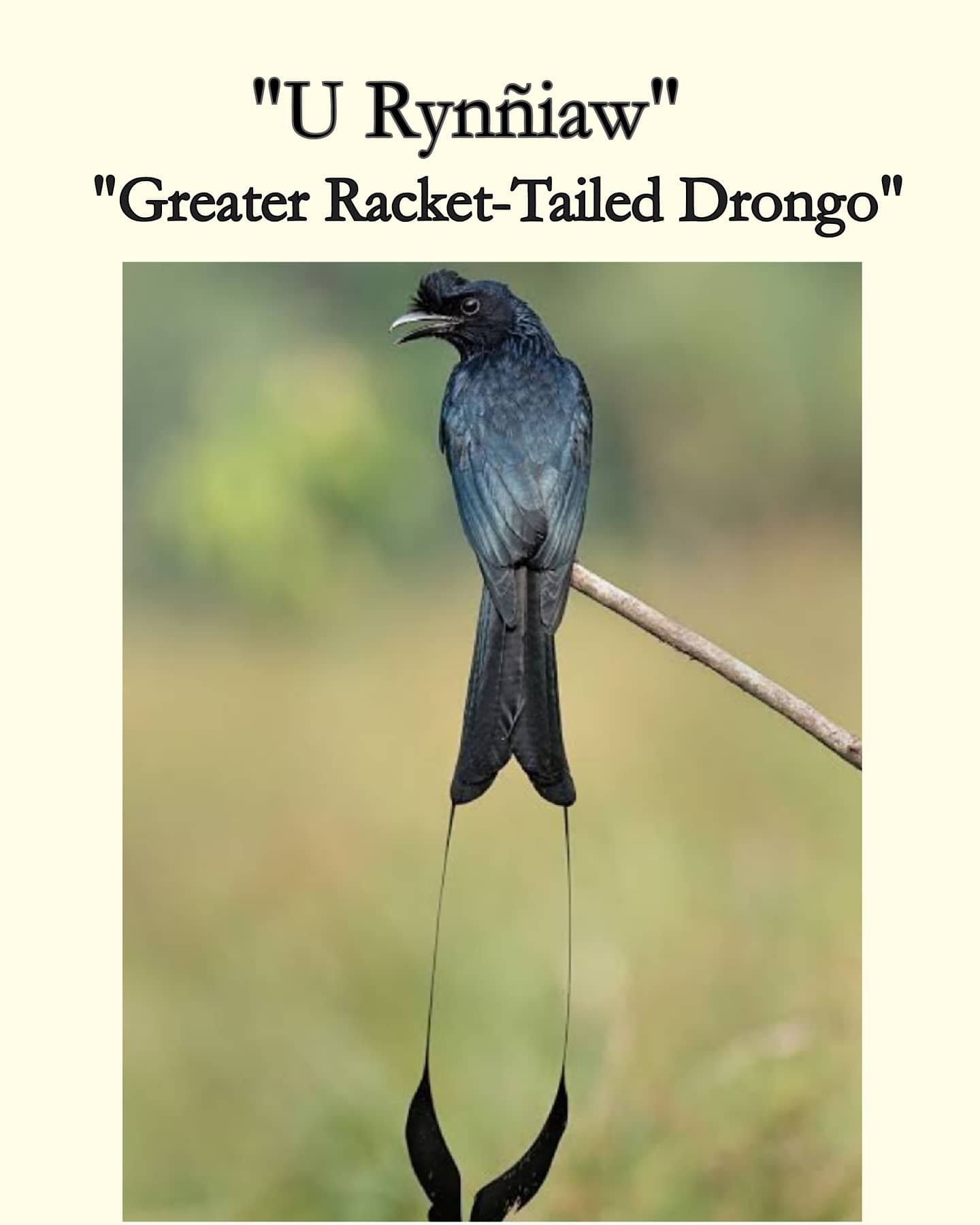
    Ka Sohlyngngem and U Rynñiaw were deeply in love with each other and would meet in the shade of tress in the forest. Ka Sohlyngngem was a beautiful bird who belonged to a poor but hard working family. U Rynñiaw, on the other hand, was the son of a well-privileged family and the "King of the Kingdom of Shade'' (Tales of Darkness and Light by Janet Hujon). The parents of Ka Sohlyngngem did not wish that she marry U Rynñiaw because of the difference in wealth between the families. As the sorrowful end of the story goes when Ka Sohlyngngem tells him, U Rynñiaw is distraught but not wanting to cause pain to her parents, decides to say goodbye and leaves Ka Sohlyngngem. Till today the cries of Ka Sohlyngngem are heard singing of her lost love.

    "Ka Sohlyngngem" da Primrose Gatphoh

    1. Ka Sohlyngngem ka thei bhabriew.

    Ki ong naduh hyndai;

    U sim Rynñiaw ka ri dymmiew,-

    Iap mat-u 'rang kynsai.

    2. Jar-Jar ka trei ka khun ki briew,

    Ba duk ba bylla sngi;

    Ka nang ban thaiñ ban suh syntiew,

    Kam nang ki 'tien lorni.

    3. U sim Rynñiaw, u khun binong,

    Ïa ka bunsien u ruwai :
    Hajan jong u ka brai ban shong;
    Ka sngap, -ka ioh thiah thai.

    4. Ar ngut ki ïaid sha lum sha wah,

    Ki shong hapoh dymmiew;
    Harud ki um sangam dait thah,
    Sha bym ïohsngew ki briew.

    5. Ka 'lei-lapmat ka wiat samrkhie,

    Ki khun mariang bha dur :
    Ha pdeng duriaw jingieit ki kie,
    Ki Paro-blei shi jur.

    6. Ki 'tien-sai-iong, ki 'tien-sai-saw,
    Ar ngut ki teh jutang:

    Ym don u syiem, ym don i mraw,

    Ban sngap ban ap jutang.

    7. Ki kmie ki kpa ka Sohlyngngem,

    Kim mon pynhiar synjat:

    Jingieit jong ka- -ka dom, ka rhem,

    Ka iam, ka khuslai sat.

    8. "Ko Khun" ki ong "Yn lei phin kwah

    Ioh un lehbeiñ lehkhoh

    Namar ma u u khun riewspah,

    Ma phi ka khun ba poh!"

    9. "Hu-hu ka ud ka pait dohnud,

    Namar u Syiem Rynñiaw :

    Ka phet kylleng ka wad ka bud,

    "Hu-hu Hu-hu' ka piaw.

    10. "Ko Ieit,' ka ong, '"dohnud ka pang :

    Eiei, ngam nang pyrkhat:

    I mei i pa, iap-iap ki khang,

    Bad phi ban shong ryngkat.

    11. "Jingieit jong phi ia nga la biang,

    Bad phi nga hun nga suk:

    Im-im ia phi ki ring 'sai syiang:

    Ki mon para ba duk."

    12. "Oh kumta pleng | Nga ruh ngam kwah

    Ynnai, – pynsngewsih lei !

    Hynrei, ko Ieit, ia nga to shah,

    Ngan doh khadduh-Khublei!"

    13. Kumta u piam, u doh, u dait;
    Junom ka iai kynmaw :
    Te, slem u-bat, um lah pyllait;
    Ki ummat ksiar ki jaw.

    14. Te soit u siang la ki sner diar;
    Shapoh lawbah u ruwai :

    "La pait, la pait ka Khuri Ksiar,

    La wai, ko Tiew-Pathai !"

    15. Ka Sohlyngngem ka shoh bieit ngaiñ,

    Shano kan ïashem pat !
    Mano ban sop, mano ban spaiñ:
    Badno kan shong ryngkat !

    16 "Hu-hu!" ka iam, "Hu-hu!" ka ud,

    "Hu-hu!" ka win ka khlaw :

    "Hu-hu!" "Hu-hu!" ka khot pangnud,

    'Hu-hu,! ko Syiem Rynñiaw !'

    17. Ka ngiah ka ruwai, ka shad, ka kmen,
    Ka keiñ ka put ka tem :
    Ha 'Iaw sangam ka shong rieh tngen :
    Ka ud, -ka pang shadem!

    18. Ka Thei-Iap-Saw ka khuslai sat,
    Ha thwei sangam ka miet ;
    La khap ka khmat, ka dem pyrkhat,-
    Ka Khuri Ksiar Jingieit !

    "Ka Sohlyngngem bad u Rynñiaw" is a story marked by love, sorrow, loss and absence. 🖤🤍🖤🤍

    🟡 As stated in Tales of Darkness and Light (2018) by Janet Hujon, Ka Sohlyngngem is the Ashy Wood Pigeon and U Rynñiaw is the Greater Racket-Tailed Drongo.

    🟡 The Khasi poem "Ka Sohlyngngem" is written by Primrose Gatphoh in his book Sawdong Ka Lyngwiar Dpei (1977).

    🟡 Pictures 2 and 3: Google
  • Syiem Latympang–The Queen of Hima Manar by Daohi Manar

    From the base of 'U loom kyndong',

    I applaud her bravery – the queen of Manar Kingdom;

    Though "suri kup snieh langbrot" tends to trap,

    Queen with extraordinary powers,

    Her real name was Latympang Shadap.

    Dei tang u khnam bad ka ryntieh ba lam lynti,

    Na ka jingdum, sha jingshai ka sngi.

    'Loom-ti-niang', Pûnthor Latuba", Loom Mu-pdang', 'Loom Letno'

    told this story of grit,

    Of how she fought like a man every bit.

    Neibhah yong pha, Miat rynsut na hali da jngai:

    A! Maya wa sakhiat, da pûnsakhi wa kylla moo ki masi blai.

    A woman fearless and defiant was she,

    Defined by no man, you are your own story;

    Amid of happiness, 'Ko Syiem phi jngai na ngi!'

    The queen of 'u khnam ka ryntieh',

    Immortal your name shall ever be.

    "Syiem Latympang–The Queen of Hima Manar" sent by @xdtnoahjupejackllthmanar 😃😃😃 Thank you for being a regular contributor to the page!

    This poem is about Ka Syiem Latympang, her courage and fearlessness. English, Khasi and Pnar have been used to write the poem and this is an innovative idea because others who do not understand Khasi or Pnar will be able to know about this wonderful Queen.

    Daohi says: "Interestingly, apart from stories of the Jaiñtia male legends or kings, the Jaiñtias also have a beautiful story about a Queen with extraordinary powers whose name is 'Latympang Shadap' of Ka Hima Manar (adjacent to Shangpung Village). From beneath the darkened valley she wears her "Muka" and "Loket" on her land. Like a rising sun she seems to be shining above us, she was the great lady! "I am Syiem Latympang Shadap and I will bow to no man" For us, Latympang was not just a queen ,but she was a daughter, a sister and a Mother.❣️She used her bow and arrows as her own unique weapon set."

    👉"suri kup snieh langbrot"—A wolf in sheep's clothing.

    👉"u khnam ka ryntieh" — An arrow and a bow.

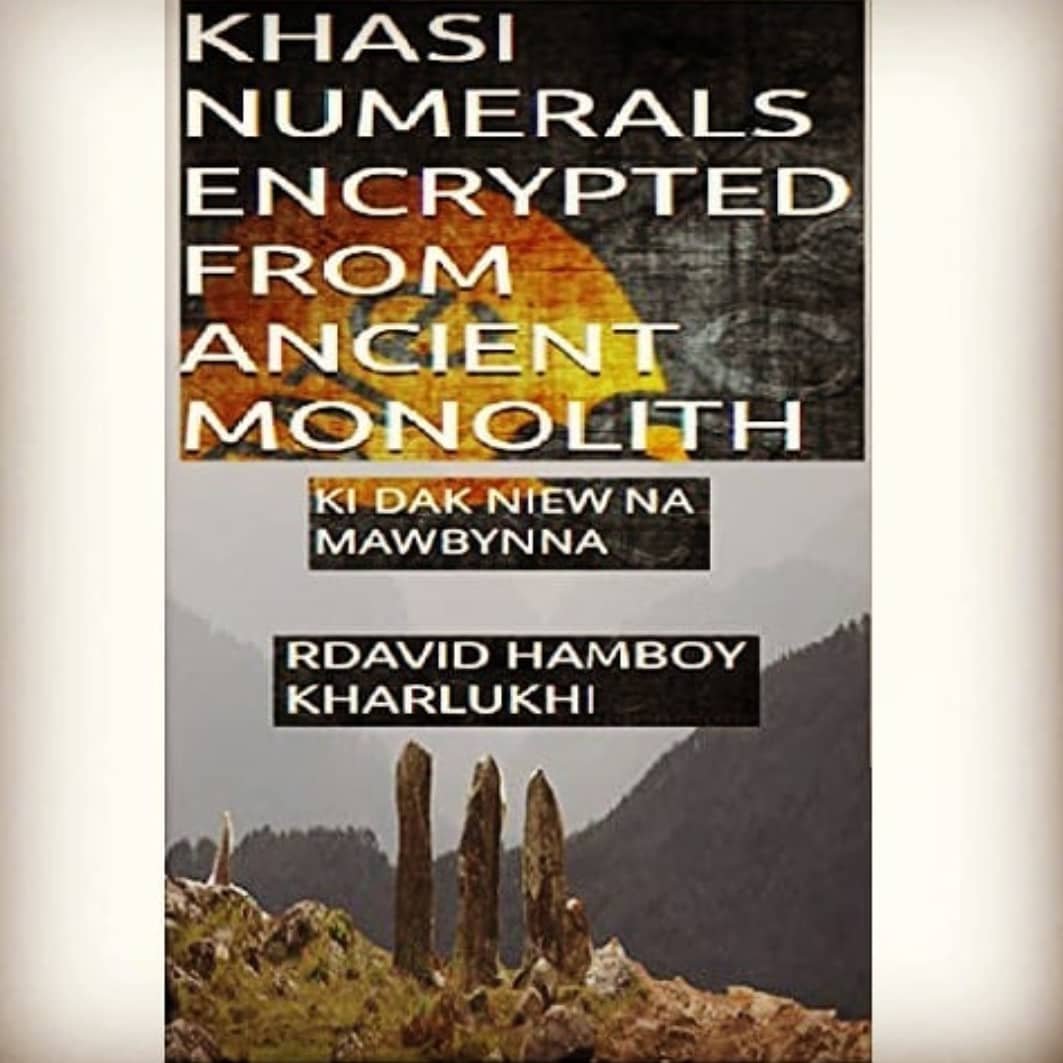
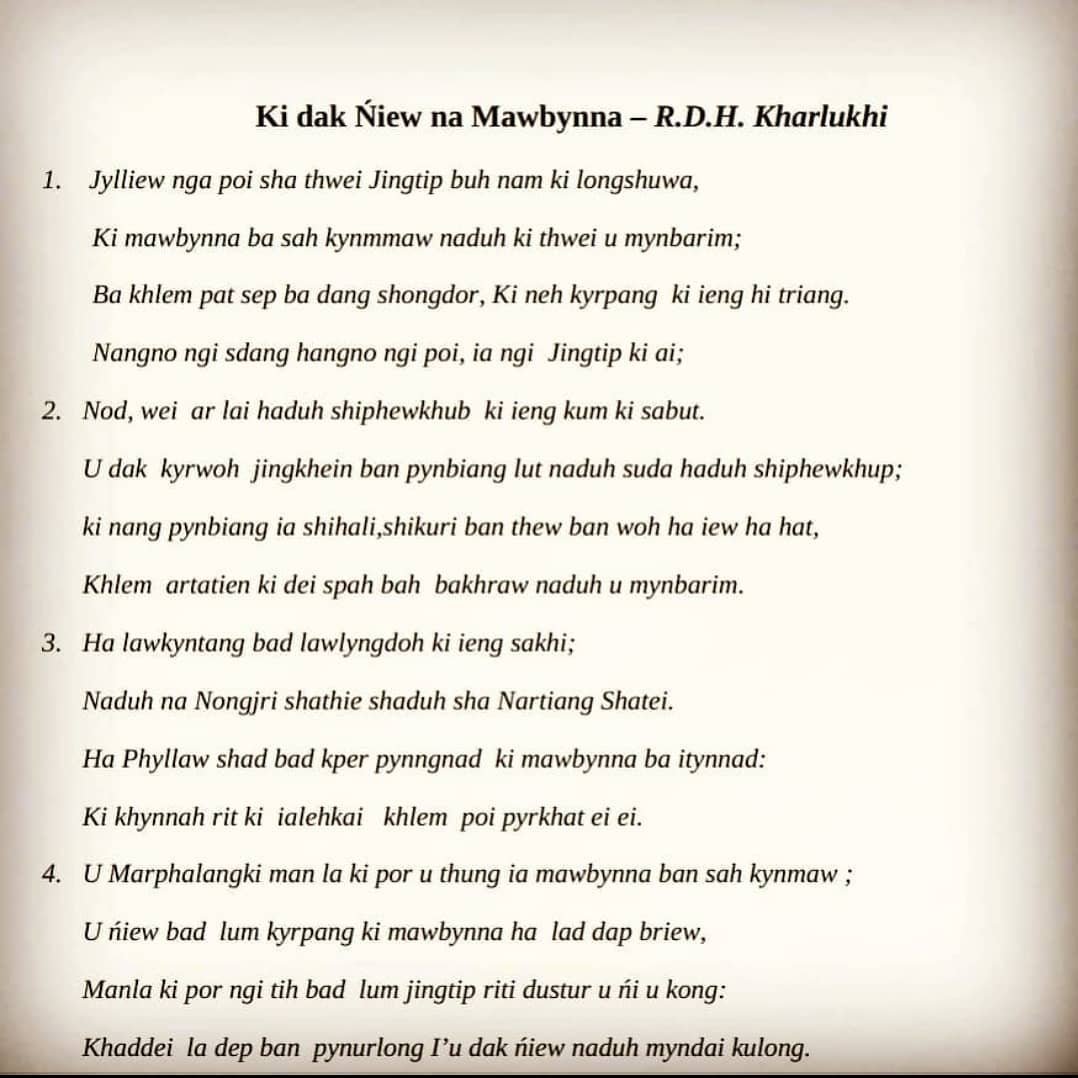
  • Ki Dak Ñiew na Mawbynna by R.David Hamboy Kharlukhi

    1. Jylliew nga poi sha thwei Jingtip buh nam ki longshuwa,

    Ki mawbynna ba sah kynmmaw naduh ki thwei u mynbarim;

    Ba khlem pat sep ba dang shongdor, Ki neh kyrpang ki ieng hi triang.

    Nangno ngi sdang hangno ngi poi, ia ngi Jingtip ki ai;

    2. Nod, wei ar lai haduh shiphewkhub ki ieng kum ki sabut.

    U dak kyrwoh jingkhein ban pynbiang lut naduh suda haduh shiphewkhup;

    ki nang pynbiang ia shihali, shikuri ban thew ban woh ha iew ha hat,

    Khlem artatien ki dei spah bah bakhraw naduh u mynbarim.

    3. Ha lawkyntang bad lawlyngdoh ki ieng sakhi;

    Naduh na Nongjri shathie shaduh sha Nartiang Shatei.

    Ha Phyllaw shad bad kper pynngnad ki mawbynna ba itynnad:

    Ki khynnah rit ki ialehkai khlem poi pyrkhat ei ei.

    4. U Marphalangki man la ki por u thung a mawbynna ban sah kynmaw;

    U ñiew bad lum kyrpang ki mawbynna ha lad dap briew,

    Manla ki por ngi tih bad lum jingtip riti dustur u ñi u kong:

    Khaddei la dep ban pynurlong I'u dak ñiew naduh myndai kulong.

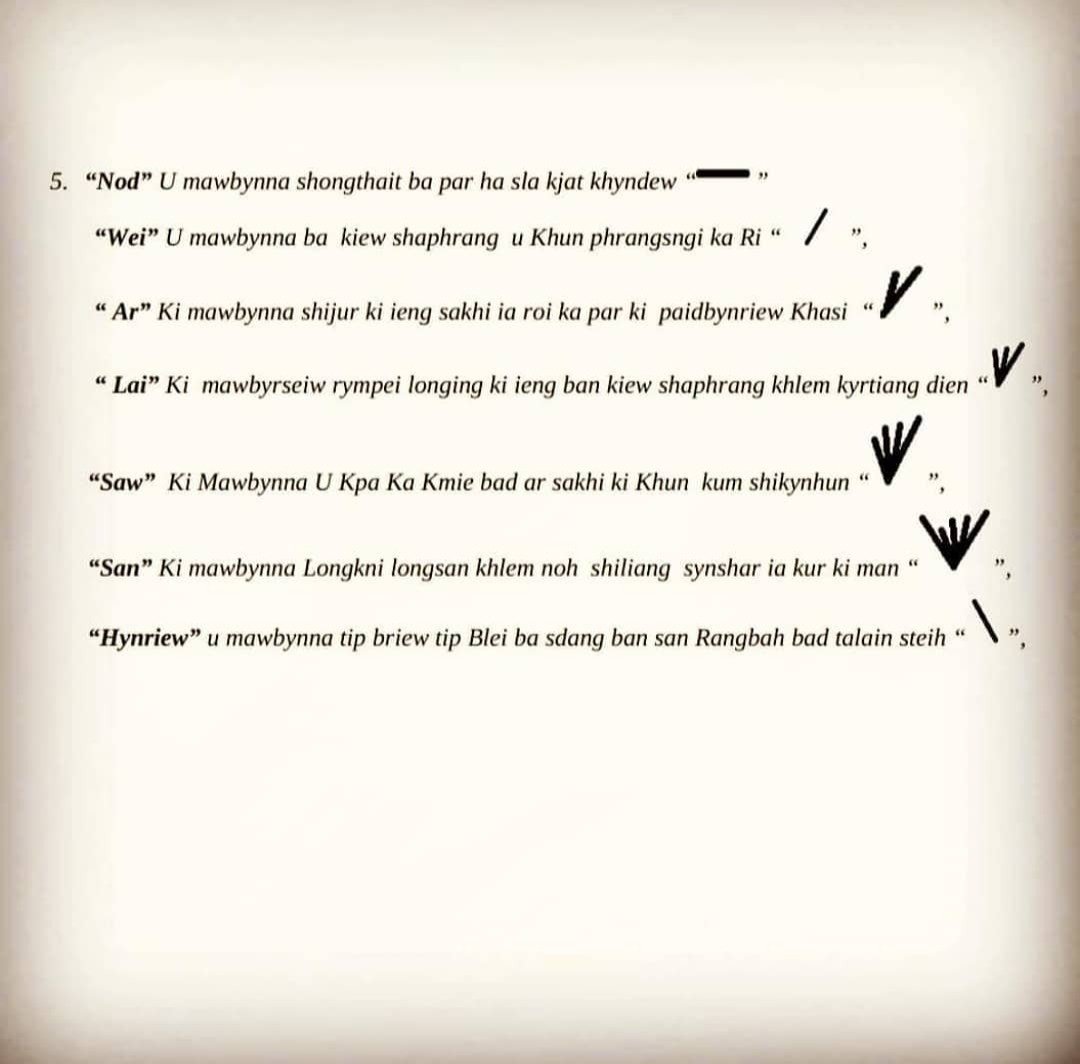
    5. "Nod" U mawbynna shongthait ba par ha sla kjat khyndew

    "Wei" U mawbynna ba kiew shaphrang u Khun phrangsngi ka Ri

    " Ar" Ki mawbynna shijur ki ieng sakhi i-a roi ka par ki paidbynriew Khasi

    " Lai" Ki mawbyrseiw rympei longing ki ieng ban kiew shaphrang khlem kyrtiang dien

    "Saw" Ki Mawbynna U Kpa Ka Kmie bad ar sakhi ki Khun kum shikynhun

    "San" Ki Mawbynna Longkni longsan khlem noh shiliang synshar ia kur ki man

    "Hynriew" u mawbynna tip briew tip Blei ba sdang ban san Rangbah bad talain stieh

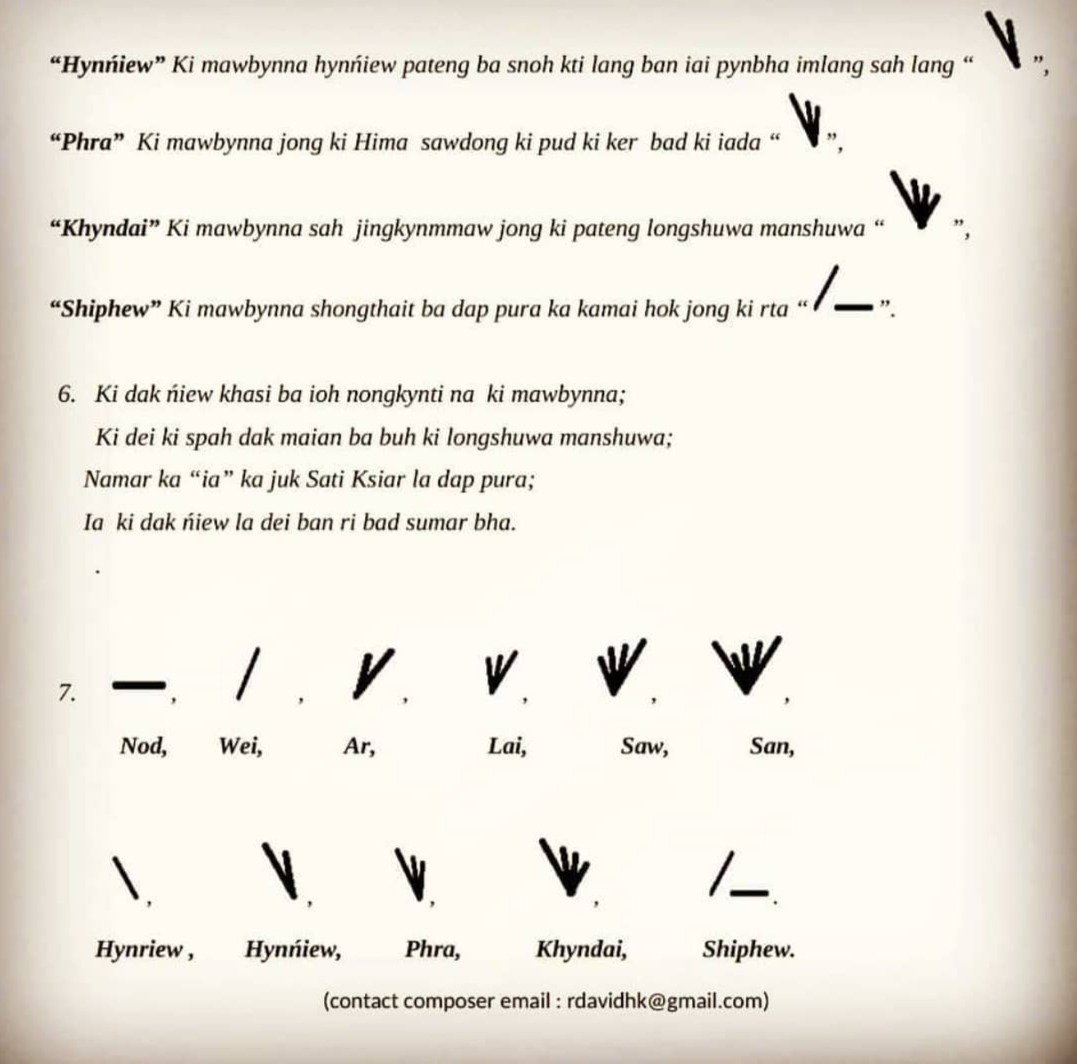
    "Hynñiew" Ki mawbynna hynñiew pateng ba snoh kti lang ban iai pynbha imlang sah lang

    "Phra" Ki mawbynna jong ki Hima sawdong ki pud ki ker bad ki iada

    "Khyndai" Ki mawbynna sah jingkynmmaw jong ki pateng longshuwa manshuwa

    "Shiphew" Ki mawbynna shongthait ba dap pura ka kamai hok jong ki rta

    6. Ki dak ñiew khasi ba ioh nongkynti na ki mawbynna;

    Ki dei ki spah dak maian ba buh ki longshuwa manshuwa;

    Namar ka "ia" ka juk Sati Ksiar la dap pura;

    Ia ki dak ñiew la dei ban ri bad sumar bha.

    "Ki Dak Ñiew Na Mawbynna” by R. D. H. Kharlukhi @davidkharlukhi is an original Khasi poem.

    This beautiful and well-crafted poem brings together Khasi numbers and the different kinds of "mawbynna" (monoliths) that Khasi and Pnar culture possess, to create an ingenious symbolism. It is a significant effort to create an awareness of the deep, inextricable bond between man and nature. Most importantly, the poem highlights the lessons encrypted in nature which many of us do not perceive.

    Thank you to Mr. R. D. H. Kharlukhi @davidkharlukhi for giving the permission to post his poem! This poem is available on amazon.in.

  • “Ki jingbishar na la tnum” da Vancouver Shullai

    Ha la ka tnum nga ïeng bam lyer.

    Nga artatien ïa ka jingkhuid jong ka,

    Haba ym sma shuh kum ka jingai sngewbha ka mariang,

    Hynrei, sma pynban kum ka jyntah sah-miet u paramarjan.

    Hapdeng ki ïing paki-dulan ka Laitumkhrah-

    Khlem dieng, khlem siej, khlem ñiut, khlem ñier:

    Nga 'i tang ki dongmusa u 'riewstad

    Ba phalang blar-blar khlem jingim.

    Kim pynshahshkor ïa ka lyer sah-miet

    Kaba kawut shane-shane, shatai-shatai.

    Ha khrum ka sahit bneng pat,

    Ïa kaba ki khlur ki ksoh

    Bad ki lyoh ki bitnah kum ka dpei jhieh-

    Sngew kumba ka don ka jingïatainia noh-shiliang.

    Ka khyndew ka kyrhuh da la ki kali, ki khiew-siaw, ki 'sew-lamwir,

    La sngew kumba ka khyllew sha ka bneng, "Kham riewspah manga!"

    Ka bneng pat, jai-jai ha la ka jingsngur,

    Ka sammut da ka 'leilieh hangne hangtai.

    Manga, tang kum u nongpeitkai,

    Ïa kata ka jingïatainia noh-shiliang;

    Nga lam biang sha ka jingsma ka jyntah sah-miet.

    Uei mo u ban shet 'tungrymbai hapdeng ka lyïur?

    Original Khasi poem "Ka Jingbishar Na la Tnum" written by @vancouvershullai 📜📜 Thank you for another fantastic entry! 🌌🏠🌩️🌥️

    Vancouver says: "Ki Jingbishar Na La Tnum" (which translates to "Judgements from the Roof") is a poem describing observations of the world around from a rooftop. The tranquillity of the sky and the cacophony of the earth under the sky, are interpreted as a one-sided argument, where the earth is loud and boastful of its disorganisation, while the sky only responds with occasional flickers of lightning, interpreted as indifferent grins. There is a deflection to the smell of Tungrymbai – almost as a surrender to the bigger powers of earth and soil that one could not possibly meddle with. The poem has environmental undertones that is left to the reader to discover and make meaning of."

  • Ko Pyrthei Shongbasa da i Vianney B. Nongrum

    Ko pyrthei shongbasa,

    ngam bynnud iapha.

    Ki riewshetkylla, ki

    riewharam, ki riew khwan

    lalot suda, nga lah i

    ngiah shisha.

    Sa tang ka jingpihuiñ,

    sa tang ka jingbishni,

    shisha la dap da ka jingijli.

    Mynsiem isynei,

    mynsiem ia tiplem,

    lah tyllep khlem

    jingsngewrem.

    Ah, ko jingim ioh pha ong

    ba nga bynnud ia ka pyrthei;

    Em hynrei nga puson ia

    kaei ba nga pynsepei.

    Ban ngan da ioh ban kheit

    ia kiei kiei ba nga lah duh;

    ngan Jin da kmen da jingsahuh.

    -Vianney B. Nongrum

    Original Khasi poem "Ko Pyrthei Shongbasa" by @vi.vianney_nongrum_b 😄😄😄 Thank you for this thought provoking poem!

    The poem talks about the world as a temporary home. How betrayal, ingratitude and selfishness has marred human existence. Compassion and conscience have disappeared. She says to life that she thinks about what is lost; if only she could get them back how happy she would be.

  • “Pa Baieid” da Sambynta kharbuki

    Ko pa ba ieid ko pa ba thiang

    kumno iaphi ngan siew kylliang

    naduh ba mih sha ka pyrthei

    nga dang iohi tang ia i mei

    Balei pa nanga phi jah

    nga duh iaphi na dang khynnah

    ynda mynta iaphi nga wad

    hynrei satang jing jaw ummat

    Ka jingieid na phi nga duh

    namar nga tip ngam lah shem shuh

    mynta nga sah tang bad i mei

    nga im khlem maphi ha pyrthei

    Ko pa phi lah mo ban wan phai

    to peit i mei i tlot i swai

    i trei shitom ah i bapli

    tang na kadaw bym don maphi

    Ha rngai ki jingphohsniew phi don

    mangi arngut mynsiem ngi shon

    I mei bapli bunsien i ong

    tip shuh kein khun kumno gin long

    Ko pa baieid to wan seh pa

    hangne iaphi nga iai pyrta

    hato kopa phi sngew ianga

    balei kumne kein ka wan jia

    Nga peit ki lok kyrhai ba bun

    ha shadem u kpa ki iohthiah hun

    nga pat hangne bad i mei

    i pa la khlad noh na pyrthei

    -Sambynta kharbuki

    Original Khasi poem "Pa Baieid" written by @samsan_yt 💟💟💟 Thank you for sending this personal and touching poem! 🥺🥺🥺

    The poem speaks about the value of a father. Sambynta longs to see his father and wishes he could be with his mother and him. Suffering and trials are known to us all but it is perhaps sharpened more painfully for those without a father. Thank you for having the courage to share this poem! 👏👏👏

  • Mynsiem Katno ka Dap Jingkmen

    Mynsiem katno ka dap Jingkmen

    Ban peit iapha ko Mei mariang

    Hapneh Jongpha Nga heh nga long

    Jingkmen Jong nga hapha ka shong

    Haba nga peit ki lum ki wah

    Ki sim ha Jingsngewbha Ki pah

    Ha Mei mariang Ki kmen Ki Suk

    Pha Ker Pha ri riewspah ne duk

    Ki lum Ki wah wat Ki pyntha

    Baroh ha Jingsumar Jong pha

    Mynsiem ka ban peit ngam ngiah

    Syntiew Ki skud hapha Ki speh

    Ki um ba shngiam ha wah ba tuid

    Rymphum Ki kshaid Ki Noh laitluid

    Sha thwei ba ingum Ki Noh arsut

    Bad Jingsawa naki ka put

    Hynrei phew se kala kylla

    Syllen Ki khlaw Ki ba nylla

    Ki sim Ki doh tiew laiphew jait

    Hangno kin rieh ban ioh shongthait

    Tang Jingjakhlia bad Jingbymman

    Namar Ki riew ieid RI la dam

    Sa tang Ki ing khong shyllangmat

    Ban ioh pynjot Ki sngew tynnad

    Kim salia i'u ksuid i'u khrei

    Kim don ka Jing pyrkhat eiei

    Tang ban heh la u Saipan

    Ki thom wat ia u briew u blei

    Kim don Jingmap para Maki

    Wat ban iarap Ki ia kli kti

    Tang ban biang ka malade

    Ki tla bunsien ki pynthame

    Shaei kein ka Jingtiplem

    Ban iarap i'u biej i'u them

    La jyrsieh tang a Jing sniew

    Ka bih ha shyllangmat la kiew

    Ka Mei mariang bapli ka iam

    Namar bynriew u la Leh tam

    Marwei Katno ka pait dohnud

    Hala mynsiem marwei ka ud

    Mynta ka shong ha nga ha phi

    Ban thaw thymmai iala ka ri

    Wat shong jai pdeh ha la ka dpei

    Lada phi pyrkhat ia ka kawei

    Original Khasi poem "Mynsiem Katno ka Dap Jingkmen" written by @samsan_yt

    Thank you for this poem which has a lot to teach us! 🌲🏞️🌬️🌤️🌄

    The poem portrays the beauty of Nature and the environment. The bountiful resources that exist in it but are shamelessly exploited by man. We all know this story. We have heard this a million times! Do we really care about what is happening to the environment? Will we be able to survive if its degradation continues? The poem concludes with the fact that it depends on us to help Nature regain her true value and strength, which will in turn enrich human existence.

  • Stories by Badondor Diengdoh

    Stories

    A fly on the wall–still,

    dead, curious, alive; listening

    as a story fades; pieces

    of a tale absorbed by the

    turmeric stained jainkyrshah, only

    to be washed away.

    A fly on the wall flies

    with yearning; flying

    behind a story that rises

    with smoke from

    the rooster's feathers. Smoke

    paints the air, drenching

    it with rays of unfaithful peacocks

    and stubborn stags. Air

    now memory, colour and scent,

    swallowed by cicadas who vibrate

    hymns of faithful clothespins

    like weary red strings. But

    can a story fade or

    does it fly to find other stories to

    listen

    smile

    laugh

    cry? Like

    people, stories too can

    meet in jadoh stalls and pata. Some

    stories like winter,

    melt with butter in a steel bowl

    on restless charcoal. Some

    stories bigger than most, like

    the diengiei cast

    a

    shadow

    over

    others. Some

    stories lose their way

    to fall back as dew on

    windshields of new lovers

    and starving drivers. Some

    stories like an eclipse

    turn daylight into night,

    staying longer than a candidate

    who visits you for votes. Some

    stories too painful, as

    other sensitive stories flee like

    the tiger upon licking the

    blade of an axe. Some

    stories fold themselves into

    a grocery list of mother slipping

    into pockets of

    absent-minded fabric. Some

    stories unheard but

    familiar as the taste

    of tungtap: formless

    and edgeless, though bites

    like cold mountain spring,

    cuts through rock,

    dampens a matchbox–to

    then trickle down into the

    stillness of a well, only

    to be washed away

    as smoke meets water.

    -Badondor Diengdoh

    Original poem "Stories" by @a_pocketful_of_plums 🔥🔥🔥 Thank you so much for sending this poem! 💚💚💚

    This is a moving and beautiful poem. The evocative style paints layered Khasi cultural allusions like the peacock who abandoned the sun for a garden of mustard flowers and Sier Lapalang. Words, language, stories gain a body in a tribute to our oral tradition, where a story transcends time and space because it is constantly moulded by the one who tells it. The poem exhorts the power of the spoken word. It is a testament to the persistence of Khasi collective consciousness as smoke and water rise from the hearth.

  • “Peit Cheitai Cheitu” da Saweini Laloo

    Dang step dang step, chong u woh Ephrin

    Ha ka ben kawa rong soo

    Ka kot khubor ha kti beit, hajan

    Peit u cheitu, peit u cheitai

    Man da dep pure u

    Te chong u chi slem

    Peit u ia ki bru

    Wa lai cheitai cheitu

    Oh Papun o! Oh Papun o!

    Khana ia nga yi ioo phi cheitai?

    Ki jingmut u ioosar cha jngai

    Ham kylli jingkylli ware o ksu

    Peit cheitai, peit cheitu

    Wa lai ki kari wa ki bru

    Dang step, dang step, chong u woh wa ka ksu u

    Ha ka ben kawa rong blue

    Ka kot khubor ha kti ïong o

    Peit ki waroh arngut cheitai, cheitu.

    Original Pnar poem: "Peit Cheitai Cheitu" by @nini_sasa_23 😄😄 Thank you for the poem!

    This is a quaint and evocative poem about her "Papun" (grandfather) reading his newspaper in the veranda and then spending hours observing and ruminating on passersby and cars. 🌻🌻💞💞