Tag: khasiliterature

  • “Naiwieng” by Badondor Diengdoh

    Naiwieng

    Ka jngum thylli U Naiwieng

    nalor suiñbneng

    ka pyrshang ban kjit noh ïa ka

    kyrteng jong phi napoh

    shadem jong nga.

    Ka lah mo ban ban leh kumta-

    lehse ka bishni ne?

    Haba hangne nga lah ngam

    naduh ryndang

    shaduh shiteng sla khyndew,

    ban poi sha kliar slakjat

    ka mynsiem jong phi.

    Teng teng haba nga per

    harud ka um,

    bad par hapoh ki syrngiew maw

    kum ka tyngab ba shah dung

    da u ñiuhkseh, ban leit phai noh

    sha la skum bad ka jingkletnoh;

    bad 'la u ksaiñ ha shyntur-

    nga khie biang pat ryngkat

    bad ki jingkynmaw.

    Sngew tieng haba wat ka um

    ka kjit ïa ki jingmut thwei.

    Sngew par ñiangkhriat

    haba teng teng wat u rnga u

    sah ïong, u sah bthi-

    tangba ka kamra ka syaid

    bad ka rhem tang da ka um.

    Sngew thylli

    ban dei u briew,

    ban dei u mrad,

    ban dei u jingthaw

    uba long kum u maw

    hapoh krem;

    ban shah pruid dak

    hapdeng bad hapoh ka dum-

    wat la tang hapoh san

    ne shiphew kam,

    ka syaid bad ba shai

    ka pynsmiej ia nga.

    Ban klet noh te ka suk,

    lada don ki jingpynbyrngia:

    ka ding ka phalang ïa ka

    lawei kaba khlem urlong;

    ka mat bam duh shi syndon-

    teng teng ka ding ka

    hap ban bam,

    khnang ba kan ïai

    im harud ka um.

    Ban klet noh ruh ka jynjar,

    lada ka jingkynjah jong ka miet

    ka lynñiar lyngba ki khlur

    kiba phi ju kdew bad pyni ïa nga

    ha ki por ba dang dei u briew

    uba dap tang da ka jingkmen suda.

    – Badondor Diengdoh

    Mynta ka taïew ngi kynmaw ïa ka lyngkhuh sngi ïap jong u myllung ba radbah ka ri Khasi u Soso Tham ha ka 18 tarik u Nohprah 1940, da kaba ngin post ïa ki poitri ba lah noh synniang da ki paralok followers jong ngi. ✒️📃✏️

    Ai ba ka jingshem mynsiem, ka jingshemphang bad ka jingieit ri jong u myllung Soso Tham, kan long ruh ka jingïohkynti jong ngi ka ban pynkhlaiñ ïa ngi kum ka jaitbynriew. 🌄🏞️

    This week we commemorate the death anniversary of Khasi Poet Laureate U Soso Tham, on the 18th of December 1940, by posting poetry that has been generously contributed by our dearest followers. ✏️📃✒️

    May the inspiration, conviction, wisdom and love for the Khasi land and people of the poet U Soso Tham be our inheritance that strengthens us as a community. 🌄🏞️

    Today we have an original Khasi poem entitled " 'Naiwieng" by Badondor Diengdoh @a_pocketful_of_plums
    Khublei Shibun for sending your beautiful poem! 😄😄

    @a_pocketful_of_plums says: "A great poem will reel you into its world and capture your imagination…Poetry needs to be read and absorbed. Most poems need to be read many times. A finished poem is always half finished. It only becomes complete with the interpretation of the reader…Ultimately, I hope to write poetry for the individual, for identity and for the community…"

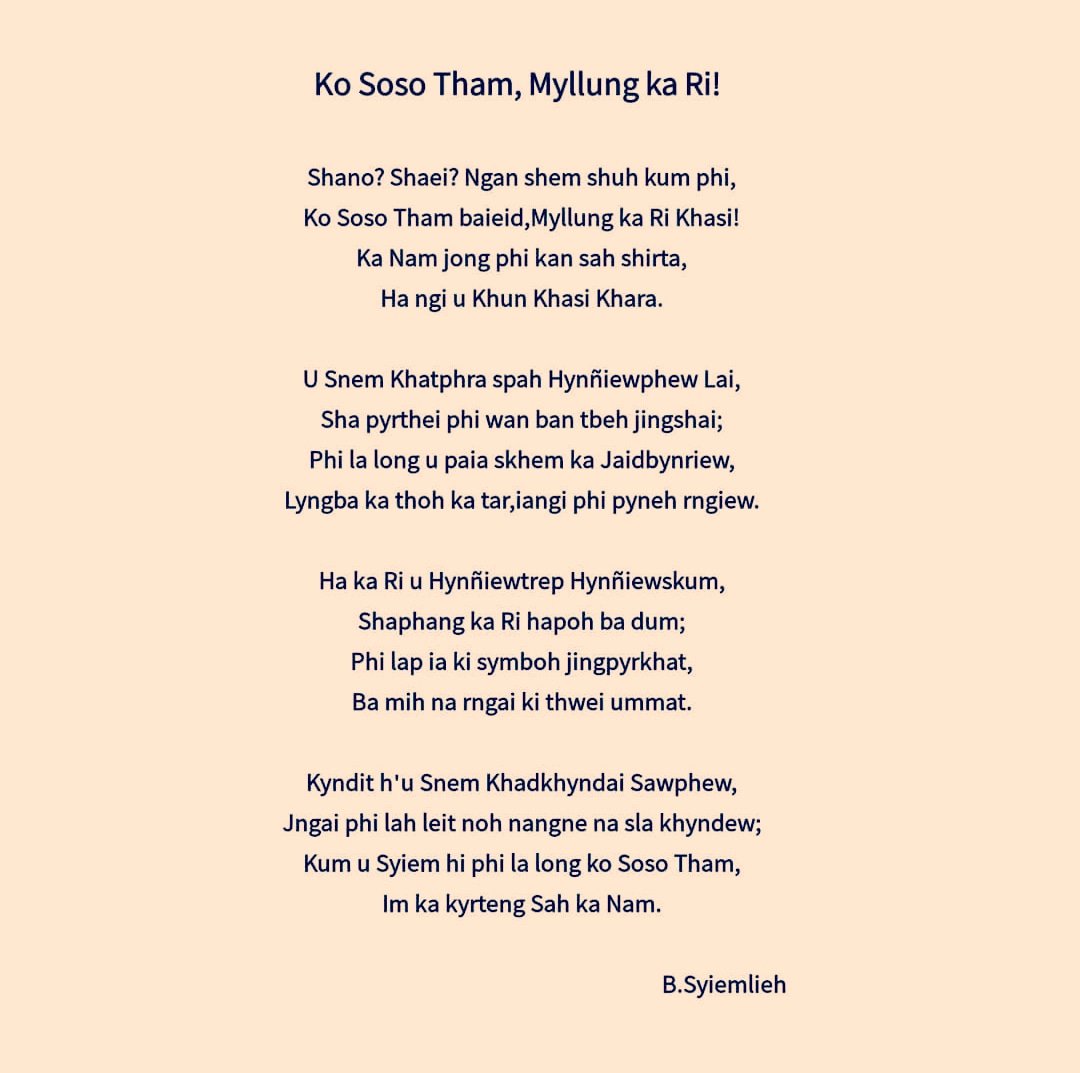
  • Ko Soso Tham, Myllung Ka Ri! da i Bawanshwa Syiemlieh

    Ko Soso Tham, Myllung ka Ri!

    Shano? Shaei? Ngan shem shuh kum phi,

    Ko Soso Tham baieid, Myllung ka Ri Khasi!

    Ka Nam jong phi kan sah shirta,

    ha ngi u Khun Khasi Khara.

    U Snem Khatphra spah Hynñiewphew Lai,

    Sha pyrthei phi wan ban tbeh jingshai;

    Phi la long u païa shlem ka Jaidbynriew

    Lyngba ka thoh ka tar, iangi phi pyneh rngiew.

    Ha ka ri u Hynñiewtrep Hynñiewskum

    Shaphang ka Ri hapoh ba dum;

    Phi lap ïa ki symboh jingpyrkhat,

    Ba mih na rngai ki thwei ummat.

    Kyndit h'u Snem Khadkhyndai Sawphew,

    Jngai phi lah leit noh nangne na sla khyndew;

    kum u Syiem hi phi la long ko Soso Tham,

    Im ka kyrteng sah ka nam.

    – Bawanshwa Syiemlieh

    Mynta ka taïew ngin kynmaw ïa ka lyngkhuh sngi ïap jong u myllung ba radbah ka ri Khasi u Soso Tham ha ka 18 tarik u Nohprah 1940, da kaba ngin post ïa ki poitri ba lah noh synñiang da ki paralok followers jong ngi. ✏️✒️🙏

    Ai ba ka jingshem mynsiem, ka jingshemphang bad ka jingieit ri jong u myllung Soso Tham, kan long ruh ka jingïohkynti jong ngi ka ban pynkhlaiñ ïa ngi kum ka jaitbynriew. 🏞️🌄

    This week we commemorate the death anniversary of Khasi Poet Laureate U Soso Tham, on the 18th of December 1940, by posting poetry that has been generously contributed by our dearest followers. ✒️✏️🙏

    May the inspiration, conviction, wisdom and love for the Khasi land and people of the poet U Soso Tham be our inheritance that strengthens us as a community. 🏞️🌄

    We kick off this week's poetry with an original Khasi poem entitled "Ko Soso Tham, Myllung Ka Ri!" written by @bawanshwa_syiemlieh
    Khublei Shibun for sending this heartfelt poem! 😄😄🙏🙏

    @bawanshwa_syiemlieh says: "Ka jingthrang ka jong nga ka long ban kyrsiew ïa la ki para Khasi ki jong ngi ba kin ieid ïa kaei kaba dei ka jong lajong shuwa."

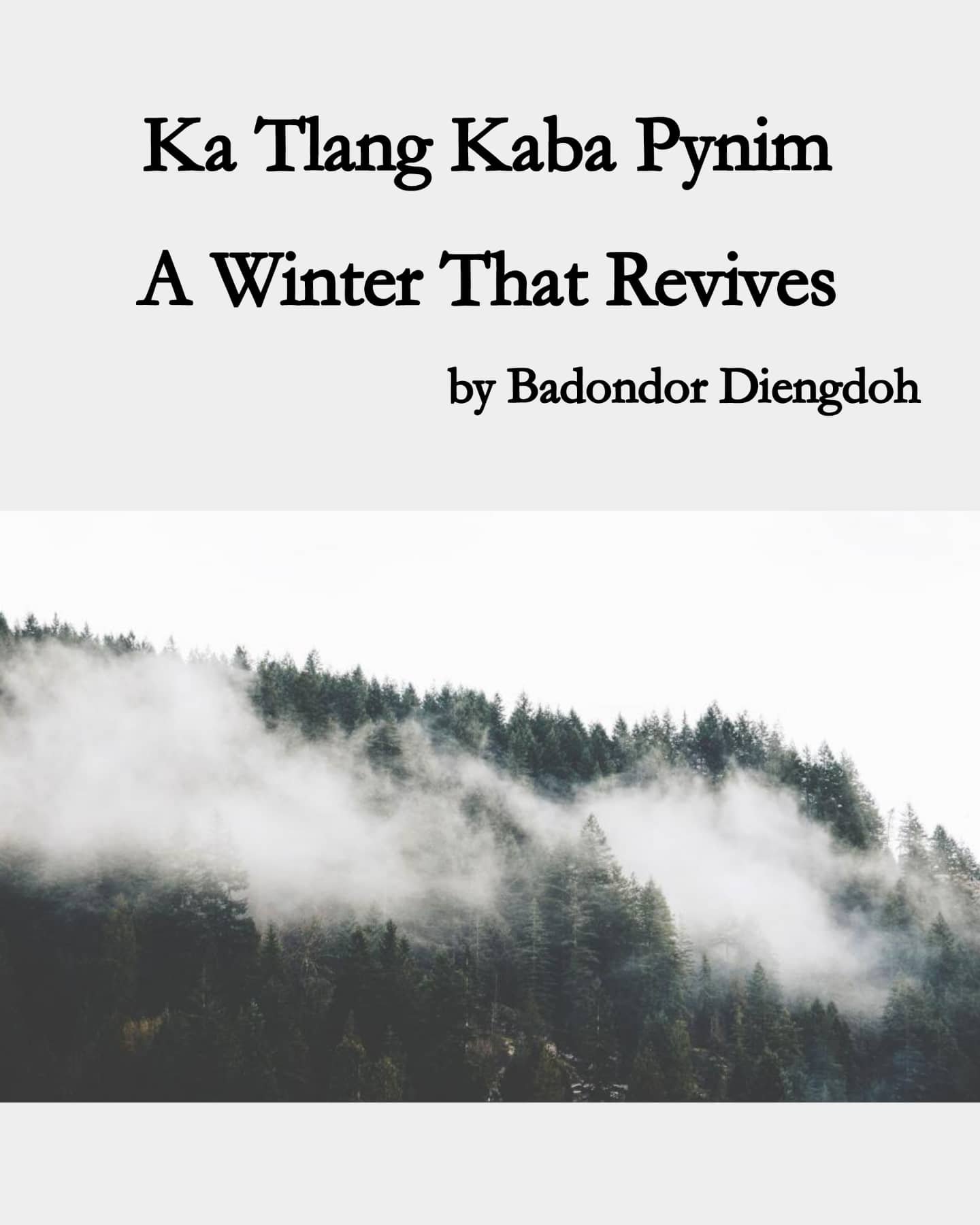
  • Ka Tlang Kaba Pynim (A Winter That Revives) by Badondor Diengdoh

    U briew, u symbai, u jingthung,

    da u lah tynneng palat,

    u jynrat hi naduh tyllong

    dalade ïalade.

    Nga ïohi ia u lyoh khyndew

    u ba ju ïai wan sop ïa ka

    longrynïeng jong nga

    bad man ba u leit phai pat,

    u shim noh shi dkhotmet

    na ka syrngiew jong nga.

    Haba ka tlang ka la sdang ban

    wan siaw na sha lyndet ki kynroh,

    da kaba sem artat da ki lai rong

    jong u sohmynken khnai-

    Hangta keiñ ngan sa ïohi

    biang ïa ka dur

    briew jong ki sur bad ki khana

    kiba ju ïai ksaid ban im,

    ynda ki mih biang pat

    na ka met jong ki

    'riewhyndai kum ka jynhaw.

    Haba u 'sai ka duitara u

    sdang ban slor-

    hato ngi bujli bad kylliang ïa u

    da ki sur nongwei?

    -Badondor Diengdoh

    A man, a seed, a plant,

    in desperation to ape others,

    uproots his own self from

    the source.

    I watch the mist

    who always arrives to cloak

    my being,

    and every time it departs

    it carries away a part of my body

    from my shadow.

    When winter starts to whistle

    from beyond the walls

    dressed in the

    three colours of u sohmynken khnai

    It is there that I see once again

    the human face

    of songs and stories

    who struggle to remain alive,

    when they rise from

    the body of ancestors like vapour.

    When the thread of the duitara

    begins to wither-

    do we change and replace it

    with foreign songs?

    -translated by Daiarisa Rumnong

    "Ka Tlang Kaba Pynim ("A Winter That Revives") is an original Khasi poem by Badondor Diengdoh.

    When winter arrives will we understand the change it brings? Will we return to what rooted us since the beginning? The poem is an evocative response emerging from a depth of experience. Khublei Shibun for sending your poem!

  • Jngai na pyrthei da i Bhu Ianz

    JNGAI NA PYRTHEI KHLEM JINGKHUSLAI – NGAN SUH BEIT

    WIAW SHABA NGEN U BNAI

    KHLEM ARTATIEN NE JINGPYRWA – LA STANG NE RBEN KA PLA

    BAN LAIT NA JINGTYRHA MYNSIEM – HA PNEH RAM-EW AI

    NGAN SUHSIENG

    KHOP KHOP HA LA JINGLONG SHI SUR – NGAI LYNGNGAI HA

    JINGMUTDUR

    NGAN KLET LUT KHOIT IA SPAH BAD PHEW – TANG

    JINGKYNMAW BA NGAN KYNSHEW

    JNGAI NA BAROH RUH NGAM SNGEWPHER – JINGDIAW NGAN

    PIAM HA LA KI SNER

    LAIT TANG JINGMUT HA SUIÑ BAN PER – SET SLUNG LADE

    SHA KI HAJAR MER

    "Jngai na pyrthei" an original Khasi poem by @bhu_ianz ✒️📃 Thank you for the poem! 🙏

    The poem expresses a brave yearning for an escape and a freedom from the human world ☀️🌙💫

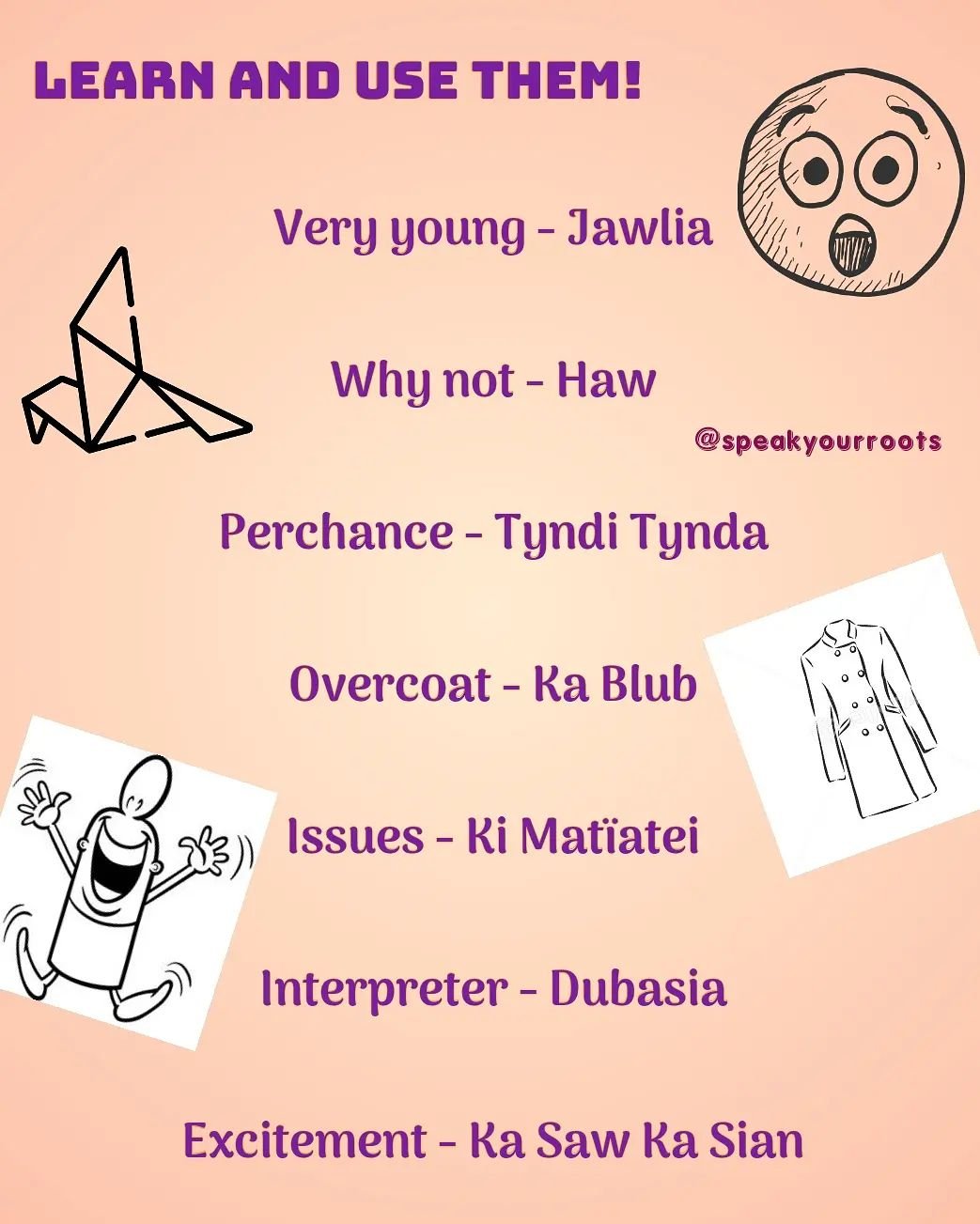
  • Another list of Khasi words

    Very young – Jawlia

    Why not – Haw

    Perchance – Tyndi Tynda

    Overcoat – Ka Blub

    Issues – Ki Matiïatei

    Interpreter – Dubasia

    Excitement – Ka Saw Ka Sian

    Another list of Khasi words that we can start using again so they become part of everyday speech 😀😀

    🟡 Source – Ka Dienshonhi: The Khasi Encyclopaedic Dictionary by Rev. Dr. Ïarington Kharkongor

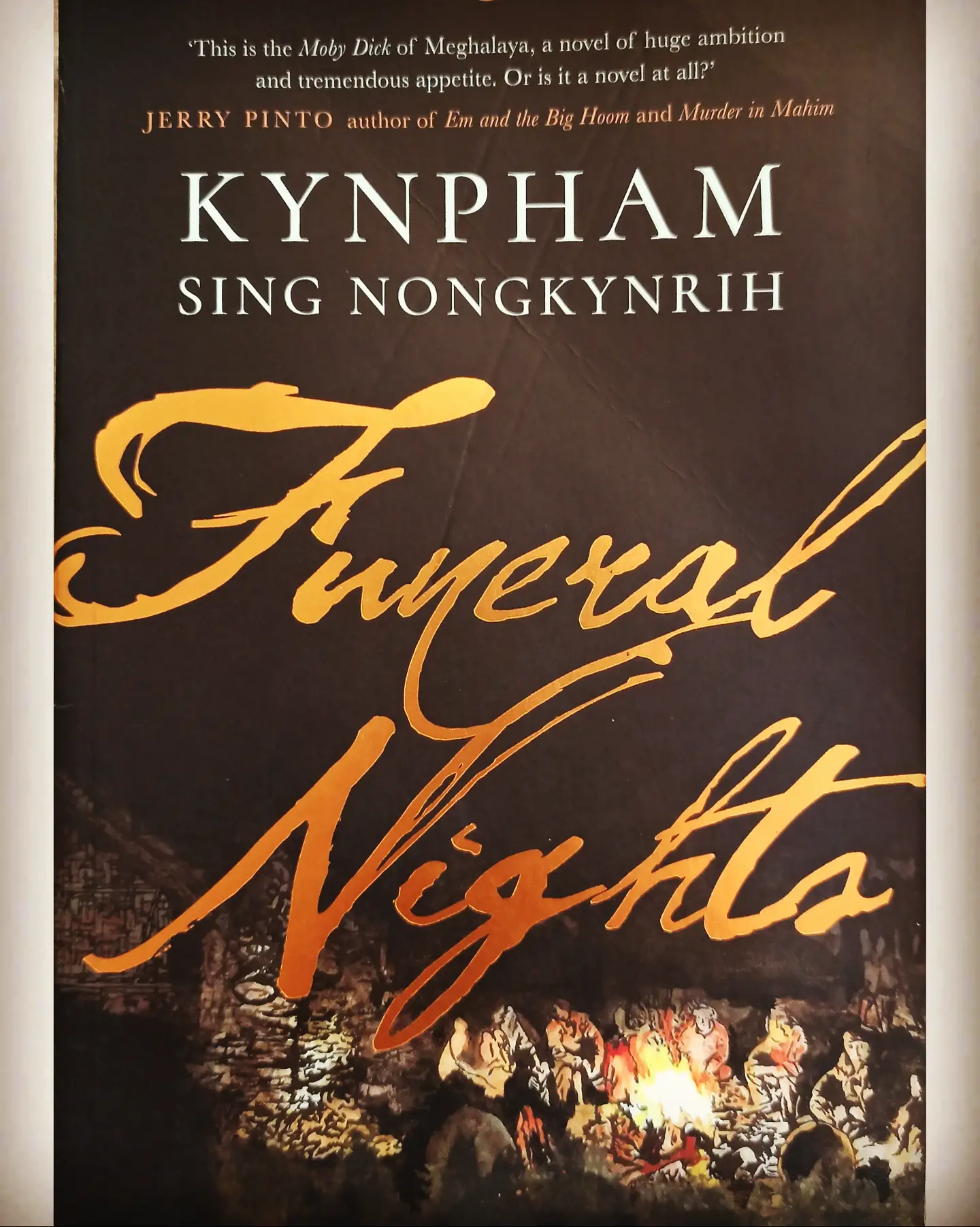
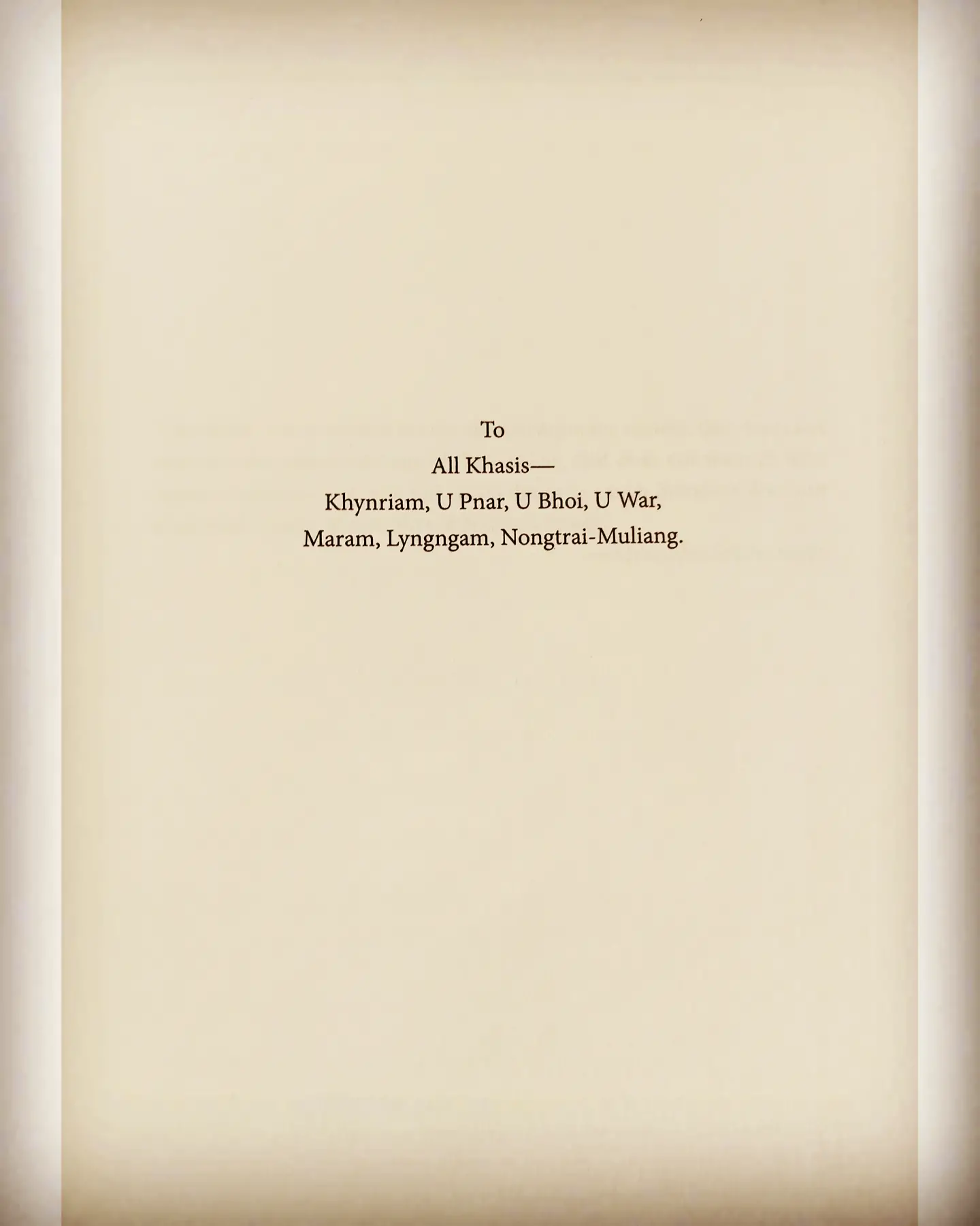
  • “Funeral Nights” by Kynpham Sing Nongkynrih

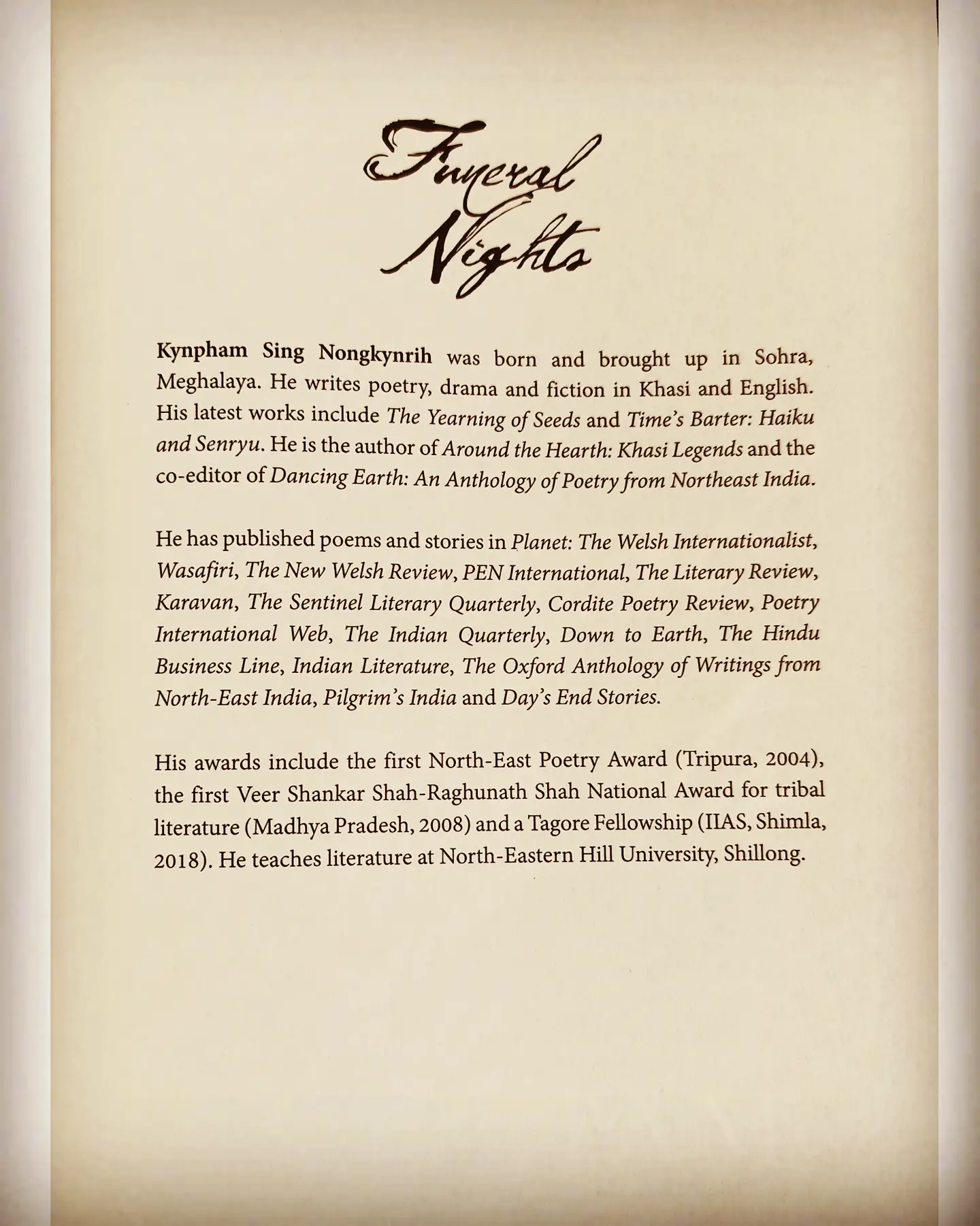
    Funeral Nights by Kynpham Sing Nongkynrih has been receiving wonderful reviews by writers as well as readers 😀😀

    The book is based on "Ka Phor Sorat" which is a funeral ceremony which was performed in the village of Nongshyrkon. We are so excited to read this book! It is available on amazon.in

    Dr. Kynpham Sing Nongkynrih is currently a Professor in the Department of English, North-Eastern Hill University, Shillong.

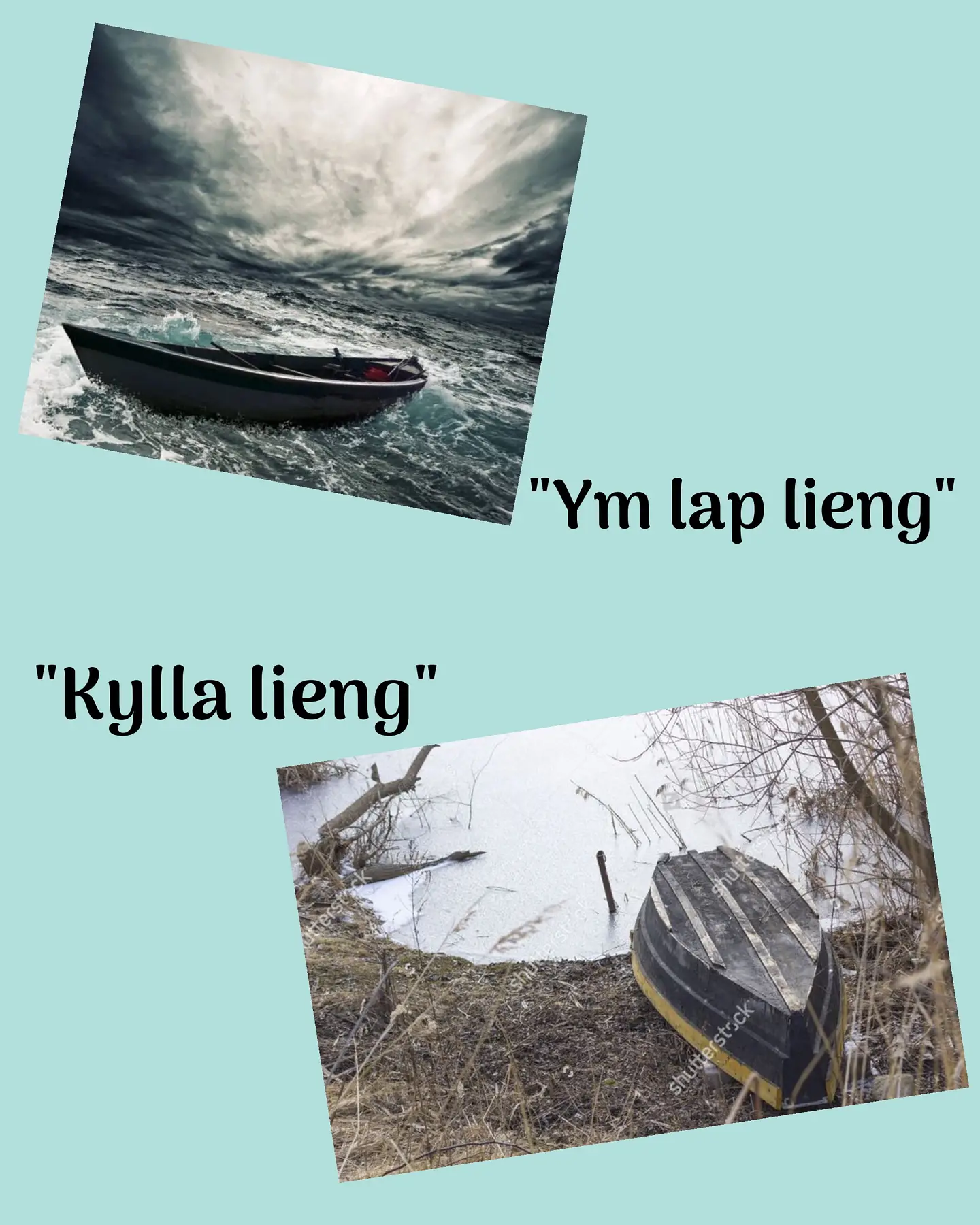
  • Ym lap lieng and Kylla lieng

    Kylla lieng

    Ka jingong "kylla lieng" ka thew ïa ka jingwan shoh tyndep ka pyrthei nemsniew ban pynduk pynshitom ïa u ba don ba em. Ka dei ruh ka jingkylla khongpong ka jingim na ka im suk im saiñ sha ka kordit tam. Shuh shuh, kine ki kyntien ki batai ïa ka jingshah lynshop ha ka jingsniew bok, ba wan ban ka jingpang jingshitom haduh ba u briew um lah bteng shuh ïa ka kam ba u la pyrshang.

    The Khasi phrase "kylla lieng" is the harrowing arrival of famine or an epidemic causing suffering and poverty for even those who are well-to-do. The phrase also refers to the reversal or the turning upside down of an easy life to calamity and ruin. Further, the words also mean to be wracked by bad luck, that is caused by illness to the point that a person cannot continue with his work.

    Ym lap lieng

    Ka jingong "ym lap lieng" ka batai ïa ka jingkyrkieh kum bym don por ne lap briew shuh. Ka kren ruh ïa ka jingsheptieng ba ïoh shah iehnoh bym lap kem shuh ïa ka lieng.

    The Khasi phrase "ym lap lieng" is to be in so much haste that we are out of time or we cannot find the people we need to meet. The phrase also talks about the fear that one experiences in case they don't arrive on time to reach the boat.

    "Ym lap lieng" and "Kylla lieng" are two Khasi idioms using a boat as the metaphor ⛵🚤🛥️

    🟡 Sources: Rev. Dr. Ïarington Kharkongor and by Primrose G. Gatphoh.

    English translation by @speakyourroots

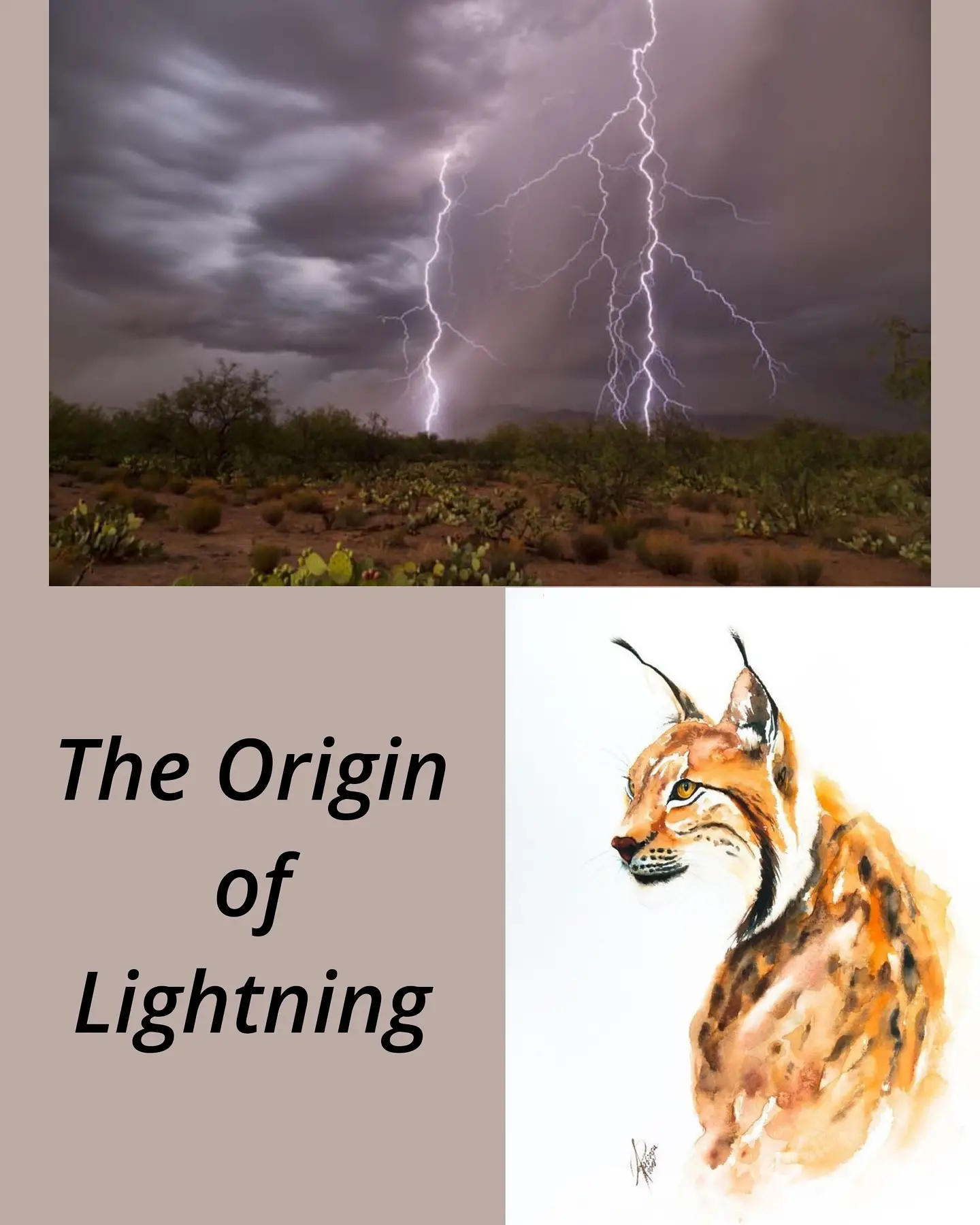
  • The Origin of Lightning

    Mynhyndai eh, mynba ki sim-ki-doh, ki khniang ki puit, ki mrad ki mreng baroh ki dang ïakren bad ïasngewthuh kawei ka ktien, la don ka hima-bah jong u laiphew mrad laiphew mreng baroh. Baroh ki ïashong ïa-im ha ka suk ka saiñ, ka jingïaieid ïabha bad ki ïaleit ïawan ruh ryngkat. Kim tip kata ka ïashun ïapen, ka ïakajia majia, ka ïadait ka ïapyniap para ki hi.

    Ha kawei ka sngi, u Shakyllia, u Diengkhied bad u Risang haba ki dang ïa ïaid knmih shnong khmih thaw, ki wan poi hajan kawei ka lympung, ha kaba u khun bynriew u ïashad ïamastieh shisien shisnem. Kine baroh lai ki la sngew shohmynsiem ïa kata ka leh u bynriew bad ki la ïapyrkhat ba kan long kaba sngewbha bad itynnat lada kin lah ban pynlong kum kata hapdeng u laiphew mrad baroh. Kumta haba ki la leit phai, u Diengkhied bad la ka shaw-shaw, u Shakyllia bad la ka tangmuri, u Risang bad la ka ksing, ki la ïaput ïatem haduh ba la sawa ka khlaw baroh kawei.

    Kane ka tem ka put basngewtynnad, ka la pynkhih ïa u laiphew mrad baroh ban wan ïapeit bad ïasngapkai. Katto katne na ki, ki la ïaong ba haba ki la don ki nongput nongtem kiba kum kita, balei ba kim lah ban pynlong sa ka shad ka kmen, kumba leh lem u bynriew?

    Kumta ki la ïabuh ïa uwei uba kham-nang kham tip ka talat kam shane shatai, bad uba kham tbit ruh ha ki kam sngewbha. Une u long u Pyrthat. Ma u pat, ban leit pyntip ïa ka hima sima baroh kawei ban long kum kata ka phur ka siang, u la shna kawei ka nakra kaba lah ban ïohsngew shaduh jngai bah, bad u la tied da kata kyndung shi kyndung bad step bad sngi. Ynda kata ka ïa ka la poi, u laiphew mrad phew mreng baroh u la ïawan poi ha ka lympung kaba la khreh lypa hangta ha khlaw. Baroh ki la ïa riam ïa beit da ki kup-ki-sem tyngkai, ki ïarkhie bad iphuhmat.

    Ka Shrieh ka la pynsad pynkhyllong bha ïa la ki khun bad ka la rkhie phuhmut phuhmat haduh ba ka dam sa ka khmut ka khmat. U Sñiang ruh u la sum la sleh jriang bad u la ïaid wiat-samrkhie haduh ba la ang shynded sa ka khmut, kum ka shata. Ka Dkhoh ka la sad la khyllong bha, bad ka la nap tang ka peit ït haduh ban da plaid ki irmat bad byrie. Bad u Dkhan pat uba la rkhie ïap-ang ïap-ler ïa ka, u la dam la rit sa ki khmat. U 'Labasa bad u 'La-thapsim, ki la sei da ki khor ki khriam bad ki la kup la deng baroh shirynïeng.

    Te, haba la sdang ka put ka tem, ka ksing, ka tangmuri, ka lympung ka la shit ir. Ka kmen ka risa kum kata ym pat ju don. Ha kata ka por la wan pol u Kui, u phong u kup da ka khor ka khriam khyrwang, kaba phyrnai na khlieh ha kjat bad u la rah ruh la ka waitlam rupa kaba u la phah shna khnang na ka bynta ka shad ka kmen. Tang shu poi tiap ha lympung, u mastieh ir, u pynshad wait sha kadiang bad sha kamon haduh ba u paid peitkai u la shoh biej thiaw bad u ïarisa shaw shi shaw. U Kui pat u la sngewsarong sngewmeng haduh bym lah ong shuh.

    Haba la shong thait u Kui, u Pyrthat u la ïapankai ïa ka wait jong u ba un khalai kai shipor. U Kui u la sngewbynnud ban ai, ïoh u Pyrthat un shad kham bha ban ïa u bad ïoh baroh kin ïaroh. Kumta u la kren da rapjot da kumne kumtai, hynrei um banse ban ai, haba baroh baroh ki ban ia u ba u dei ban ai, namar ka jingheh jingkhraw jong kata ka shad ka kmen ka long na ka jingtrei shitom jong u Pyrthat. Te u Pyrthat, u tang shu ïoh ïa kata ka wait, u king-u-mastieh, haduh ba la i biria hi khait. Baroh ki la ïarisa bad ïaroh ia u.

    Hynrei hapdeng kata ka jingïarisa, u Pyrthat u tied u talaiñ shane shatai ïa kata ka wait haduh ba u laiphew mrad baroh bad baheh bad barit u la sheptieng ym don pyrthei shuh bad u ïaphet sakma. Hapdeng kane ka jingkulmar, u Pyrthat, u kiew de soit sha sahit bneng, u rah jyndat bad ksing bad wait. U Kui u la sngewsih shibun ba u la duh noh ïa la ka wait, bad u ïai pyrshang ban ïoh kiew sha sahit ban ïoh knieh biang na u Pyrthat uba la shukor ïa u.

    Naduh kata, sa mih ka jingïashun ïabitar hapdeng u laiphew mrad baroh.

    In the early days of the world, when the animals fraternised with mankind, they tried to emulate the manners and customs of men, and they spoke their language. Mankind held a great festival every thirteen moons, where the strongest men and the handsomest youths danced “sword dances” and contested in archery and other noble games, such as befitted their race and their tribe as men of the Hills and the Forests—the oldest and the noblest of all the tribes.

    The animals used to attend these festivals and enjoyed watching the games and the dances. Some of the younger and more enterprising among them even clamoured for a similar carnival for the animals, to which, after a time, the elders agreed; so it was decided that the animals should appoint a day to hold a great feast.

    After a period of practising dances and learning games, U Pyrthat, the thunder giant, was sent out with his big drum to summon all the world to the festival. The drum of U Pyrthat was the biggest and the loudest of all drums, and could be heard from the most remote corner of the forest; consequently a very large multitude came together, such as had never before been seen at any festival.

    The animals were all very smartly arrayed, each one after his or her own taste and fashion, and each one carrying some weapon of warfare or a musical instrument, according to the part he intended to play in the festival. There was much amusement when the squirrel came up, beating on a little drum as he marched; in his wake came the little bird Shakyllia, playing on a flute, followed by the porcupine marching to the rhythm of a pair of small cymbals.

    When the merriment was at its height U Kui, the lynx, arrived on the scene, displaying a very handsome silver sword which he had procured at great expense to make a show at the festival. When he began to dance and to brandish the silver sword, everybody applauded. He really danced very gracefully, but so much approbation turned his head, and he became very uplifted, and began to think himself better than all his neighbours. Just then U Pyrthat, the thunder giant, happened to look round, and he saw the performance of the lynx and admired the beauty of the silver sword, and he asked to have the handling of it for a short time, as a favour, saying that he would like to dance a little, but had brought no instrument except his big drum. This was not at all to U Kui's liking, for he did not want any one but himself to handle his fine weapon; but all the animals began to shout as if with one voice, saying “Shame!” for showing such discourtesy to a guest, and especially to the guest by whose kindly offices the assembly had been summoned together; so U Kui was driven to yield up his silver sword.

    As soon as U Pyrthat got possession of the sword he began to wield it with such rapidity and force that it flashed like leaping flame, till all eyes were dazzled almost to blindness, and at the same time he started to beat on his big drum with such violence that the earth shook and trembled and the animals fled in terror to hide in the jungle. During the confusion U Pyrthat leaped to the sky, taking the lynx’s silver sword with him. U Kui was very disconsolate, and has never grown reconciled to his loss. It is said of him that he has never wandered far from home since then, in order to live near a mound he is trying to raise, which he hopes will one day reach the sky. He hopes to climb to the top of it, to overtake the giant U Pyrthat, and to seize once more his silver sword.

    The Khasi folktale about the origin of lightning has for its protagonists the animals of the forest participating in a dance that would change their lives. The Khasi and English versions that have been used here have been abridged from Ki Khanatang u Barim by H. Elias, S.D.B and Folktales of the Khasis by Mrs. Rafy.

  • Ka Phan Nonglait by Tony Slong

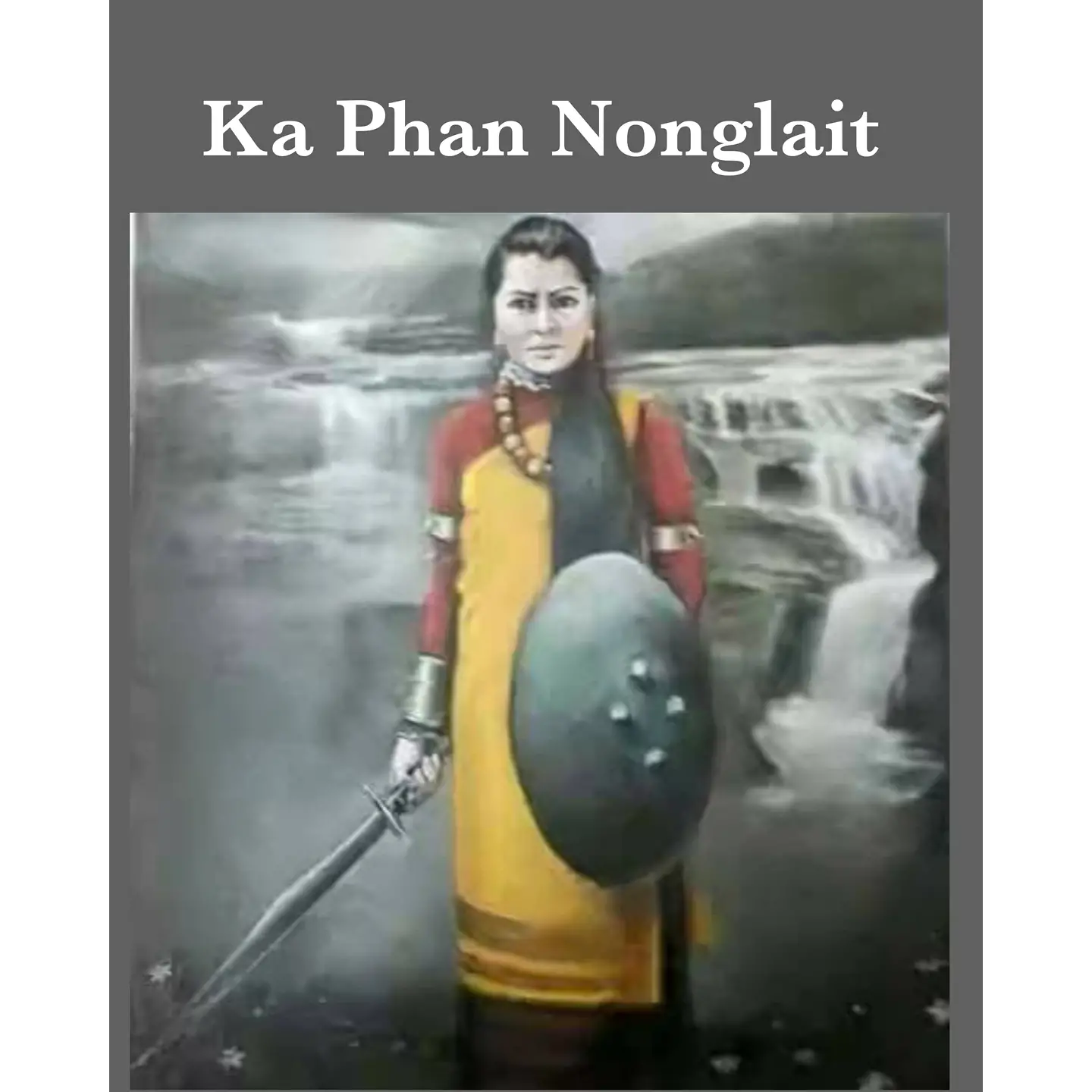
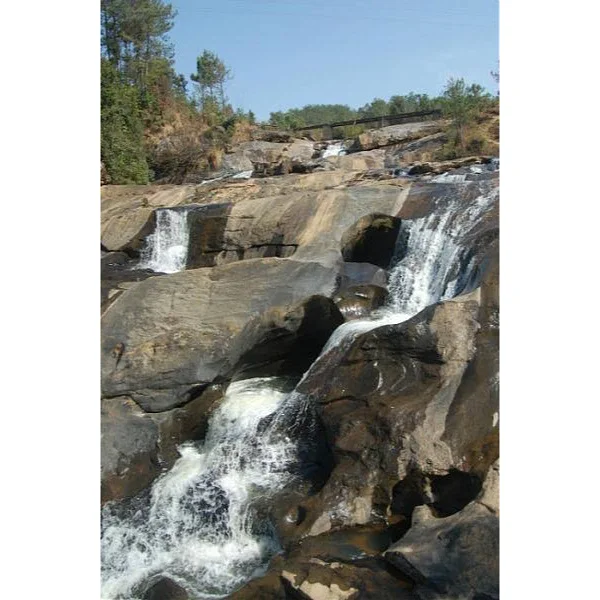
    Ka Phan Nonglait is one of the Khasi women freedom fighters and is considered one of the bravest women of that time. Most women were either raped, molested or ill-treated by the British soldiers. This made Ka Phan Nonglait and some women from Hima Khatsawphra to take matters into their own hands with the help of Mon Bhut. With his help Ka Phan Nonglait was able to trap the British soldiers by offering them alcohol. When they were inebriated, she took all the weapons of the soldiers and threw them into one of the rock holes in the Nongrmai falls (now known as Phan Nonglait Falls). Due to this act, she is remembered in the stories that have been retold for generations. Then U Mon Bhut along with other soldiers killed 32 British soldiers. This was in the year 1829.

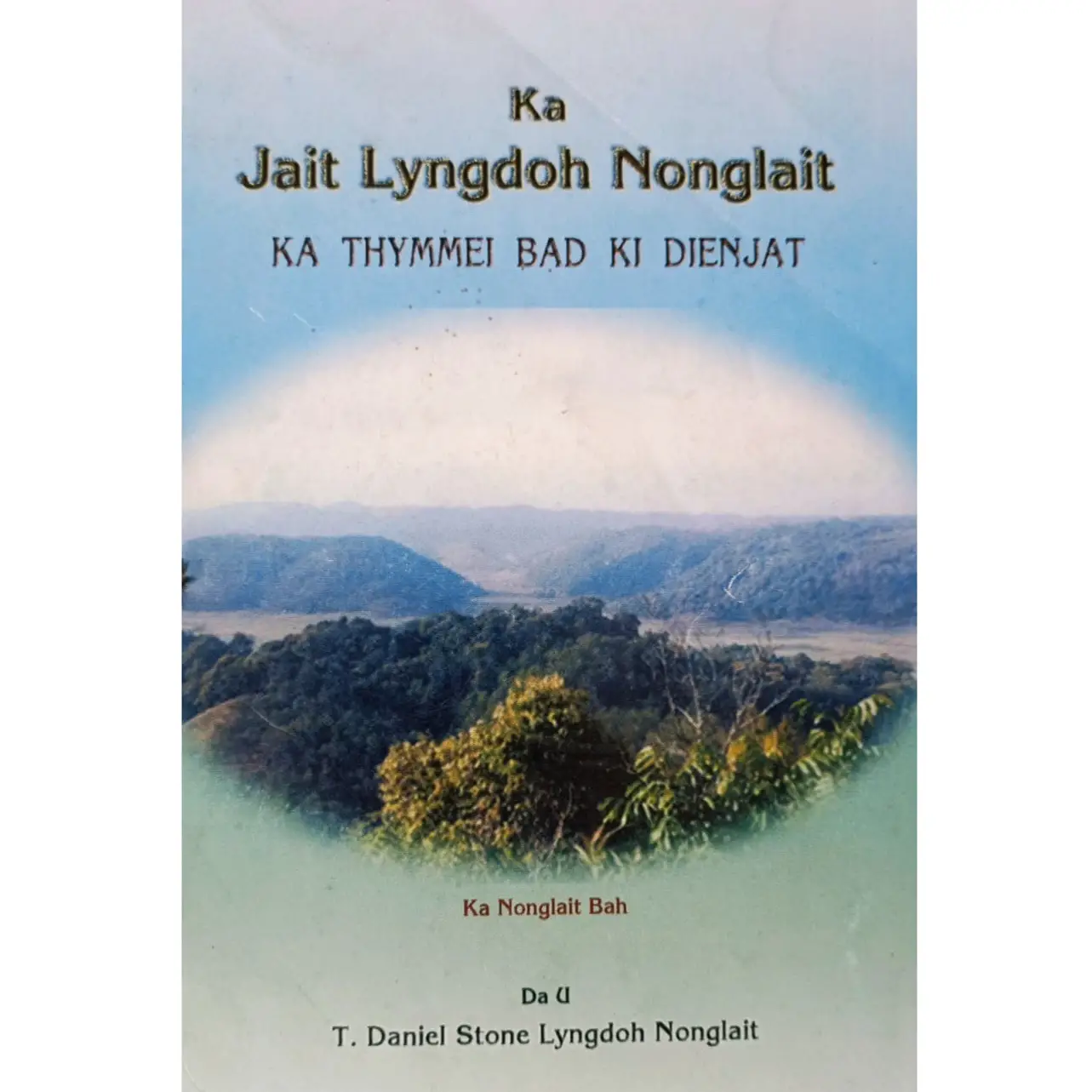
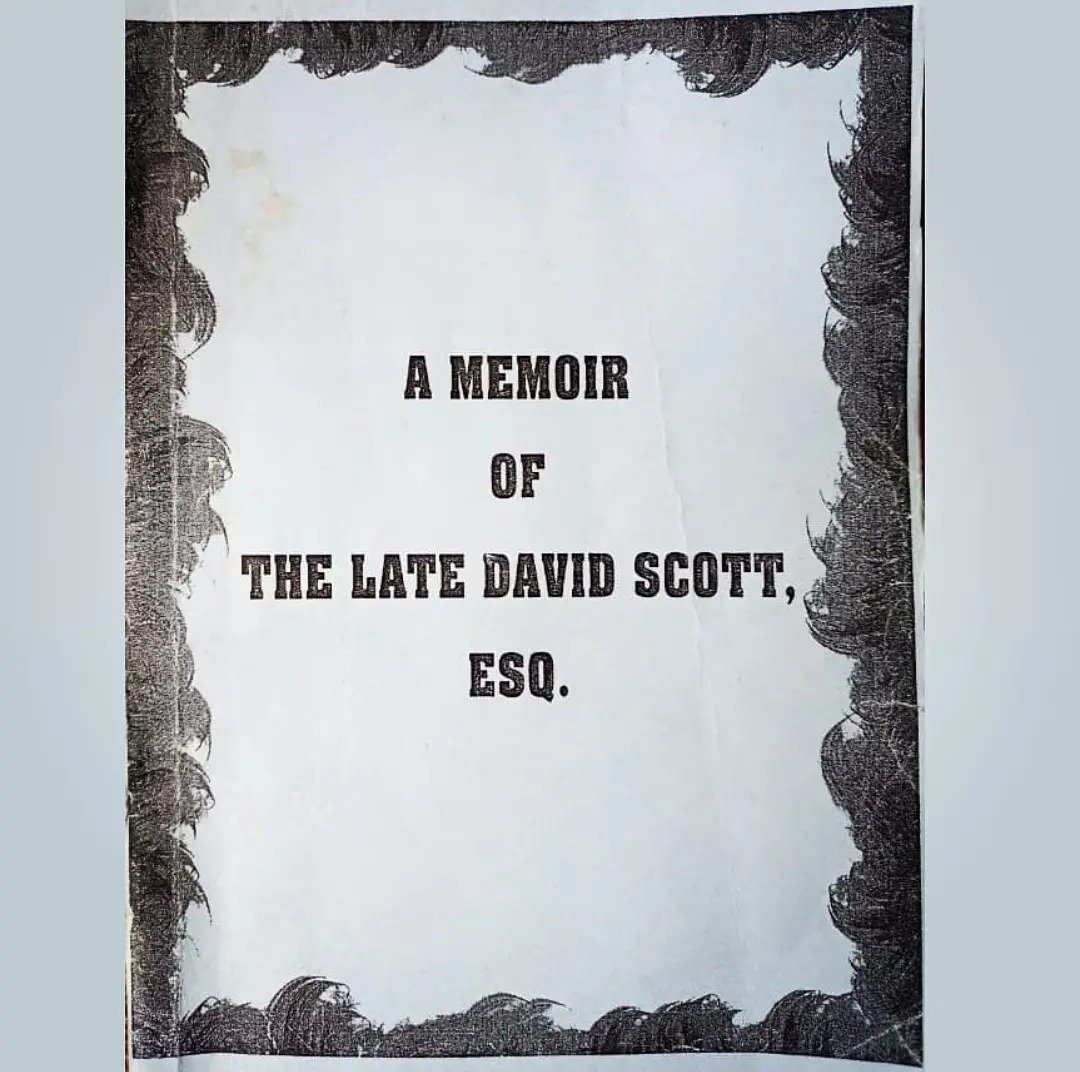
    In Ka Jait Nonglait: Ka Thymmei bad ki Dienjat written by T. Daniel Stone Lyngdoh Nonglait, the historical contexts of the Nonglait Clan has been given. Since ours is a society that relies on oral narratives, I have heard of the valour and bravery of ka Phan Nonglait. It has intrigued me to do further research upon this narrative. Yet, there is more to be unearthed. From the British perspective, the only record made was on U Mon Bhut who fought gallantly against the British. He was U Tirot Sing's most trusted general. The records about the Nongkhlaw incident were said to be the first spark that led to the war of the Khasis against the British. Among those killed, two British officers named Lieutenant Bedingfeld and Lieutenant Burlton were killed. In a letter to Lamb by David Scott, dated 10th April 1829, he mentioned that this fateful incident happened either on the 4th or 5th of April, 1829. This incident shook the Britishers and was recorded in the memoir of the Late David Scott, esq.

    On this Independence Day we remember Ka Phan Nonglait as the first Khasi woman freedom fighter. The achievements of Khasi women who fought against the British are often not recorded by history. Ka Phan Nonglait is remembered as one of those freedom fighters who have made a mark on Khasi history.

    This entry has been contributed by @carey_lynz Thank you so much! 🙏🙏 Our gratitude also goes to @tonyslong 😃🙏

    🟡 Picture 1: Painting of Ka Phan Nonglait by @tonyslong

    🟡 Picture 2: http://wikimapia.org/21065891/Phan-Nonglait-Falls-Nongrmai

    🟡 Picture 3: Ka Jait Lyngdoh Nonglait: Ka Thymmei bad ki Dienjat written by T. Daniel Stone Lyndoh Nonglait.

    🟡 Picture 4: A Memoir of the Late David Scott, Esq. written by Major Adam White (1831, 1st edition)

  • Ka Sohlyngngem bad u Rynñiaw

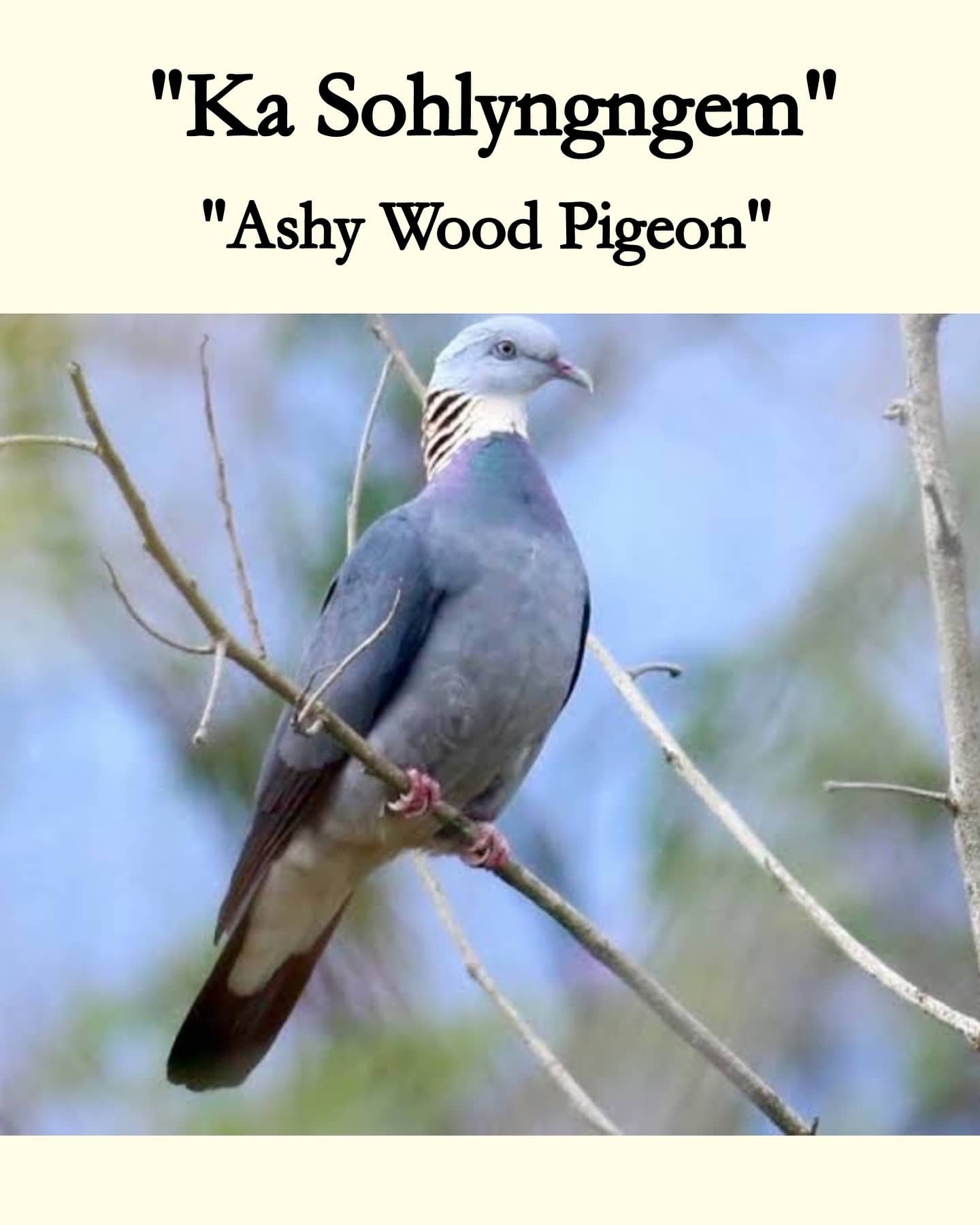
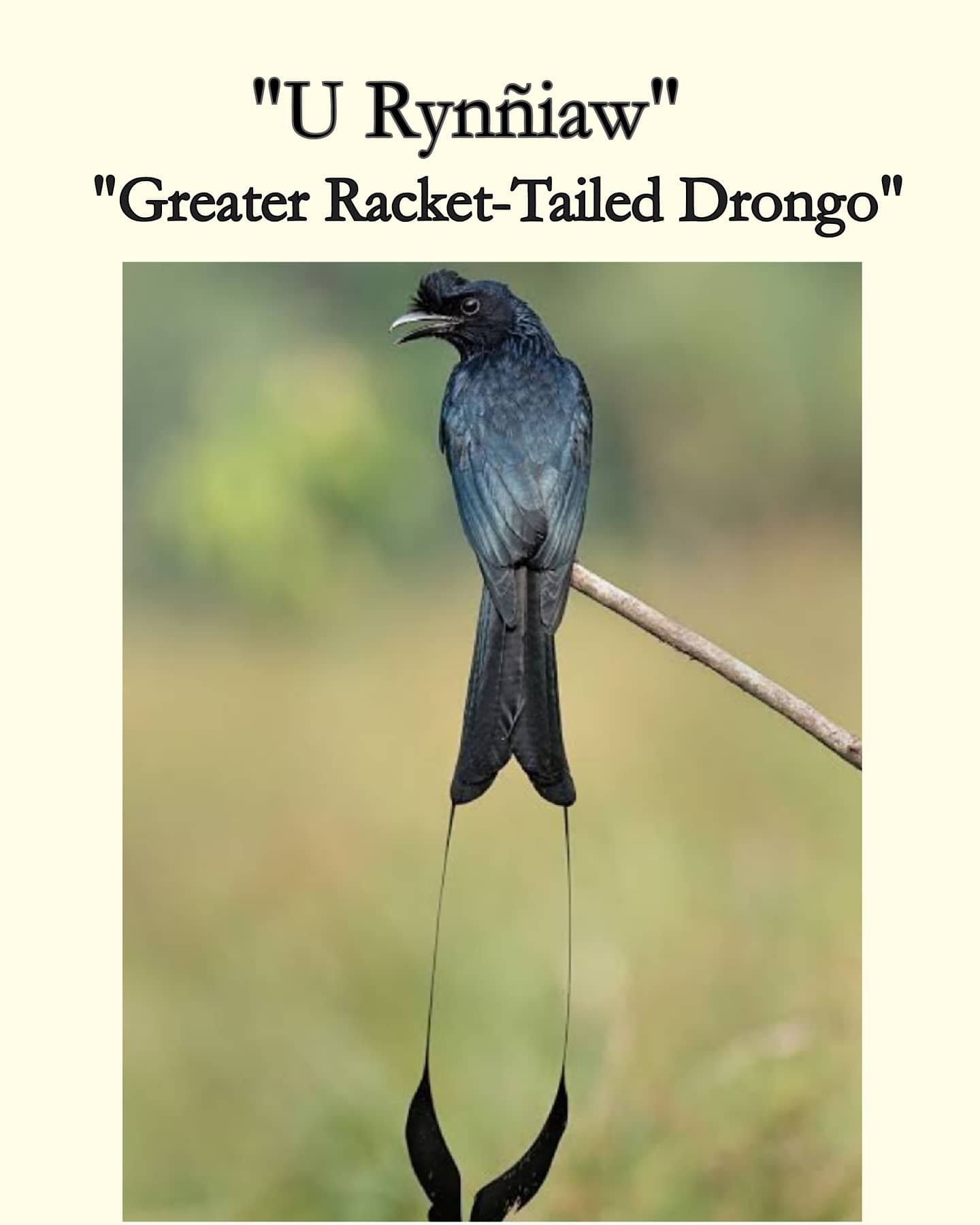
    Ka Sohlyngngem and U Rynñiaw were deeply in love with each other and would meet in the shade of tress in the forest. Ka Sohlyngngem was a beautiful bird who belonged to a poor but hard working family. U Rynñiaw, on the other hand, was the son of a well-privileged family and the "King of the Kingdom of Shade'' (Tales of Darkness and Light by Janet Hujon). The parents of Ka Sohlyngngem did not wish that she marry U Rynñiaw because of the difference in wealth between the families. As the sorrowful end of the story goes when Ka Sohlyngngem tells him, U Rynñiaw is distraught but not wanting to cause pain to her parents, decides to say goodbye and leaves Ka Sohlyngngem. Till today the cries of Ka Sohlyngngem are heard singing of her lost love.

    "Ka Sohlyngngem" da Primrose Gatphoh

    1. Ka Sohlyngngem ka thei bhabriew.

    Ki ong naduh hyndai;

    U sim Rynñiaw ka ri dymmiew,-

    Iap mat-u 'rang kynsai.

    2. Jar-Jar ka trei ka khun ki briew,

    Ba duk ba bylla sngi;

    Ka nang ban thaiñ ban suh syntiew,

    Kam nang ki 'tien lorni.

    3. U sim Rynñiaw, u khun binong,

    Ïa ka bunsien u ruwai :
    Hajan jong u ka brai ban shong;
    Ka sngap, -ka ioh thiah thai.

    4. Ar ngut ki ïaid sha lum sha wah,

    Ki shong hapoh dymmiew;
    Harud ki um sangam dait thah,
    Sha bym ïohsngew ki briew.

    5. Ka 'lei-lapmat ka wiat samrkhie,

    Ki khun mariang bha dur :
    Ha pdeng duriaw jingieit ki kie,
    Ki Paro-blei shi jur.

    6. Ki 'tien-sai-iong, ki 'tien-sai-saw,
    Ar ngut ki teh jutang:

    Ym don u syiem, ym don i mraw,

    Ban sngap ban ap jutang.

    7. Ki kmie ki kpa ka Sohlyngngem,

    Kim mon pynhiar synjat:

    Jingieit jong ka- -ka dom, ka rhem,

    Ka iam, ka khuslai sat.

    8. "Ko Khun" ki ong "Yn lei phin kwah

    Ioh un lehbeiñ lehkhoh

    Namar ma u u khun riewspah,

    Ma phi ka khun ba poh!"

    9. "Hu-hu ka ud ka pait dohnud,

    Namar u Syiem Rynñiaw :

    Ka phet kylleng ka wad ka bud,

    "Hu-hu Hu-hu' ka piaw.

    10. "Ko Ieit,' ka ong, '"dohnud ka pang :

    Eiei, ngam nang pyrkhat:

    I mei i pa, iap-iap ki khang,

    Bad phi ban shong ryngkat.

    11. "Jingieit jong phi ia nga la biang,

    Bad phi nga hun nga suk:

    Im-im ia phi ki ring 'sai syiang:

    Ki mon para ba duk."

    12. "Oh kumta pleng | Nga ruh ngam kwah

    Ynnai, – pynsngewsih lei !

    Hynrei, ko Ieit, ia nga to shah,

    Ngan doh khadduh-Khublei!"

    13. Kumta u piam, u doh, u dait;
    Junom ka iai kynmaw :
    Te, slem u-bat, um lah pyllait;
    Ki ummat ksiar ki jaw.

    14. Te soit u siang la ki sner diar;
    Shapoh lawbah u ruwai :

    "La pait, la pait ka Khuri Ksiar,

    La wai, ko Tiew-Pathai !"

    15. Ka Sohlyngngem ka shoh bieit ngaiñ,

    Shano kan ïashem pat !
    Mano ban sop, mano ban spaiñ:
    Badno kan shong ryngkat !

    16 "Hu-hu!" ka iam, "Hu-hu!" ka ud,

    "Hu-hu!" ka win ka khlaw :

    "Hu-hu!" "Hu-hu!" ka khot pangnud,

    'Hu-hu,! ko Syiem Rynñiaw !'

    17. Ka ngiah ka ruwai, ka shad, ka kmen,
    Ka keiñ ka put ka tem :
    Ha 'Iaw sangam ka shong rieh tngen :
    Ka ud, -ka pang shadem!

    18. Ka Thei-Iap-Saw ka khuslai sat,
    Ha thwei sangam ka miet ;
    La khap ka khmat, ka dem pyrkhat,-
    Ka Khuri Ksiar Jingieit !

    "Ka Sohlyngngem bad u Rynñiaw" is a story marked by love, sorrow, loss and absence. 🖤🤍🖤🤍

    🟡 As stated in Tales of Darkness and Light (2018) by Janet Hujon, Ka Sohlyngngem is the Ashy Wood Pigeon and U Rynñiaw is the Greater Racket-Tailed Drongo.

    🟡 The Khasi poem "Ka Sohlyngngem" is written by Primrose Gatphoh in his book Sawdong Ka Lyngwiar Dpei (1977).

    🟡 Pictures 2 and 3: Google