Tag: speakyourrootschallenge

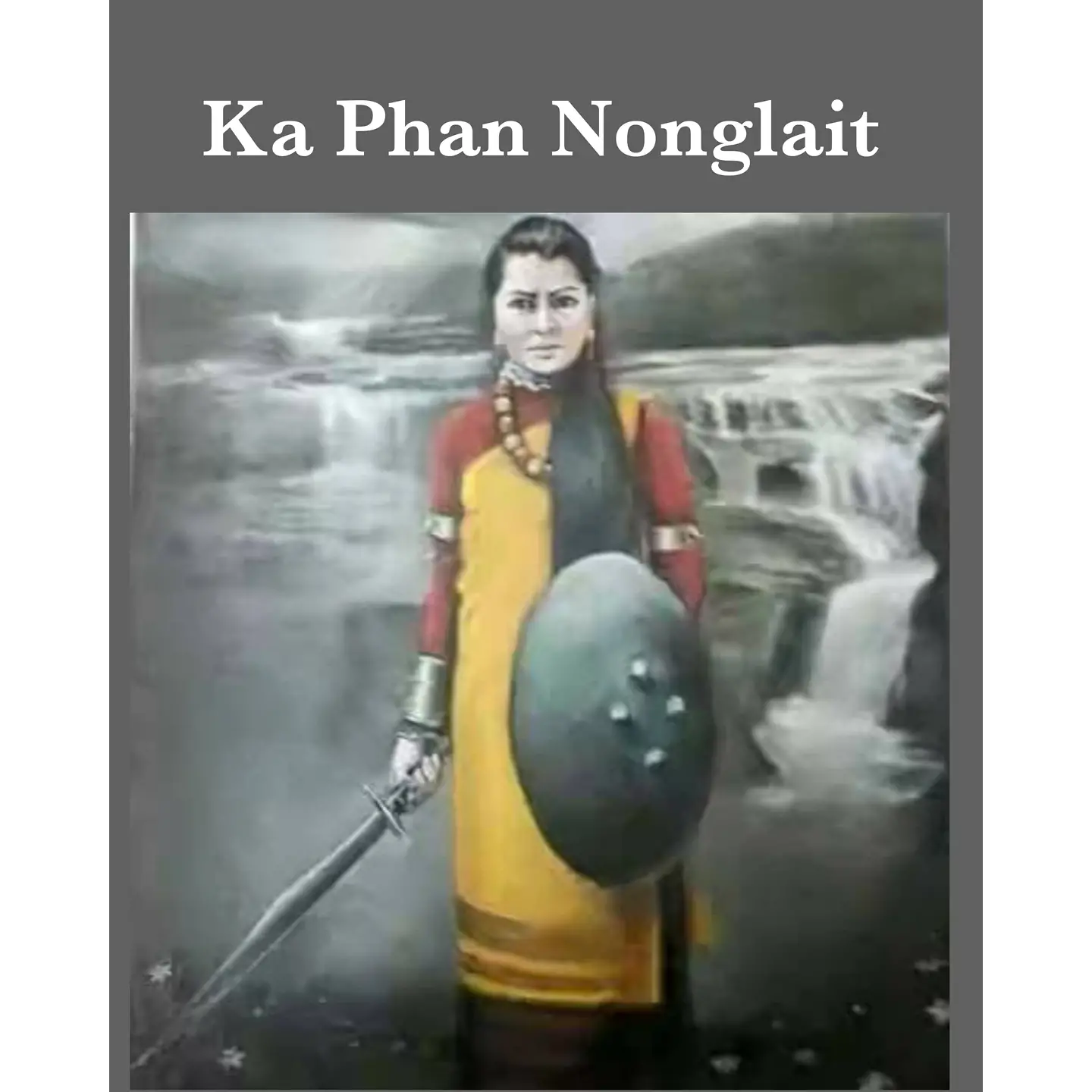
  • Ka Phan Nonglait by Tony Slong

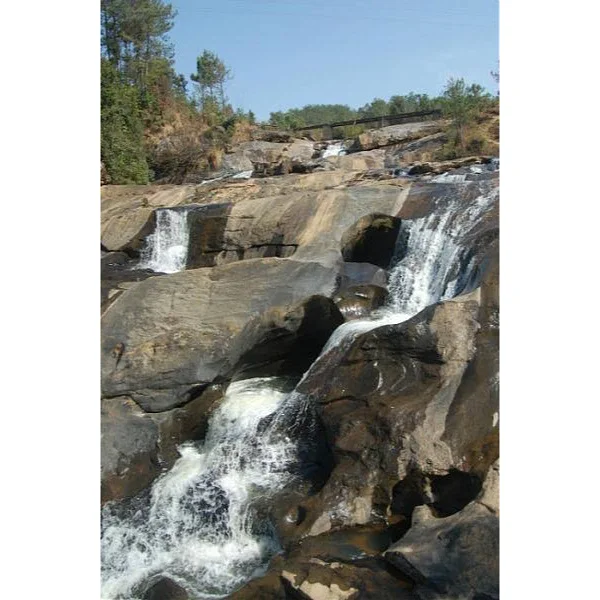
    Ka Phan Nonglait is one of the Khasi women freedom fighters and is considered one of the bravest women of that time. Most women were either raped, molested or ill-treated by the British soldiers. This made Ka Phan Nonglait and some women from Hima Khatsawphra to take matters into their own hands with the help of Mon Bhut. With his help Ka Phan Nonglait was able to trap the British soldiers by offering them alcohol. When they were inebriated, she took all the weapons of the soldiers and threw them into one of the rock holes in the Nongrmai falls (now known as Phan Nonglait Falls). Due to this act, she is remembered in the stories that have been retold for generations. Then U Mon Bhut along with other soldiers killed 32 British soldiers. This was in the year 1829.

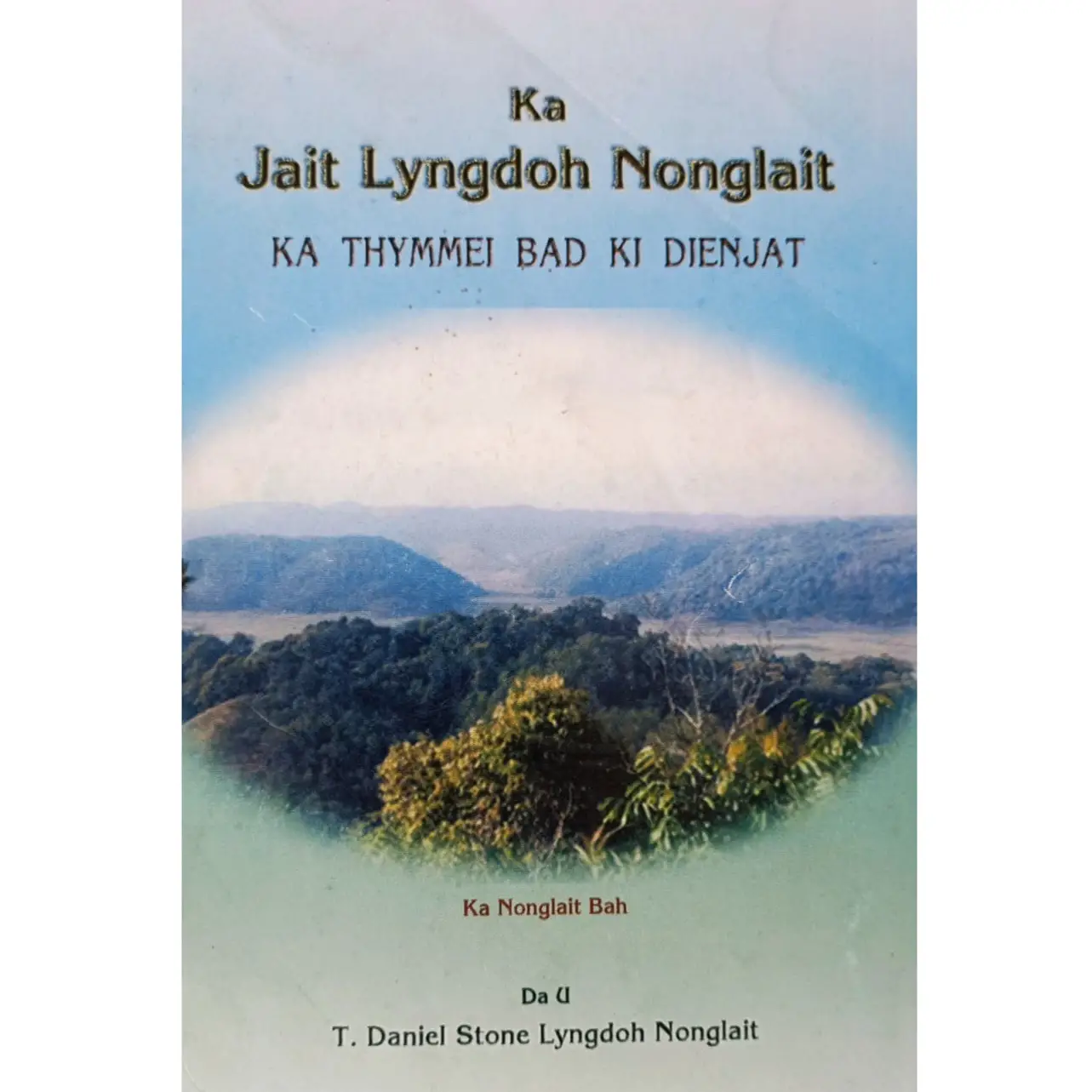
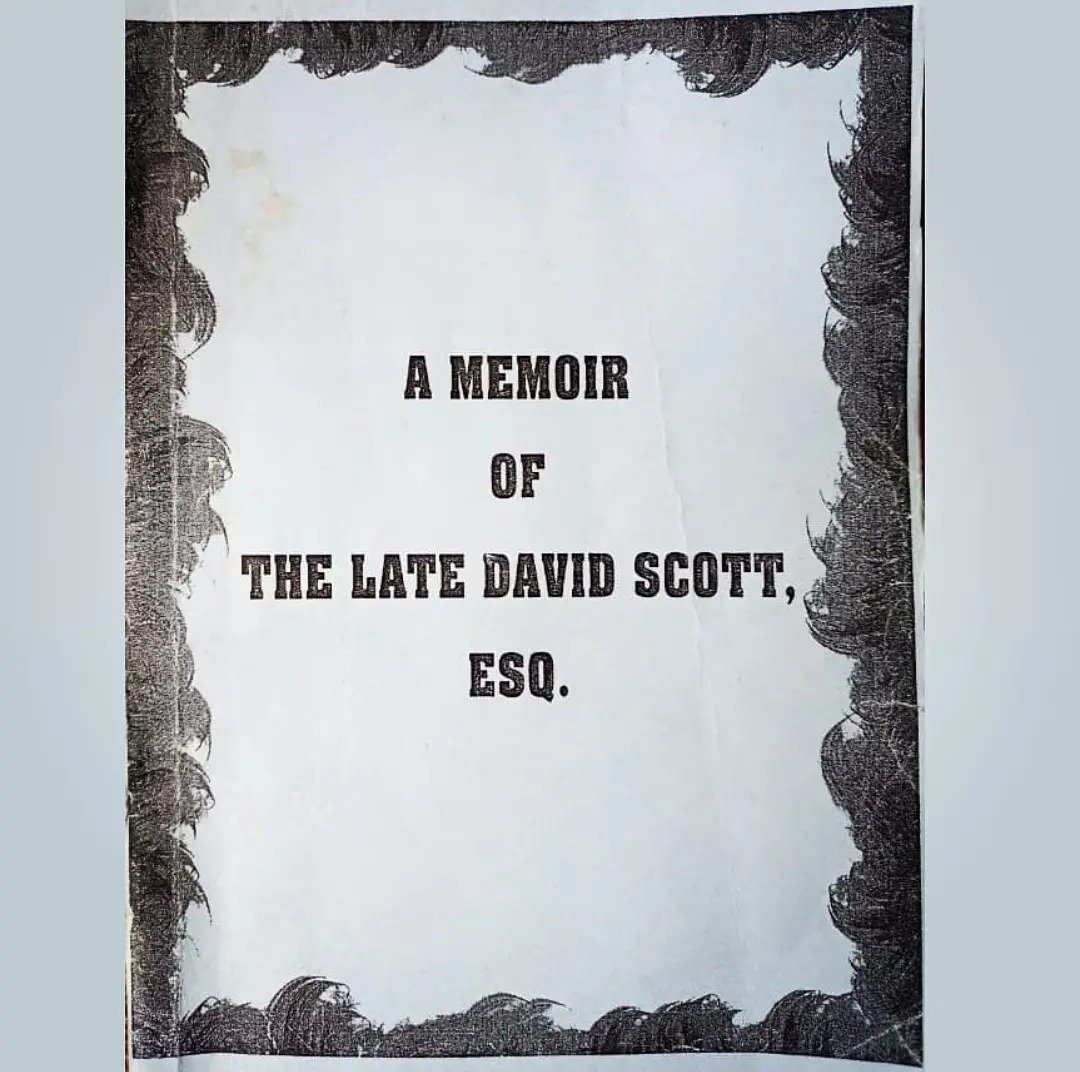
    In Ka Jait Nonglait: Ka Thymmei bad ki Dienjat written by T. Daniel Stone Lyngdoh Nonglait, the historical contexts of the Nonglait Clan has been given. Since ours is a society that relies on oral narratives, I have heard of the valour and bravery of ka Phan Nonglait. It has intrigued me to do further research upon this narrative. Yet, there is more to be unearthed. From the British perspective, the only record made was on U Mon Bhut who fought gallantly against the British. He was U Tirot Sing's most trusted general. The records about the Nongkhlaw incident were said to be the first spark that led to the war of the Khasis against the British. Among those killed, two British officers named Lieutenant Bedingfeld and Lieutenant Burlton were killed. In a letter to Lamb by David Scott, dated 10th April 1829, he mentioned that this fateful incident happened either on the 4th or 5th of April, 1829. This incident shook the Britishers and was recorded in the memoir of the Late David Scott, esq.

    On this Independence Day we remember Ka Phan Nonglait as the first Khasi woman freedom fighter. The achievements of Khasi women who fought against the British are often not recorded by history. Ka Phan Nonglait is remembered as one of those freedom fighters who have made a mark on Khasi history.

    This entry has been contributed by @carey_lynz Thank you so much! 🙏🙏 Our gratitude also goes to @tonyslong 😃🙏

    🟡 Picture 1: Painting of Ka Phan Nonglait by @tonyslong

    🟡 Picture 2: http://wikimapia.org/21065891/Phan-Nonglait-Falls-Nongrmai

    🟡 Picture 3: Ka Jait Lyngdoh Nonglait: Ka Thymmei bad ki Dienjat written by T. Daniel Stone Lyndoh Nonglait.

    🟡 Picture 4: A Memoir of the Late David Scott, Esq. written by Major Adam White (1831, 1st edition)
  • Ka Tari Dab by Careen J. Langstieh

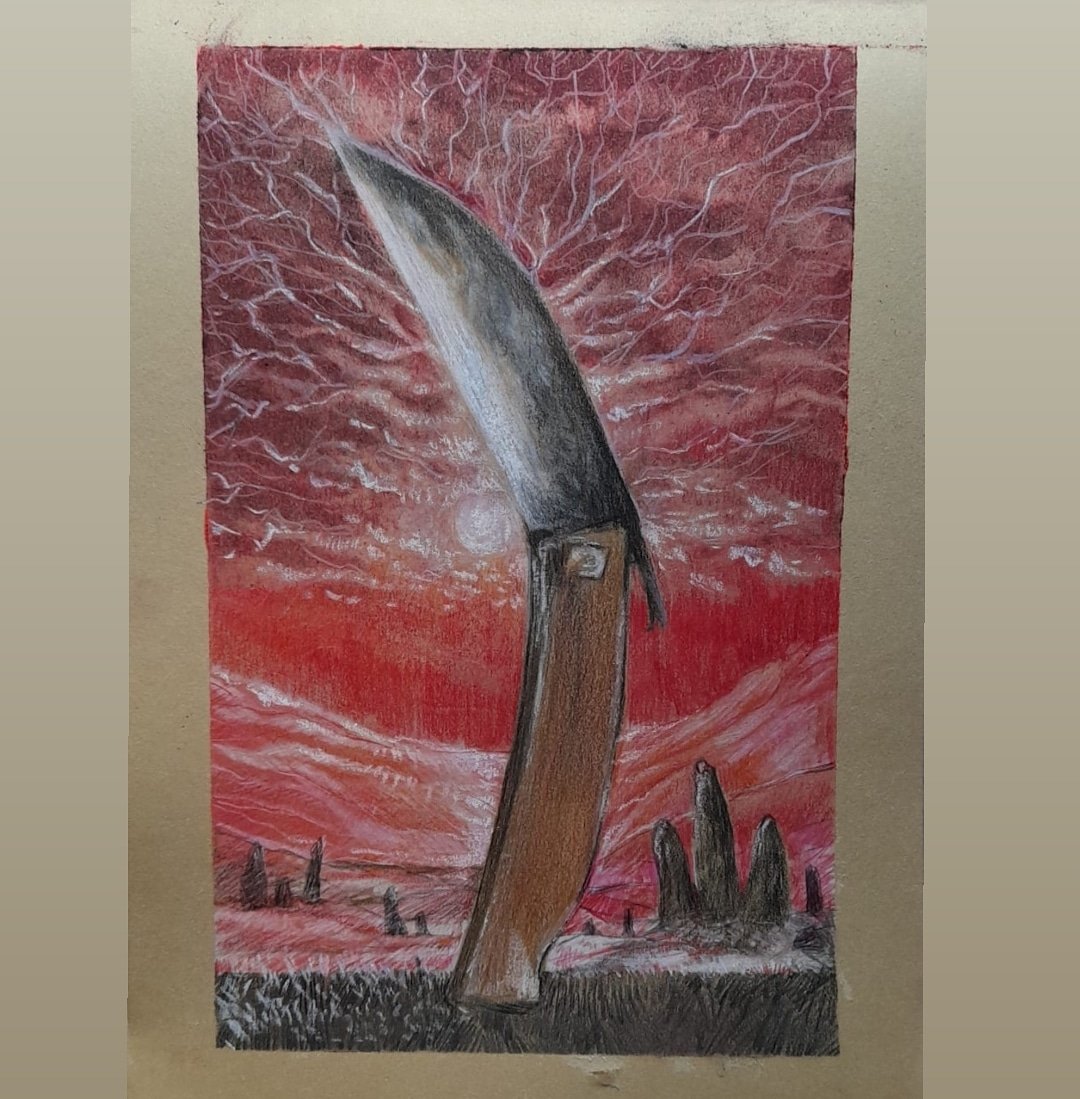
    This painting by @careenjoplinlangstieh shows "Ka Tari Dab" which is a typical kitchen knife, present in each and every Khasi household. It comes in different sizes and is also carried by women in their "bek" (bag).

    In the artist's mind, the most common objects are given new life, meaning and power. 🔥 🎨🖌️

  • Ki Ktien Kynnoh

    Ki Ktien Kynnoh are a pair of words which complement one another. The second word emphasises and enhances the meaning of the first word. Ki Ktien Kynnoh may be described as Akin words. There is a catchy rhythm to the pair too as they contain the same number of syllables, which makes saying them fun and more importantly gives depth and meaning to a sentence. The following ktien kynnoh are taken from The Khasi Encyclopedic Dictionary: Ka Dienshonhi by Rev. Dr. Ïarington Kharkongor. They have been translated by @speakyourroots.

    Danda – Phulit

    Danda: Ka mut ka jingkren ne jingïathuh ïa kiei kiei ki bym shisha da kaba pyndonkam ïa ki ktien ne ki khana nangno nangno bad sa pynkut ha kata ka rukom tang ban ïoh ban pynsngewbha ïa ki briew.

    Phulit: Ka thew ïa ka rukom kren biria kai te hynrei don ki biria kiba ïa jinghikai bad jingmyntoi.

    Danda is a conversation or the telling of a story that is not based on real fact, but is taken from many sources, with the purpose of making people laugh at the end.

    Phulit is a particular way of talking humourously with a lesson at the end of the story.

    Ngiah – Shoin

    Ngiah: Ka dei ka ktien kyllum kaba mut ba la dap ne pura bha lane bym sngewtynnat shuh ïa kiei kiei.

    Shoin: Ka kham thew ïa ka jingbam kaba la bam bad la dap pura haduh ryndang ne rmiang shyntur bym long shuh ban pynrung jingbam. Ïa ka jingbam haba dang ngiah dang long ban bam hynrei haba la dap shoin ym long shuh ban bam. Haba ngi ong pat 'ngiah shoin' ka mut kaba la palat ban ïa kaba ju long.

    Ngiah is a feeling of fullness and satiation or having had enough of something, which might also cause unpleasantness.

    Shoin is more of a reference to food that cannot be eaten anymore. In the case of 'ngiah' food can still be eaten but when we use the word 'shoin', it means there is no chance of being able to eat.

    Maitang – Maitait

    Maitang: Ka mut ba kyndiah ne ieh noh shisyndon khamtam ïa ka jingmlien kaba sniew.

    Matait: Ka mut ka jingkular ne jingsmai ban iehnoh ne kyntait shi syndon ïa kaei kaei ka bym ïadei bad ka jingim longbriew manbriew.

    Maitang is to abstain from or completely leave something, especially a bad habit.

    Maitait is a promise or oath to avoid or reject that which hampers or damages the balance of our physical, emotional and mental well-being.

    "Ki Ktien Kynnoh" lend so much quality and character to the Khasi language! They are really quite a unique feature of the language. 😃😃 We have tried to find the English word for them but it appears there is none. "Akin words" seems to describe them best.

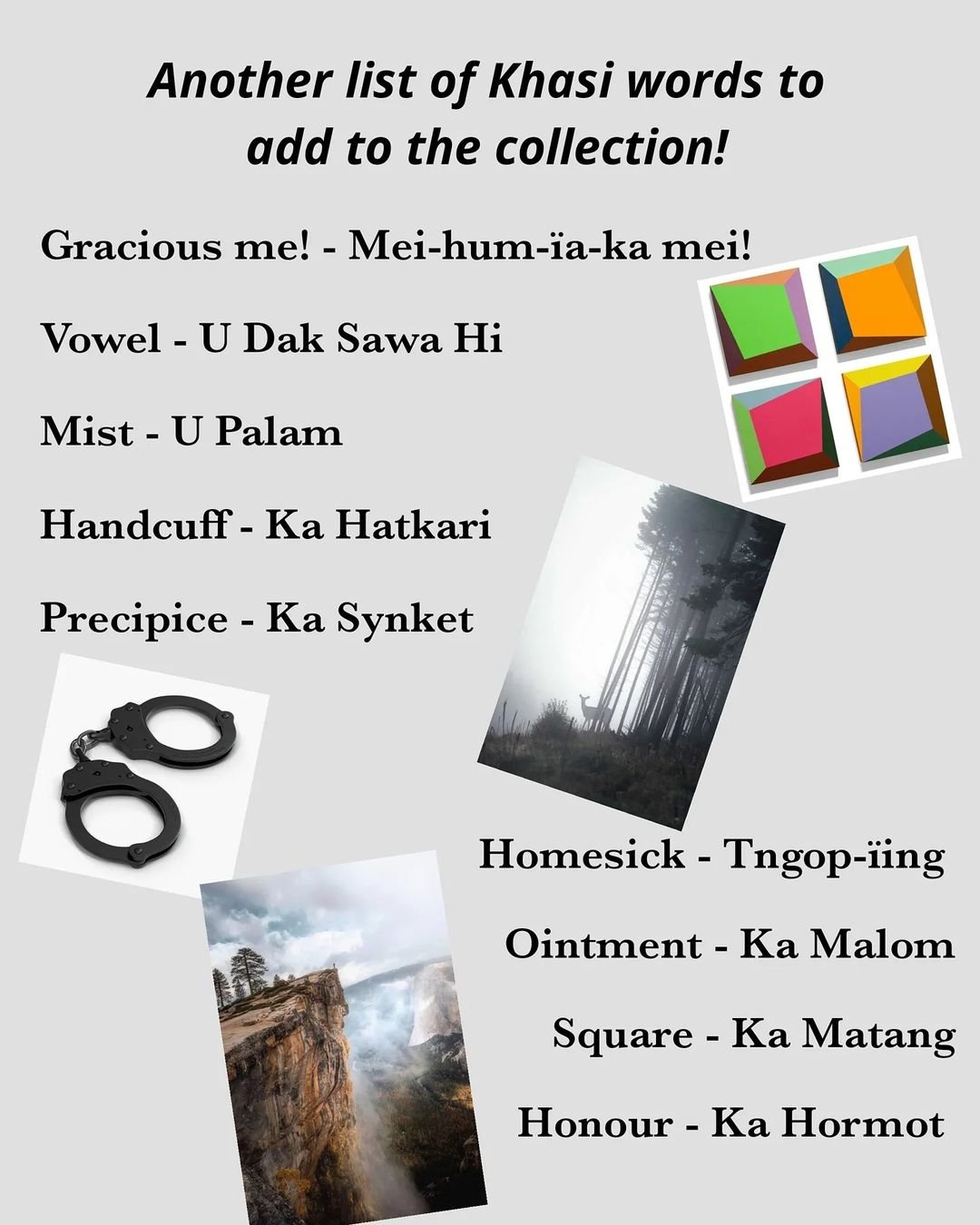
  • Another list of Khasi words to add to the collection!

    Gracious me! – Mei-hum-їa-ka mei!

    Vowel – U Dak Sawa Hi

    Mist – U Palam

    Handcuff – Ka Hatkari

    Precipice – Ka Synket

    Homesick – Tngop-їing

    Ointment – Ka Malom

    Square – Ka Matang

    Honour – Ka Hormot

    Here is another list of Khasi words to start using! 😃🤓🗣️🗣️

    🟡 Source: Ka Dienshonhi: The Khasi Encyclopaedic Dictionary by Rev. Dr. Ïarington Kharkongor

  • Beiñ kiwa beiñ

    "Beiñ kiwa beiñ.

    Roh kiwa roh.

    Ïei їong kiwi,

    ym їe i u pyntoh."

    "Let those who criticise, criticise.

    Let those who praise, praise.

    Other people's opinions,

    cannot be catered to."

    Here's what may be described as a Pnar quote or chant sent by @laloorisa 😎😎😎 (translated by @speakyourroots)

    The lines urge us not to let people's words, either praise or criticism, affect us. Lest we fall prey to pride or feelings of inadequacy. We should just march to the beat of our own drum and do what makes us happy! 🌬️🌬️🌻🌼🌾

    Ham pynsñiaw ai ki! Wat pynsngew eh ia ki!

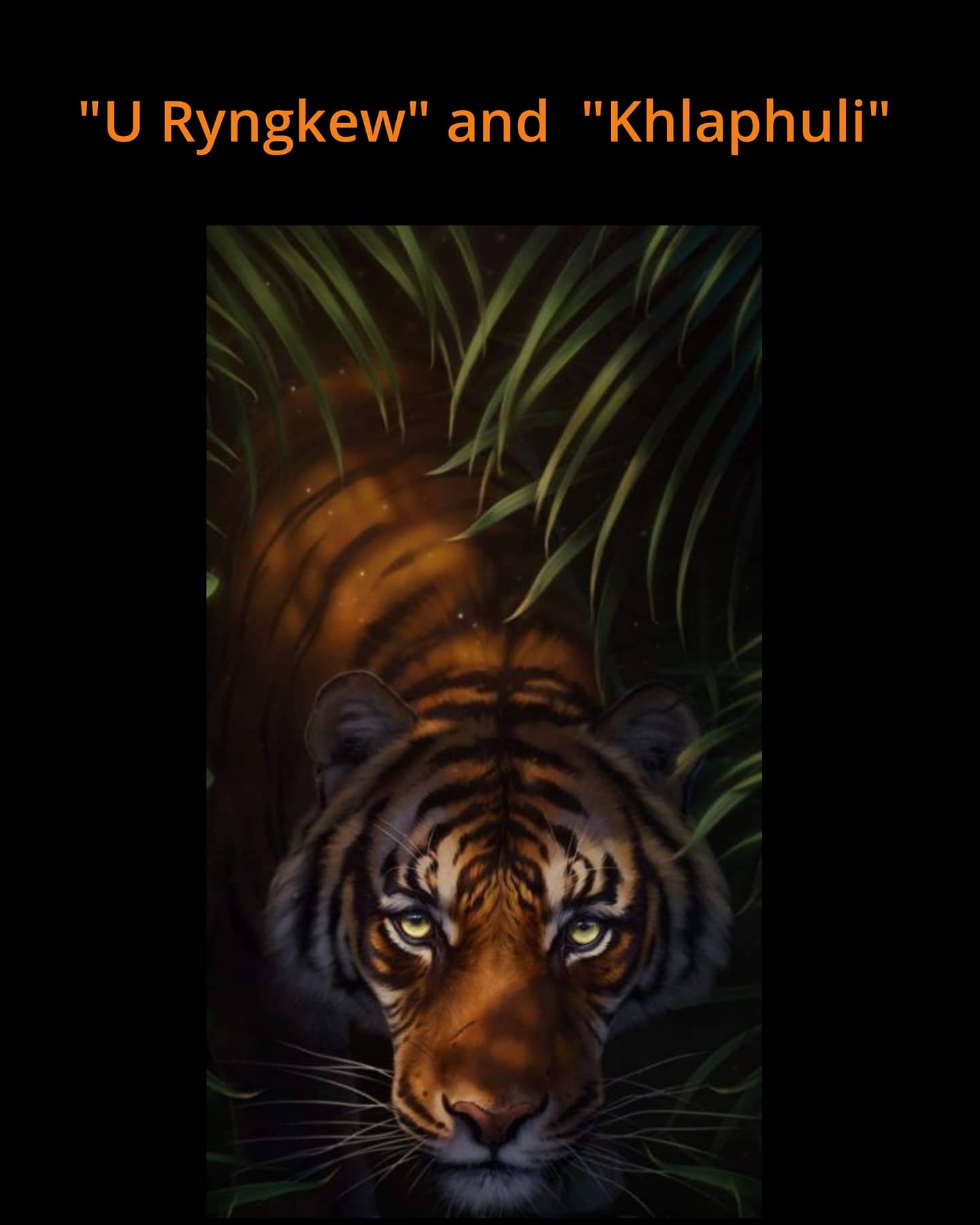
  • U Ryngkew and Khlaphuli

    The following has been quoted and summarised from Essays in Khasi Folkloristics by Dr. Desmond L. Kharmawphlang (2016).

    In Khasi belief, the sacred forests are protected by a "spiritual tutelary deity called U Ryngkew U Basa" who makes himself visible in the form of a tiger. Thus, 'U Ryngkew' is the tiger spirit who safeguards the sacred forest. After the chaos that ensued in the felling of the 'Diengiei' the gods sent 'U Ryngkew' to "stay forever in forests, mountain tops and places of wilderness revealing himself, whenever he does, as a tiger."

    Related to the significance of the tiger in Khasi myth and folklore, is the belief in "Khlaphuli" or the Weretiger. The Khlaphuli is a man or a woman who has the ability to change into a tiger with "this power being an attribute of their 'rngiew'…The Khasi belief in the 'ka rngiew' is so strong that it is regarded as an essence, a power which shapes and determines most of man's actions, thoughts and motivation, it gives shapes to his dreams and visions and charts the course of his life. It is imperishable and immutable. In the Weretiger tradition, it is the 'rngiew' that is directly responsible for men and women to possess the power to become weretigers or 'khlaphuli' as it is known in local parlance. This transformation from human to tiger is closely associated with aspects of religious and social practices."

    The belief in "U Ryngkew" and "Khlaphuli" form intrinsic aspects of Khasi spirituality and religion. They are also necessary to understand the effort to conserve our sacred groves and forests. 🏞️🏞️🌄🌄

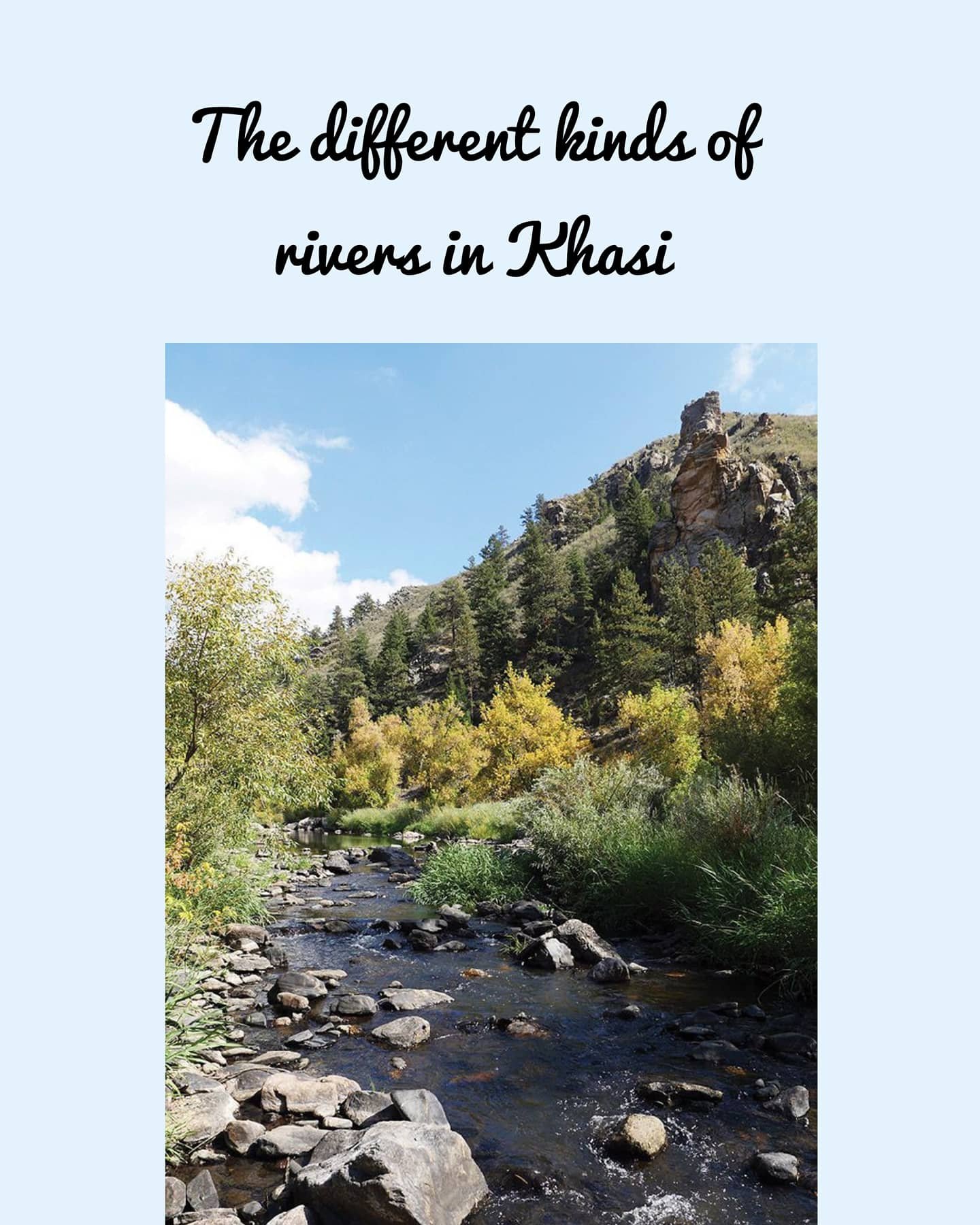
  • The different kinds of rivers in Khasi

    "Wah" is the usual name for a river or a stream.

    "Wahbah" is a large river.

    "Wahkaba" is a roaring and raging river which flows rapidly during the summer in Sohra.

    "Wahduid" is a streamlet or a rivulet.

    "Wahrupa" is a river whose water shines and shimmers like silver in the sunlight.

    In fact, a part of the Umngot river in Meghalaya is called "rupa tylli" as it is likened to a broad, flat silver necklace work by Khasi women.

    Our rivers are so many, so beautiful and so precious. Yet in Shillong, the most well known "Ka Wah Umkhrah" is perhaps a dying river. We made a hue and cry about the trees being cut but what will we do about our rivers in and around Shillong city? 🏞️🏞️

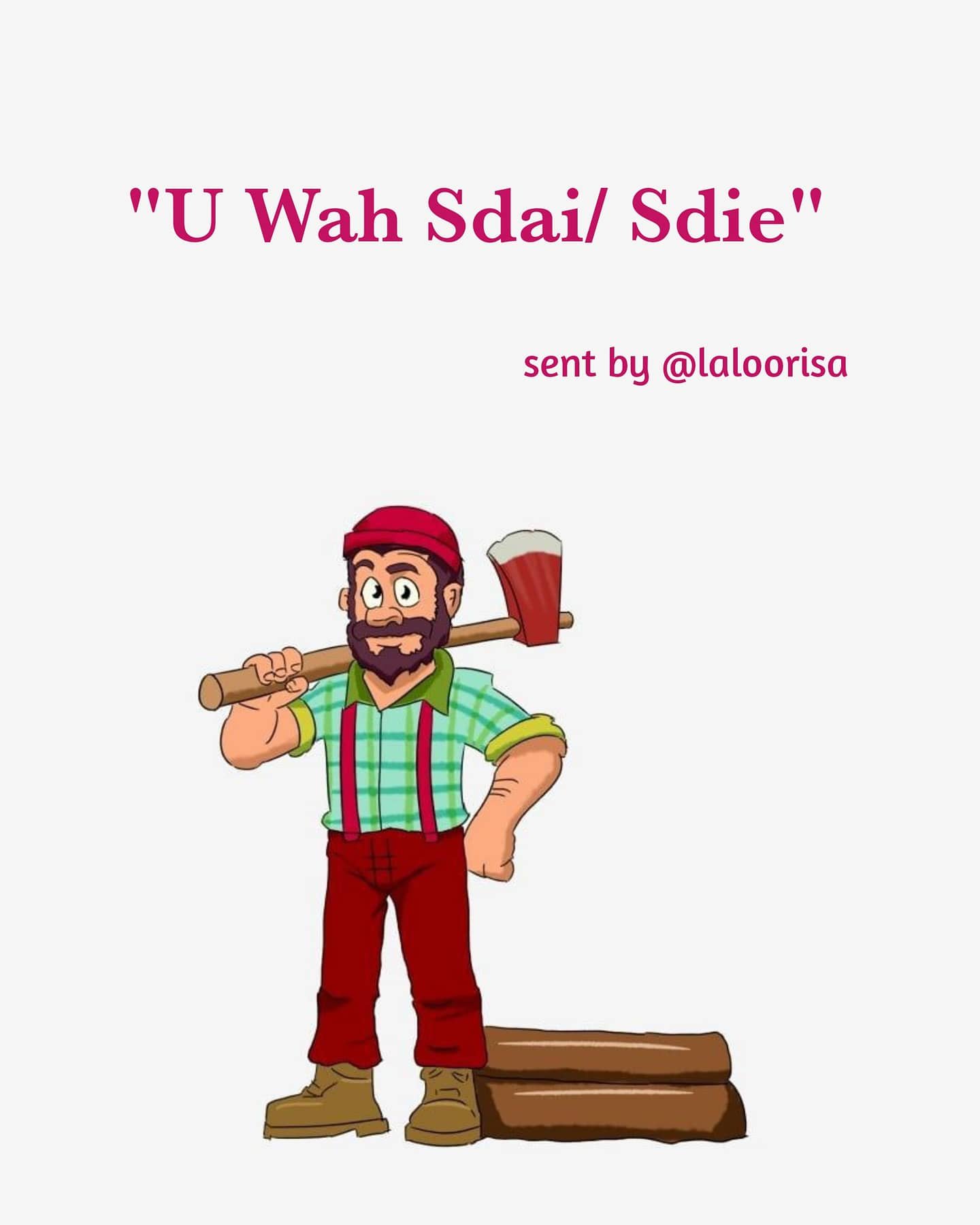
  • U Wah Sdai/ Sdie

    "U Wah sdai/sdie" u dei nongrep na shnong Jowai, uba trei shitom hynrei uba klet biej. Ha kawei ka sngi, u thlieh dieng baroh shisngi. Hadien katto katne por, u shong thait bad u bam kwai. Ynda u la mut ban bteng biang їa la ka kam, um lap shuh ïa u sdie jong u. U la pyrshang ban kynmaw hangno ba u la buh їa u ruh, um lah kynmaw satia. Khatduh ki paralok kiba їa trei lang bad u haba ki їohi ba u їai wad kumne kim banse ban kylli, "Phi wad aїu kumto naduh mynne khlem lap shuh?" "Nga wad їa u sdie" u la jubab. "Phi khlem їohi hangno nga la buh?" Kita ki paralok ki la їa rkhie їa u bapli namar u sdie jong u, une lydui ha ka tyrpeng jong u hi. Namar ba kane ka wan jia barabor ha une u paralok, na kata ka daw u sa ioh їa ka kyrteng sin kum "U Wah sdai/ sdie". Na kane, їa kum kine ki briew kiba klet biej khamtam haba ki klet jaka buh їa kano kano ka tiar, ka sa kylla long ka rukom ban khot їa ki da ka kyrteng sin "U Wah sdai/sdie".

    There once was a farmer from Jowai who was hard working but quite forgetful. One day he had been cutting wood for a long time. So he sat down to rest and have some kwai. When he stood up to continue with his work, he couldn't find his axe. He couldn't remember where he kept it, even though he tried hard to remember where he left it. Finally, when his friends saw him searching, they asked him what he was looking for. He replied that he was searching for his axe. "Did you see where I left it?" he asked. His friends burst out laughing because the poor man did not realise that his axe was hanging from his shoulder. So because of his forgetfulness being a regular occurrence, his friends gave him the name of "Wah sdai/ sdie". For this reason those who easily forget where they keep things, are given the name "Wah sdai/ sdie".

    "Wah" means to hang something.

    "Sdai" (Pnar) and "Sdie" (Khasi) means axe.

    The Pnar nickname "U Wah Sdai/ Sdie" 🪓🪓 Another story about a nickname sent by @laloorisa 😄😄

    Khublei Chibun wa phah phi kini ki pyrtuit siñ! You've become our regular supplier of them! 😂😂

  • Gender in the Khasi language

    The English language does not have a grammatical gender as many other languages do. This means that it does not have a masculine gender or a feminine gender for nouns. The Khasi language however, gives gender to nature and objects. The two genders are distinguished only by means of the articles "U" for masculine and "Ka" for feminine in the case of singular nouns. For example, Cooked rice is "Ka ja" (feminine), A tree is "U dieng" (masculine), A road is "Ka surok" (feminine), A bed is "Ka jingthiah" (feminine), Chilli is "U sohmynken" (masculine), Cough is "U jyrhoh" (masculine) and Fever is "Ka shitmet/ jingshit" (feminine).

    Many other languages also give gender to animate and inanimate objects. Some of these include German, Hebrew, French and Kashmiri.

    Here are some words to compare:

    Spoon: In Khasi "ka shamoit" is feminine, while in German "der Löffel" is masculine.

    Salt: In Khasi "ka mluh" is feminine, while in French "le sel" is masculine.

    Crow: In Khasi "ka tyngngab" is feminine, while in Kashmiri "کاو" [ka.w] is masculine.

    Book: In Khasi "ka kot" is feminine, while in Hebrew "סֵפֶר" I/'sefer/I is masculine.

    In the Khasi language, nature and objects are given a gender. This is present in the French language too and is mentioned by Rev. H. Roberts in his book A Grammar of the Khasi Language (1891). Thank you @naphisabet1303 for initiating this in our conversations! ♂️♀️♂️♀️

    If anyone has studied Linguistics, we welcome your thoughts and observations in the comments section! 😀

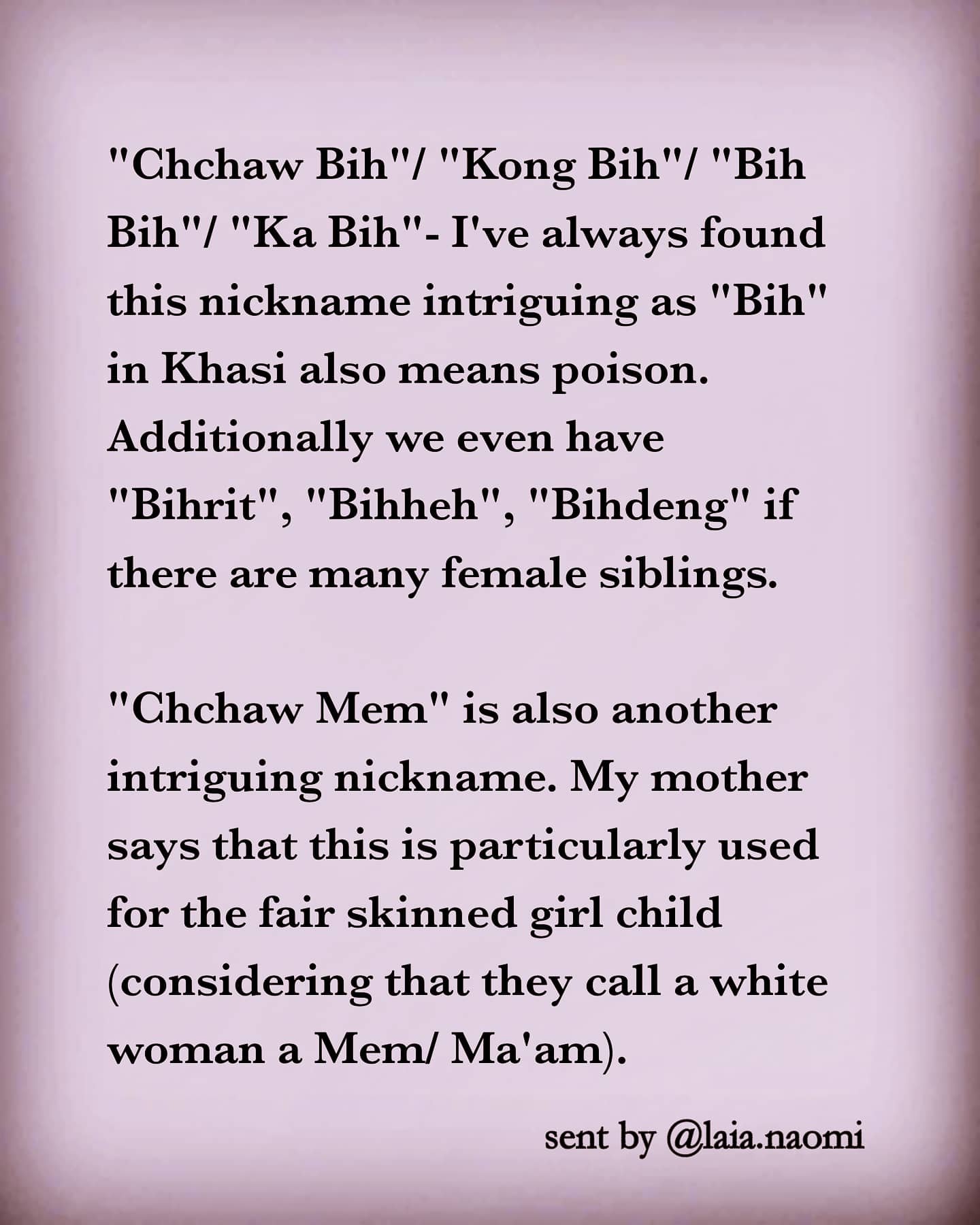
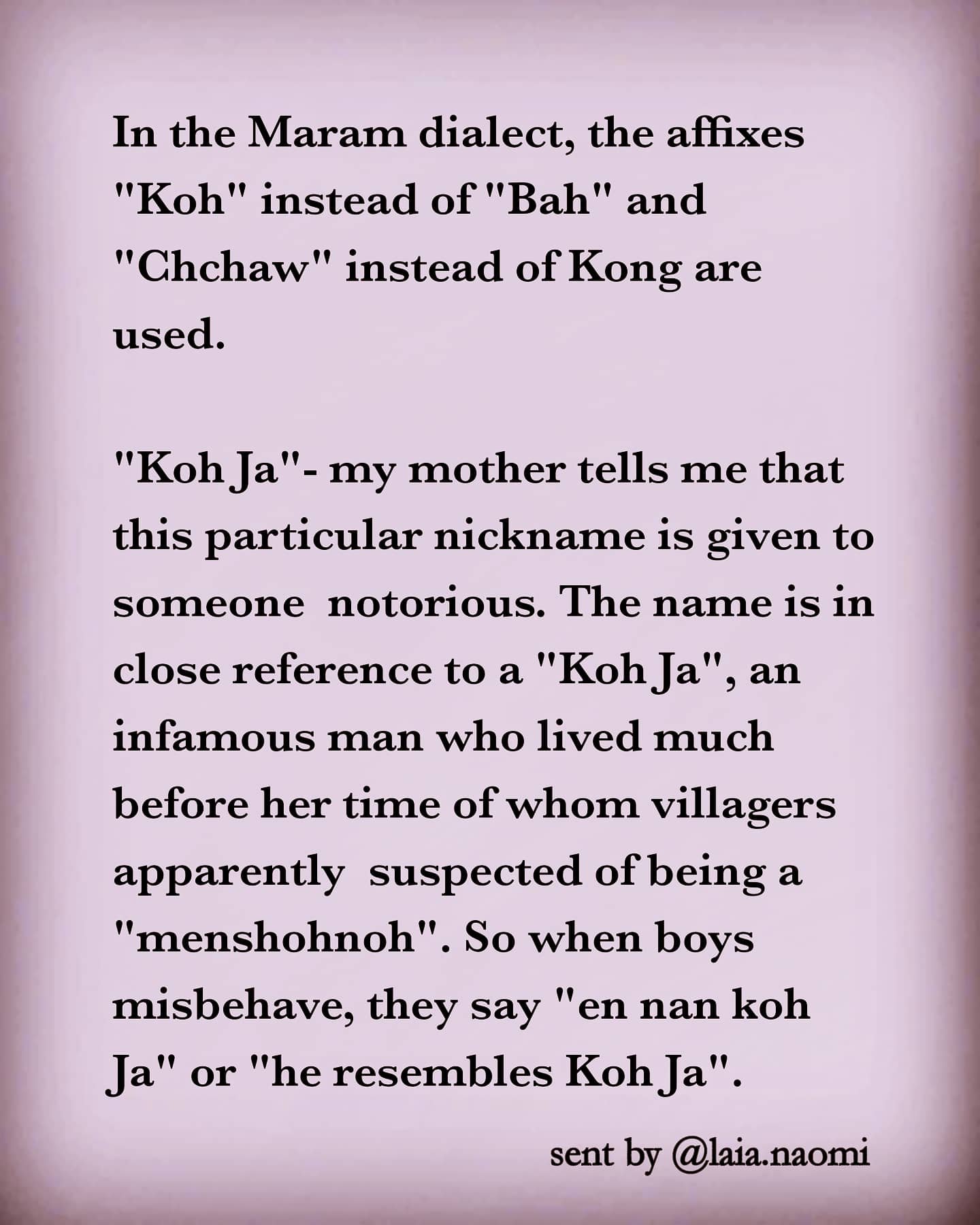
  • “Koh” “Chchaw” Maram

    In the Maram dialect, the affixes "Koh" instead of "Bah" and "Chchaw" instead of Kong are used. "Koh Ja"- my mother tells me that this particular nickname is given to someone notorious. The name is in close reference to a "Koh Ja", an infamous man who lived much before her time of whom villagers apparently suspected of being a "menshohnoh". So when boys misbehave, they say "en nan koh Ja" or "he resembles Koh Ja".

    "Chchaw Bih"/ "Kong Bih"/ "Bih Bih"/ "Ka Bih"- I've always found this nickname intriguing as "Bih" in Khasi also means poison. Additionally we even have "Bihrit", "Bihheh", "Bihdeng" if there are many female siblings. "Chchaw Mem" is also another intriguing nickname. My mother says that this is particularly used for the fair skinned girl child (considering that they call a white woman a Mem/ Ma'am).

    The Maram dialect is spoken in the West Khasi Hills District of Meghalaya. The variety of dialects spoken enriches a language giving it depth and scope. 🗣️🗣️

    Thank you @laia.naomi for this contribution! 🤗🤗