Tag: talklocal

  • Ka dukan jadoh ha Iongpiah

    Jadoh Sniaŋ

    Wûm phi

    Wow tam ya ka cha sõ

    Hawa jrem pathan

    Yeh noh chõh-Hiar ha sla kjat.

    Tæ kammon pûrkhat phi

    Wûm toh dei jadoh Ïoŋpiah u dat i?

    Jadoh Sniaŋ, Jadoh Sniaŋ

    Du ha ïoŋpiah u yoh dei wa baŋ.

    Baŋ kti kat kini ki yoŋ Rymbai

    Sai dohkhlieh, wa u tu u nõ-kûlla nai

    Hun i bam ja,

    Sñaukam cheiwon tahi i pûrthai

    Æ koŋ da u thûlleij sniaŋ…..

    Yōban bha wa phon sûrwa

    Trup sa wau piat! Dahun sakhiat wa baŋ ja.

    Tûllo diñ, Wa pûnkop wa yaleh u slu

    Ka pli ka koŋ wa ki ŋap wa ad,

    Hei put tûllo, 'Wuuuuu chi Whuu'!

    Koŋ, Katwon ka bai ja?

    Dapher paya wûm toh de kam nachua

    Yoŋ wa da syad nadoŋ chadoŋ

    Krum phi u yanap, Yoh ki pli u mih noŋ.

    Yoh u mih ka noŋ-ni

    Su dei hun mûnsien ham khnium ya ki pli.

    Khublei Chibōn @xdtnoahjupejackllthmanar wa phah phi ya ka poitri chaphang ka dukan jadoh ha Iongpiah 😄😋 Johkhe phi u thoh 😄

    Ngi kyrmen ba phi lah ban pule ïa kine ki kyntien Pnar kaba i @xdtnoahjupejackllthmanar i lah thoh, da kaba pyndonkam da ki alphabet Pnar. Ngi lah ban sngew eh ha kaba nyngkong tangba ka rukom kynnoh ka long kumjuh hi. Ka shu pher noh tang ka rukom thoh.

    📸: @xdtnoahjupejackllthmanar

  • Ko khun syiem ale wan sum

    "Ko khun syiem ale wan sum…"

    "Ynnai ba rit ka pung"

    "Thep da ka kot shispah ban heh ka pung!"

    Te ynda lah thep ïa ka pisa (ne ka ksiar), ka pung ka ïar bad ka khun syiem ka rung ha pung. Tangba ynda lah dep ban sum, ka khun syiem kam lait shuh ban mih bad ka hap leh katba lah ban bthat ïa ka jingker ban mih na kata ka pung.

    Phi kynmaw ïa kane ka jinglehkai mynshuwa ha ka por ba dang rit? 😄😄 Ka don ne em ka jingmut sha lyndet jong kane ka jingkylli bad ka jubab?

    Khublei Shibun @bah_komiks ba phi la pynkynmaw ïa kane 🙏 bad ba phi pyrkhat de ïa ka jingmut jong kane ka jinglehkai.

    This is a game that we used to play as children. We would form a circle (which is the pond) and the princess (who is standing outside the circle) is asked if she would like to bathe in the pond. The princess replies that the pond is too small. The rest of the children in the circle reply back and tell her to drop money (a hundred rupee note or gold) for the pond to become bigger. Once the princess does this the circle/ pond grows larger and she enters. But the catch at the end is that she will not be able to get out of the circle/ pond. So the fun of the game lies in the struggle of the princess as she tries to get out of the circle. 😅😅

    Sounds a little scary now that it's been narrated 😬 But who knows what the symbolic meaning of this game is. Maybe we're over analysing. 😜

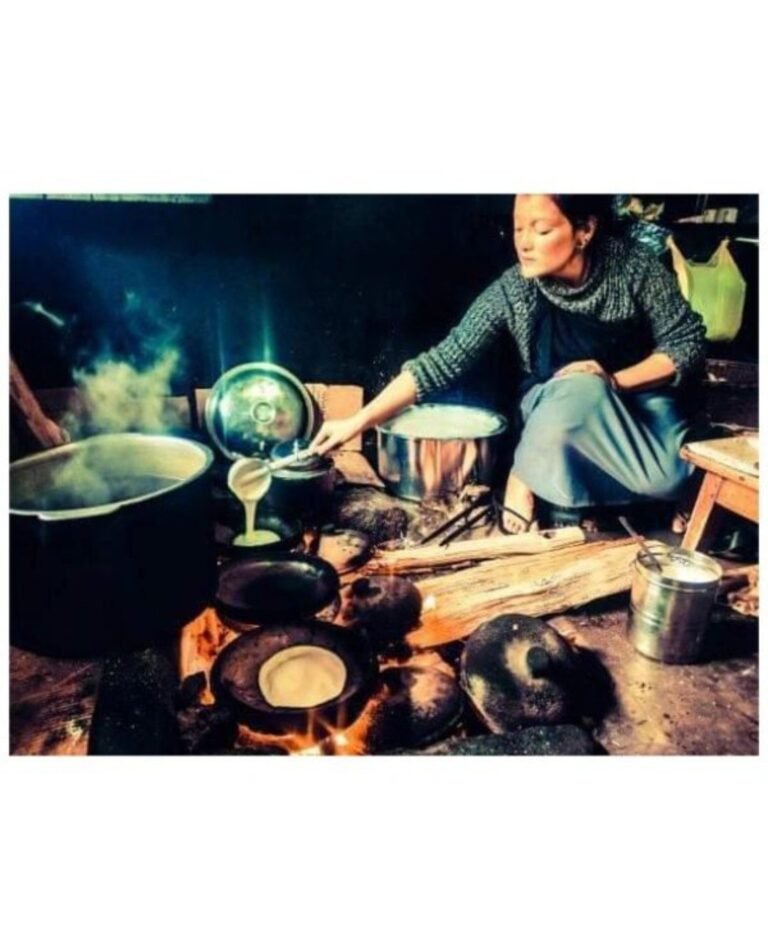
  • Ki pliang ba don ha ka dukan jadoh jong ka Kong Rymbai ha Iongpiah, Jowai.

    Kini ki pliang em ki ha ka dukan jadoh yong ka Kong Rymbai, kawa em ha Iongpiah, Jowai. 🍚🍚 Ym emkám u ong, da sñiawthuh hi phi wa bang ha i jadoh heini 😃 Wei doh seiñ, doh tkhut, samurit sdieh, piat, wa ka cha soo 😋😋

    Ka jingitynnat ïa kine ki pliang hangne ha dukan 😄😄 Ki ong ba baroh baroh ki shait shondur ïa ki. Ki khot kumno ïa kine ki pliang?

    These plates are displayed in Kong Rymbai's jadoh shop in Iongpiah, Jowai. They remind us of the days when these plates were used in Khasi homes. Such beautiful plates that evoke memories of "ka dpei", the hearth, with its fire and delicious traditional food! 😋😋

    Photo credit: @speakyouroots

  • Kyrtoh Lyndet

    Ka ktien "kyrtoh" ka mut ban rynsied ne ban kynthih; ka thew ruh ïa ka jingryngkoh nalor ka jingker.

    Ka jingong "kyrtoh lyndet" ka mut ka jingwan ne ka jingpashat jong ka markylliang ne ka bainong jong kano kano ka kam kaba la leh u briew.

    The Khasi "kyrtoh" means to leap or to jump. The word also implies leaping over a boundary.

    The Khasi phrase "kyrtoh lyndet" is the coming or manifestation of retribution, meaning the reward or punishment of anything that is done by a person. "Kyrtoh lyndet" emphasises a boomerang effect or a rebound effect to anything that is done in life.

    The Khasi words "Kyrtoh Lyndet" affirms the consequences of anything that is done by us in life. 🌀🪃🪃

    🟡 Collated and modified from Ka Dienshonhi: The Khasi Encyclopedic Dictionary and Learner's Khasi Dictionary
    🟡 English explication by @speakyourroots
    🟡 Art by Davide Bonazzi

  • “Moving Stones: A Guide to the Stone Monuments of the Khasi-Jaiñtia Hills” by Nathaniel Majaw

    These are some snippets from Moving Stones: A Guide to the Stone Monuments of the Khasi and Jaiñtia Hills by @nathanielmajaw 🏞️🌲🪨Congratulations on your book!

    This is a handy book to have for anyone who wants to explore the varieties of mawbynna, that are etched into our history and culture.

  • Searching for “U Star” by Lapdiang Syiem

    We were looking to find u star for a new performance we were working on and our first instinct was to look for it in Ïewduh. The lady who was supposed to get it for us told us that there weren't anymore star available that were made from bamboo/ cane/ the natural twine da u thri..ngi ïa wad ïa u star ba thaiñ da u siej ne da u thri. The ones that were available were now mostly made of plastic. We also looked for it in a village called Nongpiur but again what was available was only made of plastic.

    Finally an aunt of mine told us you could still find u star siej in Smit. When I shared the story to more people, Junisha Khongwir told me that they still used it in her shnong (village) and she had used it that week itself to carry water. Careen Langstieh also informed me that recently she also found it in Ïew Mawngap.

    I wonder if in the future the plastic one will slowly replace the natural one. It would be unfortunate if that will be the case. U star siej can be polished with ka umphñiang bam (mustard oil) to keep it supple. It is used as a type of sling or a holder around ka khoh (conical basket) so that it can be easily slung across the back.

    I finally found this old star I needed for the performance from Mei Mei (my aunt) who, after hearing that it was not easy to find u star siej resolved to preserve the one she had lest it was lost…And my mother has also been on the lookout since recently letting me know that she found one in Mawtawar.

    "U Star" is the cane head strap that is wound around ka khoh, the conical cane basket, to carry an array of things. It is tragic that the production of cane star is diminishing in the face of the plastic one which probably lasts longer.

    Khublei Shibun @lapdiangsyiem for sending us something about your experience. Khublei Shibun for also using traditional Khasi utilities for your powerful performances! 😀🙏

  • Tlieng-Khatar-Pruh

    Ka jingong "Tlieng-khatar-pruh" ka dei ka ktien sin ïa u briew uba jynsur mynsiem bad uba kloi ban ïarap ïa kiba duk basuk.

    The Khasi phrase "Tlieng-khatar-pruh" is used as a nickname and describes a person who is kind, generous and compassionate. This person is always ready to help who help those who are downtrodden and in need.

    "Ka Tlieng' " ka dei ka kynja shylliah kaba ïar ka thár, ka lynter, ka pynkiang, ka jingrben bad ka jingheh. La thaiñ ïa ka da u thri ne ri-nger. La ju pyndonkam ïa ka tlieng ha kaba shoh kba, krái bad kiwei kiwei.

    "Ka Tlieng" is a type of cane mat which is long in length and wide in breadth. It is also thick and consequently large in size. "Ka Tlieng" is woven with bamboo string or a small kind of rattan cane. "Ka Tlieng" is used during the threshing of paddy, millet and others.

    "Tlieng-khatar-pruh" ka dei ka rukom sin kaba ngim ju kham ïohsngew. 🌿🌿

    Ki bun jait ki shylliah kiba ngi ki Khasi ngi thaiñ bad pyndonkam bad ka tlieng ka dei kawei kaba la thaiñ sani bha. 🌾🌾

    🟡 English translation by @speakyourroots

  • Sa shi hud ki kyntien

    Seasoned; Full grown – Kyrïaw

    Treasurer – U Khajanshi: U Nongkynshew

    Tide – Ka Jwarbata: Ka Atphyllung

    Stipulate – Ka Miaj

    Sheet of paper – Ka Shi Taw

    Scrutinize – Peitkhongkhai

    Sa shi hud ki kyntien kiba ngi lah ban pyndonkam ha ka kren ka thoh man la ka sngi. 🗣️✍️🆎

    🟡 Sources: Rev. Ïarington Kharkongor and Dr. Dondor Giri Nongkhlaw

  • Ka Puramit

    "Ka Puramit" ka dei ka jingpynlong ïa ki jingïasyllok barieh ne haba pynlong ka jingïashem kyrpang.

    Ïa ka ktien "Puramit" la ju pyndonkam bad ka ktien "sneng". Namar kata ka "sneng puramit" ka dei ka jingïakren ïapyni kaba kyrpang hi bad ha bym don mano mano ba ïohsngew.

    The Khasi word "Puramit" means to hold secret consultations or to meet privately for a particular purpose. The word "Puramit" also implies to be in league with each other for a purpose.

    "Puramit" when used with the word "Sneng", that is, "sneng puramit" means to render special counsel and advice privately where no one can hear.

    Ki don ki por ba haba dang pule kot, ngi lap ki ktien kibym ju kham ïohsngew. Ka ktien "Puramit" ka dei kawei na kita. 👥🗣️

    The Khasi word "Puramit" is a word that is not so common nowadays in colloquial conversation. 🗣️👥

    🟡 Translated by @speakyourroots

  • Ki Boit by Saweini Laloo

    Saweini says:

    Boit is a mythical character in Khasi folklore. The boit is the equivalent of the English "dwarf" and is believed to have long hair, sharp eyes and ears and menacingly sharp claws. The most striking of its features, however, are its feet! They turn backwards instead of forward like the ordinary human.

    Once, my father told me a story of a time from his childhood when most parts of Shillong were but a dense forest. He came home late one night and had to pass by an open field or "pynthor" lined with bamboos. It was eerily quiet that night and in Khasi belief, this is always an omen of the presence of some supernatural being. Sure enough, after reaching the middle of the field, he heard tiny voices singing. My father, being well acquainted with the different stories passed on by his parents and grandparents, knew exactly that he had to take cover and wait until the "boit" went their way. It was tragic to encounter them. My father hid behind some bushes and watched as one by one the boits walked their regular path, humming a strange tune. Bamboo clustered areas are believed to be the favourite haunts of such beings."

    Ngi ju ïohsngew ki khana shaphang ki boit bad bunsien ngi shait sngew ngiew sngew tieng da lah ïa sngap ki khana 😅😱 Khublei Shibun @saweini_ ba phi la phah ïa kane ka jingdro bad ka jingthoh jong phi 😄🙏

    The supernatural and horror in Khasi folklore is always engaging and also serves as great material for stories.

    🟡 Art by @saweini_